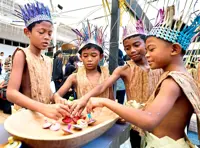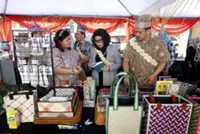
FOR generations, knowledge among Malaysia’s Orang Asli communities has been passed down not through textbooks, but through everyday life, such as language, healing practices, music, hunting skills and customs taught by elders to their children.
But as lifestyles change and younger generations spend more of their lives outside these traditional settings, some of that knowledge is becoming increasingly difficult to pass on.
For Tok Batin Ayof Ekal of Kampung Orang Asli Parit Gong in Jelebu, Negri Sembilan, the signs can already be seen in practices once familiar within the Temuan community.
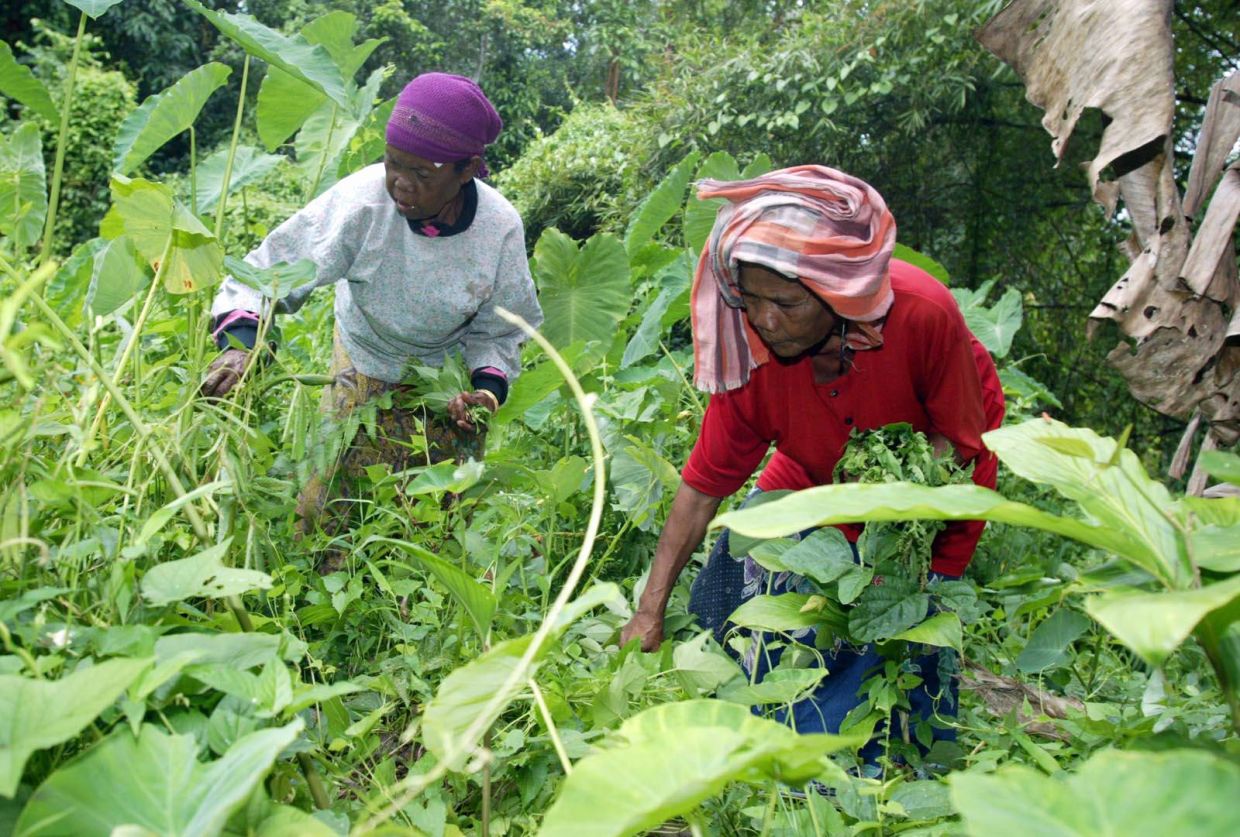
Traditional healing using herbs, skills such as making traps and hunting with blowpipes and knowledge surrounding the preparation of ‘ipoh’ poison are among the practices at risk of disappearing, he says.
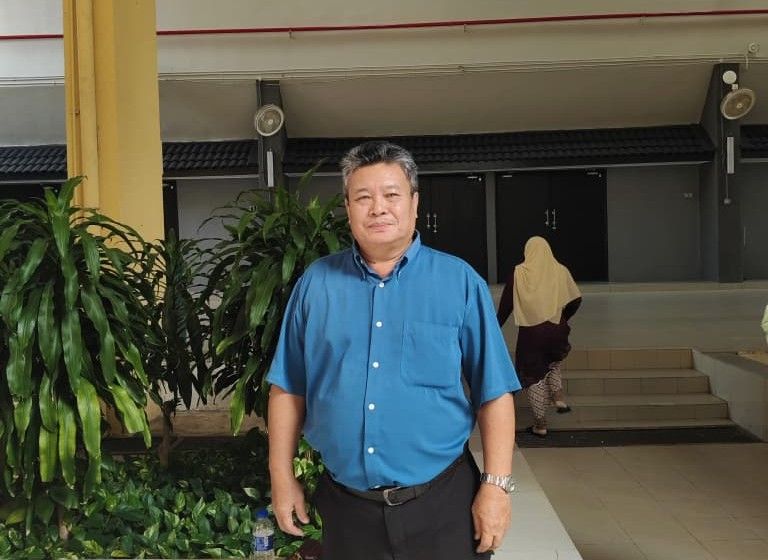
Traditional musical instruments such as the teabong, gea ngong and keranting are also now rarely played, he adds.
Some changes, he says, are an inevitable consequence of modernisation.
Ayof points to the traditional Temuan practice of “bayar bidan” involving families making a payment to the midwife following childbirth.
“Nowadays, there is no such thing. This is because most mothers give birth in the hospital, and so they don’t have to ‘bayar bidan’.”
But such changes raise a broader question: as Orang Asli communities participate increasingly in modern life, how can they ensure that the knowledge and identity inherited from previous generations are preserved?
Tok Batin Norya Abad, from Kampung Gau-Pelawan in Bera, Pahang, of the Semelai tribe, describes Orang Asli heritage as a national treasure encompassing not only culture and language but also traditional knowledge, medicine and ways of life.
There are officially 18 Orang Asli subgroups in Peninsular Malaysia, divided among the Negrito, Senoi and Proto-Malay groups.
As such, Norya says, “Orang Asli” should not be seen as representing a monolithic culture, as they all have different languages, traditions and customary practices.
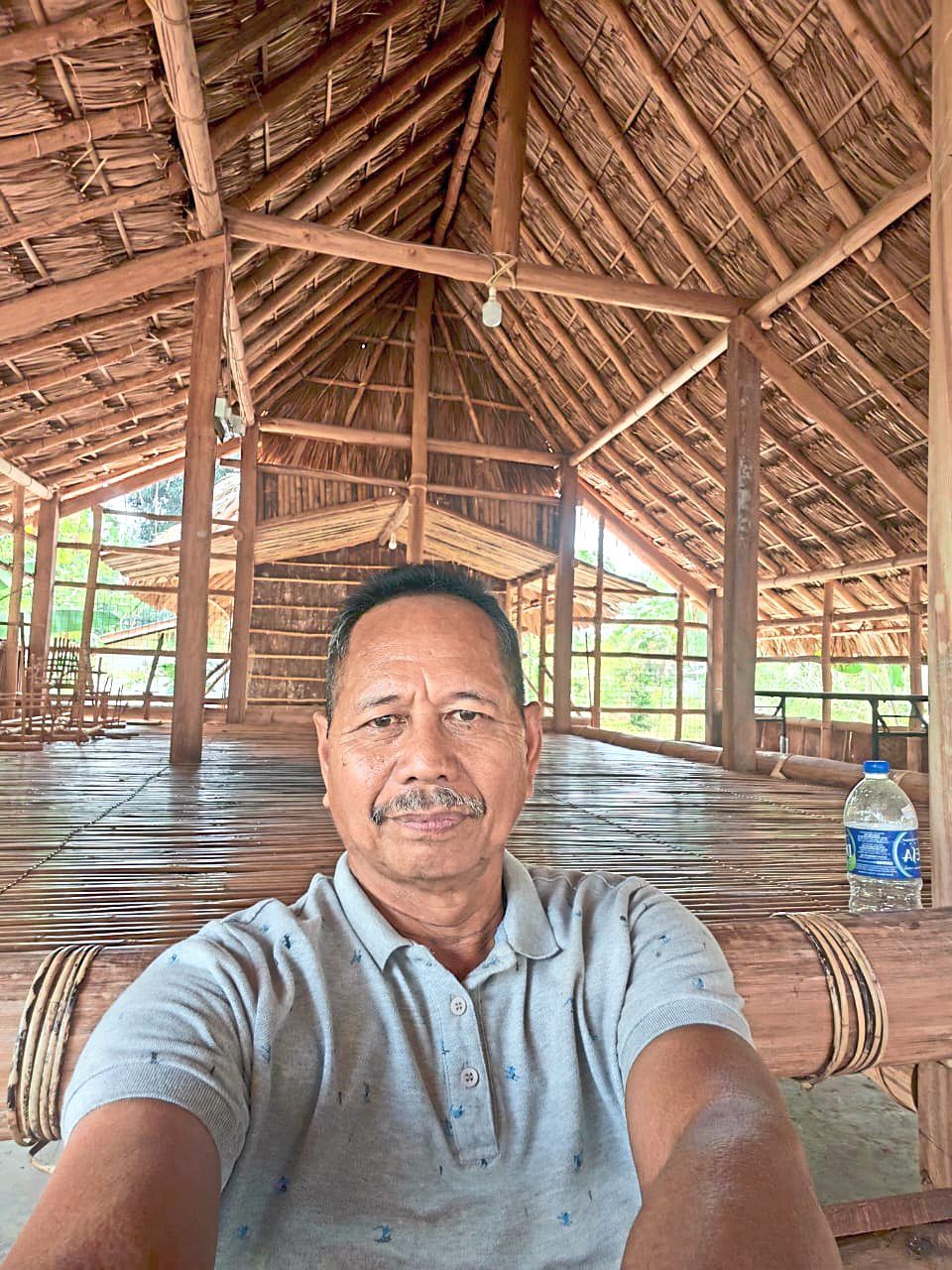
Among the most vulnerable aspects of that heritage, he adds, is language.
Some communities are increasingly using Bahasa Malaysia rather than their ancestral languages, while exposure to modern lifestyles can further reduce the use of mother tongues among younger generations.
Traditional ways of life have also been similarly altered by the changes of modernity.
Where previous generations may have practised subsistence farming or hunting, younger Orang Asli may now work in offices, factories or other jobs away from those environments, he says.
“Little by little, that way of life disappears,” Norya says.
He shares Ayof’s concerns over the loss of traditional knowledge, including herbal remedies and traditional medical practices.
Both Ayof and Norya point to a lack of interest, perceptions that traditional practices are outdated, public schooling and insufficient encouragement at home as some of the factors for weakening cultural transmission.
For Norya, however, the education system itself represents a missed opportunity.
Most Orang Asli children attend national schools where their own cultures and languages have little presence in the curriculum, he says, contrasting this with the greater space afforded to some of Malaysia’s other languages and cultures in the education system.
Without intervention, he fears Orang Asli languages and cultural practices could become increasingly diminished over the coming decades.
Preservation, therefore, cannot simply mean recording a language before it disappears, says Norya.
While welcoming documentation efforts by the National Unity Ministry, Norya argues that recording several hours of speech cannot capture a culture in its entirety.
“What about their traditional knowledge? What about their culture, their dances, customs and ceremonies?” he asks, stressing that language is only one element of a much larger living heritage.
Instead, both Tok Batins believe preservation must involve younger Orang Asli themselves.
Ayof suggests parents encourage their children to learn about their ancestors’ culture, while villages could organise activities involving young people in traditional weaving, music and dance. Schools, meanwhile, could establish cultural clubs involving Orang Asli heritage.
Norya similarly proposed incorporating Orang Asli language and culture into school co-curricular activities, alongside wider celebrations that showcase their traditional food, medicine and dance.
Sakaria Awang, deputy president of the Peninsular Malaysia Orang Asli Association, agrees that both formal and informal education must play a part in preserving Orang Asli heritage.
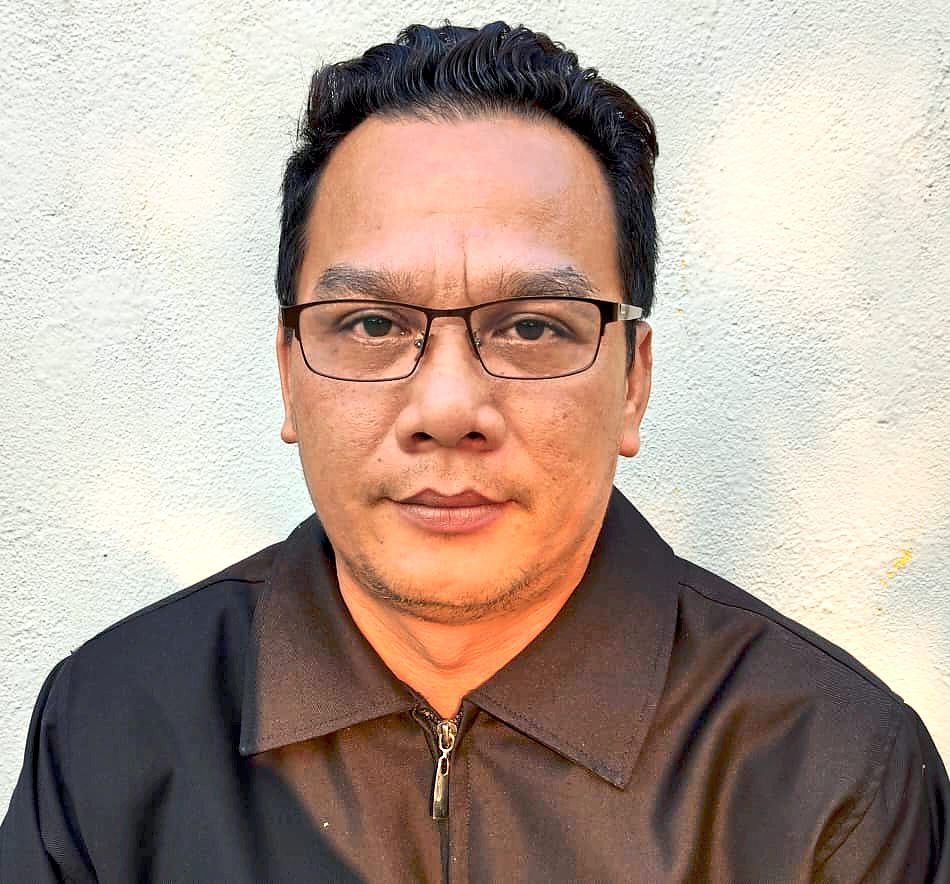
Documentation remains important, he adds, but not only of their languages.
“Digital documentation, such as recording, writing and publishing books of their folklore, language, customs and traditional medicine practices so that it is not lost to time,” he says when asked how to better safeguard their heritage.
The stakes of preserving Orang Asli heritage extend beyond the indigenous communities themselves.
Ayof notes that many Malaysians still know relatively little about the Orang Asli, whose presence and cultures receive limited attention even in school textbooks.
Preserving that heritage matters, he says, because Orang Asli communities, with their distinct identities, cultures and ways of life, are themselves part of Malaysia’s cultural diversity.
“It is important that Malaysians get to know more about the Orang Asli because we too are Malaysians,” he says.
For Norya, their accumulated knowledge also tells a much older story: that of communities that developed the skills necessary to live with and survive in the forest over countless generations.
Sakaria notes that such knowledge about the forests and their ecosystems also holds high scientific and environmental value.
If that knowledge is to survive another generation, preservation cannot begin only when something is already on the verge of disappearing, says Norya.