MALAYSIA’S Indian communities carry languages and traditions that are more than cultural markers – they are living repositories of history, values and identity.

Yet, in a nation built on diversity, safeguarding these roots can go hand in hand with embracing the shared fabric of Malaysian unity. The challenge is not about choosing one over the other, but nurturing both: keeping heritage languages alive in homes and communities while ensuring fluency in Malay and English for national belonging and global connection.
For many Malaysians of Indian heritage, that balance begins with something simple and personal – the language spoken at home, the traditions shared by grandparents and parents, and the stories that give meaning to where a family comes from.
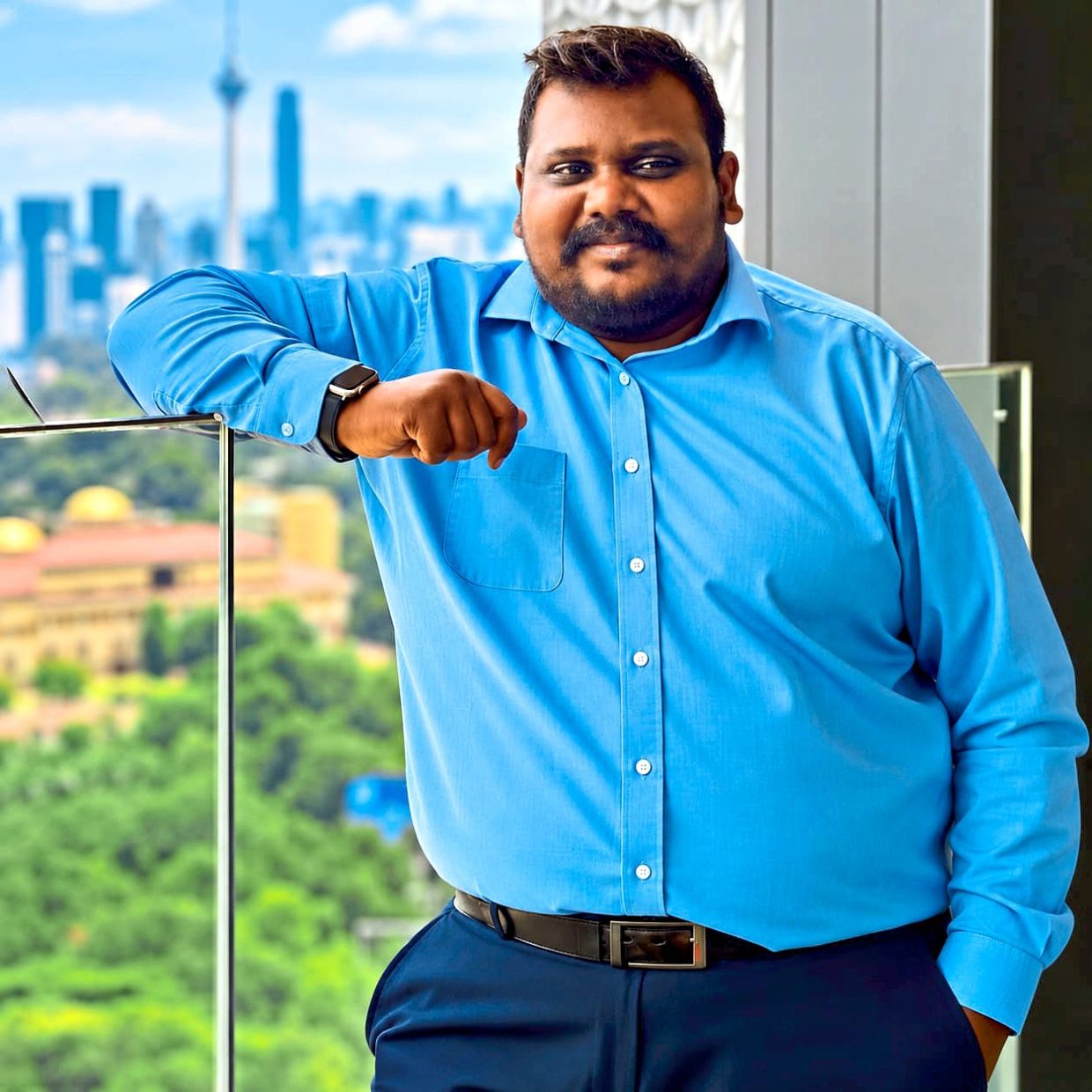
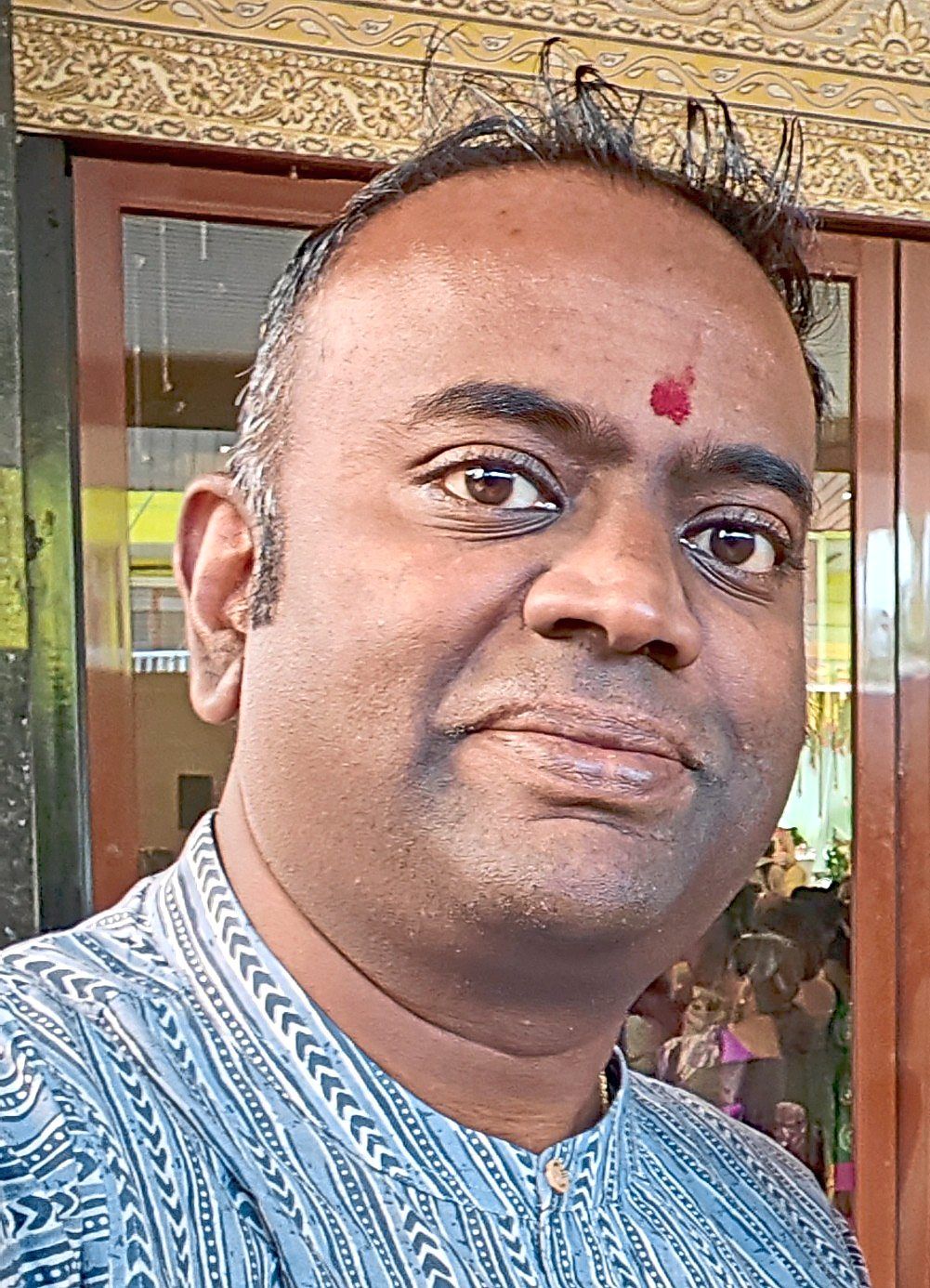
Photographer Moganraj Villavan says his culture, traditions and identity are shaped by his roots.
“For Tamils like me, Tamil is more than just a language. It carries our history, values, knowledge and way of life. Preserving our language means preserving a part of who we are.
“Tamil and every language carry a unique history and way of life. A language is not just a means of communication. It carries our knowledge, values, traditions, heritage and, in many cases, traditional medicine and wisdom passed down through generations.”
He points out that a language stays alive when it is used every day.
“If we stop speaking and using a language, we risk losing much more than words. We may also lose the culture, knowledge, traditions and identity connected to it.
“Preserving a language is therefore not simply about preserving words. It is about preserving our roots, our way of life and our identity for future generations.”
While the emotional connection to language is deeply personal, writer B. Suresh Ram says keeping heritage languages alive also requires deliberate effort at home, in schools and within the wider community.
“Balancing cultural roots with national and global integration requires deliberate habits at home, school and within the community.”
He says protecting Indian languages and heritage while building national unity requires a balance between cultural preservation and shared national experiences.
“Schools and government institutions play a pivotal role in creating policies that support mother-tongue maintenance without isolating students from the broader Malaysian identity.”
For Jacintha Kaur, who is of mixed Punjabi and Malayalee parentage, language loss can happen quickly in smaller communities when younger generations no longer speak the same language as their elders.
“For example, Punjabi and Malayalee heritage are part of Malaysia’s own story. These communities have contributed to the country for generations, and their languages, customs, food, faith and family traditions are part of what makes Malaysia diverse.
“Protecting Punjabi and Malayalam [Malayalee tongue] helps preserve family memory, identity and cultural knowledge. It also allows younger Malaysians to feel that they do not have to choose between their heritage and being fully Malaysian.”
Practising one’s cultural identity, she says, should not be seen as contributing to division.
“The Malay language remains the medium that connects Malaysians in public life, while heritage languages and cultures can still be practised, taught and celebrated.
“We are Malaysian first in our shared commitment to the country, while remaining proud of our Punjabi or Malayalee roots. We can pass these traditions on at home and in community spaces, while also sharing them openly with Malaysians from other backgrounds.”
That sense of balance – holding on to one’s roots while building connections with others – is also central to Dr Praveen Nadarajah’s view of nation-building.
The government healthcare practitioner says people’s duty to the nation requires more than mere participation in its development; it calls for a genuine effort to understand and connect with one another.
“Learning the local language, appreciating local traditions and embracing the nation’s culture are not simply personal choices; they are acts of civic responsibility.
"They create common ground among people of different backgrounds, strengthen social harmony, and foster a deeper sense of belonging. By preserving our own heritage while embracing the culture of the nation, we contribute to a more united and resilient society.
“In this regard, the community has an essential role to play. It must help cultivate an awareness of these responsibilities and inspire individuals to become active participants in the nation’s shared identity. Only when people are rooted in their own heritage and connected to the broader national community can a nation truly flourish.”
Dr Praveen also says Malaysia has long taken pride in its rich cultural diversity.
“While policies exist to safeguard the learning and preservation of one’s mother tongue and cultural heritage, nation-building requires us to go beyond mere preservation. Greater emphasis must be placed on fostering a deeper understanding and appreciation of the diverse cultures that make up our society.
“If we are to further strengthen our social fabric and build a more united Malaysia, we must create greater opportunities for people to learn from one another, engage across cultural boundaries and develop a shared sense of belonging. A cohesive nation is not built merely by celebrating diversity, but by understanding it, embracing it and allowing it to enrich our collective identity.”
Far from homogeneous
THE Malaysian Indian ethnic group makes up approximately two million people, or 6.5% of Malaysia’s population, and consists of nine sub-ethnic groups.
According to the Department of Statistics Malaysia, Negri Sem-bilan has the highest proportion of Indians at 14.3% in 2020, followed by Perak at 11.5% and Selangor at 11.3%.
UM Indian Studies Department head Dr Ravindaran Maraya says the community is far from homogeneous, comprising people with different ancestral origins, languages, religions, migration histories and cultural traditions.
Generations of interaction with Malay, Chinese, indigenous people and other communities had also shaped cultural practices that are distinctly Malaysian.
“Festivals, food, music, religious practices and languages may therefore resemble traditions in India or Sri Lanka while also having developed uniquely Malaysian characteristics,” he says.
Ravindaran explains that Malaysian Indians are a part of the wider Indian diaspora, broadly referring to people of Indian origin living outside India and their descendants.
“We commonly identify these communities as Tamil, Telugu, Malayalam, Punjabi/Hindi, and Jaffna/Singgalam [Sri Lanka],” he says.
He stressed that Indian identity should not automatically be equated with Tamil or Hindu identity.
“Tamils form the majority of Malaysian Indians, but there are many other communities with different languages and histories,” he says.
While Hinduism is predomi-nant among several commu-nities, particularly Tamils, Telugus and Malayalees, Malaysian Indians also include Sikhs, Christians, Muslims, Buddhists and people with other or no religious affiliations.
Ravindaran also says it is a misconception that all Malaysian Indians arrived as plantation labourers.
“Plantation labour was extremely important, parti-cularly among Tamil and Telugu migrants, but the colonial-era Indian population also included teachers, clerks, doctors, civil servants, soldiers, police, traders, professionals and business communities,” he says.
Political communication researcher from Universiti Sains Malaysia Dr Thanaraj Murudi says education could help preserve Malaysian Indians’ ancestral heritage among younger generations.
“Schools can help expose students to Malaysian Indian history, family migration stories, traditional occupations, literature, music, food and the contributions of local community leaders.
“This can help young people better understand and appreciate their heritage,” he says.