




HOKKIEN, Cantonese, Hakka, Teochew, Hainanese – these are names familiar to many of us. But do they refer to ancestral origin, dialect groups, or ethnic groups?
For many Malaysian Chinese, answering the question “What are you?” may simply mean saying Hokkien, Cantonese, Hakka or Teochew. Such classifications have long become part of everyday life and, for many, are the most direct way of understanding their family background.
However, when the question becomes “How many Hokkien, Hakka or Teochew people are there in Malaysia?”, the answer is not necessarily so straightforward. Ancestral origin, dialect and geographical classifications often overlap, and the basis of classification must first be clarified before population size and distribution can be discussed.
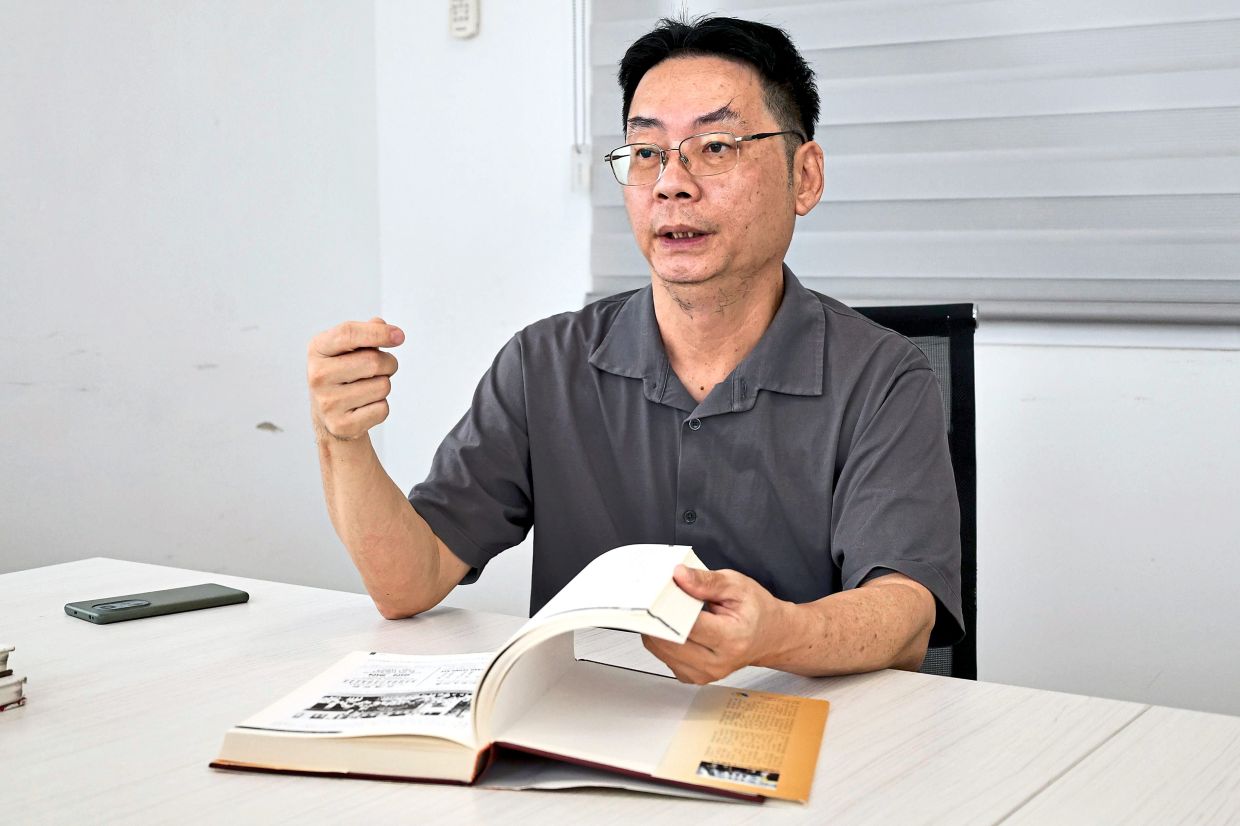
Early Chinese society did not have as strong a sense of broad regional identities such as “Fujian” or “Guangdong” as it does today, says Chiam Yan Tuan, a senior research fellow at the Centre for Malaysian Chinese Studies.
Immigrants often identified instead with more specific counties, townships or even villages. Local-place and dialect-group identities within the early Chinese community here were generally more specific than they are today, he tells Sin Chew Daily.
“Old tombstones would state very clearly where in Teochew a person came from, which village, what surname and which generation. Their identity was rooted in a very specific sense of native place.”
Research fellow Ng Yuen Yi notes that in academic writing, Hokkien, Teochew, Hakka, Cantonese and Hainanese may be described as “dialect groups”, while in everyday speech they are often referred to in terms of “ancestral origin”.
These different labels also reflect the layers of identity within the Malaysian Chinese community which cannot be fully captured through any single system of classification.
Historical perspective
Different parts of the country still bear traces of settlement by different dialect groups, Chiam says. The distribution of Chinese dialect groups is in fact closely linked to the history of development in each locality.
“Some were connected to mining, some came with agricultural settlement, while others were linked to organised immigration led by churches.”
He says early immigrants did not simply settle randomly across the country. They often established themselves through networks of kinship, common place of origin and occupation. After arriving in South-East Asia, people from the same hometown would also frequently bring fellow villagers into trades and industries they were already familiar with.
“Over time, a place could develop a relatively distinct dialect-group structure, with clearer divisions also emerging in social circles and occupations.”
Chiam believes early Chinese society was closer to what could be described as a “dialect-group society”, in which different dialect groups had their own associations and developed their own social and commercial networks.
“For example, in the early days, many grocery and liquor merchants were Teochew, while Taipu people formed networks in certain traditional trades. Many Hainanese, having worked for Europeans, went into food-related work or became cooks, and later developed a distinctive food culture.
“However, these dialect-group boundaries gradually weakened after the World War II. As society became more open and economic activity expanded, contact between different dialect groups increased, and the once relatively closed networks based on ancestral origin and occupation were gradually broken down,” he adds.
Over time, Chinese ancestral identity gradually shifted from very specific native-place identities towards broader regional or dialect-group categories.
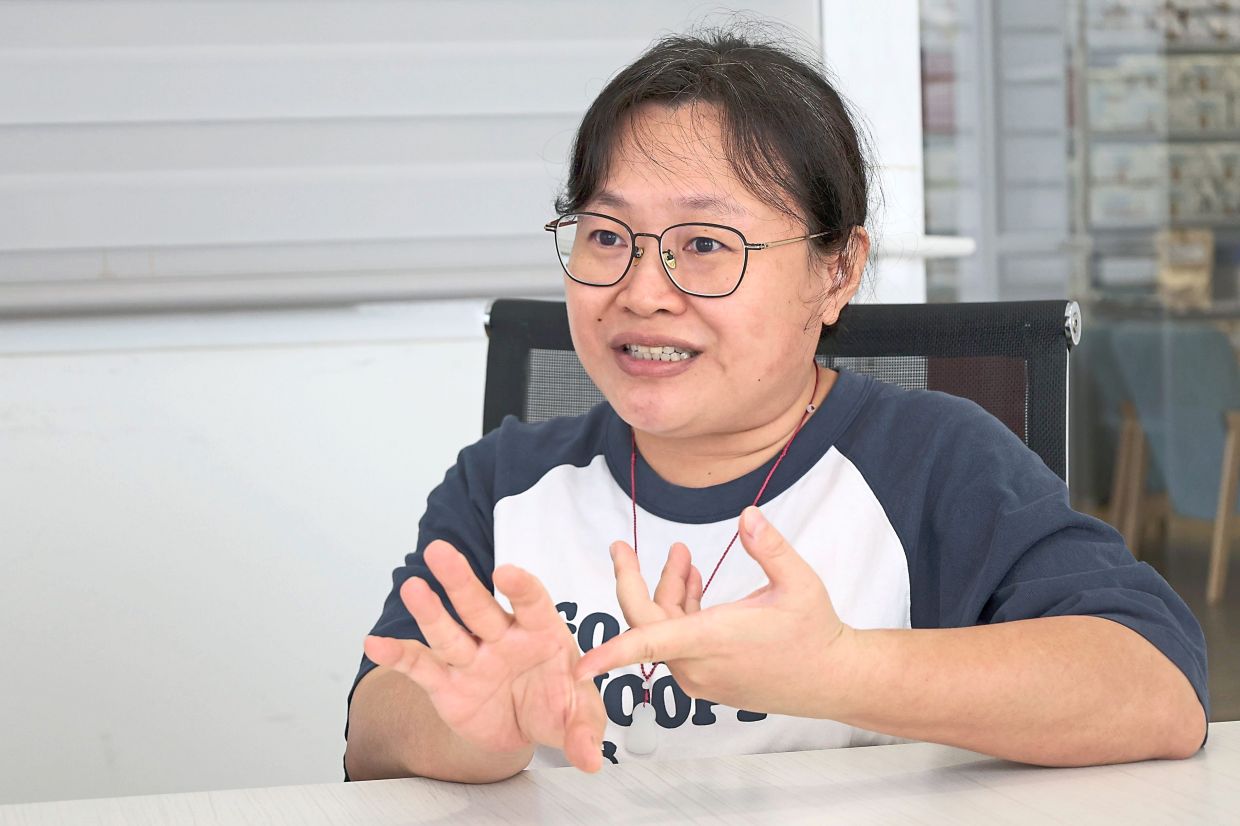
Ng says that for most people today, identifying oneself as Hokkien, Cantonese, Hakka or Hainanese is already quite common, whereas early migrants often had much more specific forms of identification.
What makes Malaysia special is precisely that it has never had only one face.
This diversity exists not only between Malays, Chinese, Indians, the indigenous peoples of Sabah and Sarawak, and other communities. Even within Chinese society itself, different languages, ancestral origins, religions, food cultures and regional traditions are intertwined.
“The Chinese community is not monolithic. If you look deeper, it is itself a diverse structure,” she says.
Ng describes diversity as much like a natural ecosystem: only when different groups coexist and draw nourishment from one another can a culture become richer and more vibrant.
It is through this very process that Malaysian Chinese have, on the one hand, preserved cultures brought by their ancestors, while on the other continuously absorbed local, Eastern and Western influences, gradually shaping the distinctive and diverse character of Malaysian Chinese society today. — Sin Chew Daily/ Media in Arms
In conjunction with Malaysia Day, the Media in Arms alliance is highlighting the many faces of Malaysia’s society through different ethnic, linguistic and cultural perspectives. Media in Arms comprises five mainstream media outlets – Chinese newspaper Sin Chew Daily, Malay daily Sinar Harian, local news broadcaster Astro Awani, Tamil newspaper Malaysia Nanban and The Star – which formed this initiative in February 2022 to share resources and collaborate on diversified news content.



