




FOR generations, the Mah Meri Orang Asli community in Pulau Carey, Selangor, depended on the sea and surrounding mangrove forests for survival.
Fishing and traditional wood carving are not only their main sources of income but also an important part of their cultural heritage.
Today, the community fears their livelihoods are at risk due to massive port projects planned in their vicinity.
There are several Orang Asli villages on the island including Kampung Sungai Kurau, Kampung Sungai Bumbun and Kampung Sungai Judah.
The fishermen head out in small wooden boats, casting nets for prawns and fish.
Meanwhile, artisans craft intricate masks and sculptures using nyireh wood from a slow-growing hardwood tree species found in nearby mangrove and riverbank areas.
Kampung Orang Asli Sungai Kurau Orang Asli Village Development and Security Committee chairman Lanuza Layon said any large-scale land reclamation, dredging and increased shipping activity related to the port projects would damage the coastal ecosystem.
“The community stands to lose both their main sources of income if the state does not carefully plan how to maintain the environment.
“We are already living hand-to-mouth.
“If the situation worsens, we may be forced to leave Pulau Carey and our identity here will be erased forever,” he said.
Port projects
There are two major developments that the Orang Asli community is particularly concerned about.
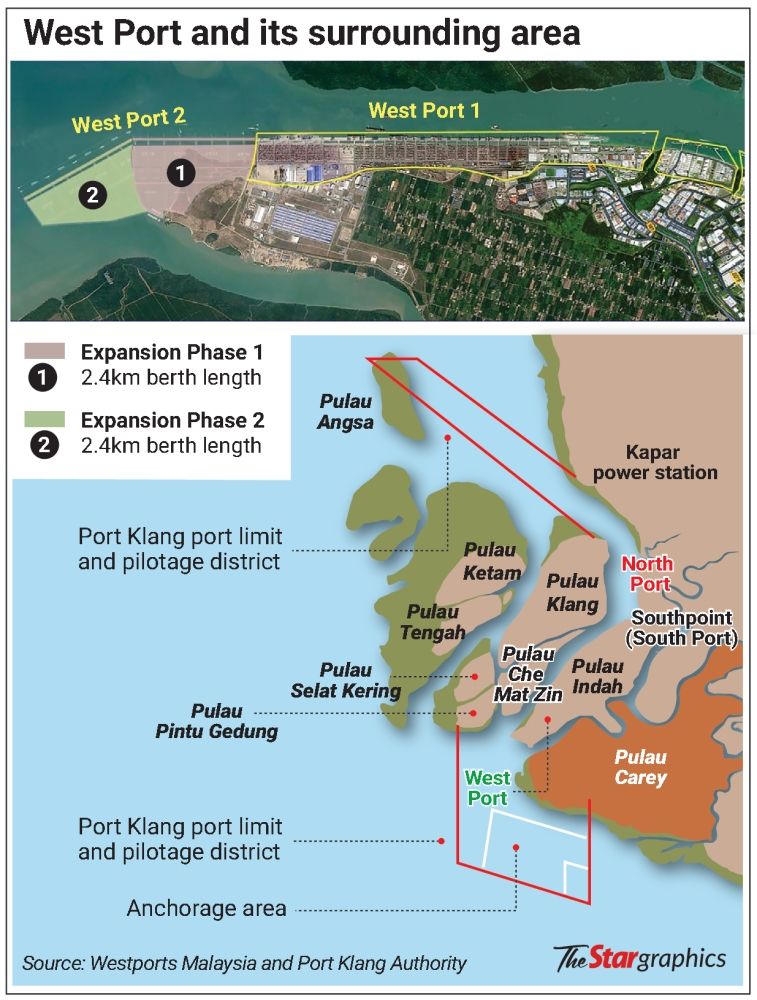
The West Port 2 expansion project, which began in 2024, involves constructing additional container terminals, wharf facilities, navigation channel enhancements and supporting logistics infrastructure over two phases spanning 15 to 20 years.
It was reported that the project could generate RM55bil in total economic output, contribute RM19bil to Malaysia’s gross domestic product and create approximately 6,000 full-time jobs.
The second development is the proposed third port.
In March, the Cabinet approved a proposal to build a third port in Pulau Carey, with Selangor government spearheading construction.
On March 13, Selangor Mentri Besar Datuk Seri Amirudin Shari reportedly said the state would accelerate the Pulau Carey Development Master Plan.
He said the masterplan would cover critical infrastructure including utilities, renewable energy, public transportation, digital connectivity, industrial areas and housing; while prioritising the preservation of local communities including Malay reserve land and Orang Asli areas.
Dwindling catch
Lanuza said the community was already feeling the impact of the West Port 2 expansion project.
He claimed that daily catch had dropped by 80% compared to previous years.
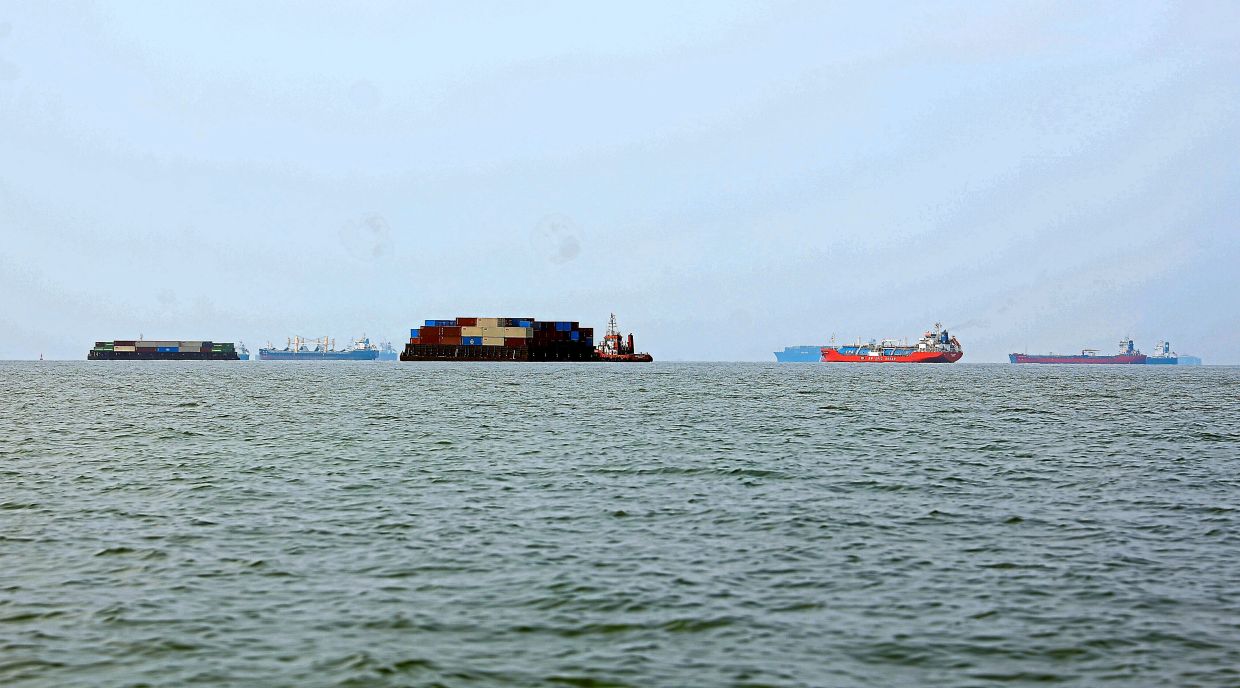
“The port’s anchorage area overlaps with our fishing ground.
“We are forced to fish near cargo ships and risk having our nets damaged by passing vessels.
“We are small-scale fishermen. Usually, we set our nets and return later to collect them,” he added.
Lanuza said even though flags were placed to mark their nets, some cargo ships cut straight through them because it was their right of way.
He added that each net cost hundreds of ringgit.
While fishermen could travel to alternative fishing areas nearby such as Pantai Morib or Pulau Ketam, Lanuza said doing so would significantly increase operational costs due to high fuel prices.
“Occasionally, it is manageable but going there every day would be too costly.
“Now, we are forced to cast our nets and pull them up immediately, which means we catch less fish.
“We sell our catch to middlemen and are lucky if we earn around RM20 a day.
“To survive, many have to take on multiple jobs such as collecting oil palm fruits and doing odd jobs,” he said.
Hardwood source at stake
The Mah Meri artisans are widely recognised for their distinctive wood carvings which depict ancestral spirits and stories tied closely to nature.
Their handcrafted masks and sculptures have become symbols of Orang Asli cultural identity, attracting tourists and collectors from around the world.
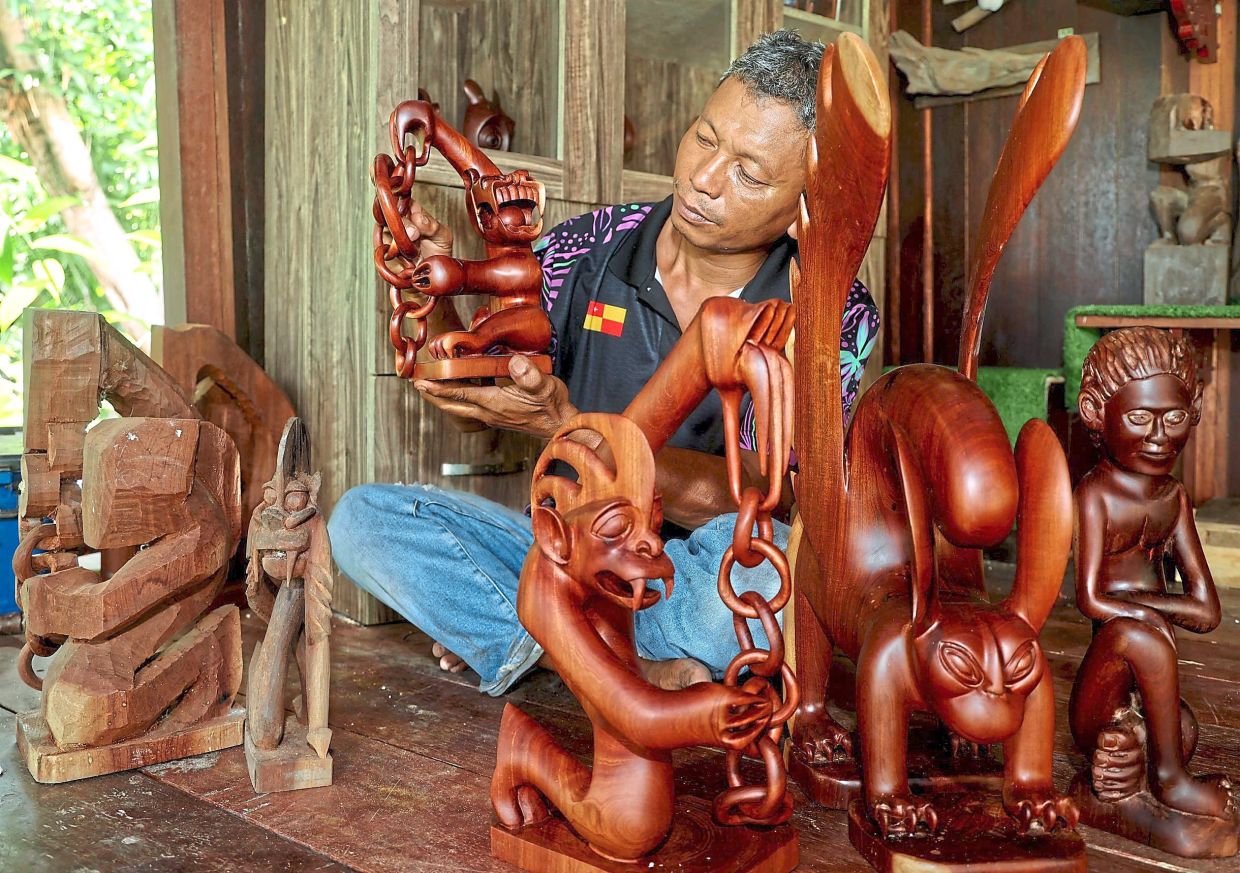
Artisan Samri Anak Rahman, 50, said the craft depended heavily on nyireh wood.
“The nyireh wood is special and difficult to replace.
“We cannot use an alternative because the texture, colour and quality are different.
“We care for the tree so much that we do not eat the fruit; we wait for it to fall to the ground and hope nature will take its course to grow a new tree.
“We have tried to germinate the fruit but were never successful,” he said.
Samri said the government was supportive of his craft, recalling the time in 2023 when he was one of the few Orang Asli artisans flown to England to showcase Malaysian aboriginal art at the Malaysian High Commission at Belgrave Square in conjunction with London Craft Week.
“Many foreigners have come to look for me here at Kampung Orang Asli Sungai Bumbun to buy my work.
“I learned this craft from my late uncle, who was a master craftsman.
“Now, I am teaching this craft to the younger generation, but our rice bowl is at stake.
“I have enough wood supply for now, but there is no certainty for the future,” he said.
Better consultation
Villagers are calling for greater consultation and transparency in environmental impact assessments before the projects proceed further.
Kampung Orang Asli Sungai Kurau Tok Batin Hassan Taba said they were not against development, but it should not come at the expense of indigenous communities.
“The loss of fishing areas and traditional carving materials could cause the community’s cultural identity to slowly fade, especially among younger generations who are already leaving the coastal area in search of work elsewhere.
“While the port promises thousands of job opportunities, there is no guarantee that the Orang Asli will be hired because many of us are illiterate,” he said.
He further asked: “How about the old people, fishermen and artisans who know nothing but their traditional occupation?”
State to engage
When contacted, Selangor human resources, poverty eradication and Orang Asli affairs committee chairman V. Papparaidu said he would arrange to meet with the Kampung Sungai Kurau community to hear their views, suggestions and concerns.
He added that he would hold discussions with Selangor State Development Corporation (PKNS) to get further information and clarification on the matter.
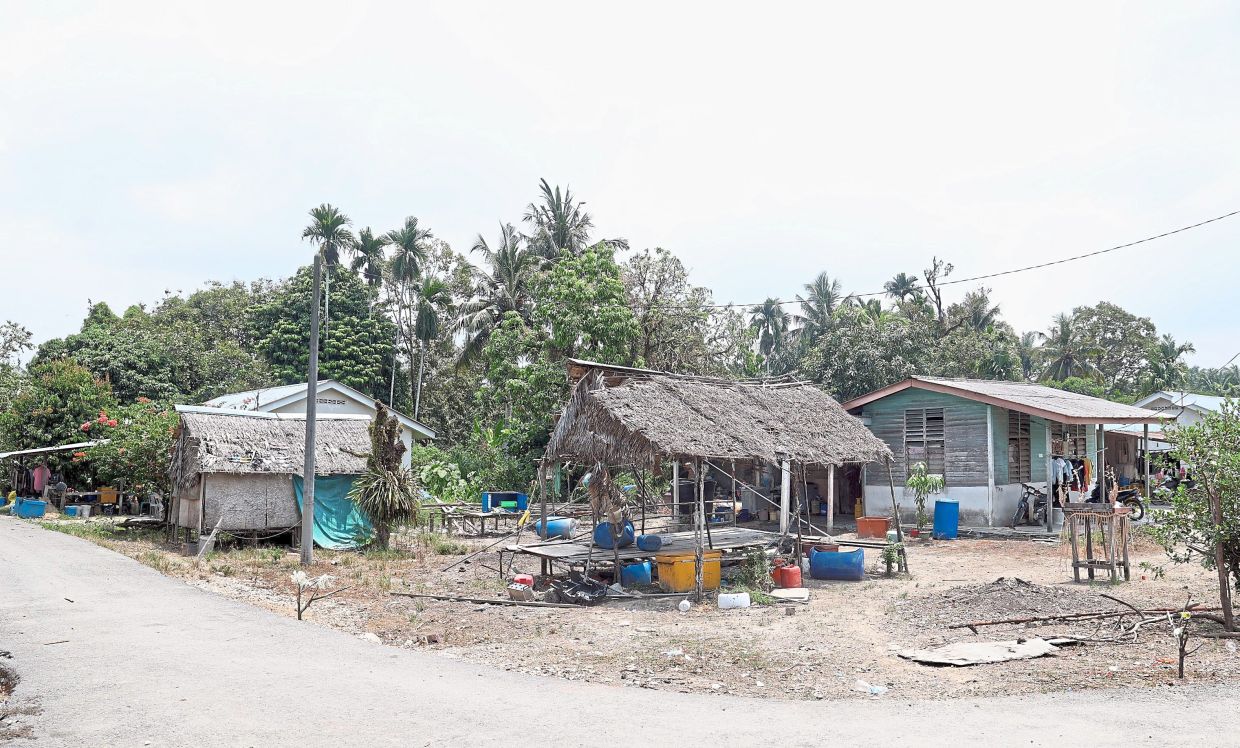
Kampung Orang Asli Sungai Kurau villagers fear that developments around their village will affect their livelihoods.
Samri showing some of his sculptures carved from ‘nyireh’ wood.
Cargo ships and barges anchoring at the Orang Asli fishing zone.
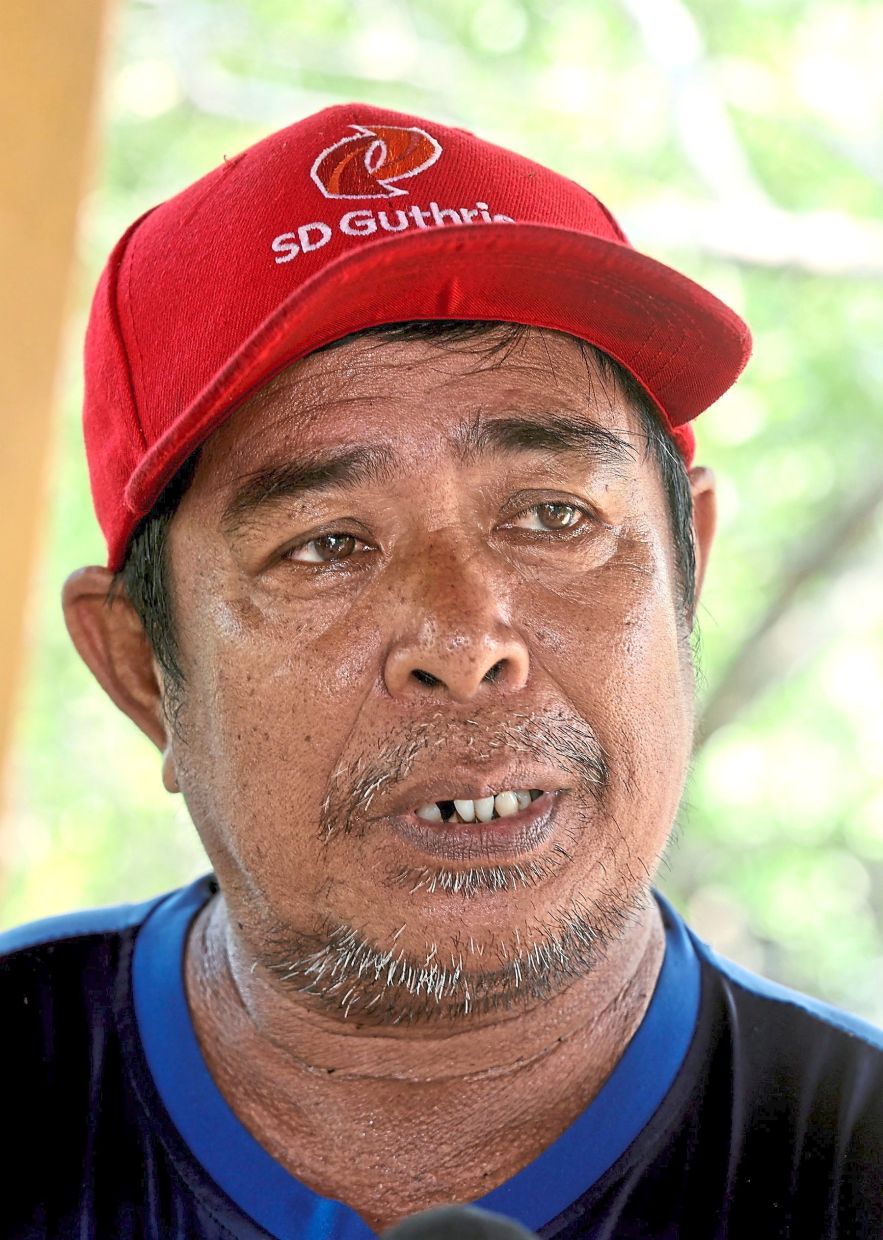
Hassan says development should not come at the expense of indigenous communities.
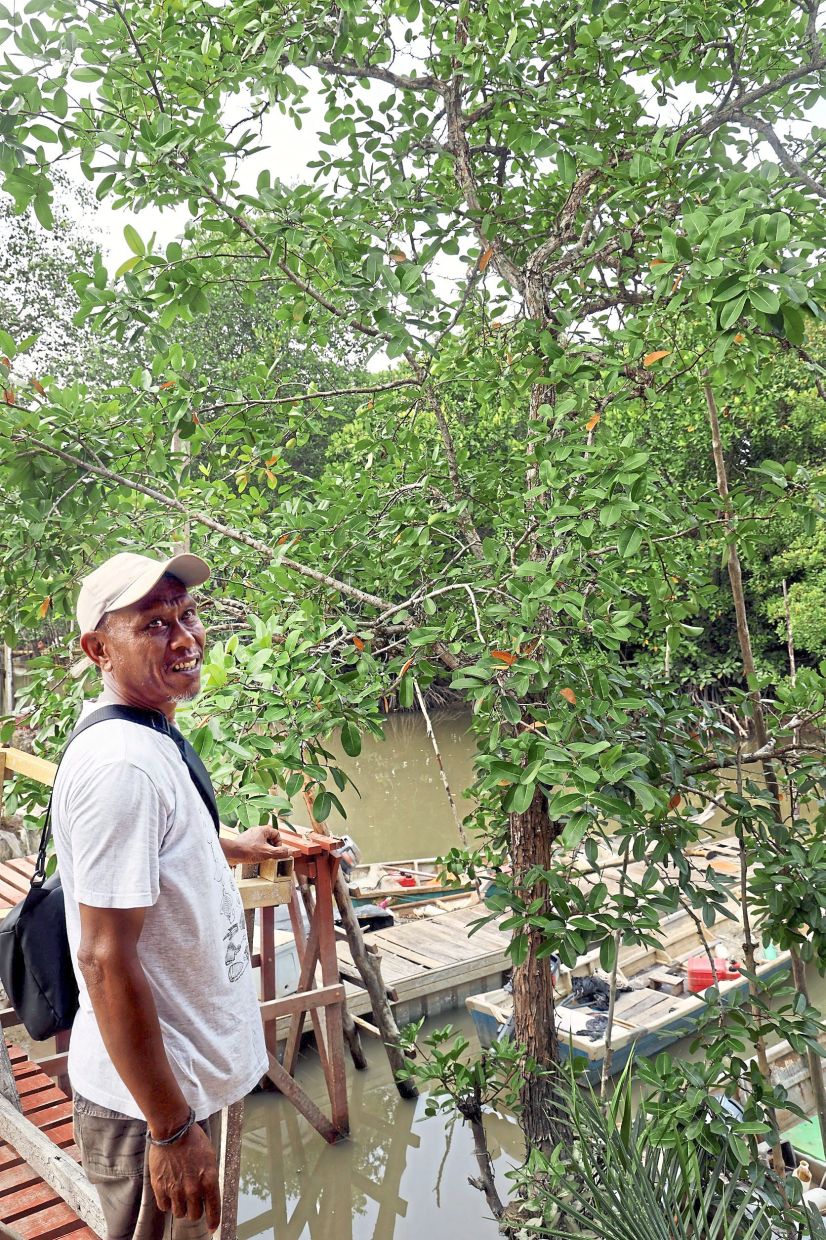
Lanuza with a ‘nyireh’ tree growing in the mangrove.
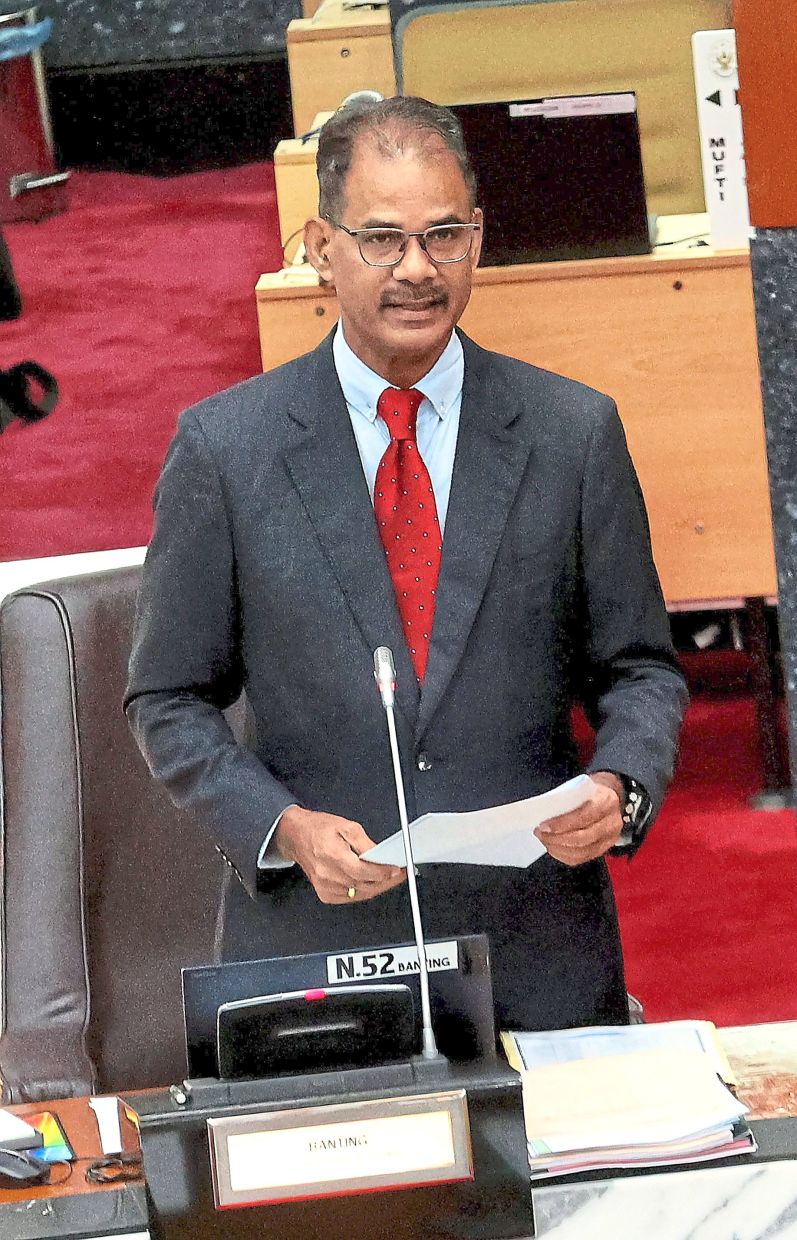
Papparaidu will meet with Kampung Sungai Kurau folk to hear their views and concerns.


