




IF you hear words such as “demo”, “kawe”, “gapo” or the phrase “nok gi mano” slipping into a conversation, don’t be too quick to assume the speakers are all Malay.
In Kelantan, the Kelantanese, or “Kelate”, dialect has become so deeply ingrained in everyday life that the Chinese and Indian people there can also “kecek” Kelate (speak Kelantanese) with ease. Some even speak with an accent thicker than that of their Malay counterparts.

More interestingly, some speak the dialect at home with their spouses and children, while at the workplace, it serves as a common language when dealing with people from different backgrounds.
Kelantan State Information and Communication Secretariat assistant director (Information) R. Hareetaran, 36, says that although he comes from an Indian family that speaks Tamil, the Kelantanese dialect is part of his everyday conversations.
“I definitely kecek Kelate. Even at home, I speak Kelantanese with my siblings most of the time.
“My parents are Indians, but the Kelantanese dialect has become part and parcel of our family. You could say Kelantanese is the language we use every day,” he says.
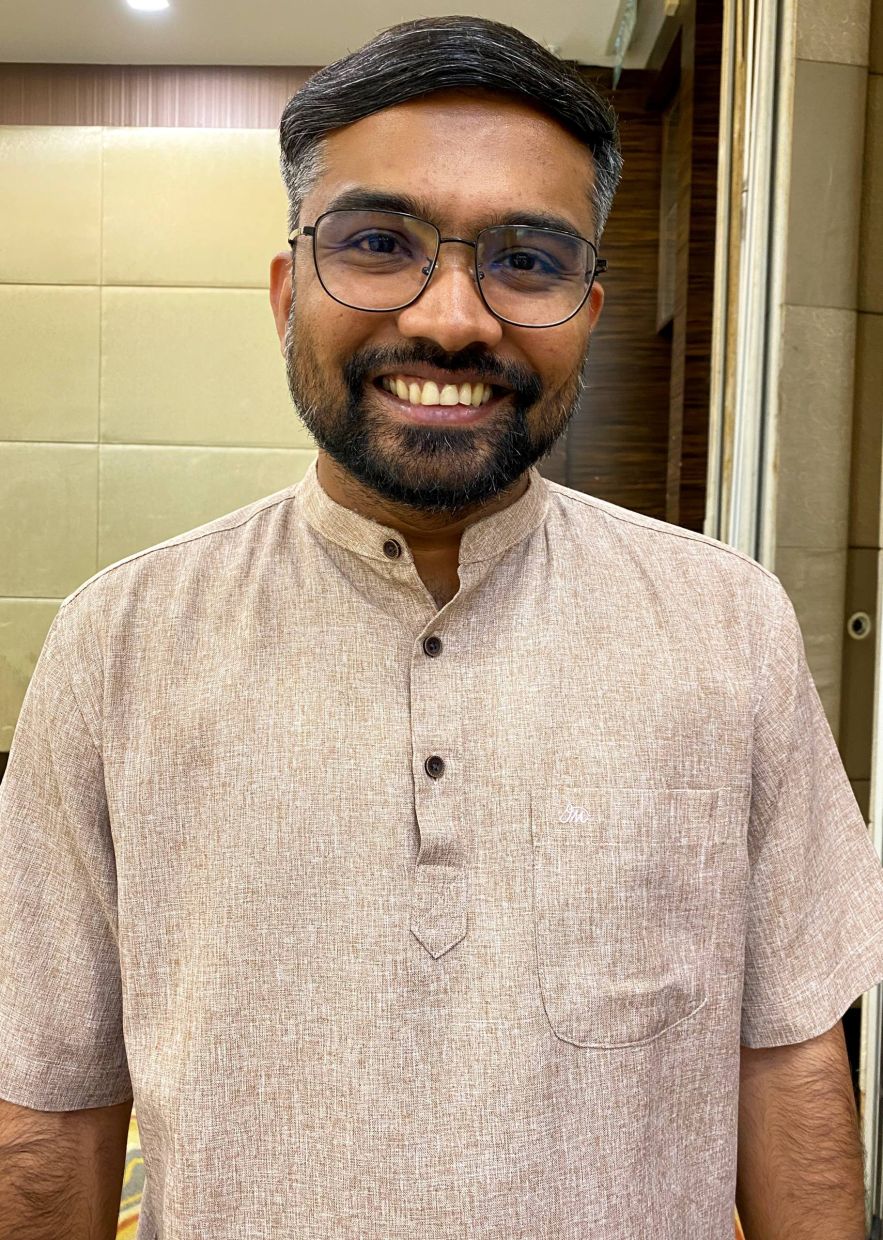
The youngest of five siblings, he grew up in Berek 12 in Kota Baru and attended SK Sultan Ismail 2 and SMKJ Chung Sheng before pursuing his studies at Unitar International University and Universiti Malaysia Kelantan.
Hareetaran, who has a four-year-old child, says his wife, Shaarada Bairavi, 36, a dentist who runs her own clinic, is also a Kelantan native.
For Special Officer for Inter-Ethnic Relations Lim Guan Seng, 60, better known as Abe Sin, the Kelantanese dialect has become such a natural part of his life that the question of ethnicity does not even arise when he speaks it.
“I don’t just use it when communicating with Malays, but also when I’m speaking with other Chinese, I use the Kelantanese dialect.
“Kecek samo Cino pun lorat Kelate (even when we speak with other Chinese people, it’s in Kelantanese).
“I speak Kelantanese with my wife and kids too.
“We’re used to it. When you live in Kelantan, you speak the Kelantanese dialect. It doesn’t matter who you’re talking to,” says Lim, who lives in Taman Bahagia, Wakaf Mek Zainab.
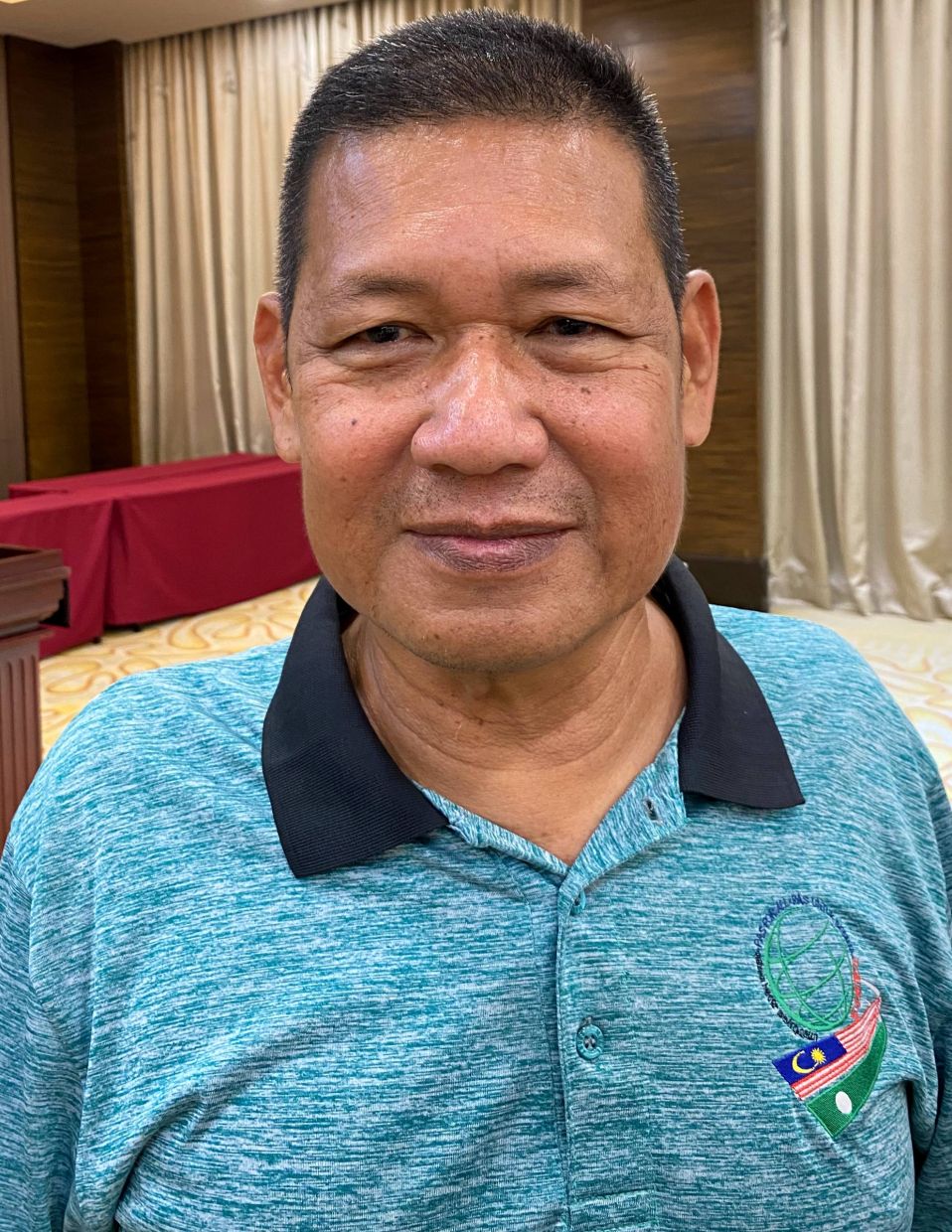
Lim received his primary education at SKJC Yuk Chai before furthering his studies at SMK Sultan Yahya Petra in Kuala Krai. He says his previous experience serving as penghulu (village head) also gave him the opportunity to interact more closely with the community and use the local dialect in various situations.
Meanwhile, entrepreneur Nik Mohd Shahrizal Sudin, 41, says seeing non-Malay Kelantanese speaking the local dialect fluently was simply a normal part of life in the state.
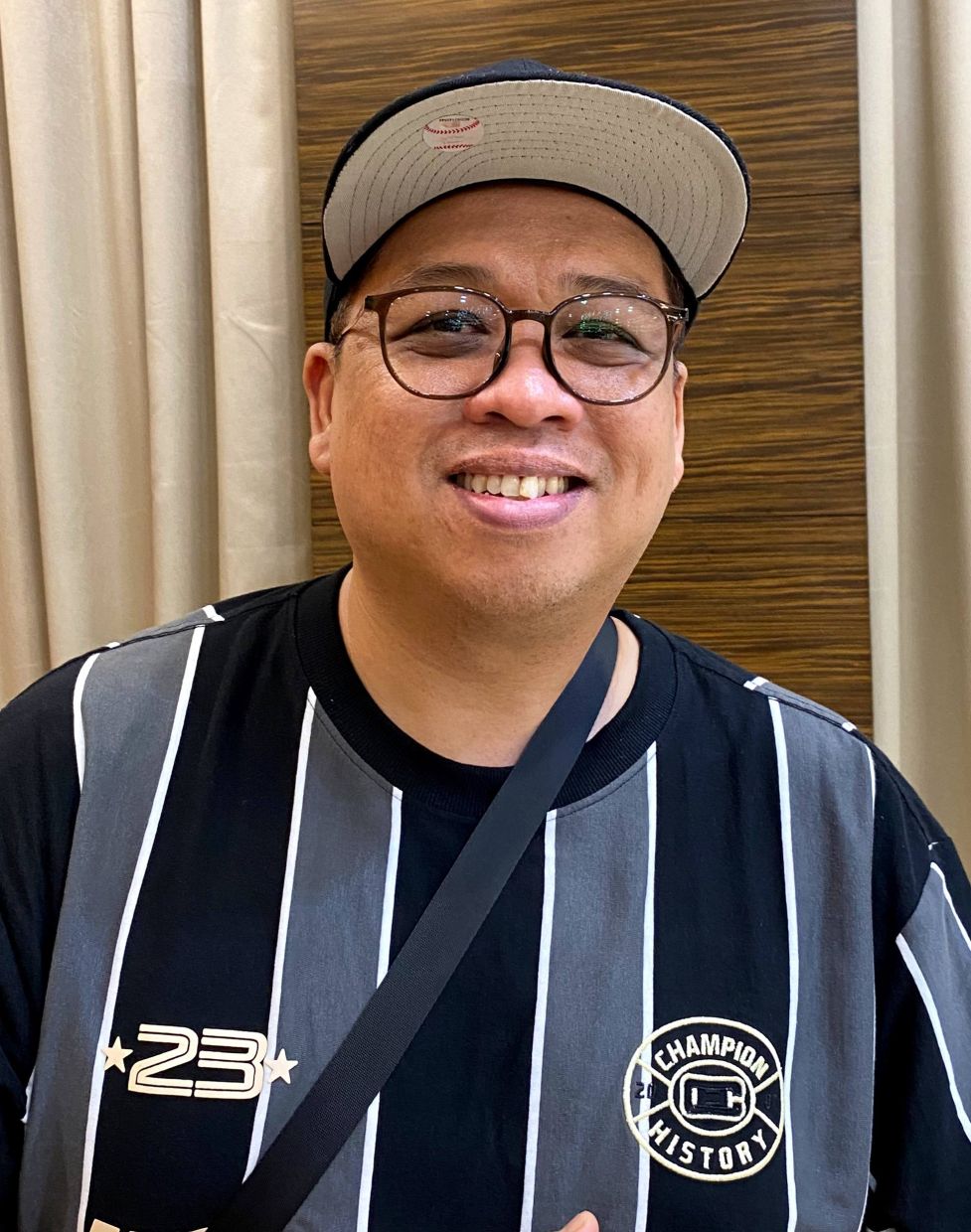
“In Kelantan, we kecek Kelate. When you speak Kelantanese, you feel closer to people.
“Sometimes, when you meet an Indian or Chinese person, they speak Kelantanese with an even thicker accent than we do,” he says. — Sinar Harian/MIA



