




ACROSS Sabah and Sarawak, Malaysians speak with pride and affection about their heritage, urging that languages, traditions and customs be kept alive not only in classrooms and festivals, but also in homes, conversations and daily life.

Krysanthe Erica Albert, a Kadazan-Dusun, says the community’s language and culture can be safeguarded by making indigenous languages an elective in schools, encouraging more conversations in Kadazan, Dusun, Murut and Rungus, and increasing television, radio, social media and awareness programmes that promote Kadazan-Dusun culture.
“Parents can also play an important role by speaking the language at home and encouraging their children to learn more about their culture, so that the language and traditions are not lost over time,” says the 23-year-old sales associate.
She also suggests that schools and shopping malls display words and phrases from different ethnic languages on their walls for students and patrons to see.
“This would allow students and members of the public to become familiar with simple words such as ‘izou’, which means ‘me’, and ‘iziau’, which means ‘you’. Event organisers can also hold more ethnic-themed programmes throughout the year, instead of limiting them to the Kaamatan season, to create greater awareness and appreciation of our diverse cultures.
“Most importantly, these efforts should be carried out in good faith, with the intention of bringing people from different backgrounds together rather than finding fault with one another or creating tension and division.”

A 16-year-old student, Ahmad Albab Bainan Najal, a Suluk, says people should always be proud of their identity and ethnic background.
“Although we may not always be able to use our ethnic languages at school or when speaking with friends from different backgrounds, I believe the Suluk language should still be used in daily conversations at home among family members.
“As a student, I also make an effort to ask the elders in my family about our culture and customs, especially those related to weddings and other traditions.”

He says knowing, understanding, remembering and even promoting his own ethnic culture does not make him any less Malaysian.
“I am proud to be Malaysian and I respect other Malaysians from different ethnic and religious backgrounds. I am also proud to say that in Sabah, respecting people regardless of their religion, race or ethnicity has never been a problem for us.”
Mariati Bebe, 53, an Orang Sungai from Sabah, says passing ethnic language, traditions and cultural knowledge to the younger generation remains crucial.
“These should be taught to young people, and parents also have an important role in learning about their own heritage and passing that knowledge on to their children.
“As a member of the Sungai community, which is not one of the major ethnic groups in Malaysia or even in Sabah, I believe it is even more important for us to preserve our traditions and culture because they are an important part of our identity,” says the school teacher.;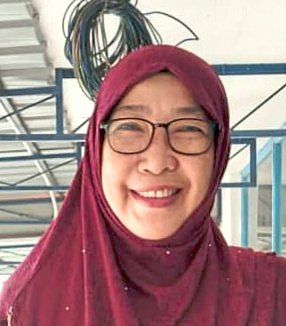
Aliza Alawi, 32, a Bajau, says people should continue to foster mutual respect by understanding the beliefs, traditions and cultures of other communities in the country.
“If the spirit of mutual respect and tolerance continues to be nurtured, our traditions can be preserved while the harmony of the country is maintained,” says the freelancer.

For Diana Daniel, from the Lun Bawang ethnic group in Sarawak, language is an important way for people to learn to love their culture and roots.
“Language is a very important part of that. Language is more than just words. Different languages have different ways of expressing things. There is a certain tone, rhythm and even soul to a language that you can only appreciate when you actually speak it.”
Nevertheless, she admits that preserving the language can be a daunting endeavour.
“Honestly, preserving our language today is difficult. We are more urbanised. We use English and Malay every day. Some can’t even string together a proper Lun Bawang sentence. Many Lun Bawang parents speak English or Malay with their children too.
“So naturally, the younger generation may use less and less of their mother tongue.”
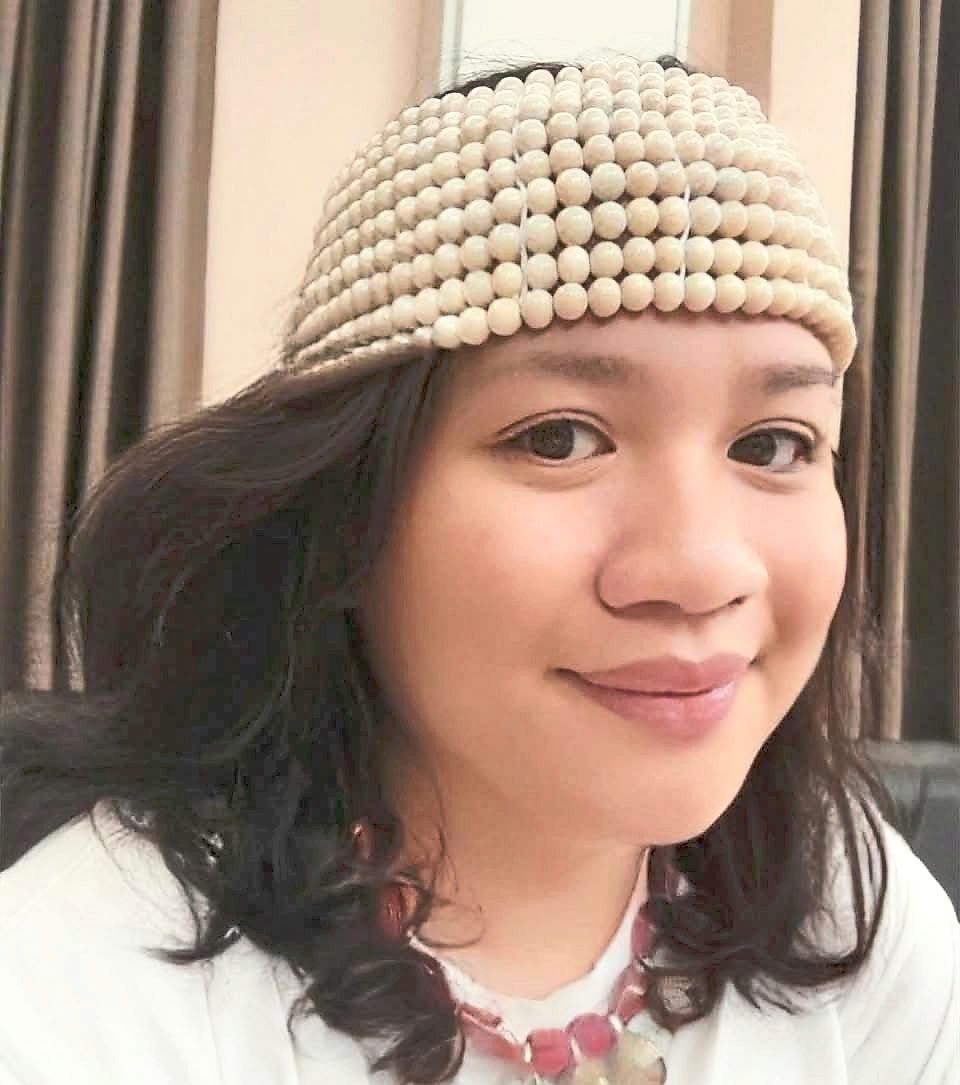
Hence, she says deliberate measures are needed to inculcate greater cultural appreciation.
“That’s why I think we have to be very intentional about it. If speaking Lun Bawang is no longer a habit, then we have to make it so again. If we stop using the Lun Bawang language, eventually we may lose it.
“We need to use it at home, sing more Lun Bawang songs, read the translated Lun Bawang Bible, read Lun Bawang poetry, fables and folklore. Maybe our native language doesn’t always seem necessary in modern everyday life. But it becomes important when we want to connect with our people.”
Meanwhile, Rona Bulan Trang, a Kelabit, says those who have become detached from their cultural identity can reconnect by returning to the lands of their forefathers, getting to know the people and landscape, immersing themselves in the culture and daily conversations, and bonding with family.
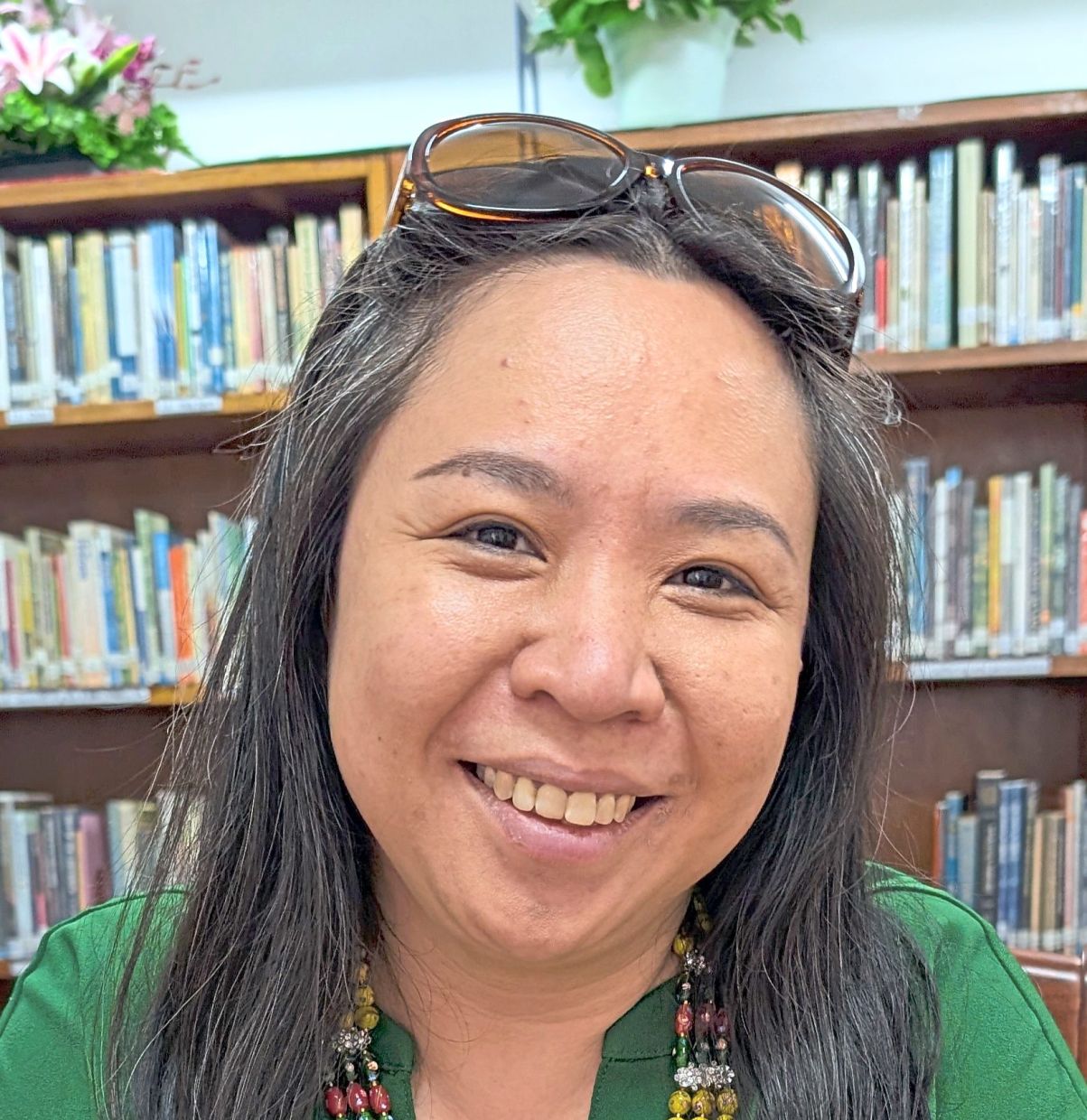
“They say it takes a village to raise a child. One cannot teach a child without the active participation of the village.
“If you don’t have that luxury, find your own village wherever you are.
“Instil appreciation not only in your own culture but also others’ to foster mutual respect for one another. This way we strengthen and enrich our cultural landscape.”



