
MAKE sure it is done properly — this was the response to news that a new aquatic complex will be built in the capital city.
An Olympian, swim school teachers and aquatic educators StarMetro spoke to said a shiny new complex would mean nothing if weak management, poor maintenance and limited access were to continue.
They were commenting on Kuala Lumpur City Hall’s (DBKL) plan to demolish the ageing Kompleks Renang Kuala Lumpur and replace it with a RM50mil facility.
ALSO READ: New aquatic centre in KL set for 2030
Experts said Kuala Lumpur’s pool problems stemmed less from size than from stewardship, ageing facilities, inconsistent upkeep, restrictive access, weak governance and designs that overlooked seniors, disabled users and schoolchildren.
Across the board, they agreed the rebuild was a rare chance to reset the ecosystem: build it well, run it properly and treat swimming as a right that should be enjoyed by all, not a privilege.
“Kuala Lumpur’s public pools can support national training, but we need more of them and stronger management.
“A modern complex should have certified 50m pools, dryland training, a diving pool and proper spectator areas.
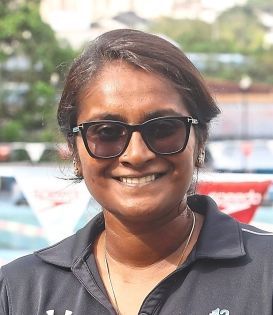
“Most importantly, it must stay open for everyone – athletes, seniors, schoolchildren and the wider community,” said Kuala Lumpur head coach Daniel Bego.
Bego, who competed in the 2008 Summer Olympics in Beijing, added that the new complex must be managed by the right people and not monopolised by any single club or entity.
Swimin12 chief executive officer Darshini Balakrishnan, said if DBKL wanted the new complex to serve Malaysians, openness and accountability were needed.
“Swimming is not a privilege; it is a life skill every child deserves.
“With trained educators, inclusive design and community-focused programmes, we can finally create a water-safe generation.”
Darshini, who is also a psychologist and educator, said the new complex was DBKL’s chance to raise the bar.
“With transparent management, fair opportunities for operators and leases tied to real performance, alongside proper accessibility and qualified coaches, we can finally build a facility that truly serves the community,” she said.
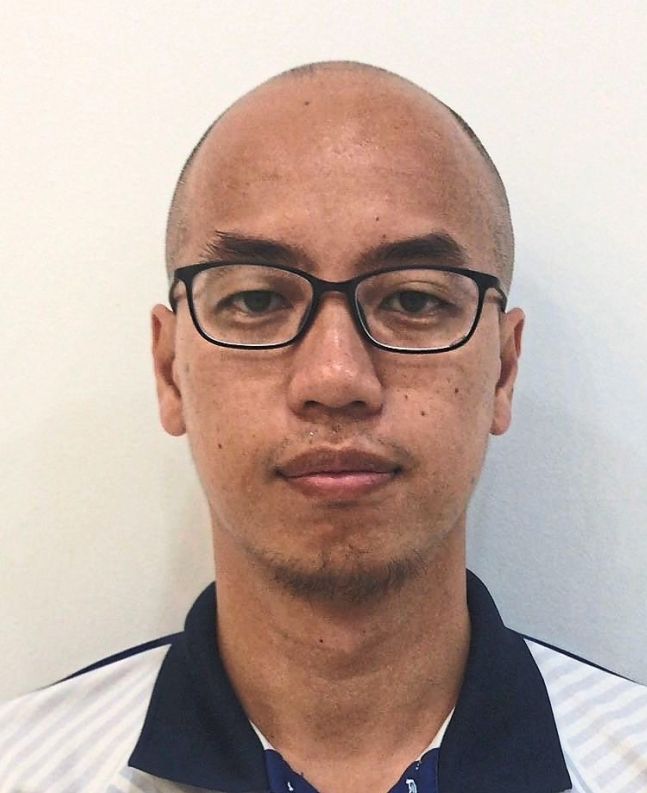
Swimming Teachers’ Association Malaysia (STAM) president Wong Foong Inn said accessibility remained the biggest challenge for Kuala Lumpur’s public pools.
Most facilities, he noted, are still not friendly for disabled users, seniors or anyone needing aqua rehabilitation.
“There are still no public pools that truly cater to people with disabilities or those with physical challenges.
“Proper step entries, safe depths and inclusive design are missing,” he said.
Wong stressed that hard- ware alone would not fix the problem.
What Malaysia needs most is a strong foundation of qualified aquatic educators.
“Well-trained aquatic educators are essential.
“Aquatic education done right, that has been my mantra for over 30 years,” he said, adding that true water safety must start from the grassroots, beginning in schools and supported by proper training programmes.
Swimin12 founder Yeap Eu Juan said many public pools in Kuala Lumpur ended up abandoned or underutilised because management could not keep up with rising maintenance costs, ranging from chlorine to safety equipment.
He said tenders were often issued without transparency, making it difficult for capable operators to enter or remain in the system.
“Even successful operators can lose everything overnight when leases are taken away or tender prices jump.
“It discourages long-term development,” he said.
Yeap stressed that modern aquatic complexes must be supported by long-term budgets and proper systems, not just upgraded pools.
“This includes moveable floors, systematic water testing, modern showers and lockers, digital timing systems, multipurpose rooms and dedicated land-training areas,” he said.
He added that commercial elements such as physiotherapy services or food and beverage outlets could help operators sustain maintenance costs.
“These are not luxuries; they are necessities if we want to run a proper, modern aquatic ecosystem,” said Yeap, who founded the swimming school, which has branches across several states, in 2009. — By BAVANI M