
Several areas in Johor are expected to experience rainfall deficits of up to 60% from June, placing the state at high risk of drought.
State works, transportation, infrastructure and communications committee chairman Mohamad Fazli Mohamad Salleh said the projection was based on the Standardised Precipitation Index report by the Malaysian Meteorological Department.
He said the prolonged dry spell was expected to affect parts of the west coast and southern Peninsular Malaysia, including Johor, particularly in July and August.
“The impact of the drought is being felt in areas such as Lok Heng, where the main raw water source at Sungai Ulu Sedili Kecil has reached critical levels, affecting about 4,037 consumer accounts,” he said during the state assembly sitting at Bangunan Sultan Ismail in Kota Iskandar.
He said this in his reply to Norlizah Noh (BN-Johor Lama) and Muszaide Makmor (BN-Sedili) when asked about measures taken by the state government to address water supply issues in their respective constituencies.
Fazli said the state government and operator Ranhill SAJ had taken proactive steps to ensure continued water supply.
“These include deploying water tankers, placing static water tanks in key areas, distributing 10,000 bottles of mineral water and carrying out cloud-seeding operations with National Disaster Management Agency (Nadma).”
He said several short-term projects had been implemented to improve water supply resilience in Lok Heng, including upgrading the water treatment plant, constructing tube wells and installing pumping systems to channel groundwater.
“Among the latest measures is the relocation of a desalination plant from Forest City to Lok Heng, which became fully operational on April 23 with a capacity of two million litres per day.
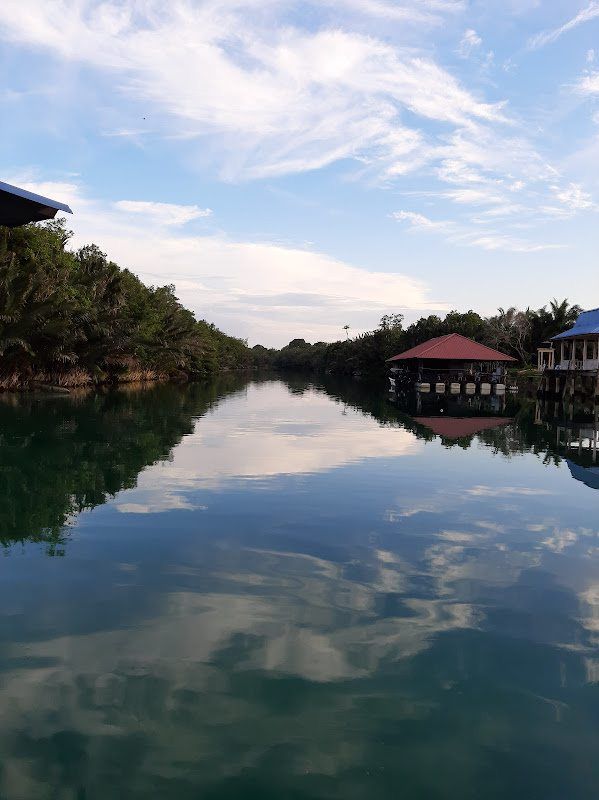
“This allows saline water from Sungai Lukah, which can no longer be treated through conventional methods due to prolonged drought, to be processed and supplied to affected areas.”
Fazli said although efforts to channel water from Sungai Lukah to Sungai Ulu Sedili Kecil had previously increased capacity, the river water had since turned saline and was unsuitable for treatment.
He said the desalination plant was now a permanent asset at the Lok Heng water-treatment facility and was supplying treated water.
For the long term, he said Ranhill SAJ had proposed channelling water from the Sungai Lebam water treatment plant to Lok Heng.
Fazli said that current demand in the Lok Heng and Waha areas stood at about 5.9 million litres per hour under normal conditions, rising to 7.6 million litres per hour during peak periods.
“The proposed project involves building a pumping station near Bandar Penawar and installing a 19km pipeline, at an estimated cost of RM40mil.”
He said the final design and cost would be determined following detailed engineering studies to be carried out soon.