WITH annual rainfall in the capital now routinely surpassing historical flood pond design capacities, Kuala Lumpur is racing to build climate resilience.
Minister in the Prime Minister’s Department (Federal Territories) Hannah Yeoh said that besides making Kuala Lumpur a “sponge city” and increasing on-site detention (OSD) ponds, the government was considering incentives to encourage developers to incorporate green spaces into redevelopment projects.

“For example, if redevelopment sites include a large park, we may allow a higher plot ratio in return.
“We are looking at this kind of incentive to encourage the creation of green space in the city,” she told StarMetro in an exclusive interview.
According to Yeoh, publishing Green Area Records online and establishing a Special Task Force by the Federal Territories Department (JWP) to gazette open and green spaces are the ultimate preventive tools.
“By gazetting these areas, the city preserves its natural ‘sponge’ capacity,” she said.
As of mid-April 2026, 45 green and open spaces have been gazetted, bringing the total number of protected areas to 539.
As for OSD ponds, Yeoh said authorities were getting creative with spaces to catch rainwater where it fell.
“For example, the OSD ponds can be constructed underground, such as the ones at Perdana Botanical Garden and also Padang Merbok.
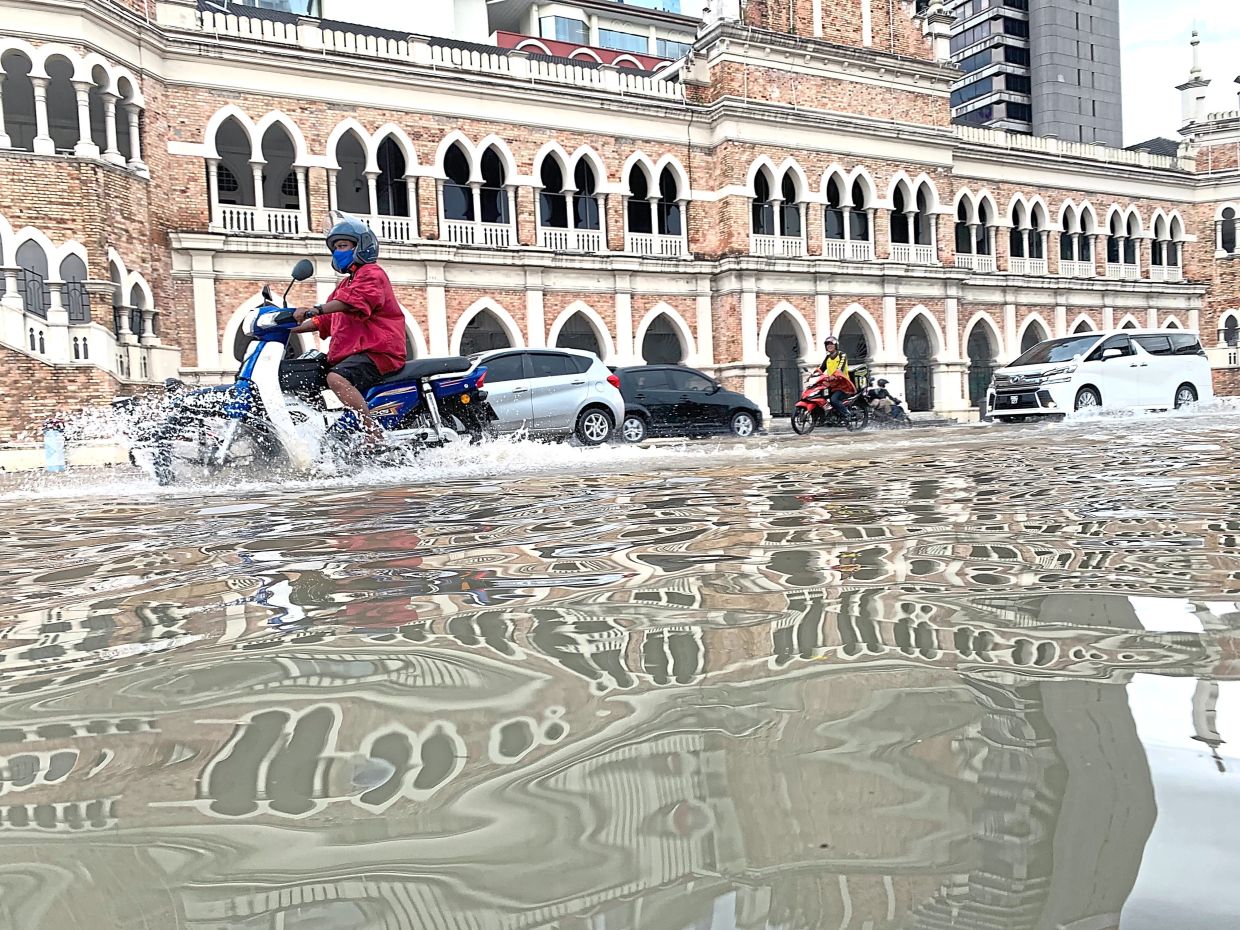
“DBKL is also identifying OSD sites at Kampung Bukit Lanjan following a landslide last month, as well as a site near the Bangunan Sultan Abdul Samad.
“The government has spent so much on rejuvenating the building; the last thing you want is for it to experience flooding,” she said.
She added that the Drainage and Irrigation Department (DID) and DBKL were constantly identifying new sites under the Environmentally Friendly Drainage Master Plan (Pisma).
Unlike retention ponds, which permanently hold water, OSD ponds are designed to dry out between storms.
Climate change resilience
According to DID statistics, historical annual rainfall averaged between 2,500mm and 2,900mm. However, an upward trend was detected from 2019 to 2024, where annual rainfall routinely surpassed 3,000mm.
Yeoh said that based on the increased rainfall, Kuala Lumpur needed to become resilient to climate change.
“The existing infrastructure was designed for historical rainfall patterns, and the intense rainfall we are experiencing now means that traditional capacity is being overstretched.
“That means we should start building infrastructure with greater capacity.
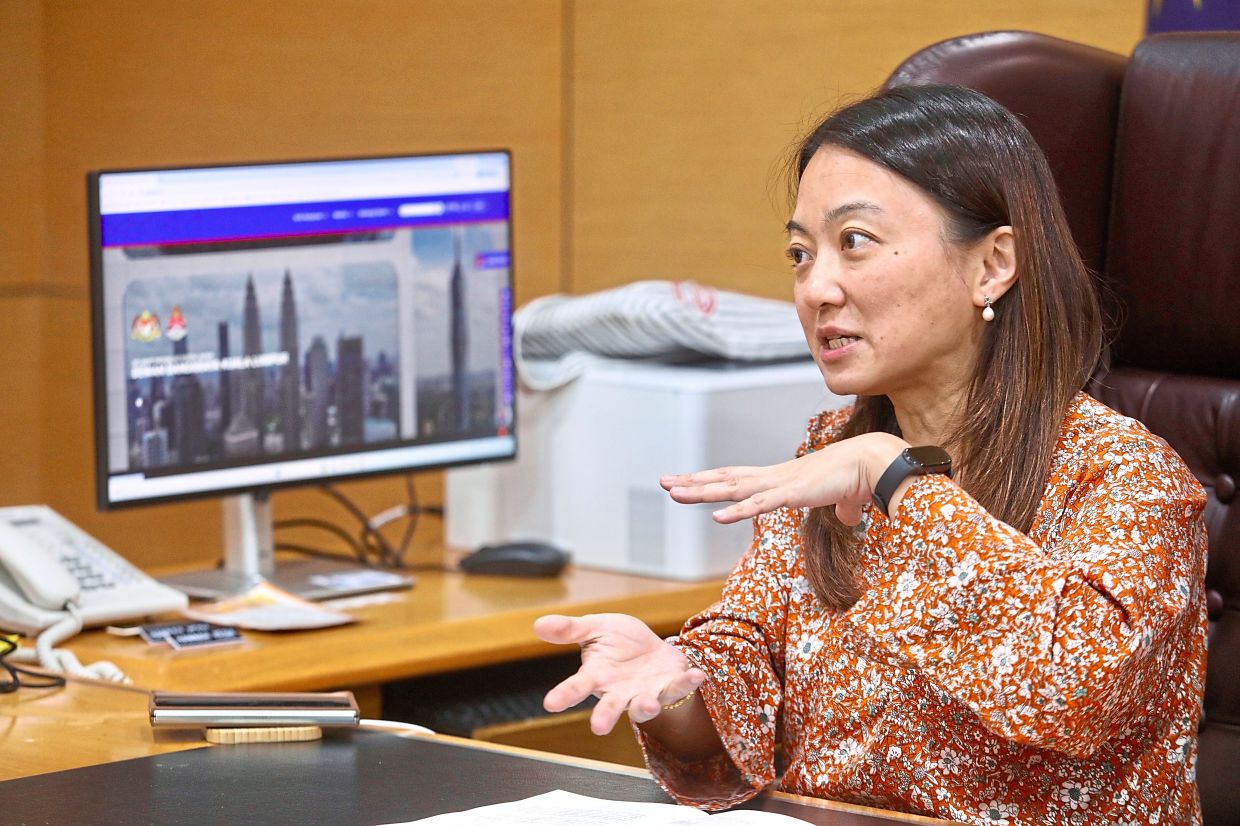
“A comprehensive review is underway to upgrade the Average Recurrence Interval (ARI) standards in the city,” she said.
Flood preparedness, said Yeoh, also involved the community.
“We are improving our ‘last-mile’ warning systems so that residents in low-lying areas receive alerts directly on their handphones, giving them critical time to relocate.
“We believe in a whole-of-society approach and are enhancing our coordination with Residents Representative Councils (MPP) to ensure they are equipped with emergency protocols,” she added.
Sustainable development
On May 12, Yeoh announced that DBKL would not approve Planning Permission for any development on retention pond land until the DID’s specific conditions were met.
She was referring to the Jinjang and Batu flood retention ponds, where 70% of the land area within the water body zones – totalling 17 land lots – has been alienated to developers since 2015.
This reduced the ponds’ capacity to 34.35ha compared with their original size of 114.5ha, severely impacting their original function and maintenance.
“Land indefeasibility means that once the government grants ownership to a landowner, we must respect the landowner’s rights to develop that land.
“But the Kuala Lumpur mayor can impose conditions so that developers wishing to develop the land must fulfil DID technical conditions,” said Yeoh.
“With the DBKL One-Stop Centre Portal now open to the public, urban planning information is transparent.
“This ensures that new approvals are not granted unless the developer can guarantee their OSD systems can manage 100% of their site’s runoff without stressing the city’s existing downstream drains,” she said.
“When developments pose significant risks, the JWP Special Task Force serves as the final authority for long-term review.
“Instead of just building bigger pipes, the city is preserving its natural sponges to absorb water at the source, preventing it from reaching the downstream drainage system,” she elaborated.
Slope management
On April 18, a downpour resulted in mudfloods along Jalan Abang Haji Openg near an
ongoing National Landscape Department (JLN) project in Taman Tun Dr Ismail (TTDI).
According to Yeoh, the primary failure was the contractor’s neglect in maintaining the Erosion and Sediment Control Plan (ESCP), causing existing silt traps and sedimentation ponds to overflow.
“The frequency of physical site audits by the developer’s appointed consultants was insufficient to catch the deteriorating condition of the silt traps before the mudflood occurred.
“DBKL has now shifted from periodic audits to 24/7 on-site command stations at high-risk slopes,” she explained.
Yeoh said this “zero-tolerance” approach served as the new benchmark for all contractors working on hillside projects in Kuala Lumpur.
“The Bukit Kiara flash flood has given DBKL a very important lesson and forced a review of their current standard operating procedure (SOP).
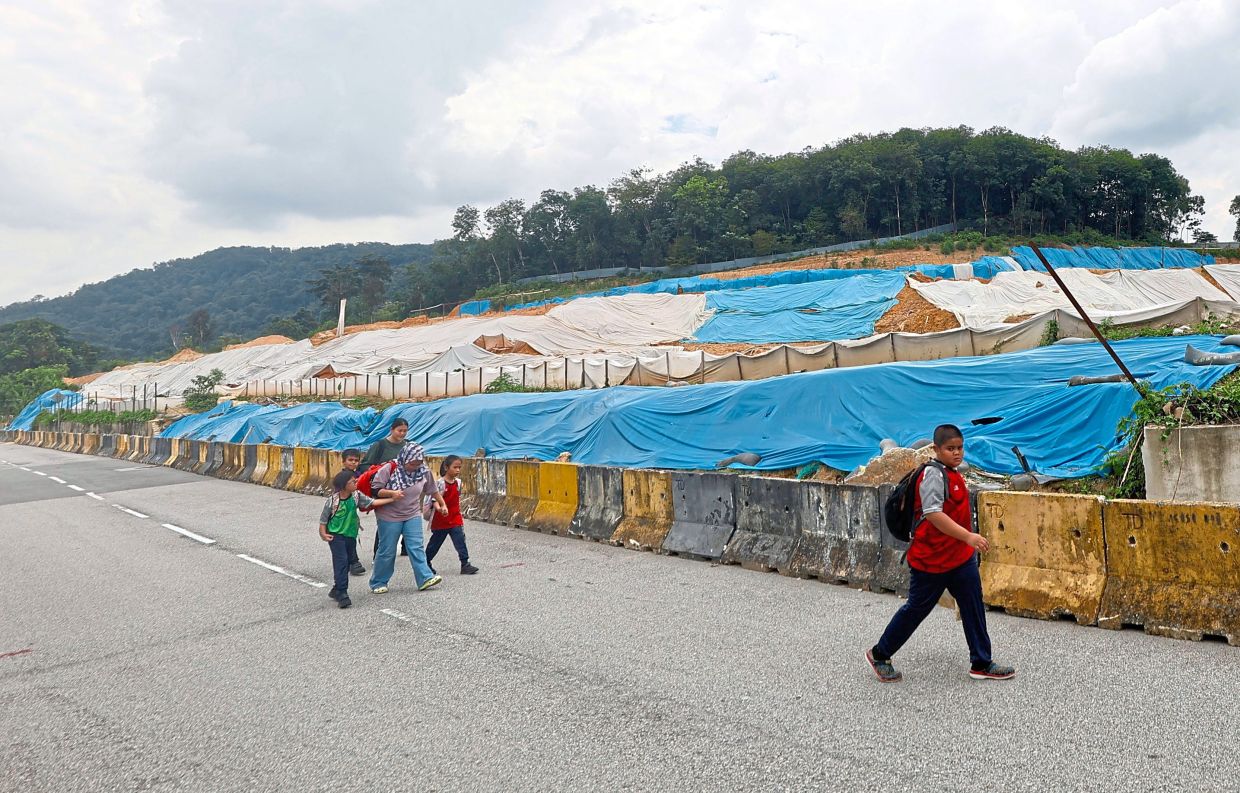
“DBKL has issued a new directive prohibiting developers from clearing large areas of sloped land simultaneously.
“Instead, earthworks must be conducted in manageable phases, ensuring that a functional drainage system is in place for every cleared section to handle unexpected downpours.
“This also led to the announcement of a 300m buffer zone to be created at the front of Bukit Kiara,” the minister added.
Kuala Lumpur mayor Datuk Seri Fadlun Mak Ujud said during a press conference on May 12 that settlement markers would be installed at 1,120 slope areas across Kuala Lumpur.
Enhancing maintenance
This year, DBKL allocated RM84,599,600 for its flood mitigation programme.
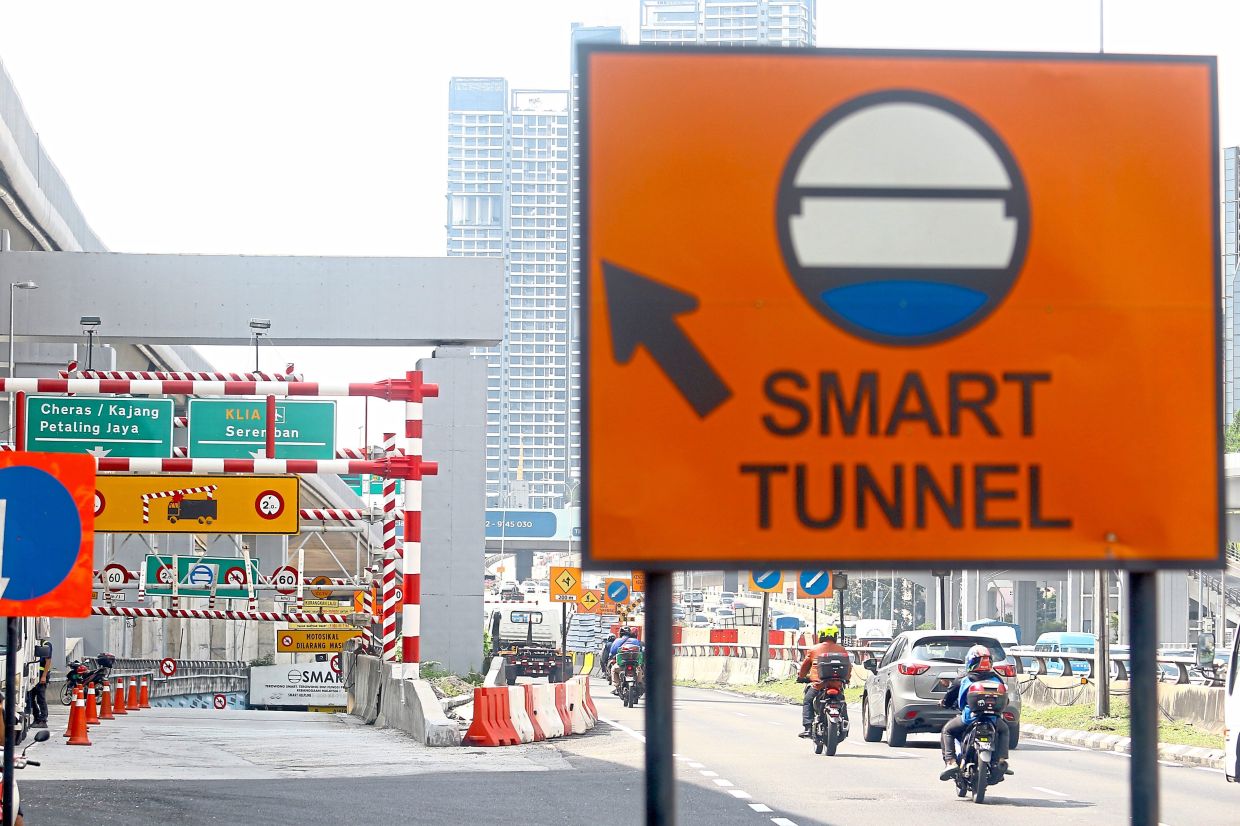
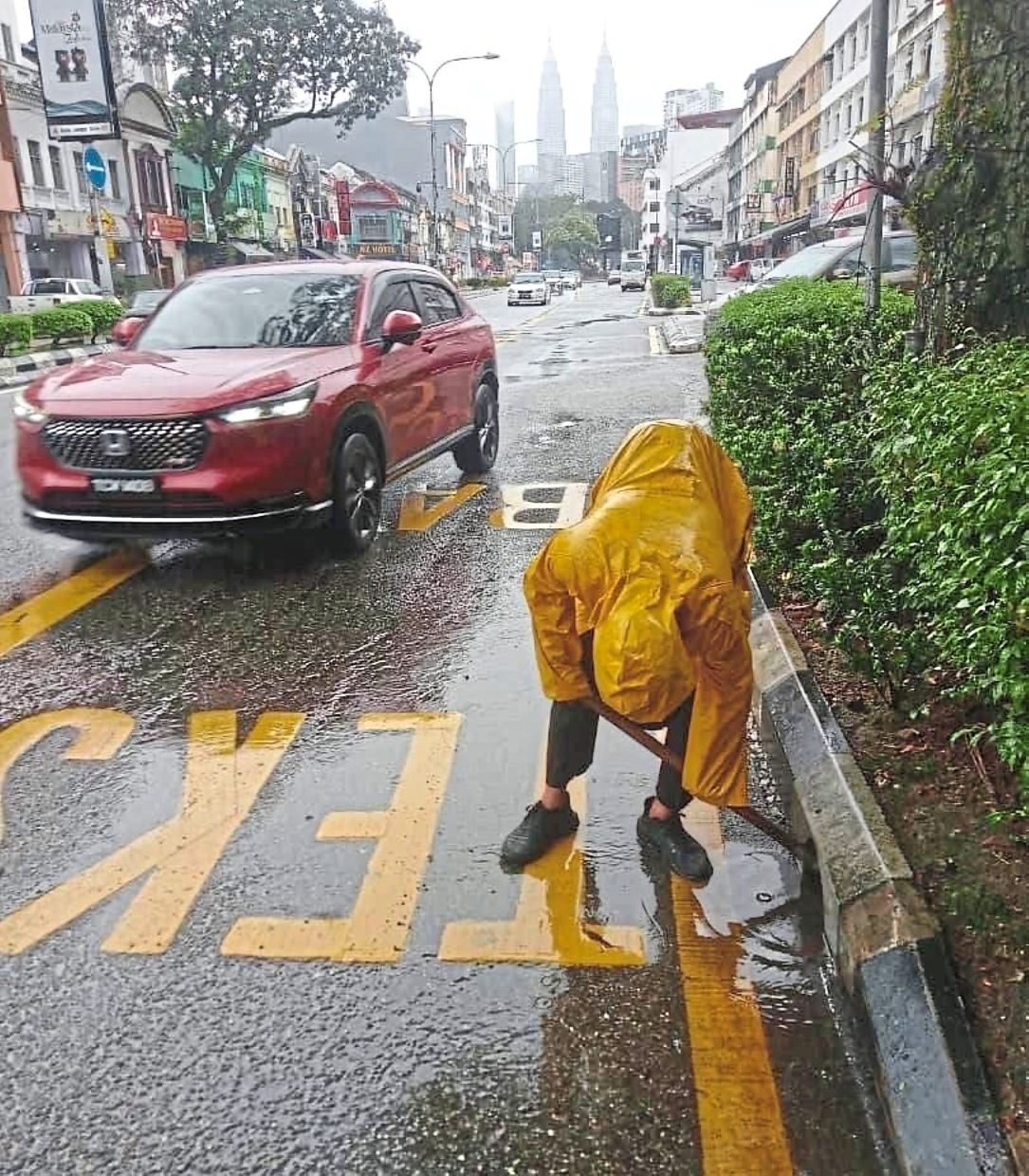
While the city possesses advanced assets like the Stormwater Management And Road Tunnel (SMART), Yeoh noted that the primary gap laid in the “maintenance culture”.
“Infrastructure like silt traps and drainage systems must be serviced proactively.
“In JWP’s Strategic Cooperation with the Housing and Local Government Ministry (KPKT), we have allocated RM5mil to maintain and upgrade flood retention ponds under DBKL,” she said.
She also stated that the authorities were fast-tracking long-term structural projects, such as underground storage and major pond upgrades, for completion within 12 to 24 months.
“We have initiated immediate upgrades to water pump stations and the construction of bunds in high-risk areas.
“The public can see immediate results in the increased frequency of desilting works at the 25 identified flood hotspots in Kuala Lumpur,” she added.
Yeoh said that a robust accountability framework providing checks and balances was in place to ensure contractors who did not fulfil safety standards were held strictly liable for environmental safety.
“Any contractor who repeatedly fails to protect surrounding communities from sediment risks will face blacklisting and forfeit their right to operate within the city.
“We also collaborate with the Malaysia Competition Commission (MyCC) to combat tender cartels.
“This ensures that only technically competent and financially stable contractors – those capable of maintaining high-quality siltation control – are awarded key infrastructure projects,” she stressed.
A shift from financial penalties to operational consequences has also proven more effective in enforcing compliance among major developers, Yeoh noted.
“As seen in the recent Kiara incident, the most effective penalty is an immediate Stop-Work Order.
“But at the same time, we have the additional burden of the Middle East conflict and how that is affecting existing contracts for projects that have been tendered out.
“So, we have to be very careful to make sure that these do not become abandoned projects, or else the government will need to find new contractors to take them on,” she said.
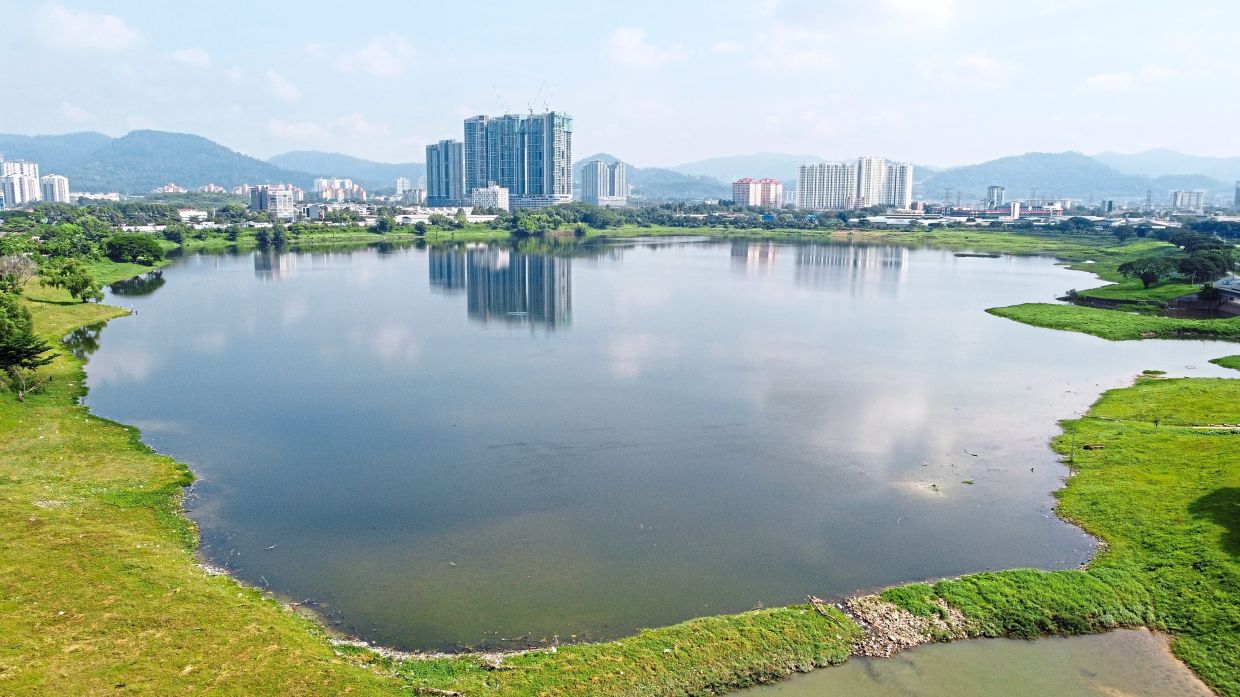
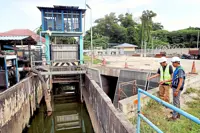
Retention and detention ponds, including the Batu pond in Kuala Lumpur (above), are part of vital water management systems to prevent floods. — Filepic
While KL has assets like the Stormwater Management And Road Tunnel (SMART), the primary gap lies in its maintenance culture. — Filepic
Yeoh says contractors who fail to protect surrounding communities from sediment run the risk of being blacklisted.
DBKL is also identifying an on-site detention (OSD) pond near Bangunan Sultan Abdul Samad to protect the historic building from future floods. — Filepic
Developers are no longer allowed to clear large areas of sloped land all at once, following the Bukit Kiara flash flood.
According to the Drainage and Irrigation Department, an upward trend in rainfall, routinely exceeding 3,000mm, was recorded in Kuala Lumpur from 2019 to 2024. — File photo