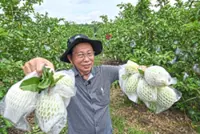
AFTER struggling financially as a contractor since 1984, Lee Lee Chong ventured into agriculture seven years ago.
Although he faced a few setbacks, he eventually found success in guava farming in Tapah, Perak – a business that is now generating impressive returns for him.
“In the contracting business, you are bound by agreements. Whether you make a profit or not, you still have to carry on.
“So I thought agriculture might be more suitable for me as it offered a better opportunity to reduce debt risk and achieve faster cash flow, as the monthly sales revenue was around RM80,000 to RM100,000,” said the 64-year-old.
But success did not come easily.
His first project of growing pandan coconuts was ruined by coconut rhinoceros beetles and resulted in a loss of nearly RM60,000.
His attempt at growing 10,000 papaya trees also failed due to unsuitable soil.
“In 2019, a Taiwanese acquaintance introduced me to the Pearl guava which stands out with its superior taste and texture,” he told Bernama at his Erawish Agriculture Sdn Bhd farm in Tapah, Perak.
The crisp, white-fleshed Pearl guava has fewer seeds and is exceptionally sweet.
The Bercham entrepreneur said his success with Pearl guavas led to other achievements with premium varieties like the Lohan, Ruby Pink and Watermelon Pink guavas.
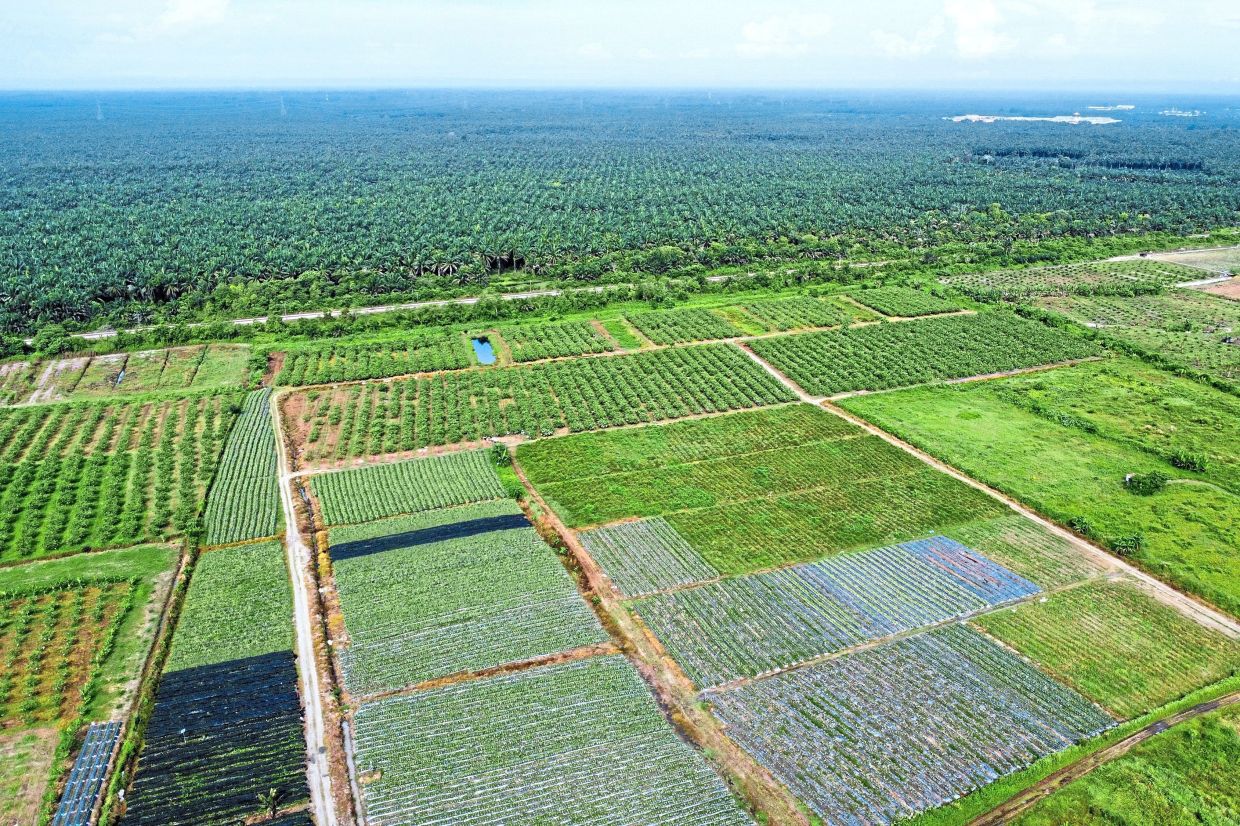
Lee, who runs the 40.5ha farm with three partners and also grows pineapples, said it was all made possible with support and training from government agencies such as the Malaysian Pineapple Industry Board (LPNM) and Perak State Agricultural Development Corporation (PPPNP).
“We currently have about 5,000 guava trees of various varieties.
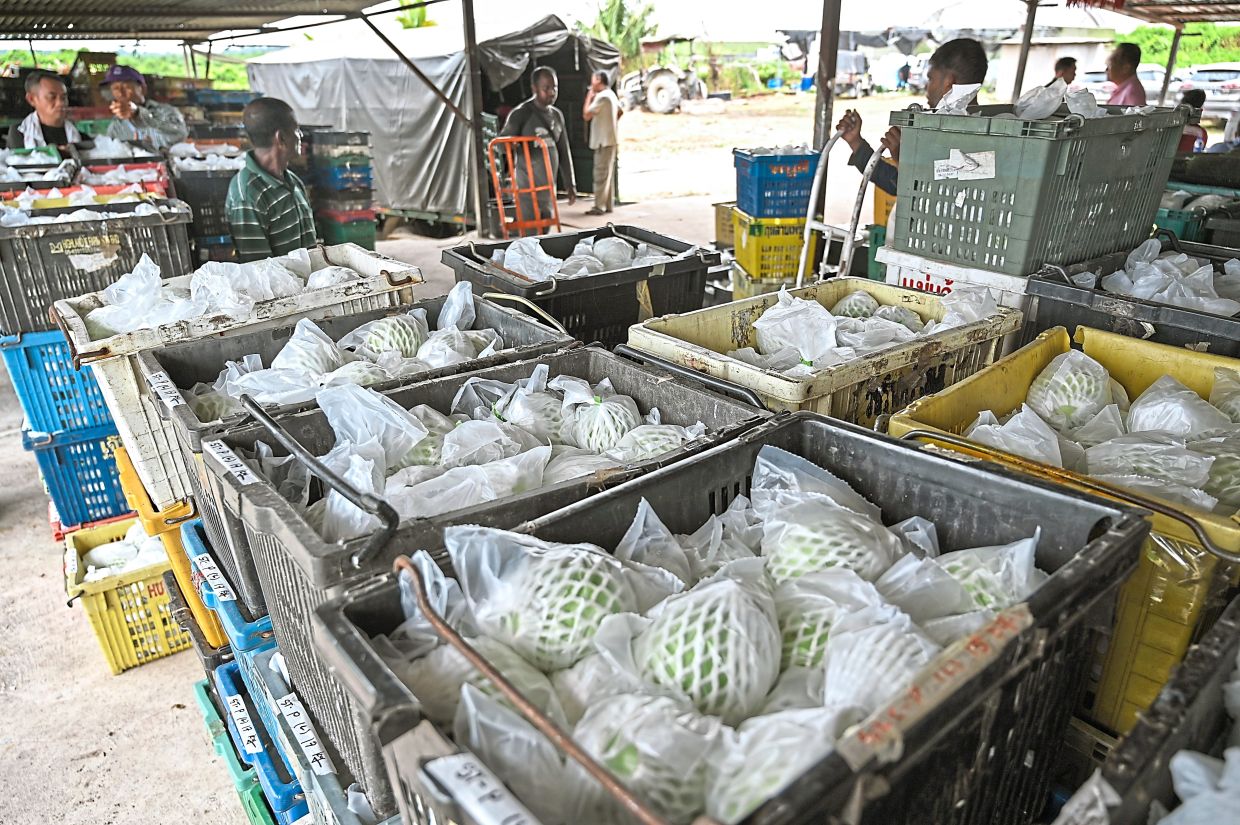
“Our farm-to-market approach has contributed positively to fruit production, with eight to 10 tonnes per week.
“If this momentum continues, we can achieve 15 tonnes per harvest in the future.”
The father-of-three added that demand for guavas had surged, particularly from five-star hotels, premium supermarkets, and wholesalers in Kuala Lumpur.
Aiming to become a major supplier, Lee said Pearl guava cultivation was especially appealing to him.
He received an interest-free loan of RM100,000 from PPPNP to strengthen crop production and RM250,000 from LPNM for a night farming project complete with solar and Internet of Things (IoT) systems.
The technology helps monitor temperature, pH and humidity to enhance quality and productivity from his 350,000 pineapple plants.
“With strong yields and solid market demand, the farm has now become a pineapple seedling supplier to the LPNM and can produce around 15,000 seedlings per month based on industry demand.
“We also optimise production through a three-tier system involving the fruit, suckers and agricultural waste, key components in pineapple plant management to maximise yields,” he said.
Although the farm’s current focus is fruit sales, Lee said there was potential in downstream products such as guava juice to minimise wastage.
“At present, around one tonne of fruit each week cannot be sold due to minor defects, but these can still be processed into other products to maximise profit,” he said.
He added that rising material costs as well as disease risks were among the industry’s main challenges.