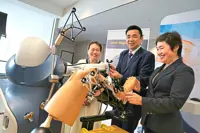
‘Minimally invasive surgery involves small incisions, high-def cameras’
Civil servant Sulaiman Hamzah, 48, leads an active lifestyle.
Despite living with high cholesterol and hypertension, he cycled, played volleyball, badminton and futsal.
The father-of-six from Kedah, now based in Kelantan, never imagined he had serious heart disease until he suffered a heart attack while climbing Bukit Keluang, Terengganu, in February 2022.
A second heart attack followed eight months later.
“When I was told I needed bypass surgery, I was terrified.
“I wanted to know if there was another option.”
He then sought a second opinion from Prof Datuk Dr Abu Yamin Khamis and underwent minimally invasive coronary artery bypass surgery at Hospital Pulau Pinang on Oct 26, 2022.
Sulaiman was discharged on the fifth postoperative day, and returned to work within a month.
Last year, he fulfilled a dream he once thought was impossible – reaching the summit of Mount Kinabalu in Sabah.
According to Prof Abu Yamin, who is now consultant cardiothoracic surgeon at Northern Heart Hospital Penang, minimally invasive cardiac surgery is performed through one or several small incisions between the ribs using specialised instruments and high-definition cameras.
“This eliminates the need to divide the breastbone that is done in conventional open-heart surgery.
“Depending on the patient’s condition, this approach results in smaller scars, less postoperative pain, a lower risk of infection, reduced blood loss, shorter hospital stays and faster recovery, while delivering surgical outcomes comparable to conventional surgery,” said the surgeon.
He said patients undergoing conventional bypass surgery typically spent seven to eight days in hospital, including two to three days in the ICU.
“Because the breastbone is divided during surgery, patients often experience pain and discomfort when coughing, sneezing, getting out of bed, lifting objects or even changing position.
“The breastbone generally requires eight to 12 weeks to heal, with full recovery taking up to six months.
“By comparison, patients undergoing minimally invasive heart surgery experience significantly less pain and greater freedom of movement during recovery.
“Most regain more than 80% of their functional capacity within six weeks,” he said, citing data from the United Kingdom.
Once reserved for carefully selected patients, minimally invasive cardiac surgery has today evolved into a standard approach for many heart conditions, thanks to advances in surgical techniques, imaging technology and specialised instruments, he added.
According to Prof Abu Yamin, up to 80% of heart operations today can be performed using minimally invasive techniques such as coronary artery bypass surgery, heart valve repair or replacement, combined multiple cardiac surgical procedures, surgery for cardiac rhythm disorders (arrhythmias) and others.
“The acceptance of minimally invasive cardiac surgery has grown significantly over the past five years, with about 700 to 800 minimally invasive coronary artery bypass procedures and 300 to 400 minimally invasive valve surgeries being performed nationwide each year,” he said.
“Another major advantage is the significant reduction in blood transfusion requirements.
“Conventional heart surgery generally requires about four pints of blood to be prepared for every patient.”
The lower transfusion rate benefitted patients by reducing transfusion-related risks while helping conserve precious blood supplies for hospitals facing ongoing blood shortages, he said.
“Patients also follow an Enhanced Recovery After Surgery (Eras) programme, with most removed from ventilators within six hours, walking within 16 to 18 hours and discharged by the fourth postoperative day.”
Prof Abu Yamin said between 70% and 80% of patients undergoing minimally invasive cardiac surgery at the hospital were international patients with most of them fit to travel home within 10 days of surgery.
“This is one reason minimally invasive cardiac surgery continues to gain popularity, particularly as Penang strengthens its reputation as a leading destination for medical tourism,” he added.
One of Malaysia’s pioneers in minimally invasive cardiac surgery, Prof Abu Yamin has spent more than two decades refining techniques that allow increasingly complex heart operations to be performed through small incisions.