
For Rythm Foundation chairperson Datin Seri Umayal Eswaran, giving is neither seasonal nor symbolic. It's a lifelong philosophy shaped by displacement, motherhood and more than two decades of community work across Malaysia and beyond. She describes it as "a quiet commitment to show up, especially when no one is watching".
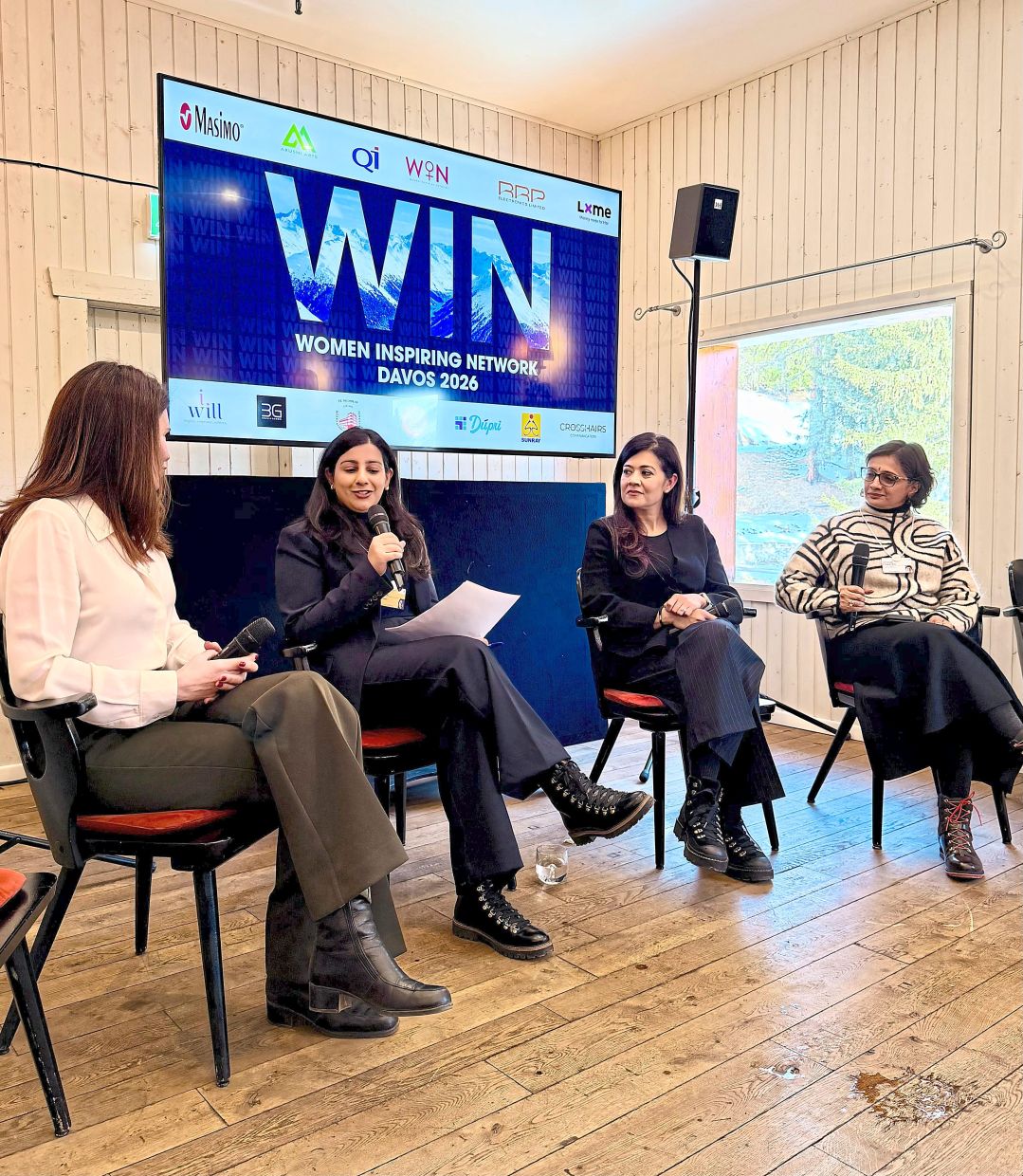
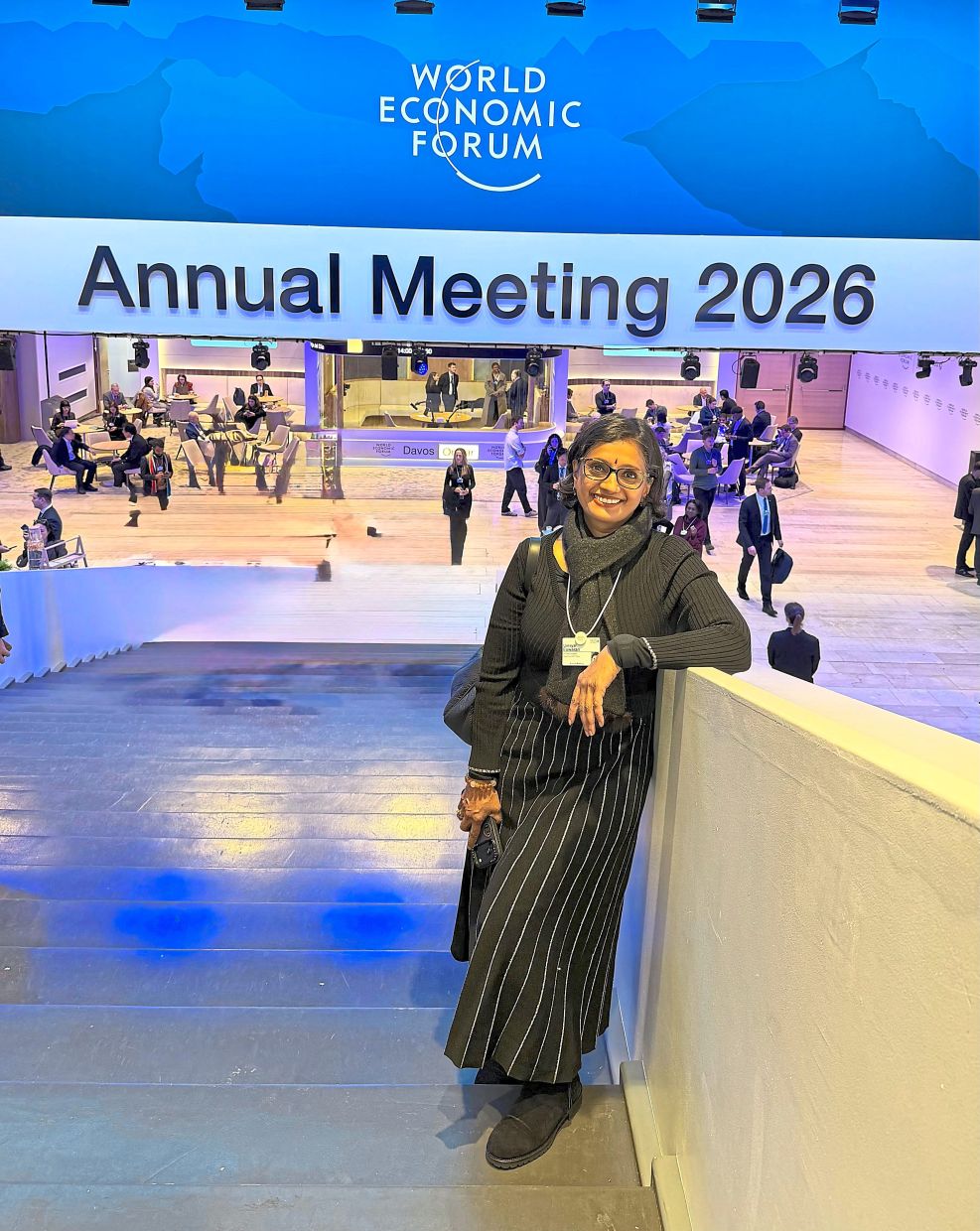
At the #WINLounge by Women Inspiring Network during the World Economic Forum Annual Meeting 2026, she posed a question that has followed her throughout her work in philanthropy: "In an age where everyone is trying to tell stories about impact, whose stories are actually being heard?"
"Storytelling is not a branding exercise," she says. "It’s a listening practice. We must listen deeply and with understanding in order to deliver impact to communities."
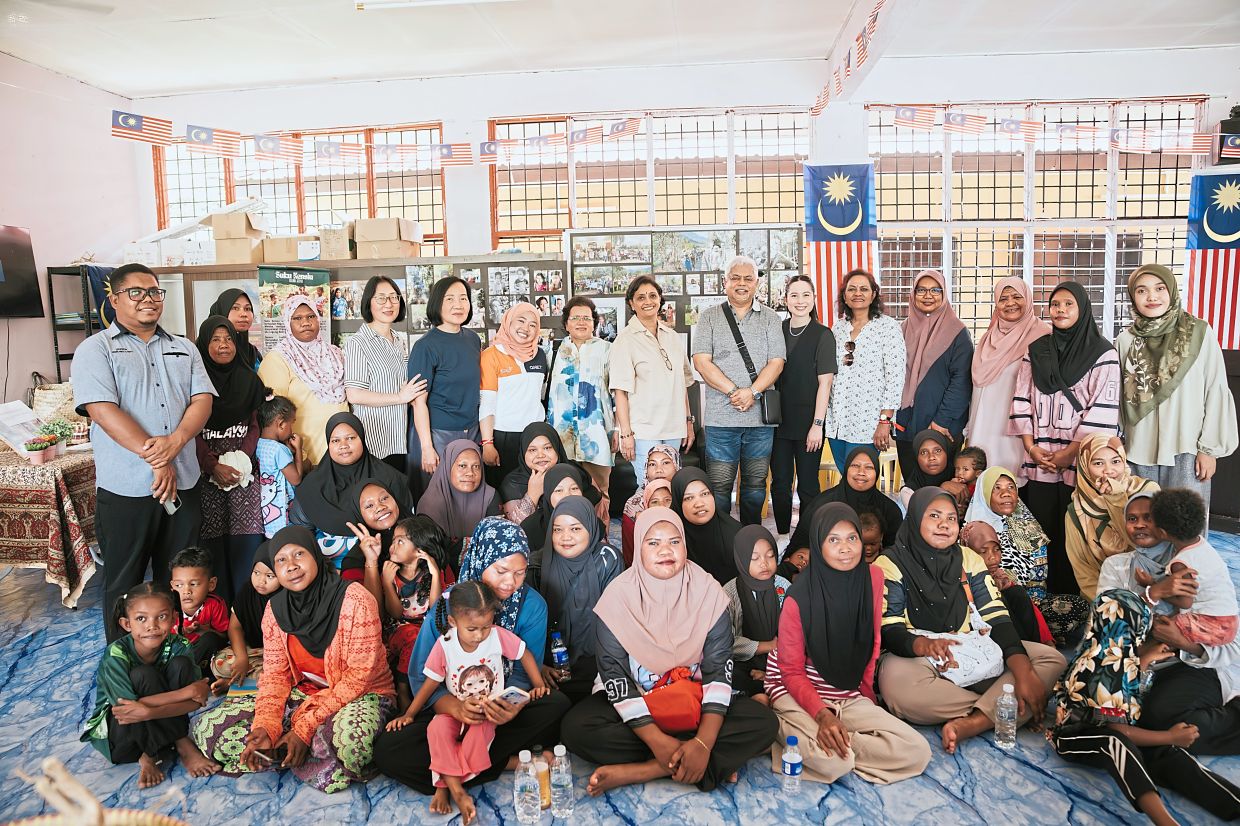
Since 2005, Rythm Foundation – the social impact arm of the QI Group — has focused on education, empowerment and environmental sustainability, reaching tens of thousands of individuals. Yet for her, numbers are never the headline.
"Data plays a critical role," she acknowledges. "But numbers alone rarely tell the whole story. They miss the trade-offs families make. They miss the invisible burdens many communities carry."
Her leadership style is defined by proximity. Impact, in her view, cannot be extracted, packaged and presented neatly. It must be understood in context.
"We are not their voice," she emphasises. "But we are enablers — supporting people and communities to amplify their voice, on their terms, in their language, and with their agency intact."
It is a subtle but powerful reframing of influence: not speaking for communities, but standing with them.
In 2011, Umayal founded Taarana School after witnessing how neurodivergent children were often defined by limitations rather than potential. The school was created on a simple but radical premise — education should adapt to the child, not the other way around.
"A child who struggles to communicate is not being difficult," she says. "They are unheard. When we change the environment, we change outcomes."
The approach reflects her belief that giving begins not with charity, but with belief — belief in potential long before it becomes visible.
She has often encountered what she calls a "quiet systemic failure" in marginalised communities: limited access, plenty of assumptions and sympathy offered in place of structure and solutions.
"Sympathy does not build futures," she says plainly. "Access does."
Often, the transformation is subtle.
“Sometimes, victory looks like a girl deciding to stay in school," Umayal reflects. "Sometimes it’s her speaking up for the first time."
In Sabah, the Foundation’s Community Adoption Programme supports underserved students while working alongside Indigenous communities to strengthen education pathways and sustainable livelihoods. Women-led social enterprises in East Malaysia transform traditional knowledge into income streams, preserving heritage while fostering dignity.
These are not short-term interventions. They are long-term relationships.
"Real impact takes continuity," she says. "You cannot enter a community, deliver a programme and disappear. Trust is built over time."
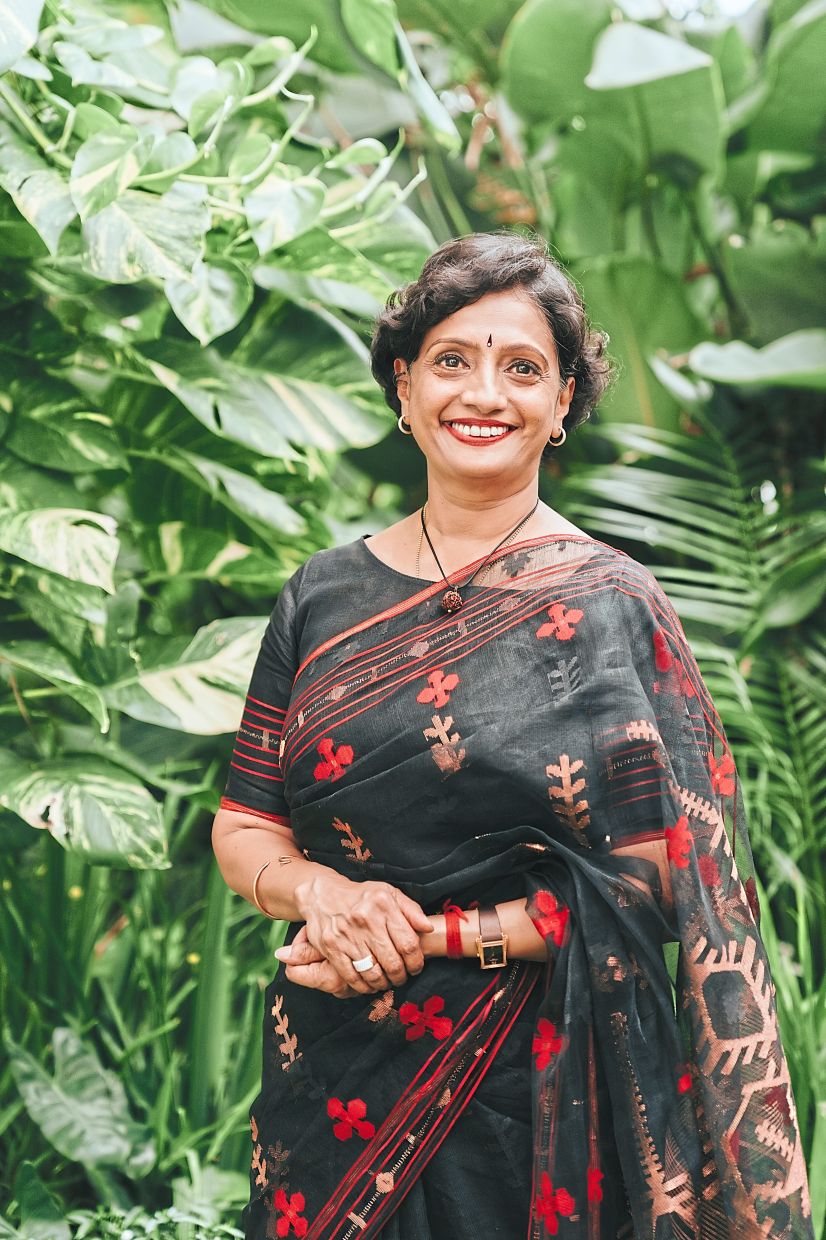
Experiencing displacement at a young age shaped her understanding of resilience and belonging.
"Empathy and mutual respect create the conditions for strength," she says. "Belonging is reciprocal — you offer trust if you want trust to grow."
Those early lessons continue to inform her work today. In a world that often equates leadership with visibility and volume, Umayal represents a quieter model — patient, proximate and persistent.
"People often mistake quietness for weakness," she reflects. "But to lead with patience, to sit with discomfort until you truly understand the problem — that requires stamina."
Recognition has followed. She was recently named among Wiki Impact’s Top 100 Malaysian Changemakers 2025 in social justice. Yet she treats accolades as affirmation rather than arrival.
For her, giving is not transactional. It is transformative.
The gain, she believes, is not found in metrics or applause, but in futures quietly unfolding — a child making eye contact, a girl envisioning university, a community realising it has agency.
"We give not because we expect something in return," she says. "We give because when one person rises, we all rise."
Standing with the people

Umayal (in white cap) bringing her game to the field with students at a secondary school in Kuala Lumpur during the Foundation's Jaguh RF programme in Aug 2025. Photo: Rythm Foundation
Umayal focused on programmes that strengthen grassroots capacity, support indigenous communities and create pathways to economic independence. Photo: Rythm Foundation
Umayal (right) during a panel discussion at the WIN Lounge. The discussion spotlighted the importance of purpose-driven action and cross-sector collaboration in improving opportunities for women. Photo: Rythm Foundation
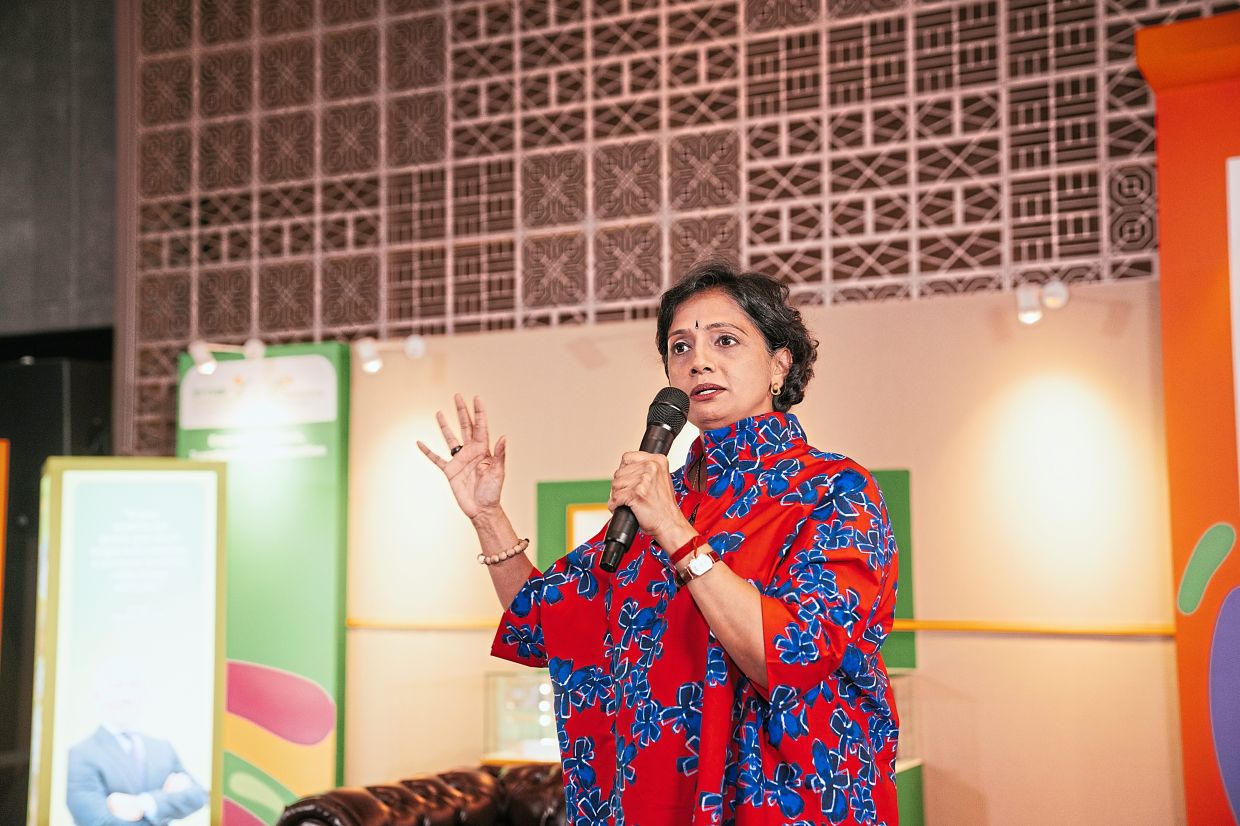
Sharing powerful insights on purpose-driven leadership and the importance of giving back at V-Convention 2025 in Penang. Photo: Rythm Foundation
Umayal at the World Economic Forum Annual Meeting in Davos, Switzerland in January. Photo: Rythm Foundation
Umayal (standing, eighth from right) and her team (from QI Group) with the Orang Asli community in Kedah. Photo: Rythm Foundation