On a frozen track thousands of kilometres from home, Jonathan Yaw lies flat on a tiny sled, chin just centimetres above the ice, hurtling down a winding course at speeds of up to 145km/h.
For most Malaysians, skeleton racing is a sport they have only ever seen on television during the Winter Olympics.
But for Yaw, it is a reality – and a passion he is determined to continue soaring in.
The 29-year-old from Miri, Sarawak is Malaysia’s first and only skeleton athlete, carving a path in a sport that seems worlds away from the country’s tropical climate.
Yet his ambition is clear: to become the first Malaysian skeleton racer to compete at the Winter Olympics.
In 2022, Yaw clinched a bronze medal at the Korean Cup in Pyeongchang, marking a milestone not only for himself but for Malaysia in a sport with virtually no domestic presence.
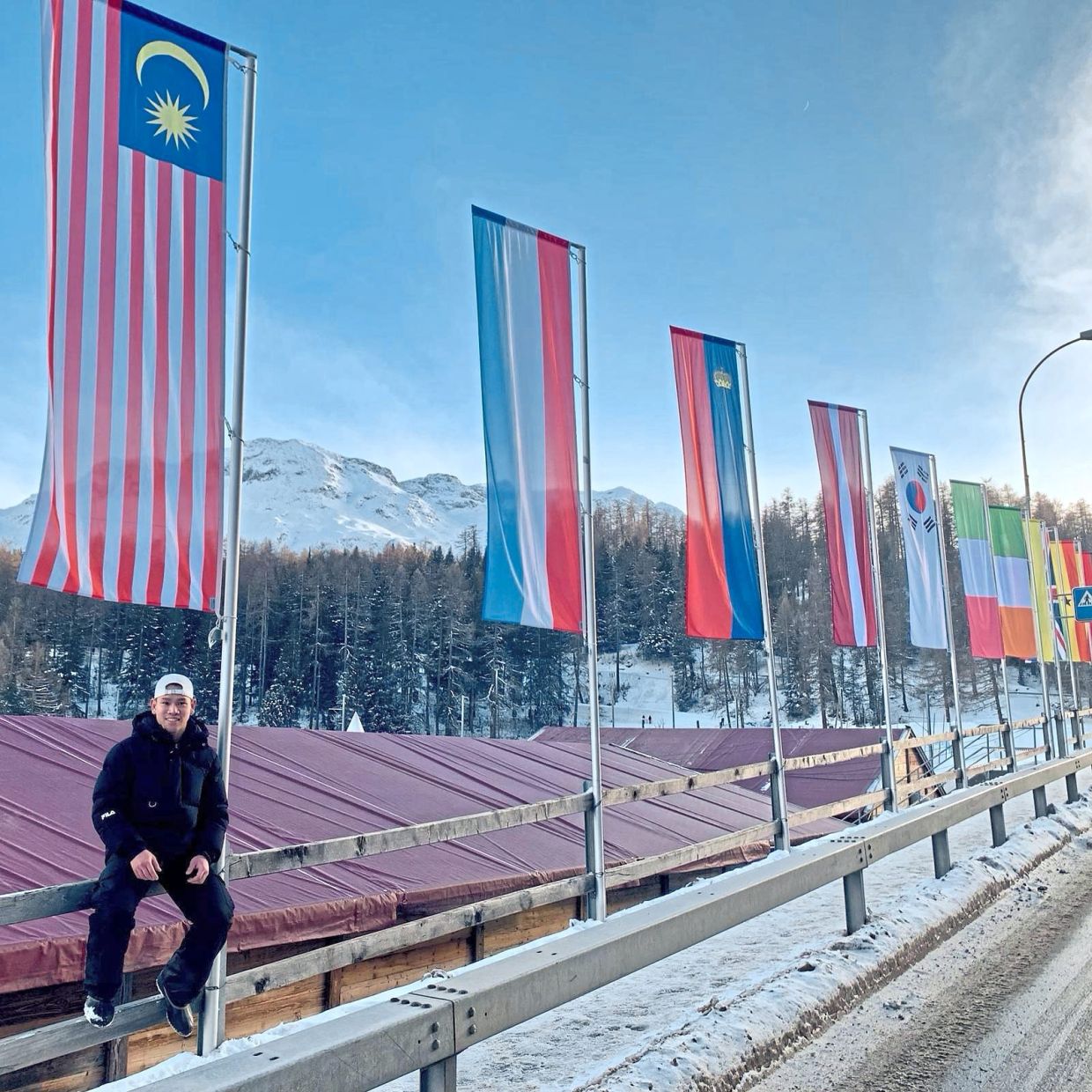
In 2023, he made history by becoming the first South-East Asian athlete to qualify for the Bobsleigh and Skeleton World Championships.
His biggest heartbreak came recently, when he narrowly missed qualifying for the 2026 Winter Olympics in Milano Cortina. He finished as the first athlete outside the qualification cut, missing a historic debut by a mere 0.06 seconds.
“Maybe one spot doesn’t seem that close,” he reflects, “but in skeleton, tiny margins make a huge difference.”
The near miss has only strengthened his resolve. Yaw is now targeting the 2030 Winter Olympics in the French Alps, aware that he will be competing in his early 30s – an age when maintaining peak physical condition becomes even more challenging.
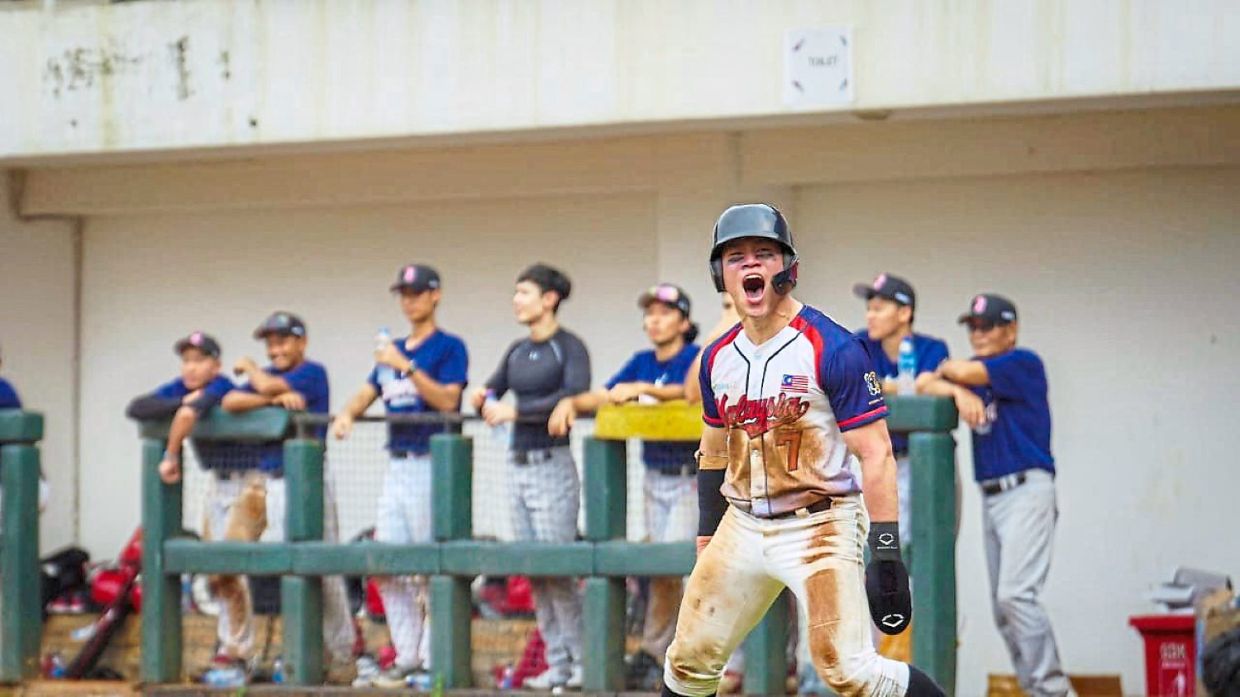
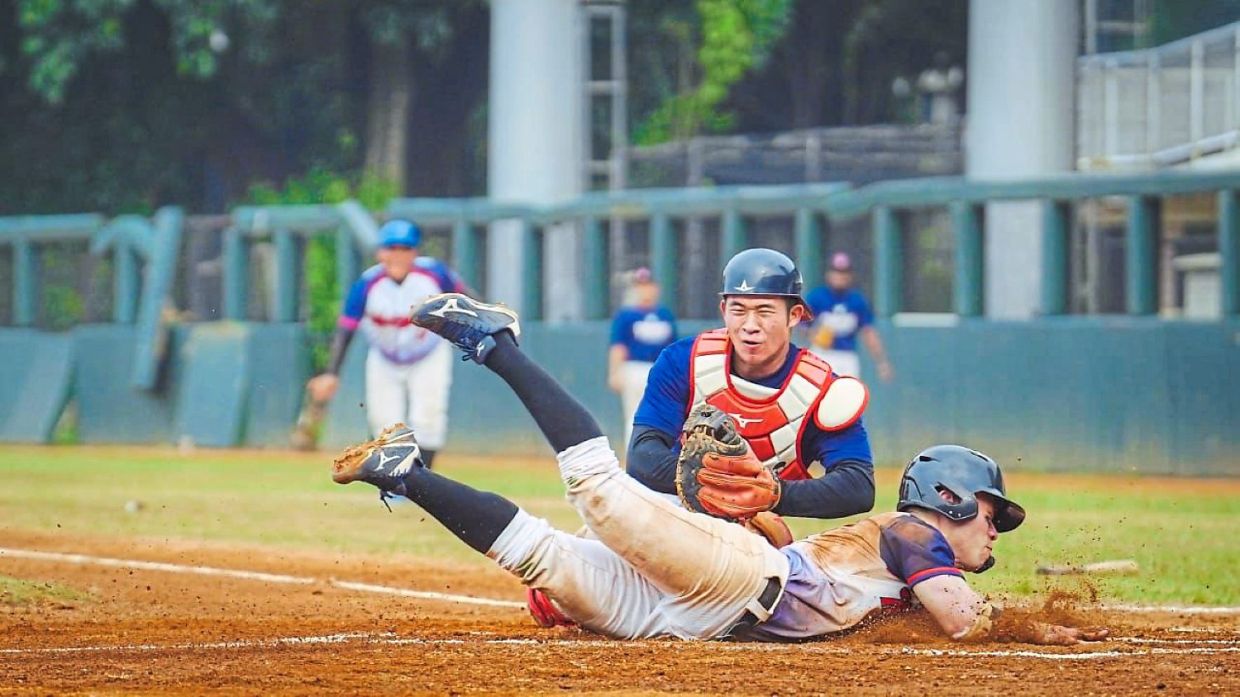
Yaw did not grow up dreaming of winter sports. Like many Malaysian athletes, he started in more familiar territory – playing volleyball, handball and even representing the country in baseball.
It was only in 2020 that his life took an unexpected turn, when he applied to a talent identification programme initiated by the South Korean government after the 2018 Pyeongchang Winter Olympics.
The programme aimed to introduce sliding sports – bobsleigh, luge and skeleton – to South-East Asia. Out of the Malaysian applicants, Yaw was selected for skeleton, largely due to his smaller build compared to the larger physiques typically required in bobsleigh.
Yaw spent two years in South Korea, training through the uncertainty of the Covid-19 pandemic. While other athletes from the programme eventually left, Yaw stayed on, becoming the sole Malaysian to compete internationally in skeleton.
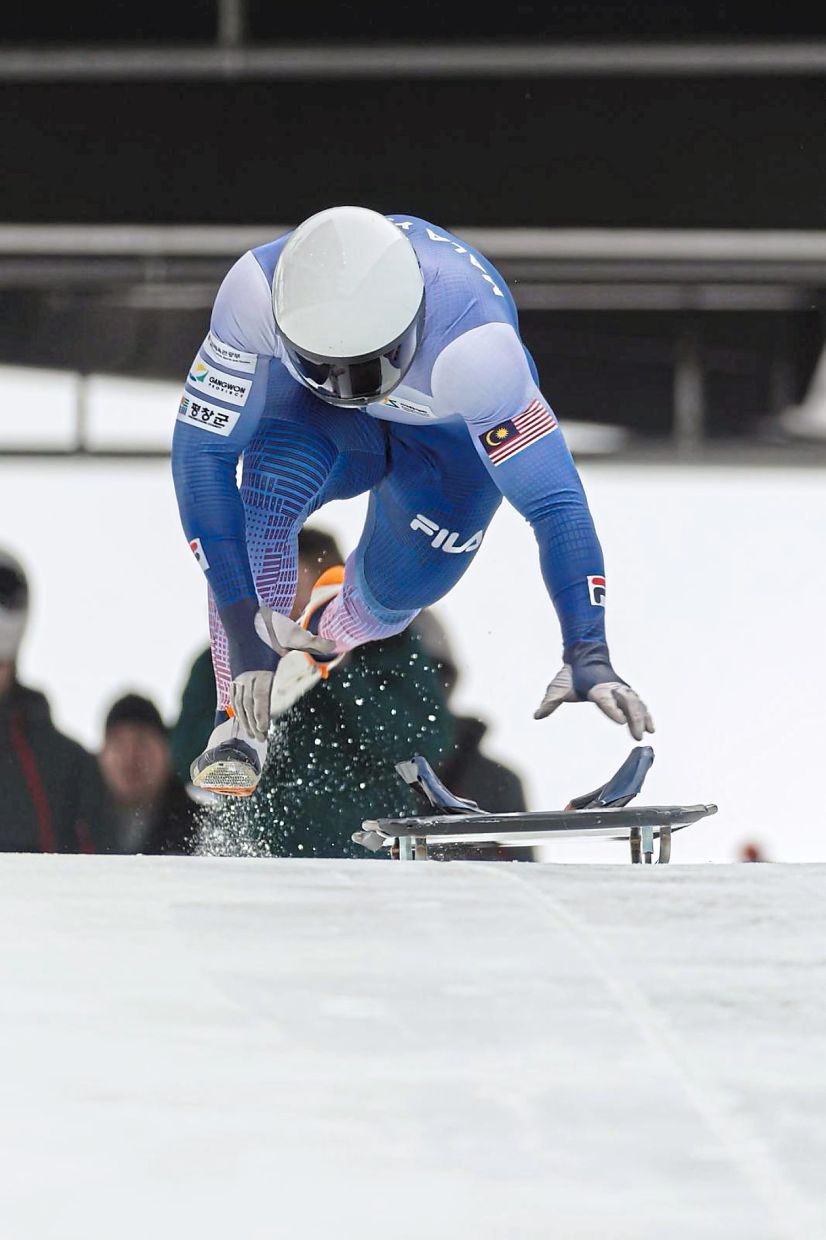
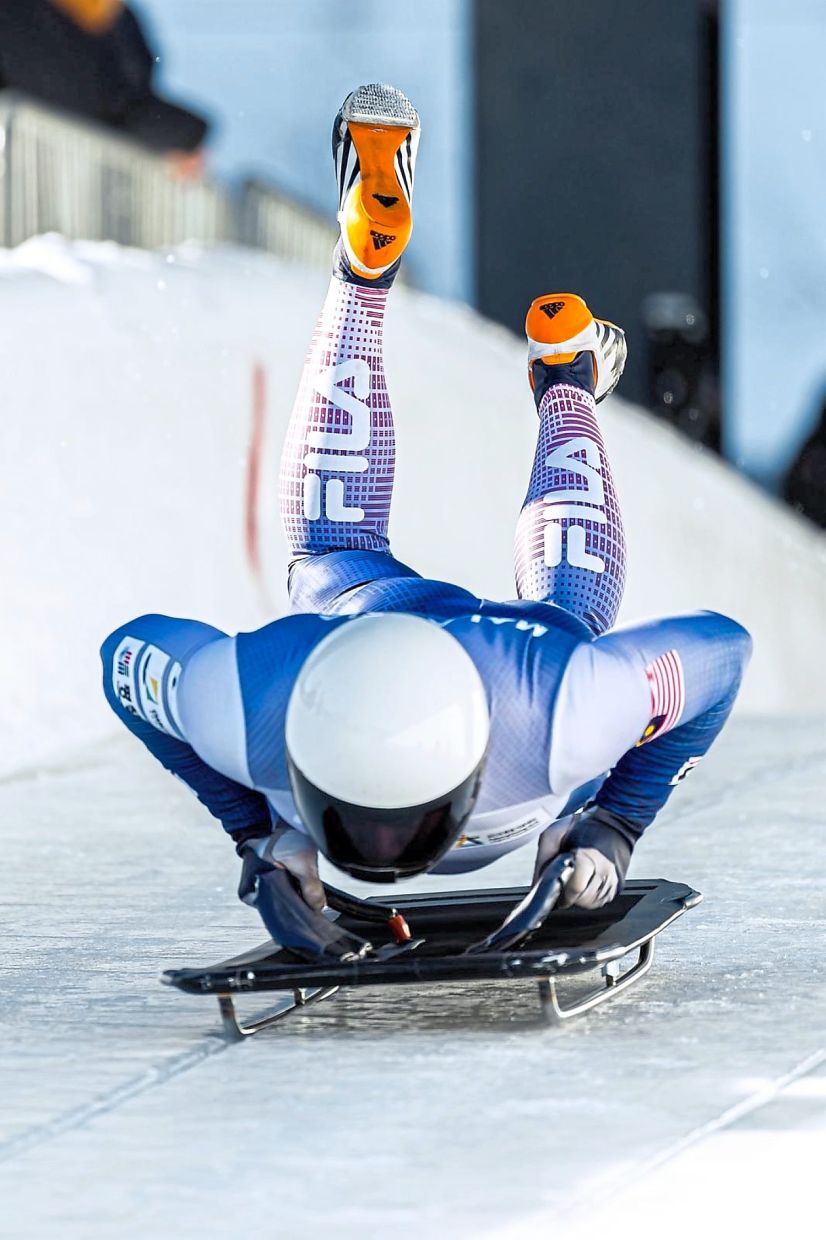
Skeleton is one of the most extreme winter sports in the Olympic programme. Athletes sprint for around 20m-30m while pushing their sled before diving onto it headfirst, navigating a twisting ice track with nothing but their body and subtle shifts of their head, shoulders, knees and toes. A single run lasts less than a minute, but in that time, racers experience forces of up to five times their body weight.
“It’s like 'driving' down a big water slide – but instead of water, it’s ice,” Yaw explains, describing the sensation of sliding at high speed with minimal protection.
The sled is beneath the athlete, leaving their body exposed to the unforgiving ice if something goes wrong.
Despite the risks, he says the fear fades once the run begins. Intense focus and adrenaline take over, and months of mental rehearsal – memorising every curve and corner of each track – guide him through the descent.
Behind the glamour of international competition lies a more sobering reality. Skeleton is an expensive sport, and with no national association in Malaysia dedicated to it, Yaw largely funds his career himself, supplemented by occasional private sponsorships and short-term international grants.
Training facilities are located in countries such as South Korea, China and the United States, meaning he spends about seven months of each year overseas.
Flights, accommodation, rental cars in remote ski towns and even the cost of each training run – about €40 (RM185) for less than a minute on the track – quickly add up.
The equipment alone can be staggering. A competitive sled can cost up to €15,000 (about RM70,000), while helmets and specialised spiked shoes run into hundreds more.
For Yaw, who previously worked as a physiotherapist and still takes on part-time work during the off-season, pursuing skeleton is as much a financial juggling act as it is an athletic challenge.
Away from the ice, Yaw is known among fellow competitors not just for his racing, but for his generosity and calm demeanour.
As a physiotherapist, he often helps other athletes with injuries or recovery – particularly those from smaller teams who cannot afford their own support staff.
He reveals that his Christian faith plays a central role in his approach to the sport. Before each race, he prays not only for his own safety, but for that of every athlete on the track. The ritual helps him manage nerves and maintain perspective in a sport where the risks are real and the margins for error are slim.
It’s also his way of representing Malaysia abroad.
“I try to be the best ambassador I can for my country,” he says, aware that for many people he meets on tour, he may be the first Malaysian they have ever spoken to.
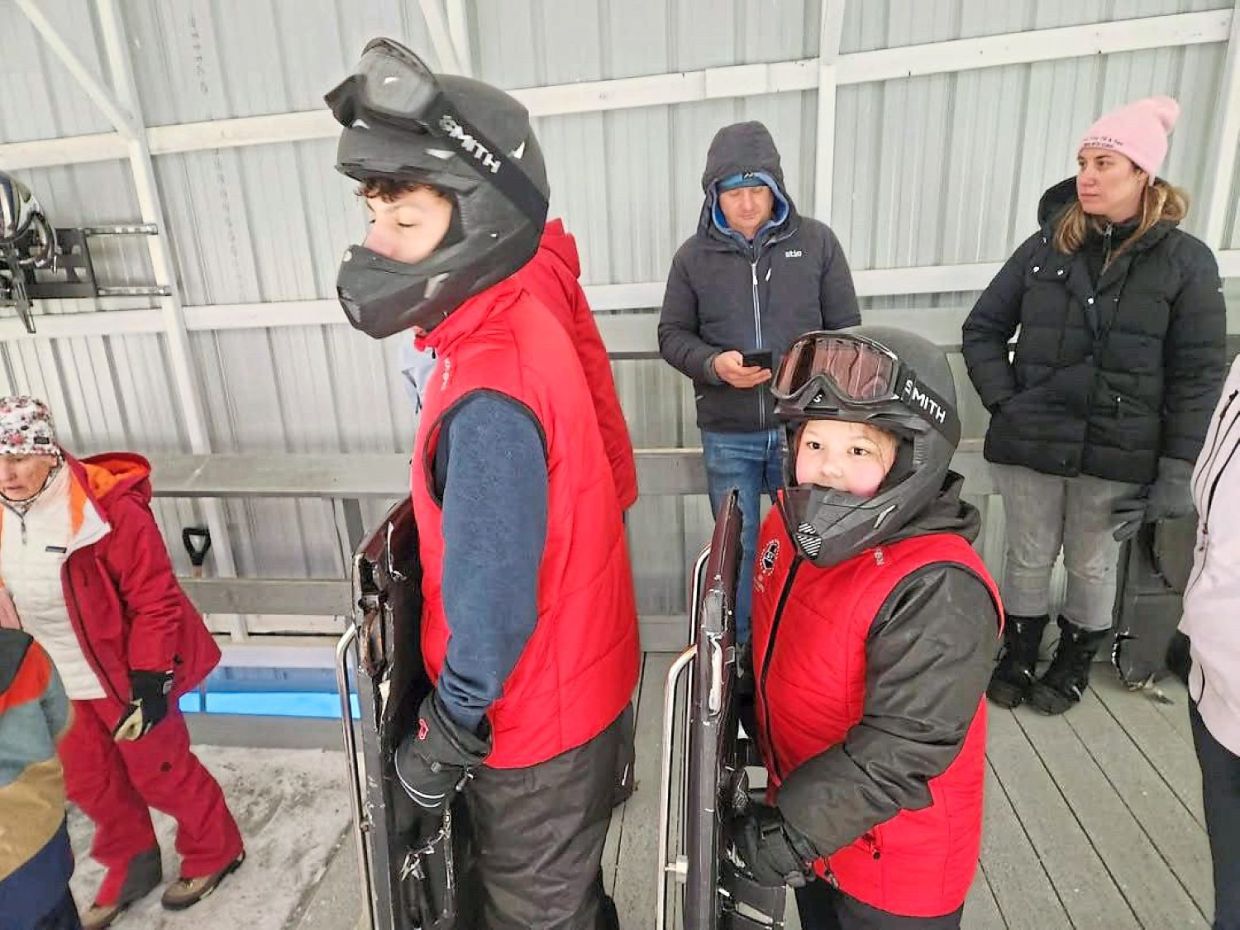
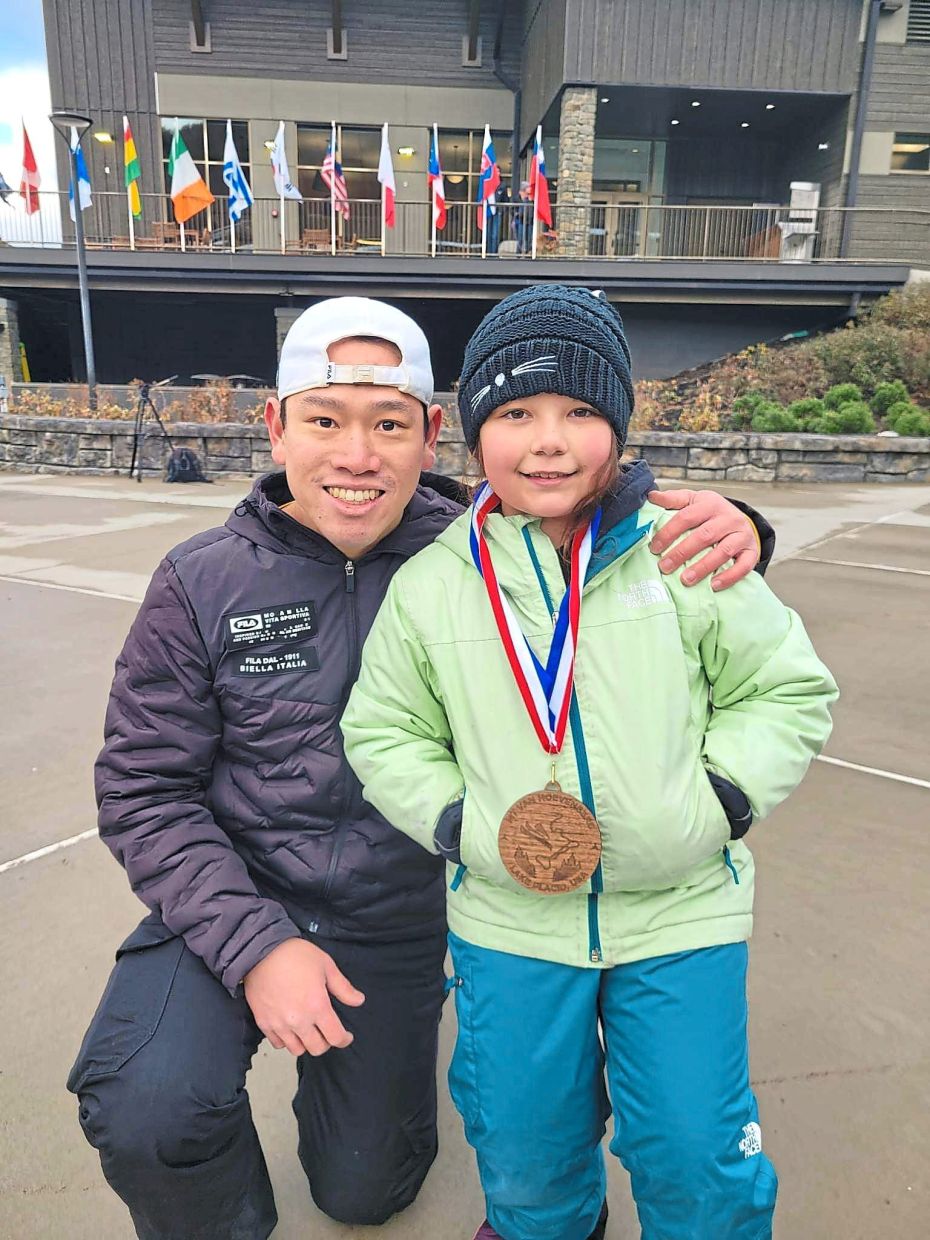
One of Yaw’s most treasured memories comes not from a podium finish, but an act of kindness. After winning his first international medal in New York, he gave it away to a young girl who had approached him out of curiosity after spotting the Malaysian flag at the ceremony.
Two years later, the girl and her brother returned as volunteers at another international event – the brother now seriously pursuing skeleton himself. That reminded Yaw of the ripple effect a single encounter can have.
“That’s what’s important to me – that I can inspire others,” he says.
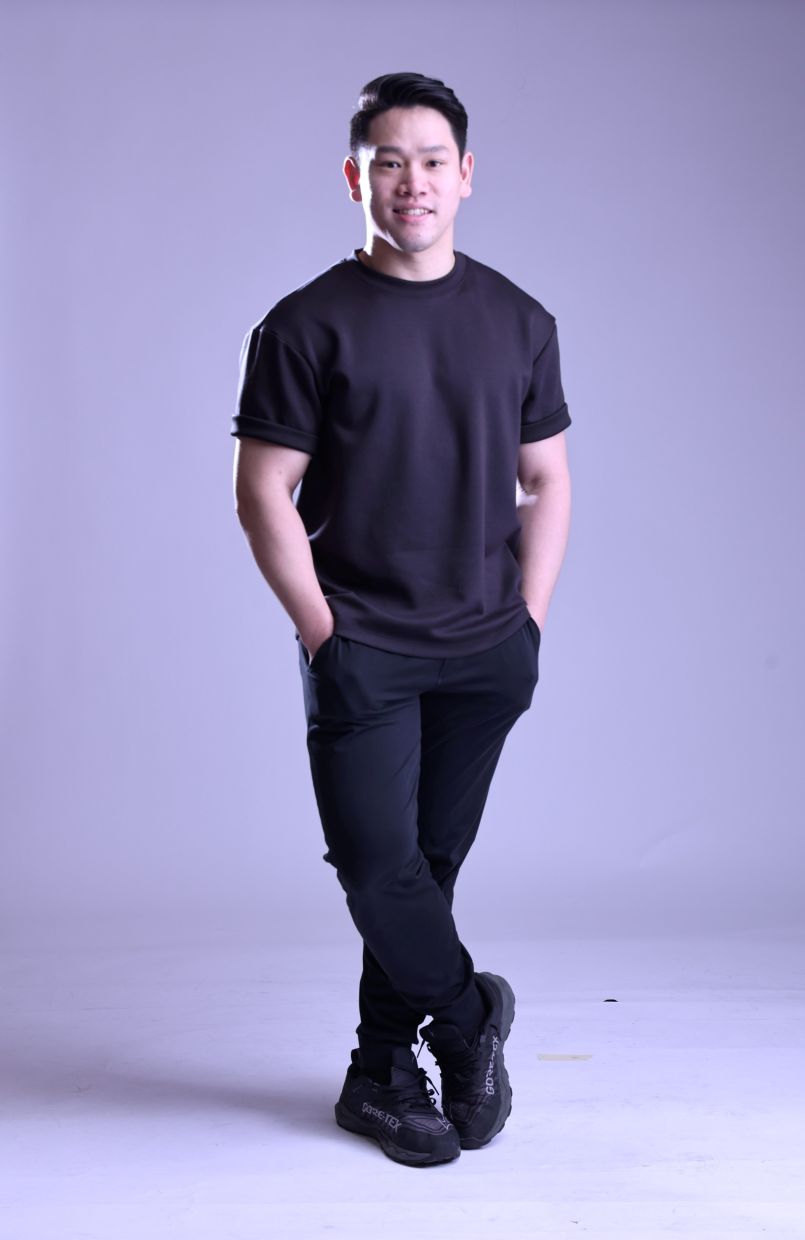
Yaw knows his journey has been unusually difficult, largely because he’s had to navigate it alone. Without a local training facility or a structured pathway into winter sports, aspiring Malaysian athletes face significant barriers just to try skeleton for the first time.
When he eventually retires, he hopes to change that. One of his long-term goals is to help create clearer pathways for young Malaysians and South-East Asians interested in winter sports, whether through partnerships, talent identification programmes or simply greater awareness.
For now, though, his focus remains on the track – pushing for faster starts, better equipment and the fraction of a second that could make the difference between watching the Olympics and competing in them.
His advice to young people chasing unconventional dreams is simple: try, even if the odds seem stacked against you.
“You never know what might happen,” he says. “At least you won’t live with the regret of not trying.”
Hurtling towards history making
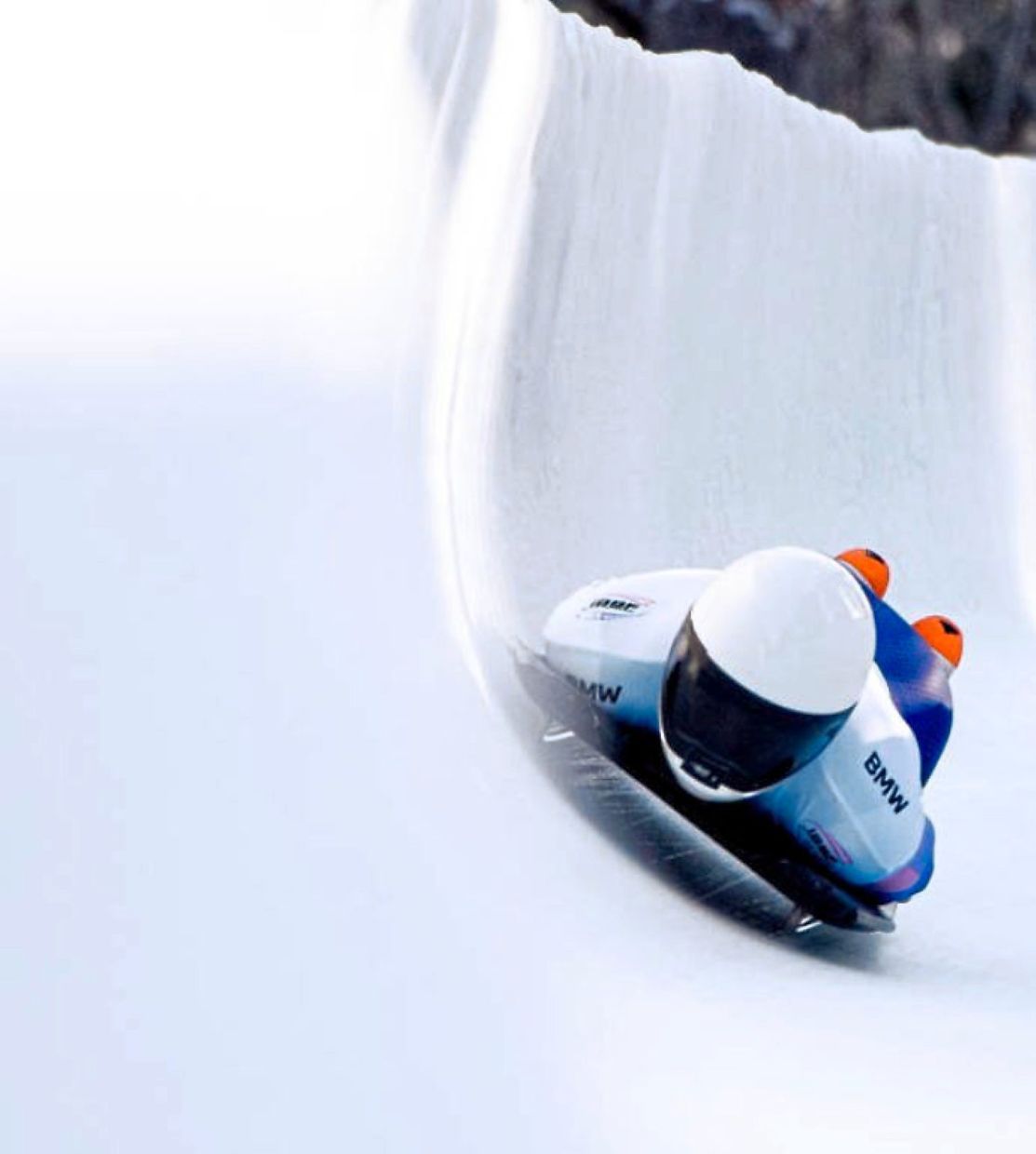
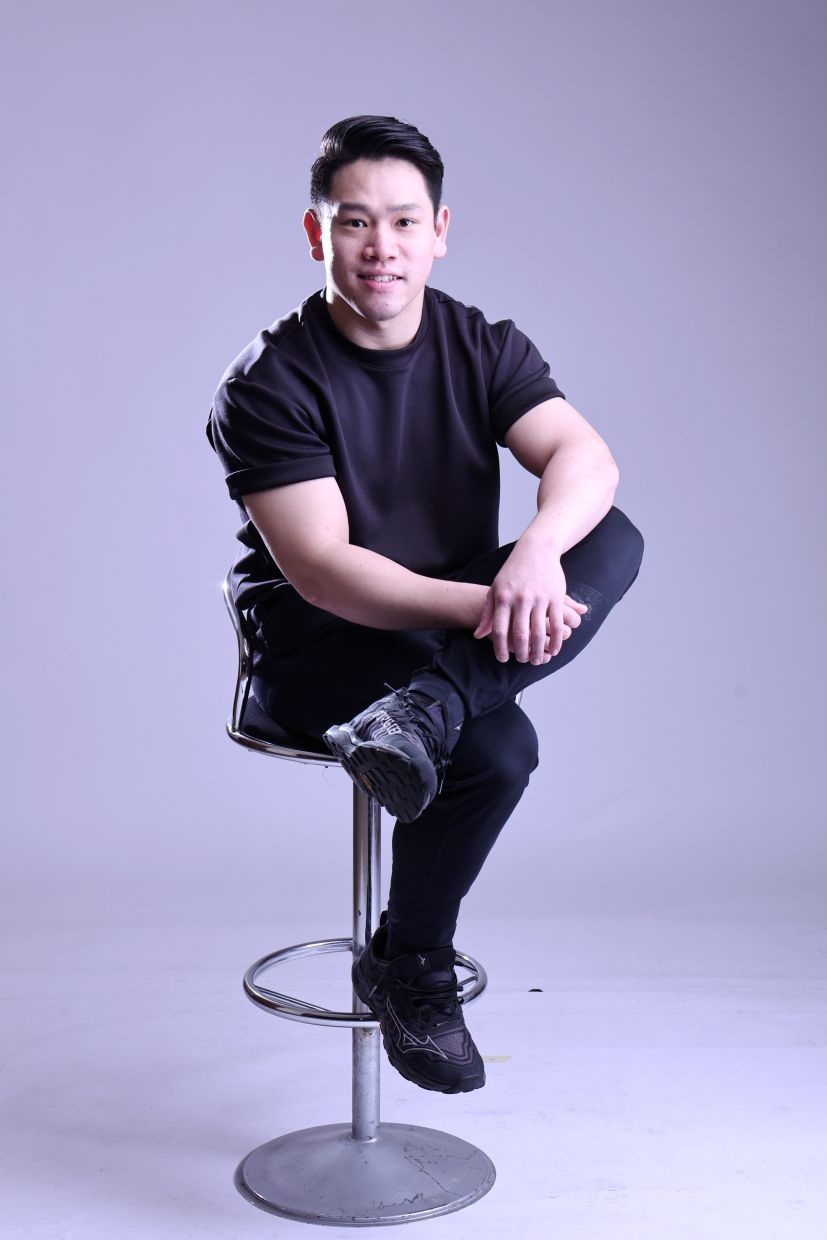
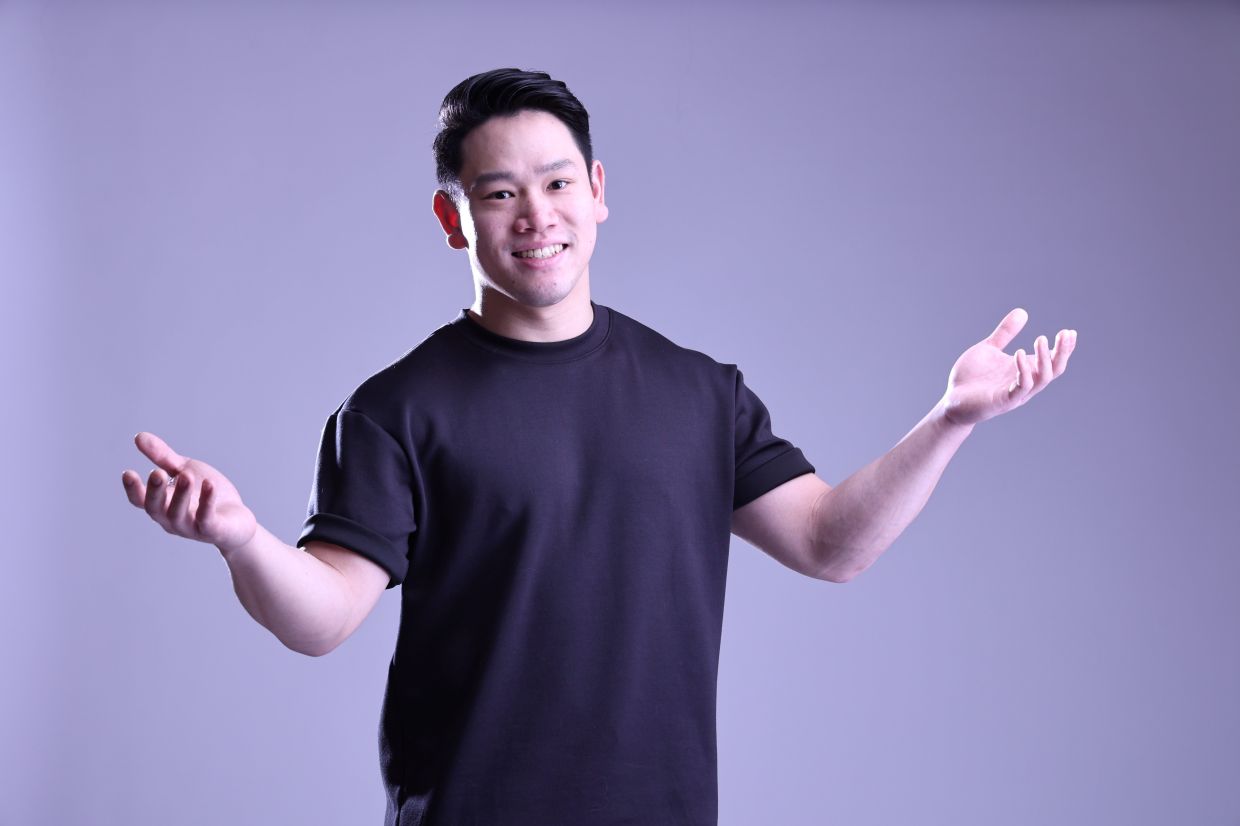
In 2023, Yaw made history by becoming the first South-East Asian athlete to qualify for the Bobsleigh and Skeleton World Championships. Photo: Jonathan Yaw
Yaw - the first South-East Asian athlete to qualify at the 2023 Bobsled and Skeleton World Championships - poses with the Malaysian flag. Photo: Jonathan Yaw
After winning his first international medal in New York, Yaw (left) gave it away to a young girl called Alexis who had approached him out of curiosity after spotting the Malaysian flag at the ceremony. Photo: Jonathan Yaw
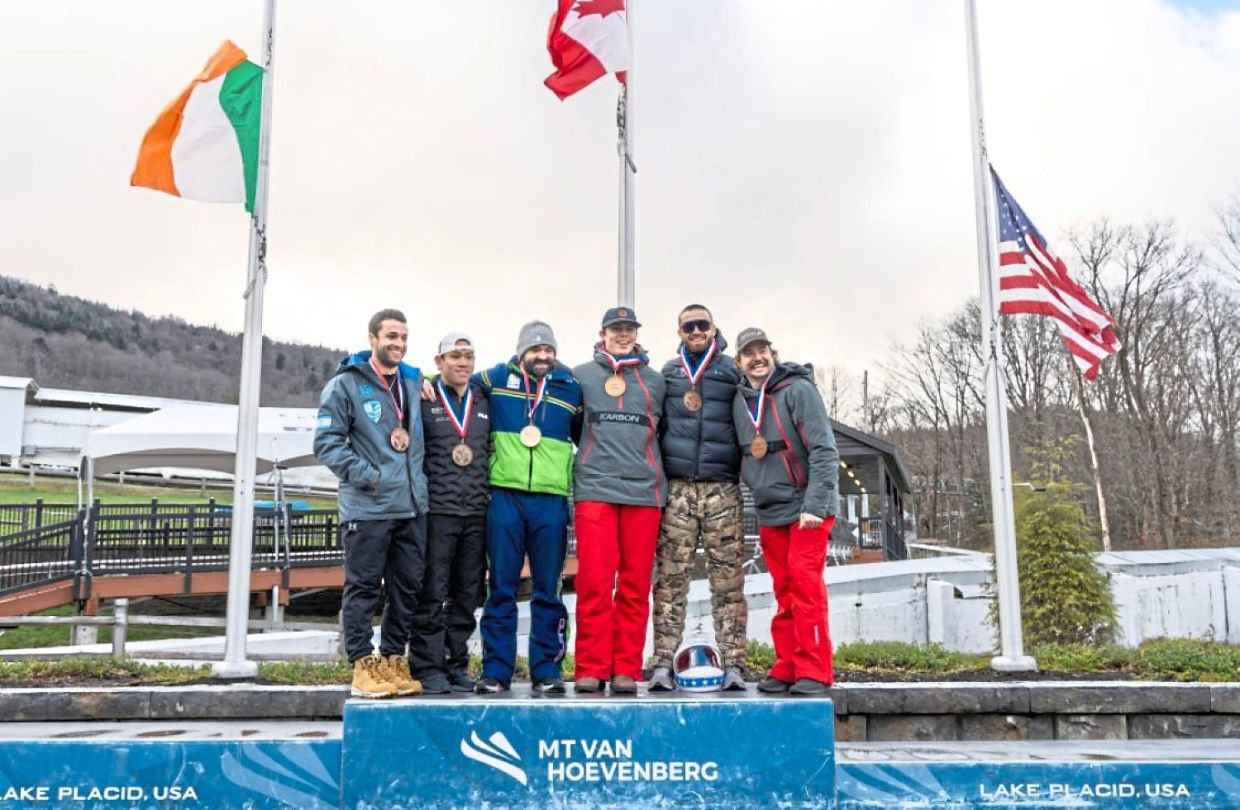
Yaw’s (second from left) first international podium finish at the 2023 North American Cup at Lake Placid, New York. Photo: Jonathan Yaw
In skeleton, athletes sprint for around 20m-30m while pushing their sled before diving onto it headfirst, navigating a twisting ice track with nothing but their body and subtle shifts of their head, shoulders, knees and toes, describes Yaw (pic). Photo: Jonathan Yaw
Yaw (pic) is the first South-East Asian to qualify for the 2023 Bobsled and Skeleton World Championships in St Moritz-Celerina, Switzerland. Photo: Jonathan Yaw
Yaw (front) previously represented the Malaysian baseball team. Photo: Jonathan Yaw
Jonathan Yaw (on ground) previously represented the Malaysian baseball team. Photo: Jonathan Yaw
Alexis (right), the little girl Yaw gave his medal to, and her 15-year-old brother John (left), who was inspired by Yaw and took up skeleton sport competitively, targeting the Youth Winter Olympics. Photo: Jonathan Yaw
One of Yaw’s long-term goals is to help create pathways for young Malaysians and South-East Asians interested in winter sports.
Without a local training facility or a structured pathway into winter sports, aspiring Malaysian athletes face significant barriers, admits Yaw.
Yaw's advice to young people chasing unconventional dreams is simple: try, even if the odds seem stacked against you.