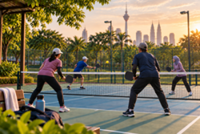
In the mornings and evenings at different locations across the Klang Valley, similar scenes play out.
People of different ages, backgrounds and fitness levels gather on compact courts, paddles in hand, ready for a game that’s easy to pick up, satisfying to improve at, and unexpectedly social.
Pickleball – once a curiosity involving paddles and a hollow ball – has taken root in Malaysia, not only as a recreational sport but as a growing community movement.
It draws almost everyone – retirees, young working adults, parents with children, seasoned athletes, and even those managing health conditions – to the court for a session.
The appeal is not simply about staying healthy. Pickleball has somehow built communities through shared experiences, laughter over missed shots, and post-game conversations.
Sometimes, all it takes is a simple rally to bring people closer.
StarLifestyle speaks to six Malaysians whose pickleball journeys are very different but whose experiences point to the same conclusion: pickleball isn’t just a sport, but a way people are reconnecting with themselves and others.
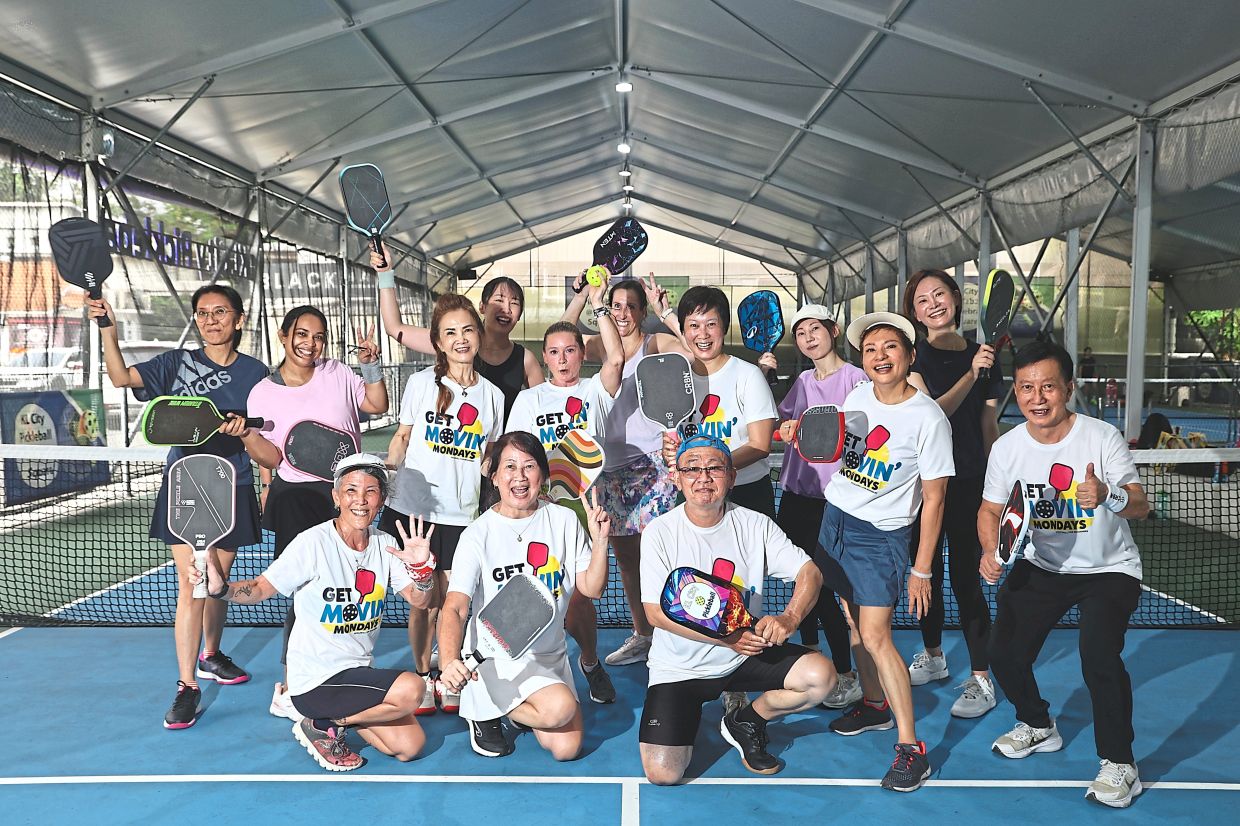
When executive trainer Michele Lum first stepped onto the pickleball court, she was looking for an opportunity to increase her movement and activity.
The 54-year-old has hip osteoarthritis, often facing stiffness and pain, and sometimes uncertainty on what her body is able to handle.
Years earlier, a fall during skiing, and the wear and tear of dancing and marathon running, had left her with a limp. She had to readjust her life, managing pain, and giving up many sports she once enjoyed.
But after discovering gyrokinesis – a movement practice that helped her regain mobility – Lum found herself ready to try something new: pickleball.
"It all started with me needing to get active again, because since the Covid-19 pandemic, I hadn't been moving much,” she reveals.
Her first encounter with pickleball was when she organised a birthday session in November last year, “just for fun”.
But that one session led her to find a coach and to train consistently.
By June 2025, she became an International Pickleball Teaching Professional Association level one certified coach for beginners.
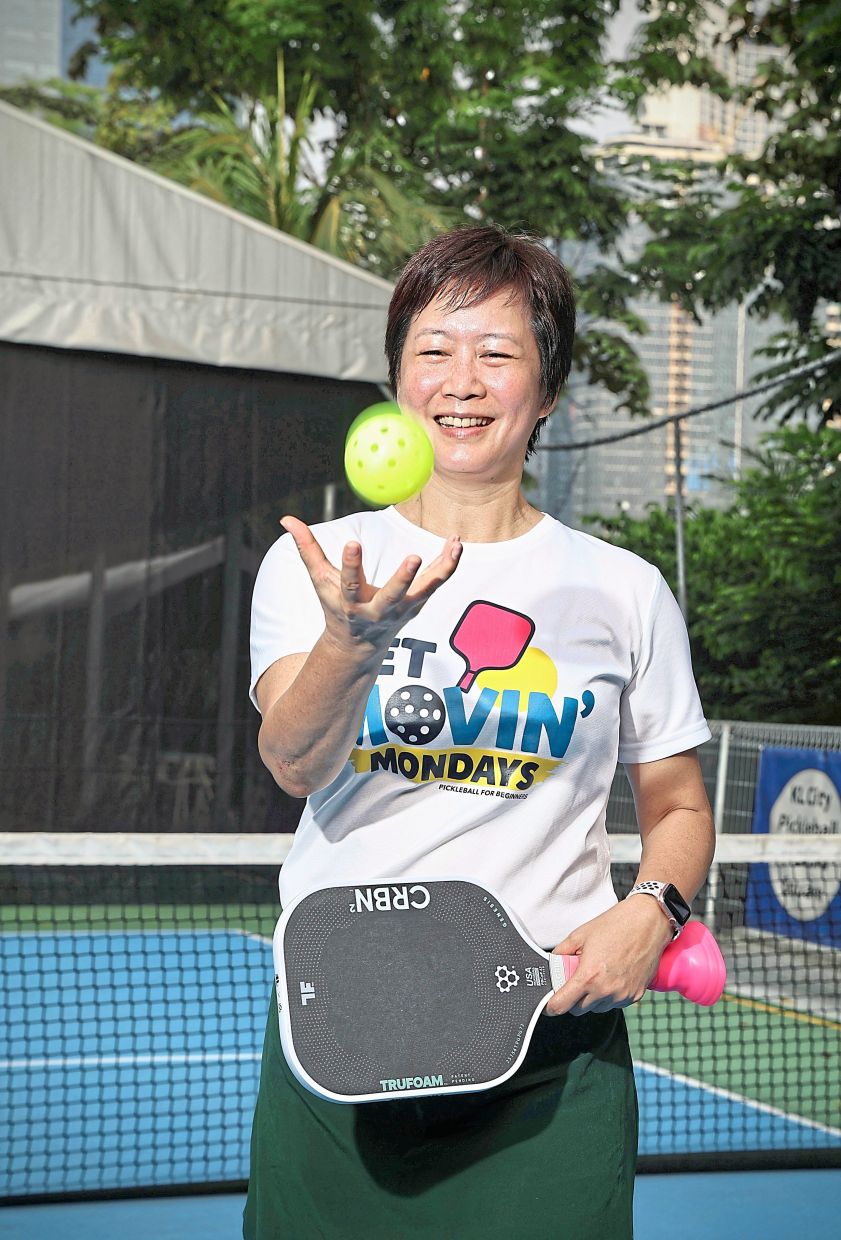
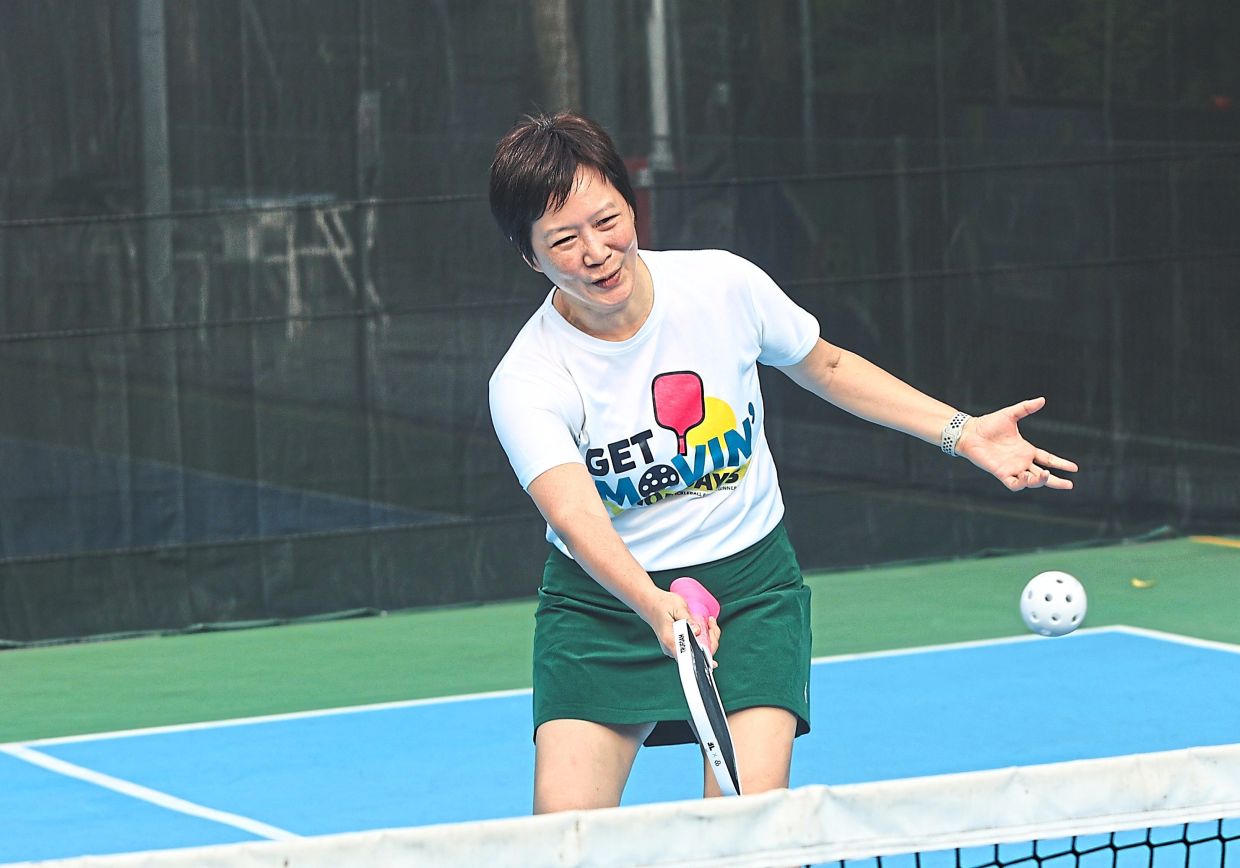
She started Get Movin’ Mondays, an initiative with KL City Pickleball at Zebra Square in Kuala Lumpur, that began with four people and now draws 16-24 players every week. People come before work, between errands, or after school drop-offs.
Warm-up is a non-negotiable for her – sometimes taking up to 30 minutes. She begins at the kitchen - which refers to the Non-Volley Zone, a 2.1m area on both sides of the net - with soft dinking (controlled shots hit near the net), before going to the transition zone, followed by baseline shots.
“Because of my medical condition, I can’t play without warming up. If my body is stiff, I wouldn’t be able to run for the ball without the risk of injury,” she explains.
Over time, Lum says she noticed real changes: better movement, improved stamina and the ability to run farther.
In pickleball, the strokes are less intense and the paddle is lighter. Hence, it doesn't strain the body as much as other racquet sports. The pace is also controlled and relaxed, making it suitable for people with different fitness levels, she says.
The community is just as meaningful. Through pickleball, she has met individuals from all walks of life including working professionals, entrepreneurs, housewives, expatriates, retirees and even a former judge.
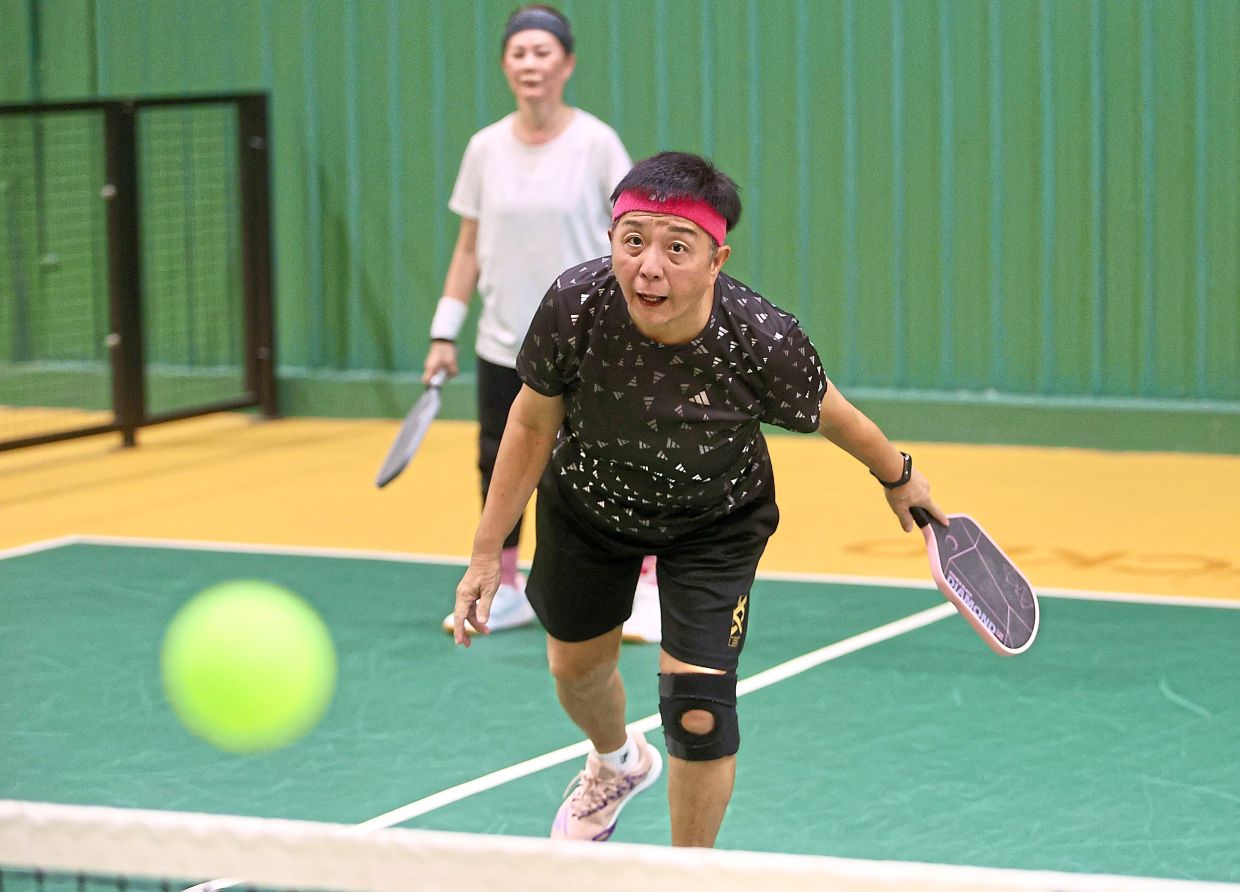
For retiree Betty Chia, 62, pickleball began as a transition from decades of badminton to something gentler on her body.
“Badminton is a bit intense for me now,” she reveals.
Chia picked up pickleball in February and now organises weekly sessions in Seri Kembangan, Selangor.
While she suffers from knee and back pain, she says the sport helps rather than hurts.
“Once I start moving and stretching, it becomes less painful.”
As she continued playing, something unexpected happened: Old friends – some she hadn’t seen in decades – began joining her sessions.
“If you call them for a meal, they’re not free. But for pickleball, you set the day and they always come,” she says with a laugh.
Players have fun, encourage each other, and enjoy a relaxed game. Chia says for many, it’s as much a social ritual as a sport.
“It builds a community spirit,” Chia adds. “Anyone can play and it’s fun. You get to meet many old friends, and make new ones too.”
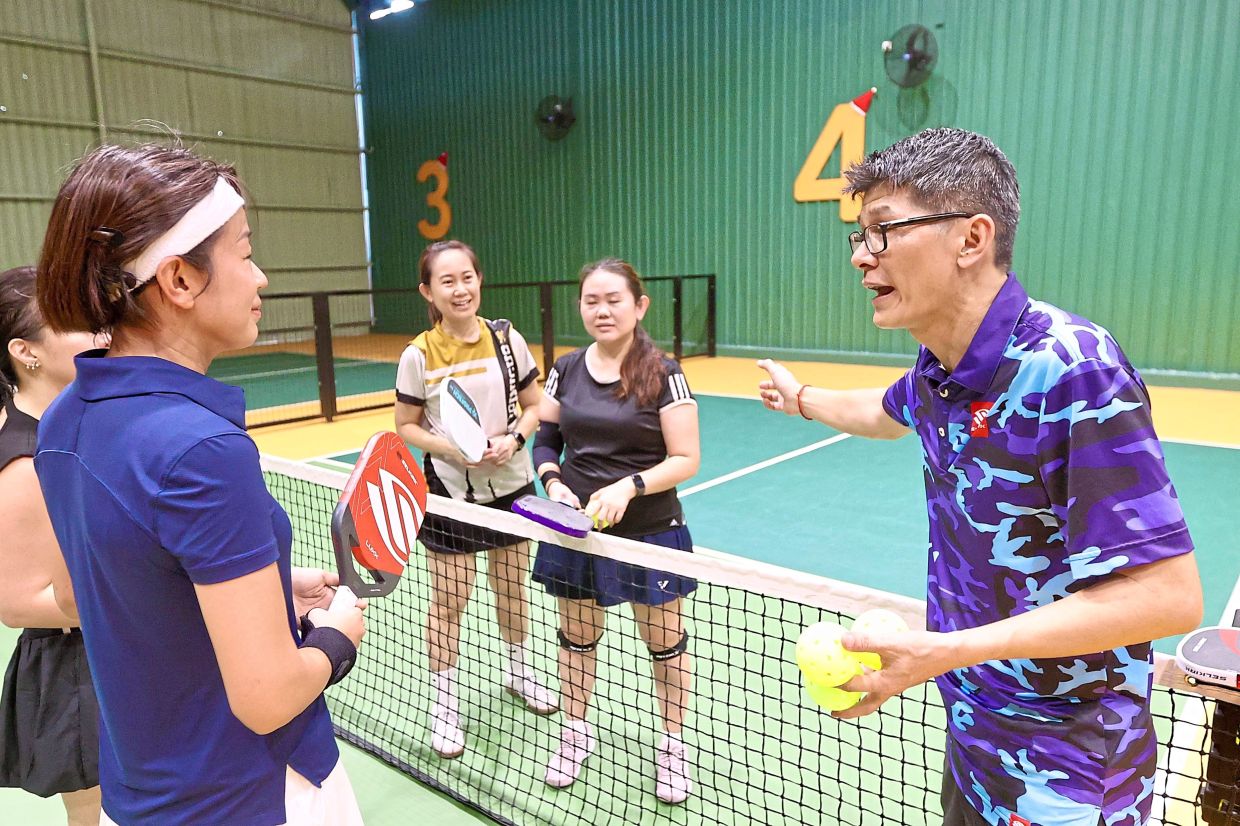
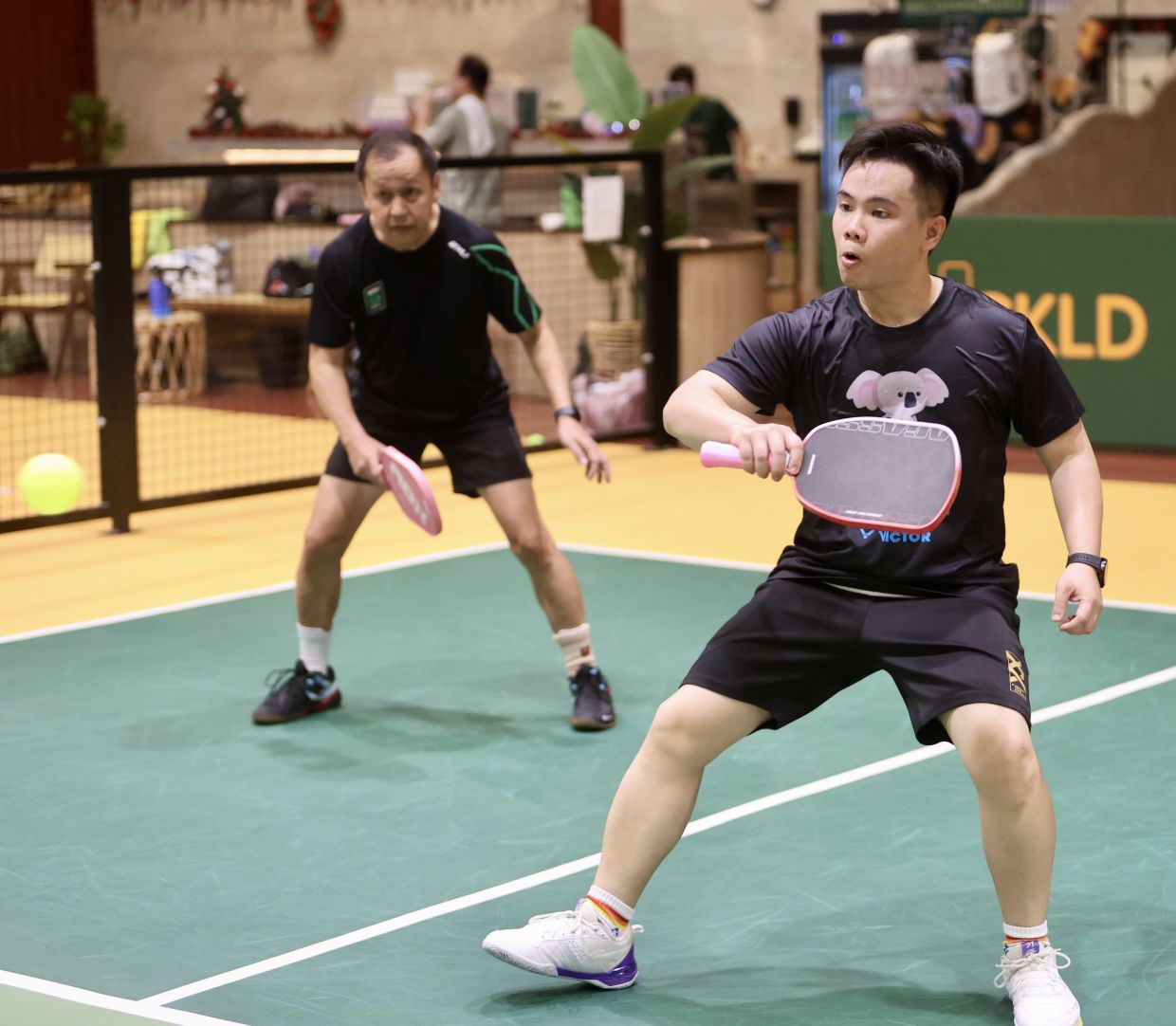
After more than 20 years of playing badminton and tennis, Eddie Chan, 56, stopped both sports due to a knee injury. His son subsequently introduced him to pickleball, and it changed the course of his life.
Now a full-time coach, Chan teaches almost daily at PickLD in Seri Kembangan, Selangor, and Pickle Vibe in Kepong, Kuala Lumpur.
Pickleball, he explains, is a blend of both fast and slow paces.
“When we hit from the baseline, that’s a drive – it’s fast,” he says. “But in the kitchen, that’s a dink – it’s slower, more controlled.”
He enjoys the tactical mix and accessibility. Compared to tennis, he finds pickleball “less strenuous”.
“Previously, for badminton and tennis, I could only play once or twice a week. But for pickleball, I can play every day.”
But it's the sport’s inclusivity that stands out most to him.
“It’s quite easy to learn, even without any background in racquet sports. The court is smaller so you don’t have to run as far, the paddle isn’t as long so it’s easier to handle.”
When it comes to injuries, Chan says there is less risk of sprains compared to other racquet sports. But eye protection is recommended for competitive players because the ball can be very fast, and ankle injuries might result due to side-to-side movement. This is why it's important to wear proper shoes, namely court shoes, that protect the ankles.
His own knees feel better now. But he adds: “Youngsters usually don’t have this problem, but seniors might.”
Chan sees pickleball not only as a sport he teaches, but a community where new and seasoned players hit the court without hierarchy, something he never saw as much in faster, more competitive racquet sports.
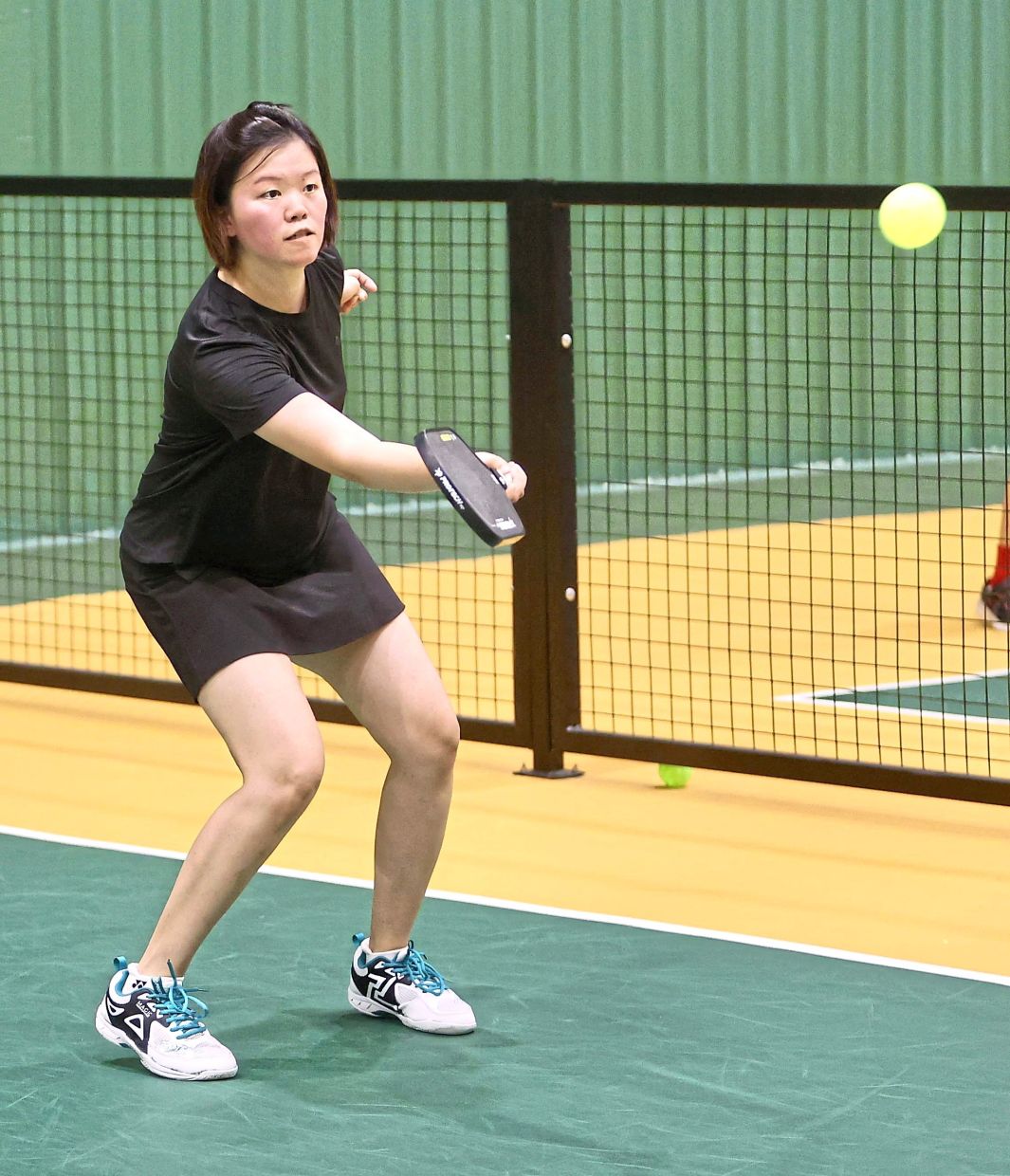
They often book a court at night and play pickleball together as a family of four.
“My parents are 60 and 64 and they are still able to play pickleball.”
Her mother isn’t into sports, yet she pickled up pickleball easily and enjoys it.
Ooi, who has played badminton before, appreciates that pickleball is less taxing on the knees.
“I’m glad my parents have found a sport that they enjoy and play regularly. I can’t imagine them doing any other sport.”
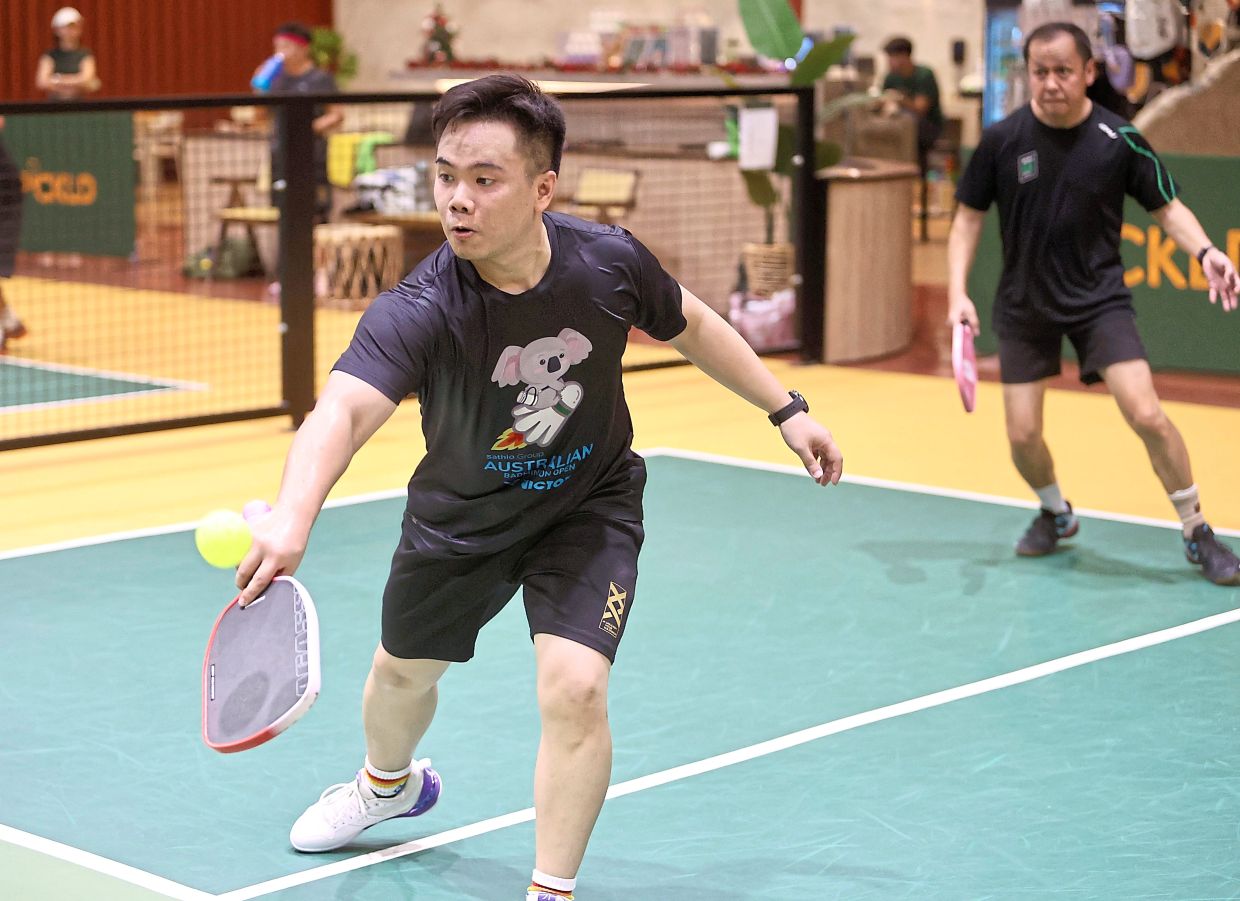
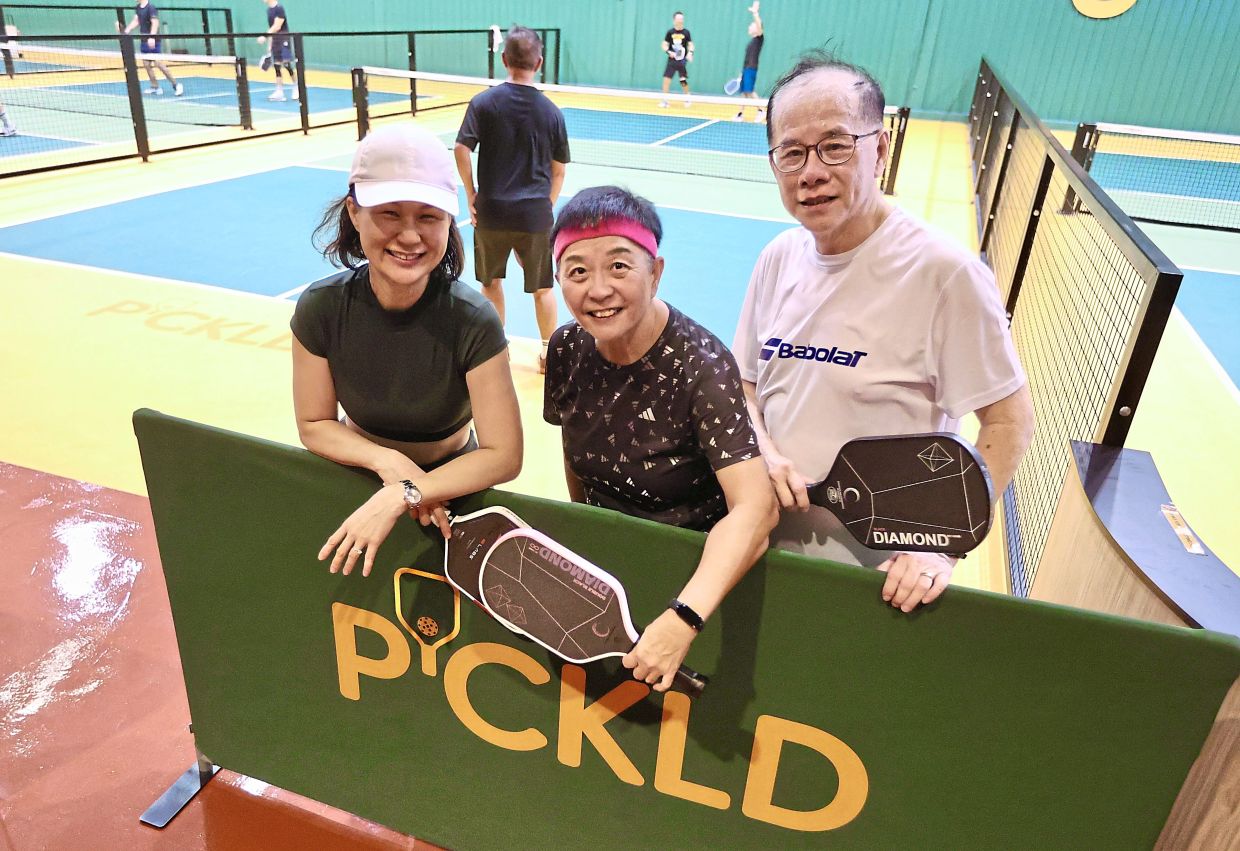
Leong Keng Cheng, 34, plays badminton five to six times a week. Pickleball entered his life when a friend invited him for a game and it became a complement to his main sport.
“It’s a good form of exercise,” he says. “You use a different set of muscles.”
The salesperson who also took up tennis recently decided to transition to pickleball because indoor tennis courts were hard to find in Cheras, where he lives.
Pickleball courts, by contrast, are everywhere, he says.
“On this street alone, there are already four or five pickleball courts!”
He enjoys the comfortable environment.
“Pickleball venues are usually well-ventilated and there are fans, something that isn’t possible for badminton,” he says.
Keng Cheng also sees the sport as a long-term plan.
“Even if I can continue playing badminton for the next five years, I don’t know whether I will still be able to enjoy it in the next 10. So I need something less intense like pickleball to transition to,” he shares.
For him, pickleball is both a present-day diversion and a future investment.
But he says he enjoys the community aspect most of all.
In badminton, he tends to play with the same group of people because it’s more serious and they’re all matched in skills.
In pickleball, players rotate and mix more freely so there is variety and room to be creative.
“You’re able to network or start a new community of friends because pickleball is easily learned by people of all ages,” he adds.
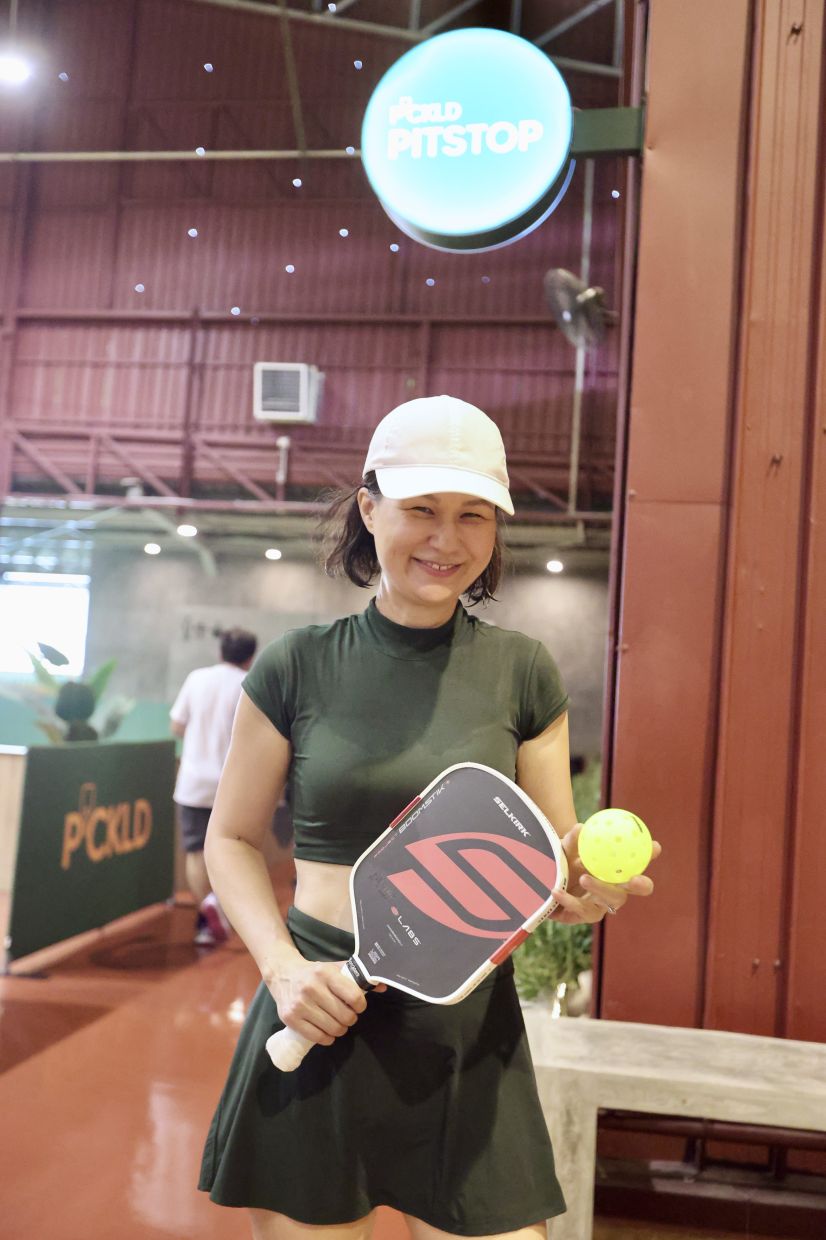
"I wanted my friends and their kids to be able to play pickleball together, because if it’s adults only, usually the players' spouses would have to ‘sacrifice’ and stay home with the kids," says the 40+ year old.
So they decided to build a family-friendly pickleball space.
The venue has an atrium larger than a standard court, which enables children to wander safely and families can play in groups. It’s fenced, spacious and designed for gatherings, parties and casual hangouts.
Pickleball’s accessibility makes it ideal, she says. Her own children – aged nine and 14 – picked it up easily.
“It’s child-friendly. The paddle is very light. Kids have no difficulties picking it up as a leisure sport.”
As an entrepreneur, Sook Leng also noticed women driving the early wave of the sport when it first came to Malaysia’s shores in 2019.
“Initially, I thought it looked funny. But I liked the lifestyle – after playing, you can hang out with your friends. Many of us are social players.”
She has seen the sport’s growing competitiveness but she still values its social roots.
Her biggest emphasis is on inclusivity and safety – creating a place where parents, kids, friends and neighbours can play together.
She says there are even apps such as ReCLUB to help people organise, find and participate in a variety of sports, including pickleball.
“Likeminded people can look for or even host a pickleball game. You can get to know more people. You also get to test your skills and improve by playing with different groups.
“Usually, the host will segregate beginner and intermediate levels so that players are balanced in skill.
“Some intermediate players might be hesitant to play with beginners, but there are those who are willing to play with beginners and help them along,” she says.
"The pickleball community is a meaningful one. You can have fun, exercise to stay healthy and expand your social network.
"While pickleball players come from all walks of life and their reasons for joining the sport are diverse, they converge on one simple truth: It’s more than a sport. It’s about making space for movement, laughter and one another,” she concludes.
When paddles meet people
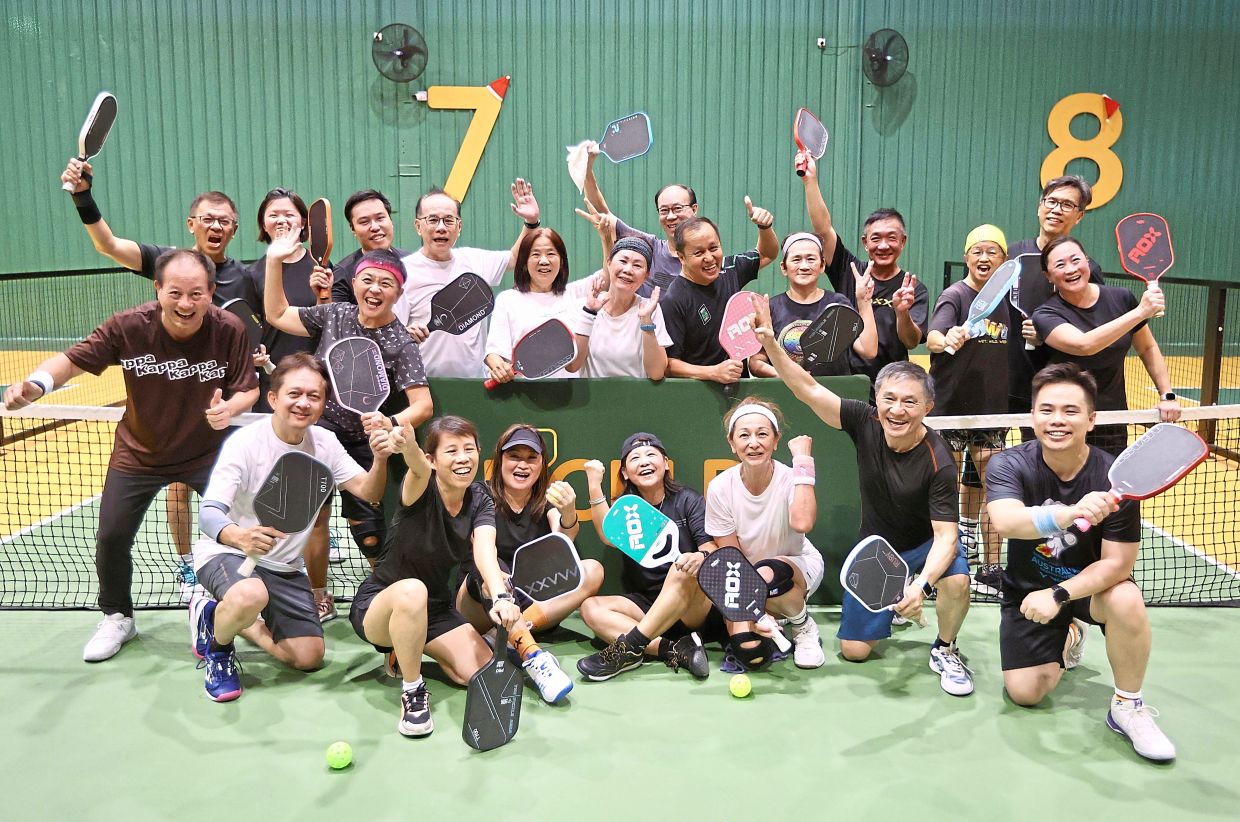
Pickleball brings people together and builds communities, says Chia (standing, fourth from left) pictured with her pickleball friends.
Chia (front) transitioned from playing badminton to pickleball because she says it’s less stress on her knees.
Don't underestimate pickleball. You can still get a good sweat and workout, says Keng Cheng.
Keng Cheng (right), who plays pickleball regularly, says the sport has expanded his social network.
Ooi says pickleball is good for the whole family, and even her aged parents play.
(from left) Leong, Chia and her husband, play pickleball every Wednesday, rain or shine.
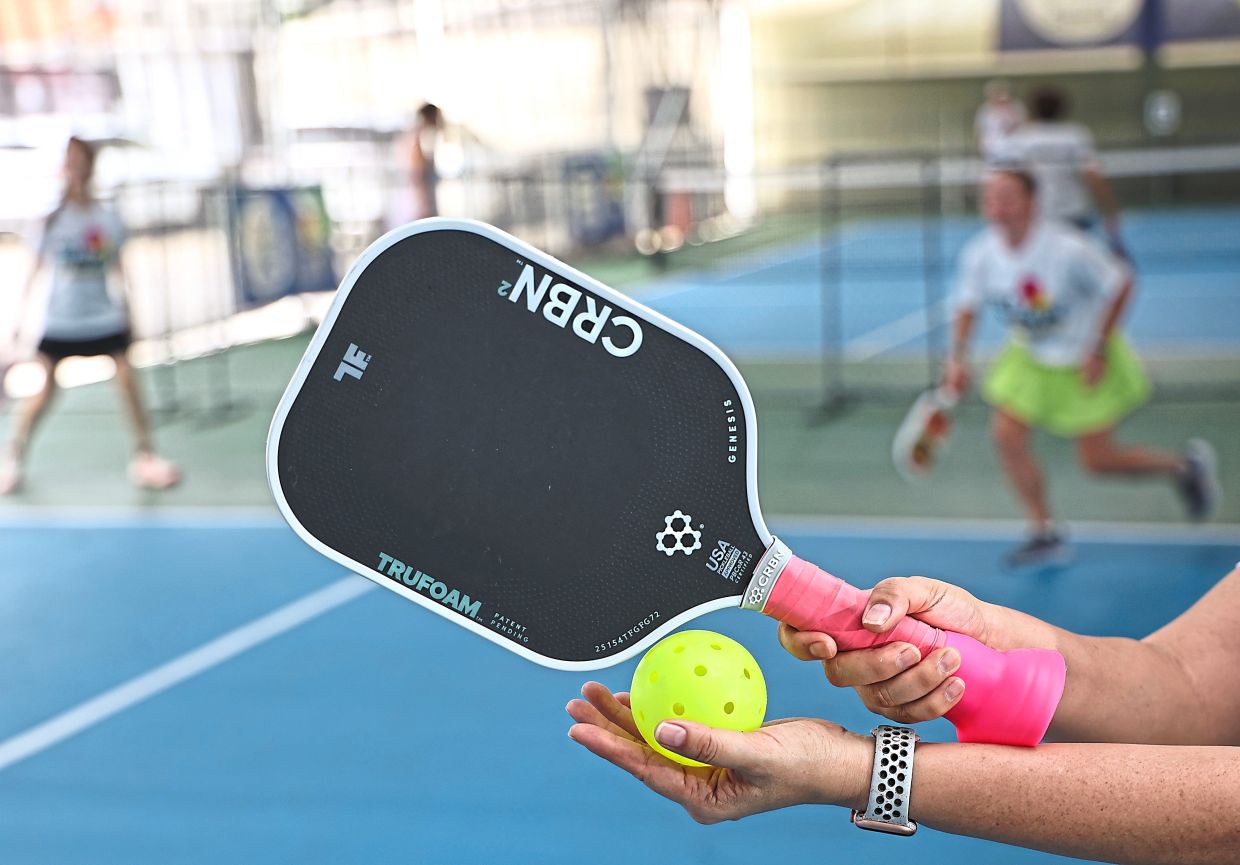
Simpler than tennis, ping pong and badminton, most people say pickleball is fun and easier to learn.
Chan (right) is a veteran racquet sports player for over 20 years. He says the ease of picking up pickleball has bolstered its popularity.
Sook Leng and her friends (not pictured) wanted to create an inclusive space where the entire family, including kids, could play pickleball together.
Lum (standing, fifth from right) with other pickleball friends during their Monday session.
Lum started a group called Get Movin’ Mondays to encourage people to start the week with a healthy activity, like playing pickleball.
Despite having osteoarthritis and a hip injury, Lum says she has no issues playing pickleball, but warm up is a must.