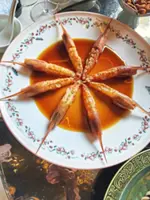
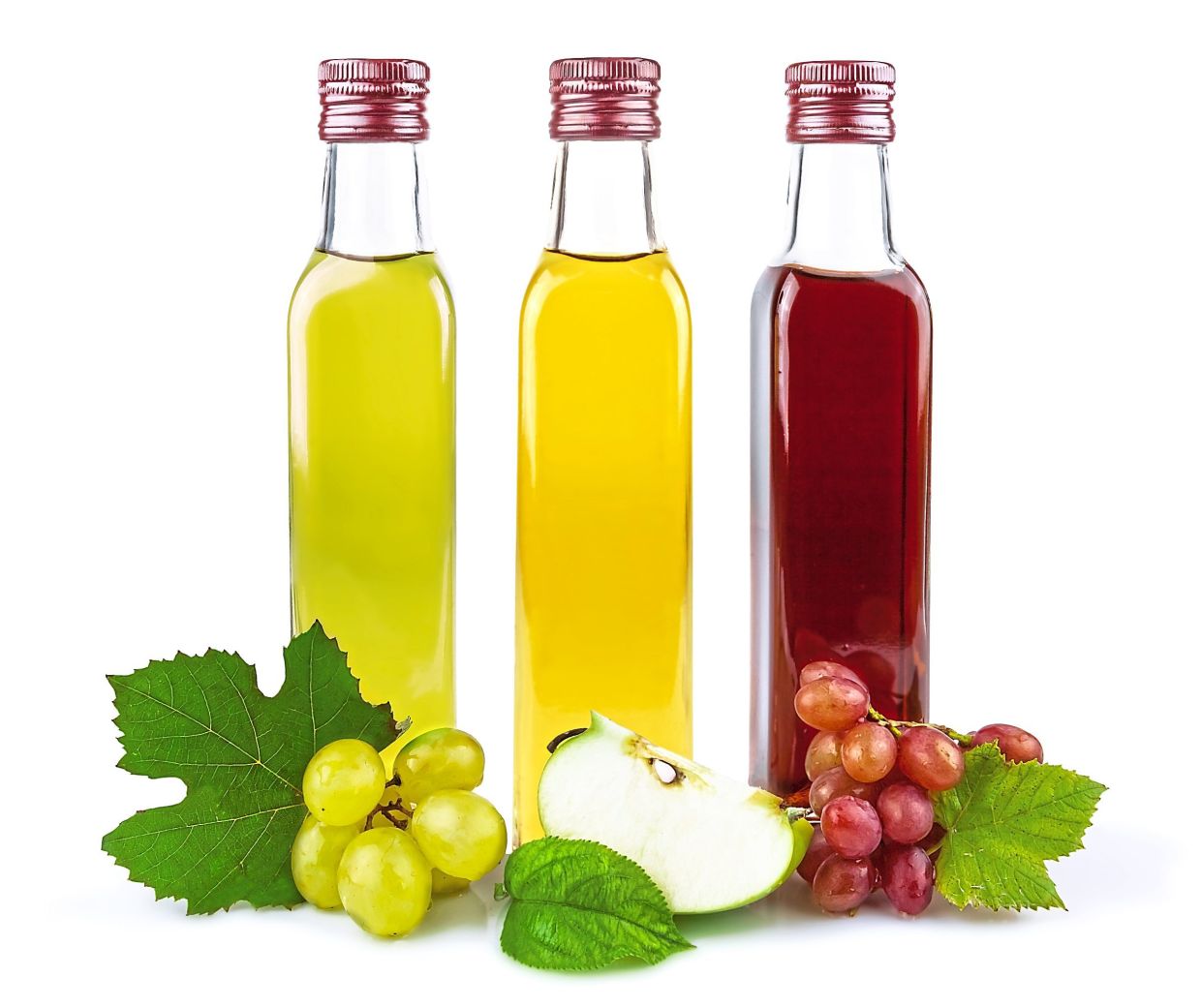
Elected “ingredient of the year” by The New York Times, vinegar can have many uses and personalities far beyond its generic role in a salad dressing or as a decorative balsamic reduction.
You can use a splash as a finish to lentil soup or chilli to add depth. Some bartenders are throwing it into mocktails.
There are folks who use raw vinegar for its supposed health benefits. It can even be lightly sprayed onto cookies.
Long before its current moment in the spotlight, Filipinos used vinegar as an integral element in their cooking.
But local chef Rafael Vencio, who was born in Quezon City in the Philippines, points out that Filipinos use a variety of sources to get that acidic hit.
“Filipinos have a deep love for three main flavour profiles, particularly sweet, salty and sour,” said Vencio, who is slated to open his Filipino restaurant, AmBoy, in late spring on Pittsburgh’s North Side. “Sour is just ingrained in our palate.”

A love of acidity
Filipinos use not only vinegar from different sources but also under-ripe fruits, such as tamarind, to add acidity.
Some will make their own condiments to add to foods, Vencio said, usually using some type of vinegar.
Filipino vinegar can be made from cane, coconut or palm. The type employed depends largely on regional custom and personal taste.
Spanish colonisers expanded the Philippines’ indigenous sugarcane plantations, and sugarcane remains an economically significant crop in the country.
Cane vinegar is the most common type used.
For their condiment or dipping sauce – called suka sawsawan – Filipinos up the acid ante by adding the native citrus fruit calamansi, also known as a Philippine lemon or lime.
Fish sauce, soy sauce, garlic, peppercorns, onion and chillies are common components.
“Essentially what we do is we’re compounding acidity,” Vencio said. “That’s how we make the sour flavour profile more robust and more complex.”
Personal condiments are used to adapt all types of dishes but especially seafood.
They can be a dipping sauce for crab, for instance, or fried fish or pork.
The original fusion cuisine
Kimberley Ashlee Haugh, of Kimberley Ashlee & Co. catering, calls Filipino cooking “the original fusion cuisine” because it integrates influences from Chinese, Spanish, Indo-Malay and American cultures.
However, adobo, considered the unofficial Filipino national dish, is uniquely Filipino and has indigenous roots.
Although the name comes from the Spanish world adobar, meaning “to marinate,” the dish – chicken or pork braised in vinegar – predates the arrival of Spanish colonisers.
Vinegar is essential to adobo, Vencio said. “It’s not noticeable, but it’s there.”
With cooking, vinegar’s sharpness mellows.
Vencio said vinegar’s role in the dish was partly to preserve the meat, especially back in times when refrigeration was not available. It also balances adobo’s saltiness.
Cane vinegar, which Haugh describes as “clean” and “bright,” is most commonly used for adobo, as well as for a dish called paksiw, fish or pork cooked in a sour and savoury broth containing vinegar.
Coconut vinegar – which can be made from fermented coconut juice, sap or blossoms – is “softer” and “rounder” than
cane vinegar, Haugh said, and is traditionally used often in the southern Philippines.
Haugh recalls a vinegar drink her grandmother made, both to quench thirst and aid digestion. Haugh compares it to the apple cider vinegar craze in the US or to Filipino-style kombucha.
“I remember my grandmother, when she would have these vinegar drinks, you would put things in it like green mango, pineapple or guava,” Haugh said, “and you would mix it with a little bit of water and sugar.”
Cane or coconut vinegar is used to make a Filipino ceviche, called kinilaw; fish is “cooked” in vinegar rather than Latin-style citrus. It is often mixed with calamansi, ginger, chillies and coconut milk.
Haugh described palm vinegar as “earthy.”
“It’s got a subtle sweetness to it,” she said.
Going for it
As someone who grew up in Toronto, being slightly ashamed of bringing her aromatic Filipino lunches to school, Haugh finds it gratifying that Filipino cuisine is finding acceptance.
“If you were to tell the 10-year-old me that Filipino food would actually be something that people are interested in, I wouldn’t have believed it,” she said.
Her ultimate moment of sharing Filipino cuisine with an American audience came at a charity dinner for the O’Noir Foundation featuring local chefs cooking black-coloured food.
She decided to make one of her favourite dishes, dinuguan – various cuts of pork stewed in pig’s blood and vinegar, among other ingredients.
“I was like, ‘I’m going to do it. I’m going to go for it.”
The 10-year-old Haugh would have been amazed. – Pittsburgh Post-Gazette/Tribune News Service
Serves 4-6
- 900g to 1.1kg chicken (bone-in thighs, drumsticks or mixed)
- 1 whole head garlic, cloves smashed
- 1/4 cup soy sauce
- 1/3 cup cane vinegar (or white vinegar), divided
- 1 or 2 tbsp neutral oil
- 2 or 3 dried bay leaves
- 1 1/2 tsp whole black peppercorns, lightly crushed
- 1/2 cup water
- 1 cup coconut milk (first press, if available)
Optional:
- 2 or 3 Thai chillies
- 1 small onion, sliced (not always traditional but common in home kitchens)
To make
- Combine chicken, garlic, soy sauce and half the vinegar.
- Marinate 30 minutes to two hours (or cook immediately; both are authentic).
- Heat oil in a heavy pot over medium heat.
- Remove chicken from marinade and brown on all sides.
- Add garlic from marinade and saute until fragrant.
- Pour in marinade, remaining vinegar, bay leaves, peppercorns and water.
- Do not stir for the first five minutes. This allows the vinegar to mellow. Simmer uncovered 20-25 minutes until chicken is tender and sauce reduces.
- Lower heat and stir in coconut milk.
- Simmer gently 10-15 minutes until sauce thickens and coats the chicken.
- Taste and adjust saltiness with a splash of soy or water; not sugar.
- Optional: Let oil slightly separate for a richer, traditional finish.
- Remove bay leaves before serving. – Kimberley Ashlee Haugh