The bricks are local, the open-air ventilation is abundant, and a single towering baobab unites it all: architect Francis Kere's new building in Dakar is simultaneously sustainable and distinctly African.
A dual national of Burkina Faso and Germany, Kere is the only African to have won the Pritzker Prize (2022), architecture's most prestigious award.
His Berlin-based firm's latest building, the Goethe-Institut German cultural centre in Senegal's capital, embodies his trademarks: simple, local materials, a commitment to Africa and design principles that are simultaneously aesthetic and comfortable.
While Kere's work began in Africa using bioclimatic principles that take into account climate conditions and available local resources, he has subsequently expanded to Europe and the Americas.
With major new projects now as far afield as Las Vegas and Rio de Janeiro, how does Kere plan to remain true to his roots in traditional materials?
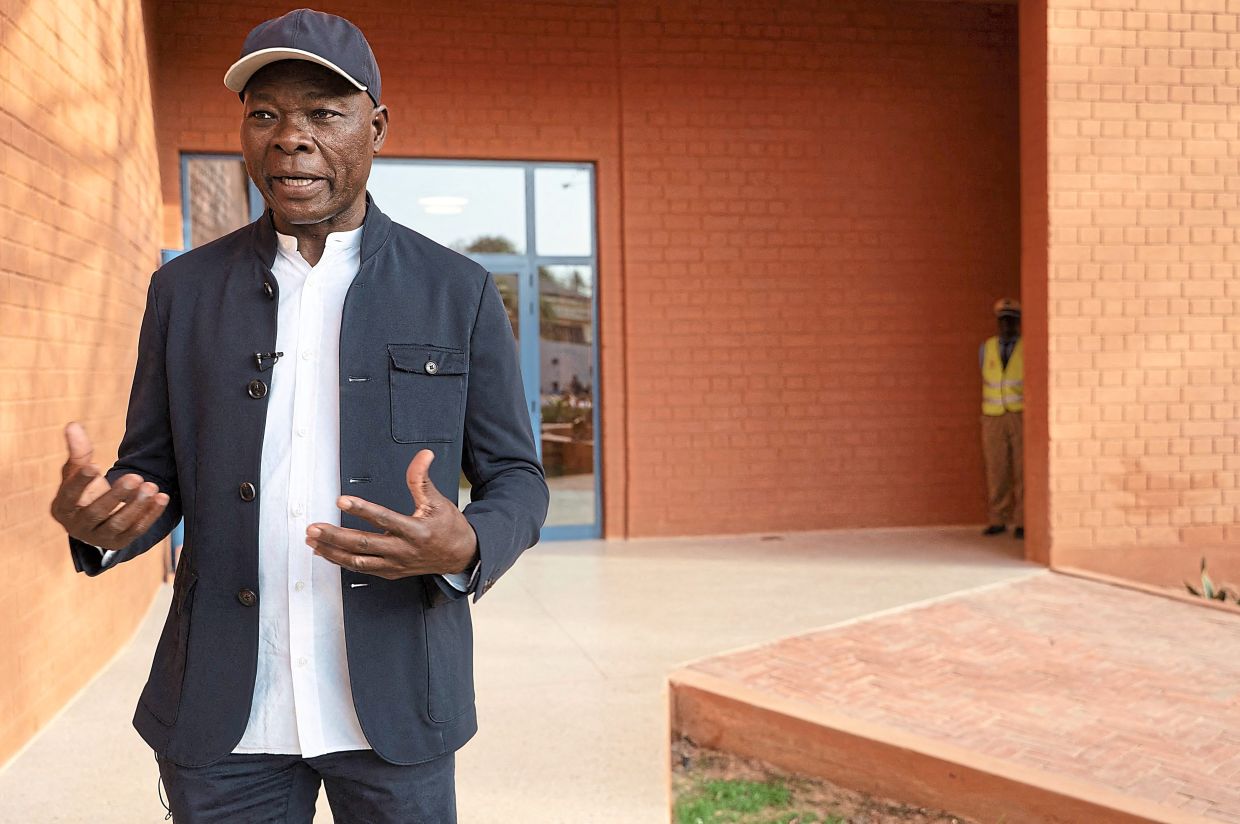
"If you give me sand, mud and bamboo, I can guarantee you I will create a project for you", he said during the Goethe building inauguration in mid-April.
"If you add steel, OK, I will go further".
Central baobab
Originally from the small Burkina village of Gando, Kere travelled to Germany on a carpentry scholarship before staying to study architecture.
His first building – with input and labour from those in the village – was the Gando Primary School, an award-winning schoolhouse completed in 2001 to help remedy his community's lack of educational facilities.
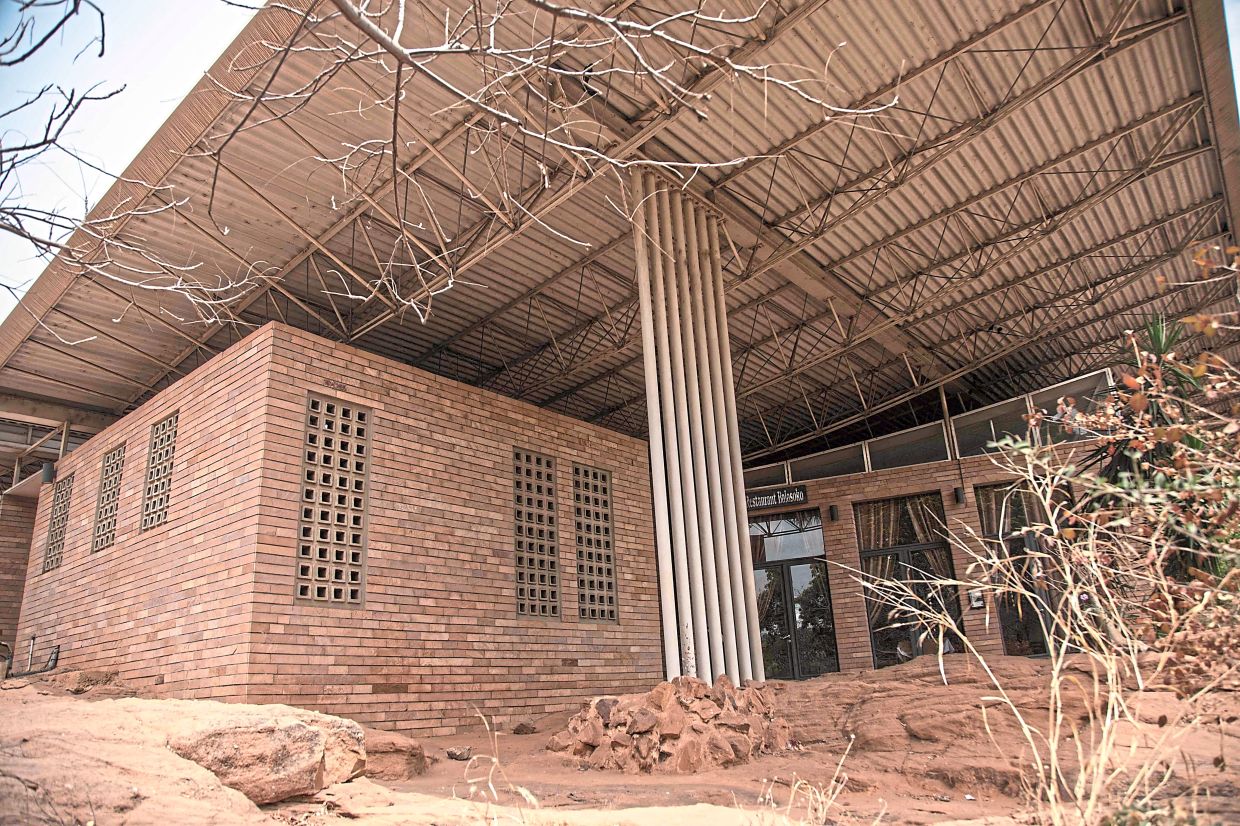
He used local red clay and cement to make bricks that provide thermal protection in the hot climate and shielded the structure from rain with a large overhanging roof that towers above the building, rather than sitting atop it trapping heat.
Fast forward several decades and many of the same principles apply at the Goethe-Institut, a US$4mil (RM15.8mil) state-of-the-art building where some classrooms have air conditioning, but much of the facility is cooled using passive ventilation.
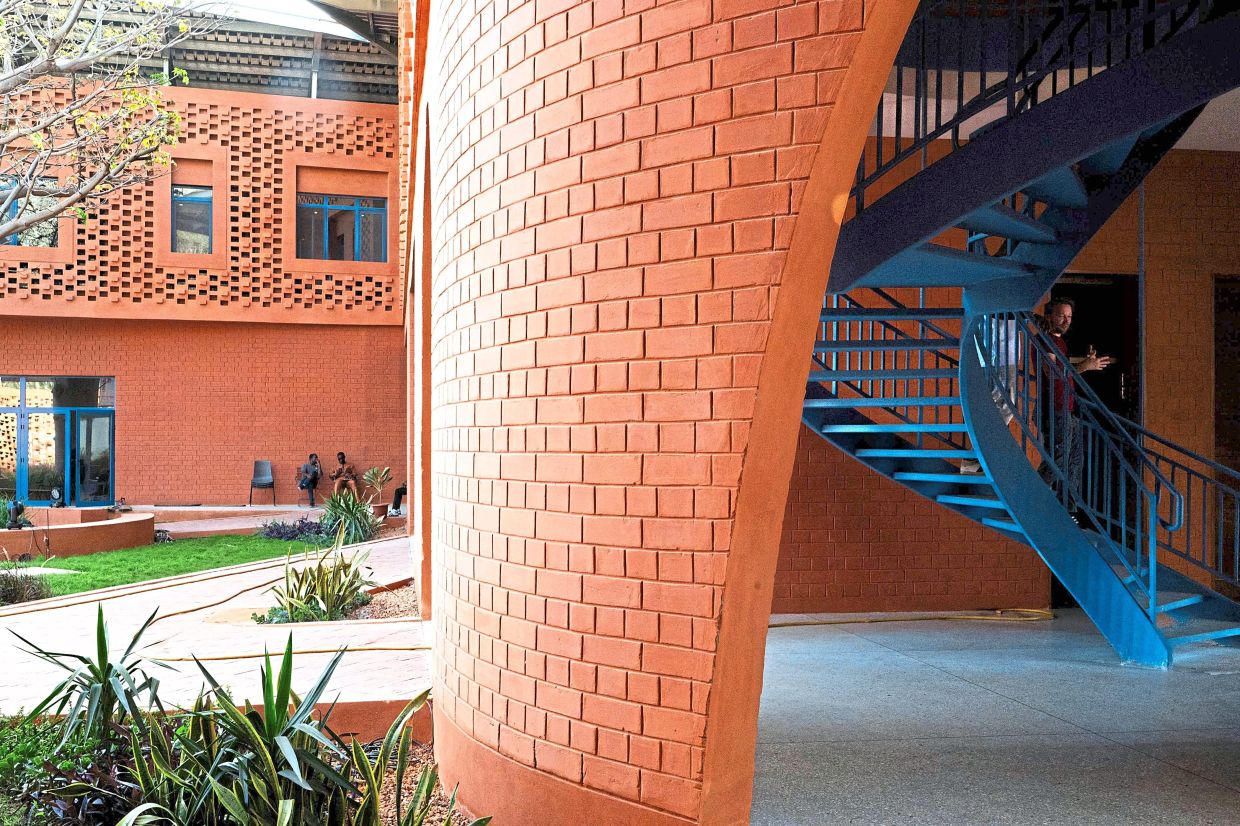
The bricks use West African red clay and are arranged in a perforated wall system that is not only attractive but allows for cross ventilation.
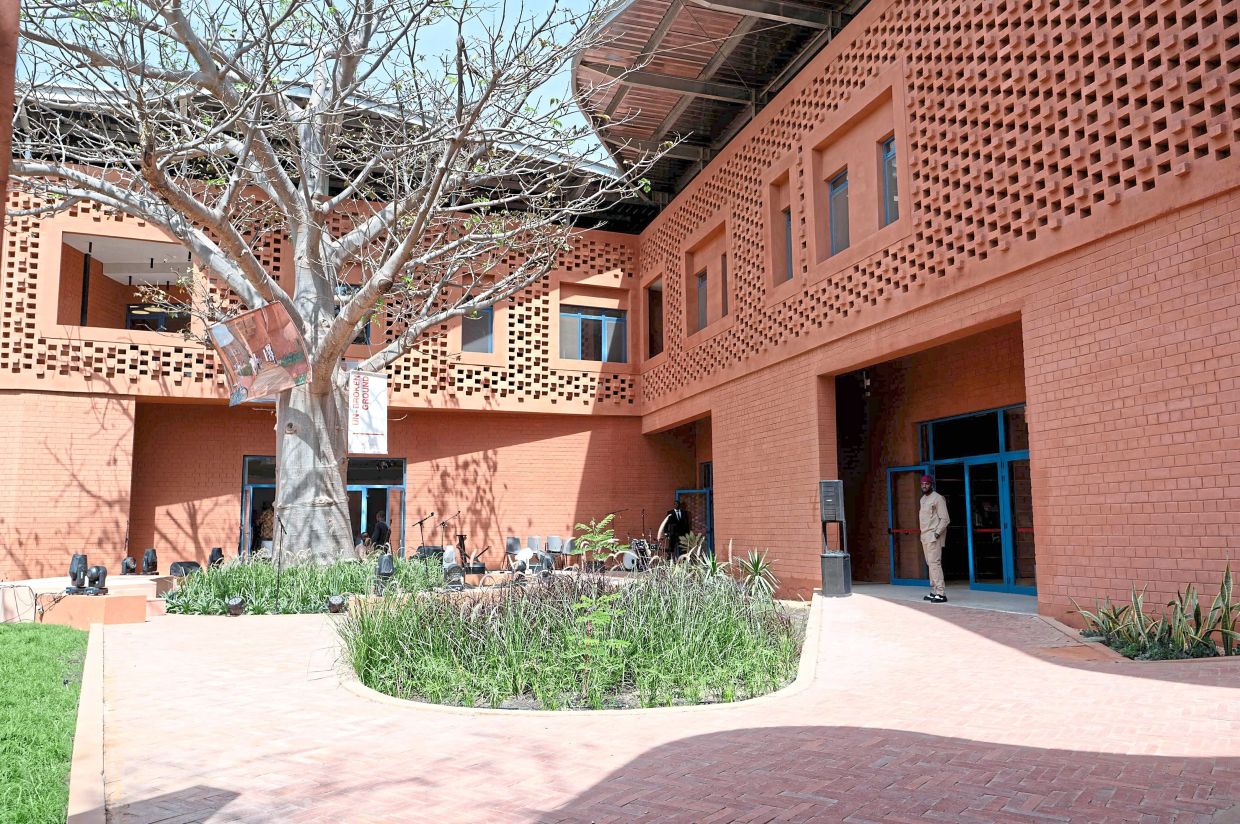
In a courtyard stands a large baobab, a symbol of Senegal and west Africa. Known for its massive trunk and dangling fruit, the baobab is considered a palaver tree where communities traditionally gather for dialogue.
"I told myself, the baobab should be the centre, it is where everyone will meet", Kere said.
"Every function in the building will pivot around this baobab".
Energy consumption
"We've convinced ourselves that glass and concrete, that these are the materials one must use, and that other alternatives aren't even true alternatives, because they are for poor people", Kere said.
With the backing of policy makers and designers, however, bioclimatic techniques could easily be integrated into the urban fabric, Kere believes.
The energy crisis from the Strait of Hormuz's closure points to the need for new ways, he added.
"Right here, we have alternatives that could serve our needs – namely, rethinking the way we build our cities and reducing our energy consumption," Kere said.
"A well-executed earthen building can contribute significantly to achieving this."
When a massive project cannot use earthen bricks throughout, such as Kere's forthcoming new National Assembly building in Benin, "we will use concrete the way that is efficient", he said.
The building, designed to resemble a palaver tree, could be finished next year.
Global reach
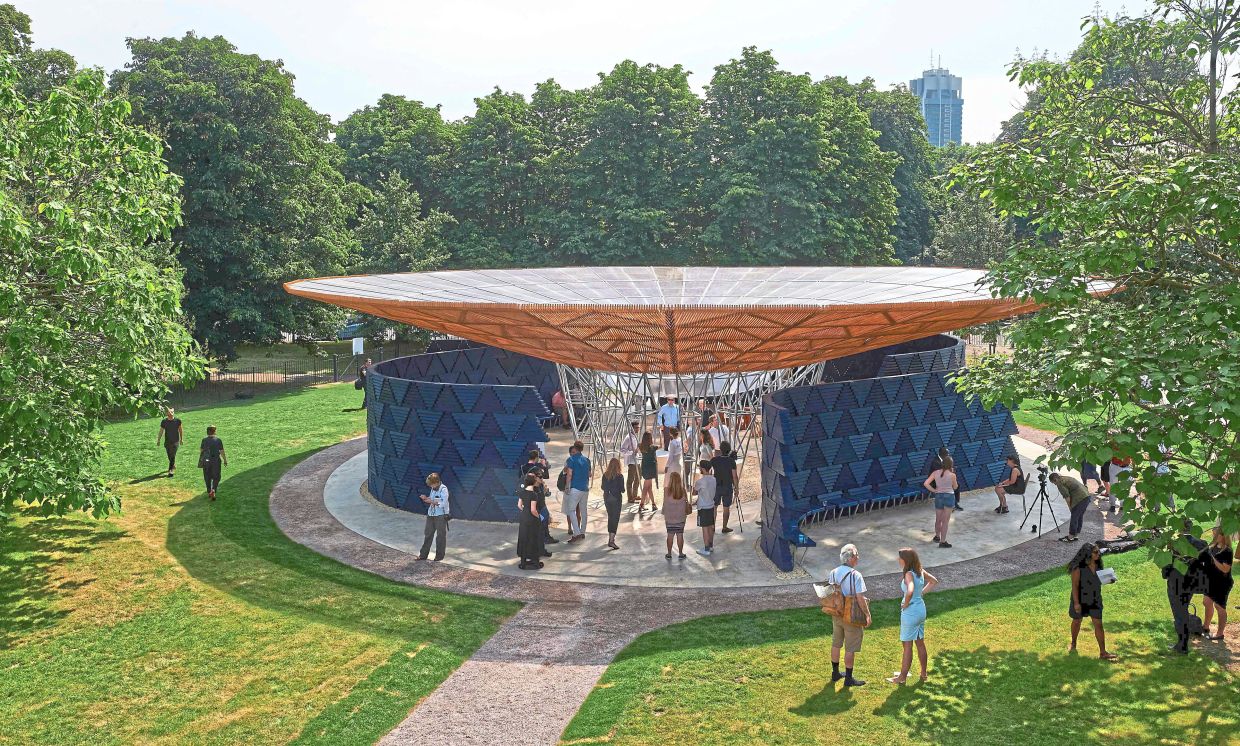
In his native Burkina Faso, Kere last year completed a mausoleum to Thomas Sankara, the pan-Africanist revolutionary and former president who was assassinated in 1987.
It is part of a sprawling memorial park still under way.
The country's ruling junta which came to power in 2022 is fighting a long-running battle with tens of thousands of deaths since 2015.
Calling the violence "devastating", Kere said the situation has not slowed his pace.
Last year, he built 11 Burkina Faso schools and only regrets that he no longer brings his European students along.
Half a world away, Kere's firm is behind the forthcoming downtown Las Vegas Museum of Art, a project the architect said thrust him into "a completely other world" but which will still use locally available resources like native red rock.
In Brazil he has designed the Biblioteca dos Saberes – a library and cultural centre which he calls a "house of wisdom".
"I'm very surprised to see who is calling me to do projects," Kere said, reflecting on his increasing global portfolio.
"The only thing that I'm worried about, and I'm working to not let it happen, is to be taken away from Africa." – AFP