
In recent weeks, Kuching-born biomedical officer Adela Ida Jiram is one of the most talked-about figures in the Iban community.
No, she hasn't won any Kumang Gawai beauty pageant nor has she gained attention for playing traditional Sarawakian instruments like the sape or jatong utang.
Instead, she recently made history in the local science field as the first Sarawakian Iban to be elected president of the Malaysian Society of Parasitology and Tropical Medicine (MSPTM), placing her at the forefront of research and public health discourse in the country.
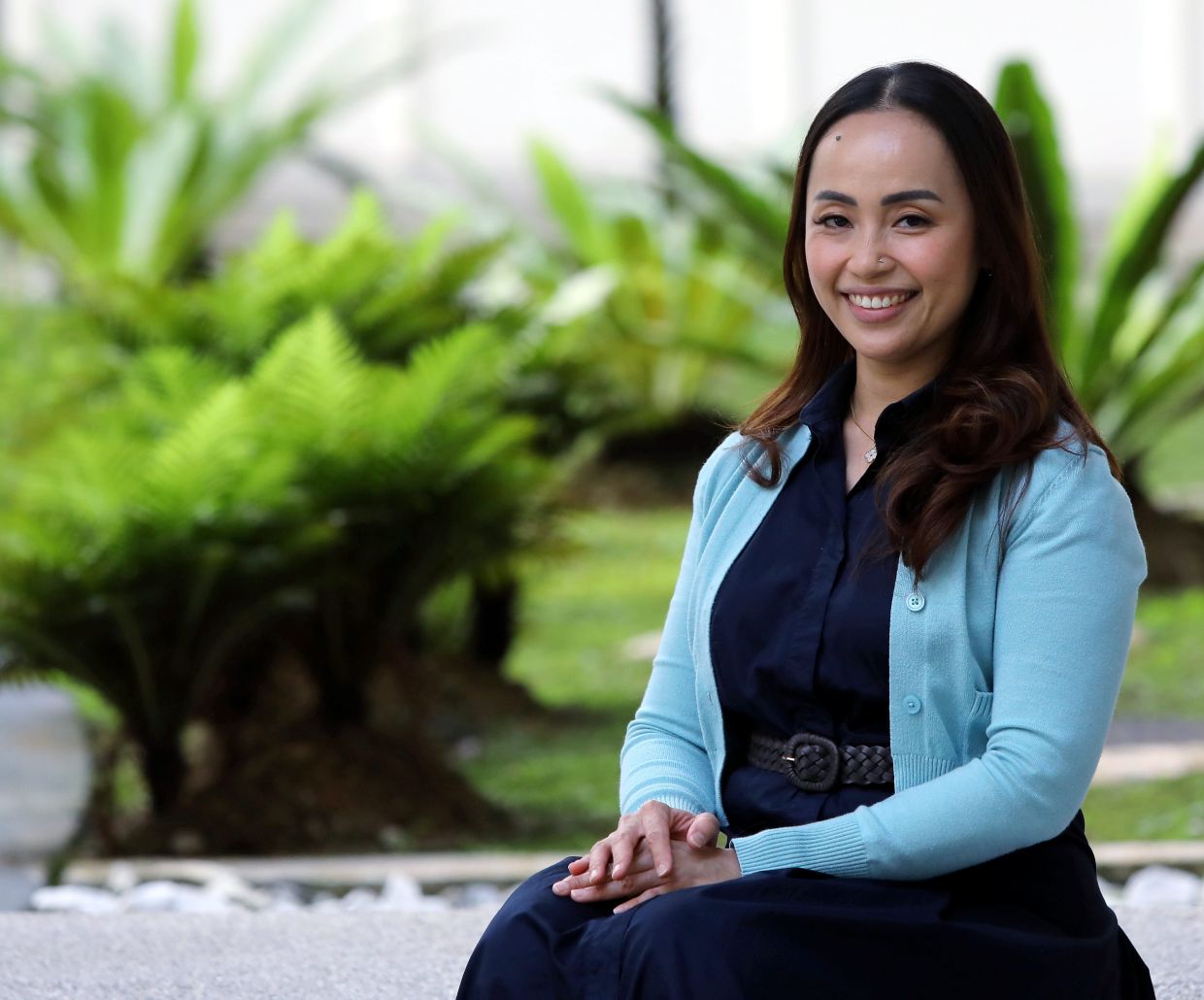
Adela, 41, who is attached to the Health Ministry's Institute for Medical Research (IMR) in Shah Alam, will serve a two-year term at the helm of one of Malaysia's oldest professional scientific societies in the field, established in 1964.
"It is deeply meaningful to me, both personally and professionally," says Adela.
"I see it not just as a personal milestone, but also as a sign of how far women, Sarawakians and indigenous scientists have come in science in the country. At the same time, I know the position carries immense responsibility. But I hope it sends a message to young people that they also belong in science and leadership," says Adela during an interview at IMR's headquarters in Setia Alam.
MSPTM past president Assoc Prof Dr Lucas Low Van Lun says Adela has years of council experience and a deep commitment to the society.
"She is a young, compassionate and energetic leader who knows our history but has the drive to lead us."
The society brings together experts from research, healthcare, government and industry in parasitology and tropical medicine.
Leading it is a significant responsibility, Adela says, but she takes it on with a clear sense of purpose.
In Malaysia's tropical climate, parasitology and tropical medicine remain highly relevant fields. Diseases such as dengue, malaria, intestinal parasitic infections and other vector-borne or zoonotic diseases continue to pose public health challenges.
"These diseases affect not only health, but also involve productivity, healthcare costs, rural livelihoods and national preparedness," she explains.
"Research helps improve diagnostics, surveillance, prevention and treatment. It is especially important as land- use change, climate factors and human–animal–environment interactions continue to shape disease patterns."
Thrive with support and opportunities
Adela joins many accomplished Malaysian women in science across medicine, engineering, public health and space science, reflecting how women continue to excel and rise into leadership roles in these fields.
They include the country's first astrophysicist Tan Sri Dr Mazlan Othman; infectious disease specialist Emerita Prof Datuk Dr Adeeba Kamarulzaman and statistician Prof Dr Yap Bee Wah, who was named among the World's Top 2% Scientists for 2025 by Stanford University in California, the United States and Dutch academic publishing company, Elsevier.
Recently, The Star reported that consultant haematologist Dr Thein Swee Lay has became the first Malaysian-born scientist to win one of the six 2026 Breakthrough Prizes, often called the "Oscars of Science."
A 2023 study, "Working Environment for Women Leadership in STEM" published in Universiti Kebangsaan Malaysia's Jurnal Ekonomi Malaysia found that women in science are often motivated not only by career advancement but also by a strong desire to contribute to society.
Adela believes women can thrive in science when given the right support and opportunities.
"Science requires a curious mind, resilience, discipline and confidence," she says.
"It also demands critical thinking, patience, teamwork and communication. Research is not just about generating data, but asking the right questions and working well with others. Adaptability is important too, because science is always evolving."
Adela, the second of three siblings, was drawn to the life sciences early in life, motivated by a desire to understand disease and its impact on public health.
She pursued biomedical science at Universiti Malaya, followed by a Master of Medical Science (medical parasitology) at the same university. She has recently submitted her PhD in molecular medicine at Universiti Sains Malaysia and hopes to graduate this year.
"That academic journey deepened my interest in infectious diseases and eventually led me into parasitology and malaria research," says the former student of SMK St Mary, Kuching.
Women in science
Despite growing opportunities, Adela acknowledges that challenges still exist for women in science in Malaysia.
"These barriers are often a combination of structural and cultural factors," she says.
"Some young women still face limited exposure to science role models, financial constraints, unequal access to mentorship and stereotypes about suitable careers."
She believes these challenges can be addressed through stronger encouragement in schools, better access to scholarships, structured mentorship programmes and continued institutional support.
Representation, she adds, is especially important for rural and indigenous communities.
"Science needs people from different backgrounds, especially those who understand local realities and lived experiences," she says.
"My advice is to stay curious, build strong fundamentals, seek mentors, ask questions without fear, and remember that you do not need to change who you are to succeed in science. Your identity can be a strength."

Adela credits her parents for supporting her academic journey and professional aspirations.
"Like many families, my parents wanted me to choose a meaningful and stable path, and they encouraged me to work hard and stay focused," she says.
Her father, a rural sociologist and former science officer in Kuching, and her mother, an accounting clerk at Telekom Malaysia, placed strong value on education.
"Although they were not in biomedical science, I grew up in a household where education and professional commitment were highly valued. Their support gave me the confidence to pursue the field."
Leading MSPTM
As MSPTM president, Adela will work closely with the council to guide the society's direction and ensure it remains active, relevant and visible.
Her responsibilities include supporting scientific meetings, encouraging collaboration, mentoring younger scientists, promoting public awareness and representing the society nationally and internationally.
"I also see the role as helping MSPTM stay connected to Malaysia's public health priorities," she says.
During her tenure, she plans to highlight research that is both scientifically robust and meaningful to communities.
This includes malaria – particularly zoonotic malaria – as well as dengue, rickettsial infections (bacteria transmitted by ticks, fleas, lice and mites) and intestinal parasitic diseases affecting vulnerable populations.
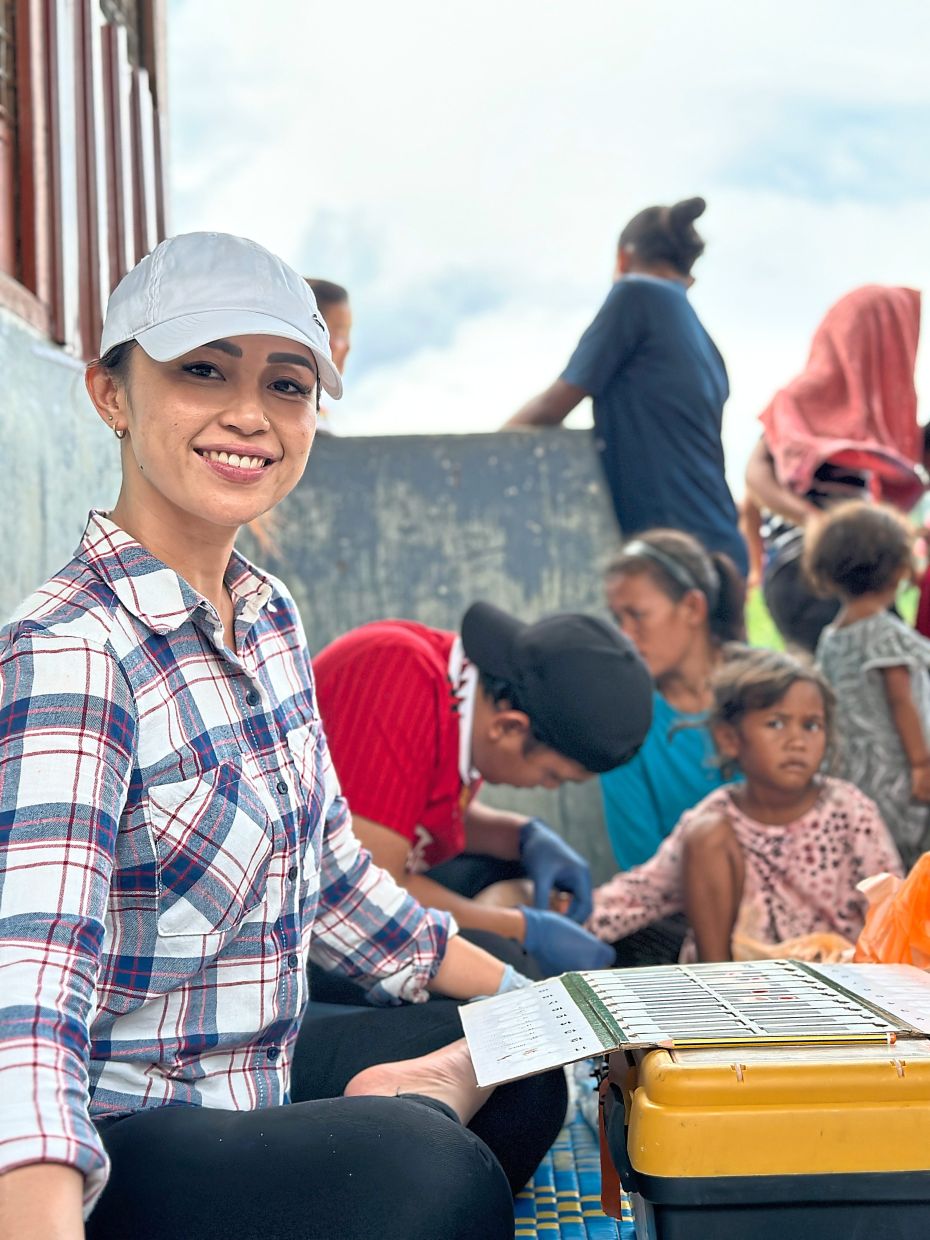
"I am especially interested in community-based and field-oriented research involving indigenous and rural communities, particularly in Borneo, because these communities are often at the fron line of disease risk but are not always heard enough in research discussions."
She also hopes to strengthen partnerships among universities, research institutes, hospitals and public health agencies, while expanding international collaboration through joint meetings, multi-centre studies, student engagement and research exchanges.
Adela's new leadership role comes on top of an already demanding schedule. She works full-time as a researcher and serves as an adjunct lecturer at a private university.
And beyond science, she is also a dance instructor, teaching bachata, a social dance style originating from the Dominican Republic, at a dance centre in Kuala Lumpur.
"With work at IMR and MSPTM, and while working on my PhD, it's tough. Mana ada masa (I don't have time)," she quips in her thick Sarawakian accent.
"I hardly have much time for myself, but I love to dance – and this is my way of destressing after a long day at work. The people from MSPTM call me the dancing president," she jokes.

One might wonder how she manages such a packed schedule.
"It requires discipline, planning and teamwork. I am fortunate that MSPTM is supported by a committed council, so this is not a one-person effort. I manage both roles by setting priorities, delegating when needed and keeping goals realistic and structured."
In many ways, her work at IMR complements her leadership role at MSPTM, as both focus on strengthening science for public health.
At IMR, her research involves parasitology and malaria, including laboratory investigations, molecular diagnostics, field studies, data analysis, scientific writing and institutional collaboration.
She notes that parasitology research in Malaysia is both important and challenging.
"Many parasitic and tropical diseases are complex and linked to environmental, behavioural and social factors. Laboratory findings alone are not enough," she explains.
Fieldwork can also be demanding, especially in remote areas, while some infections are difficult to detect due to low parasite levels or lack of symptoms.
"Another challenge is translating research into practical action that benefits communities and health systems."
As she steps into her presidency, Adela hopes her journey will inspire more young Malaysians – especially those from rural and indigenous communities – to pursue science with confidence and purpose.
"Science is for everyone. And with the right support, curiousity and determination, anyone can contribute meaningfully to it," Adela says, glancing back at her microscope as she carries on with her research.
Bridging science and society
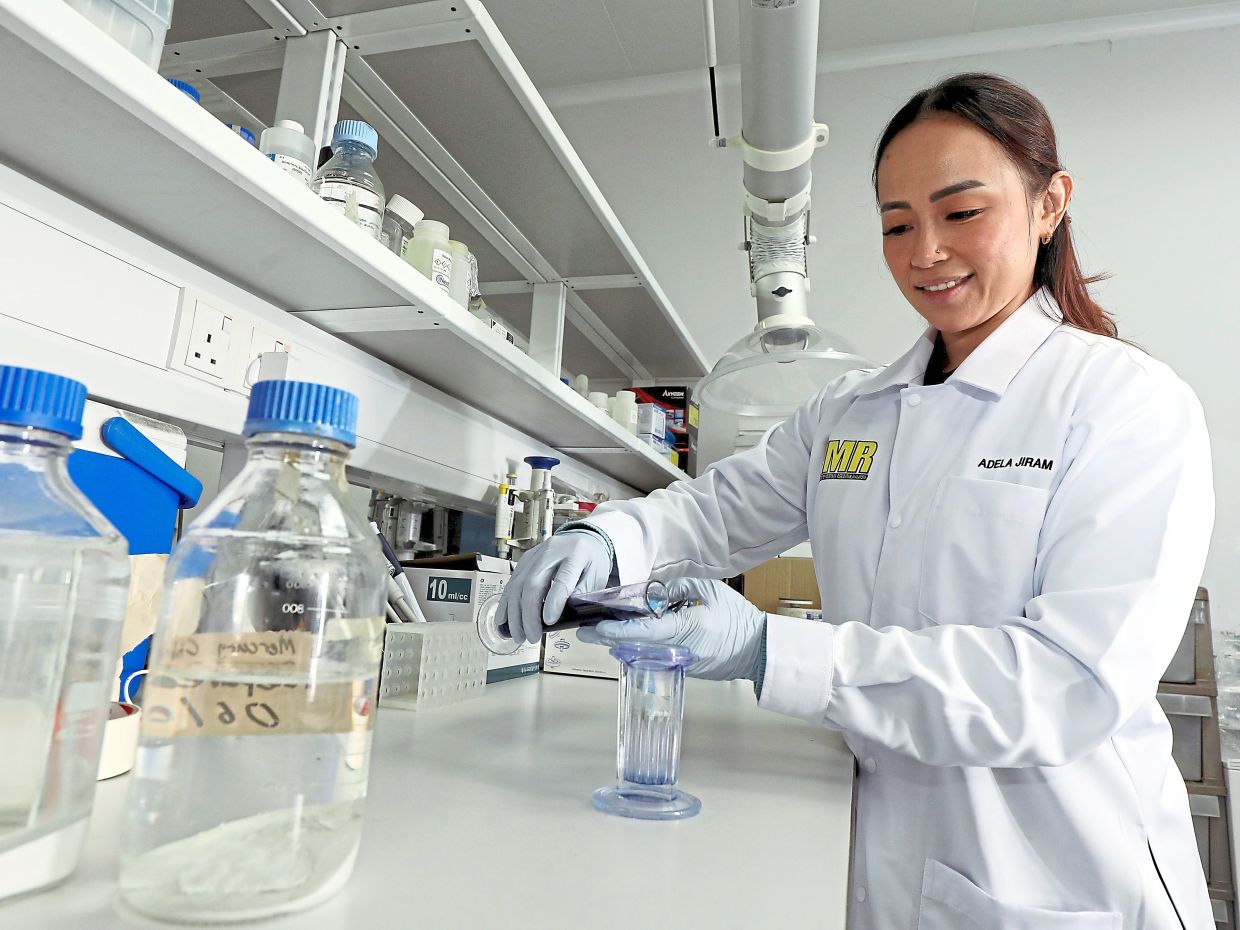
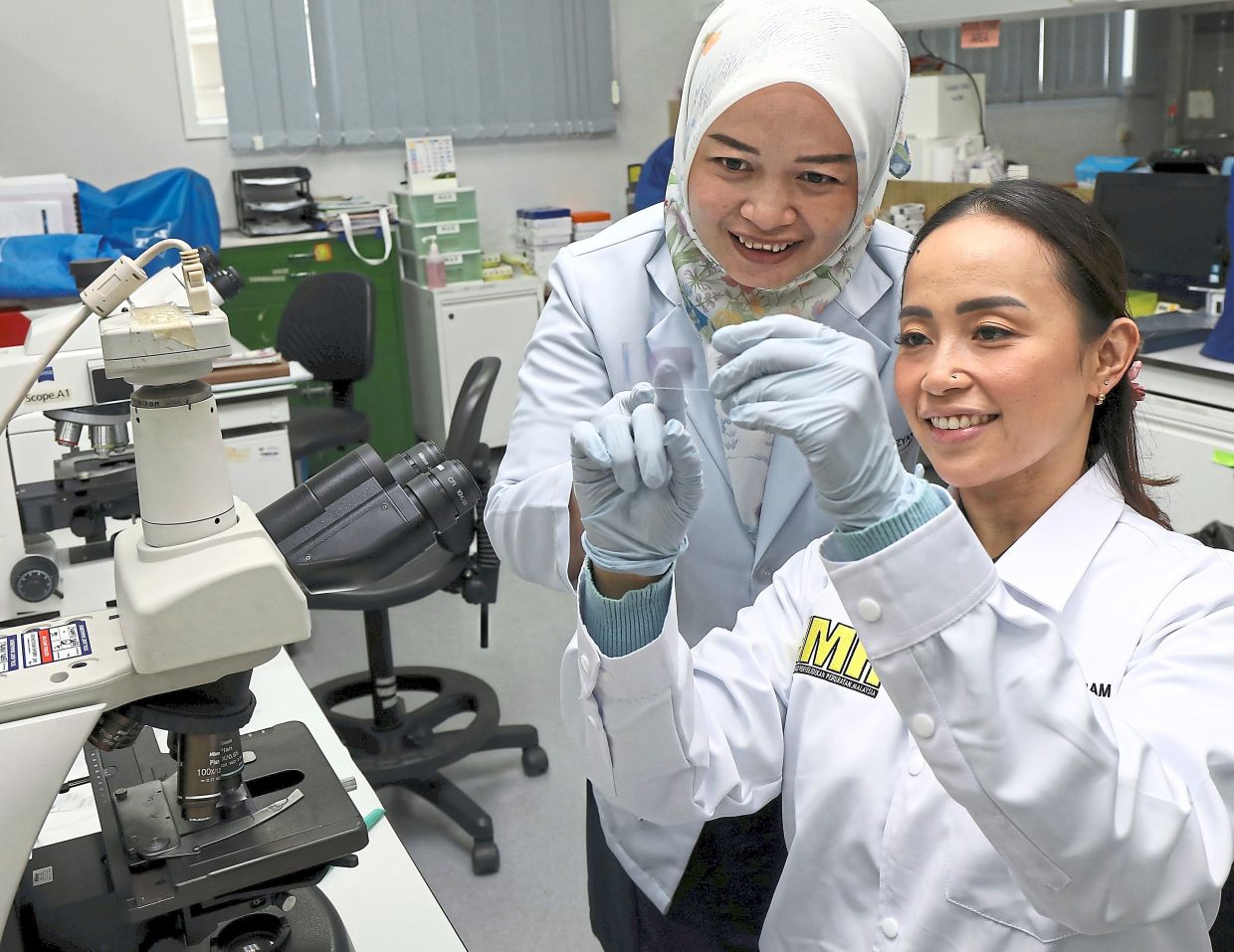
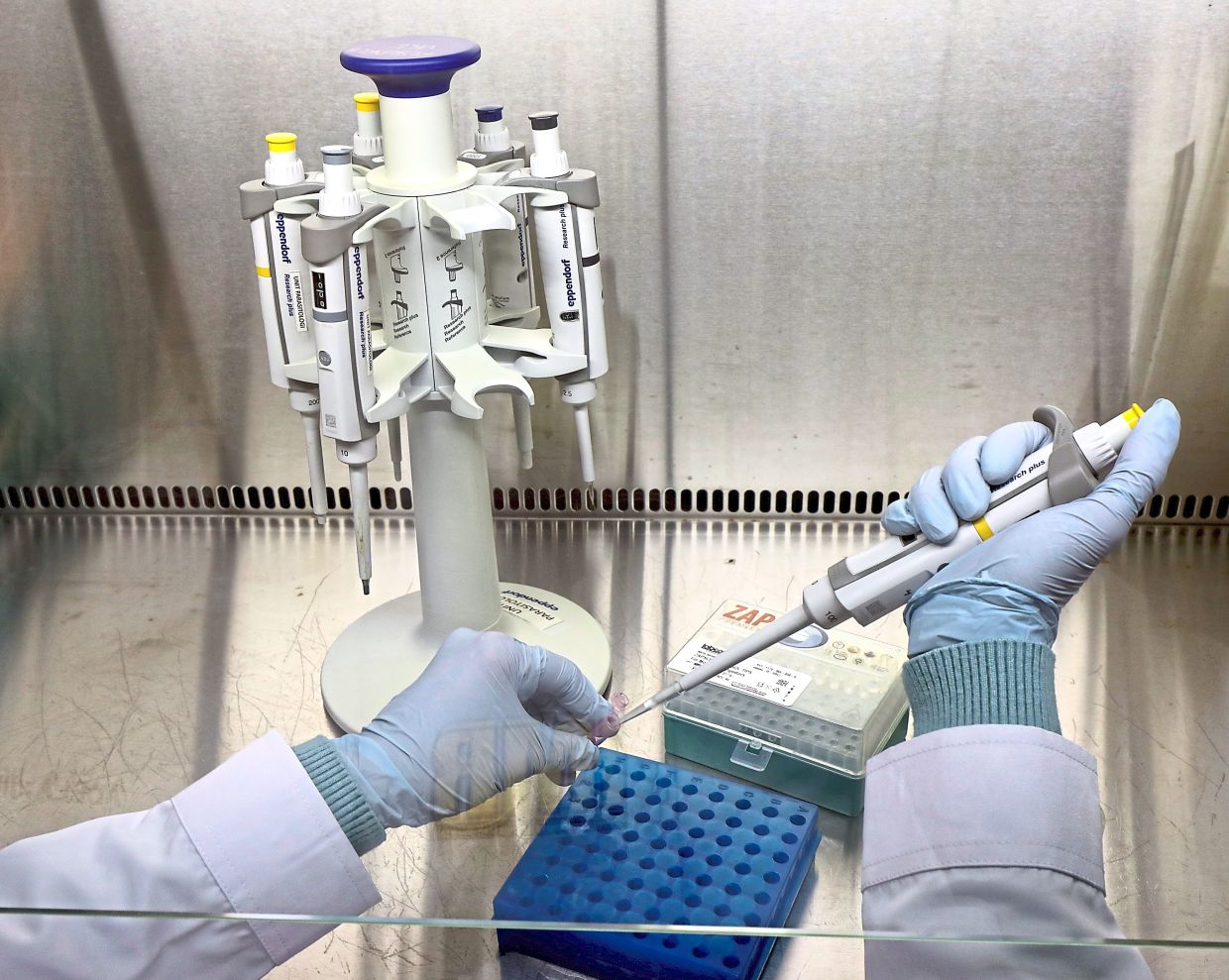
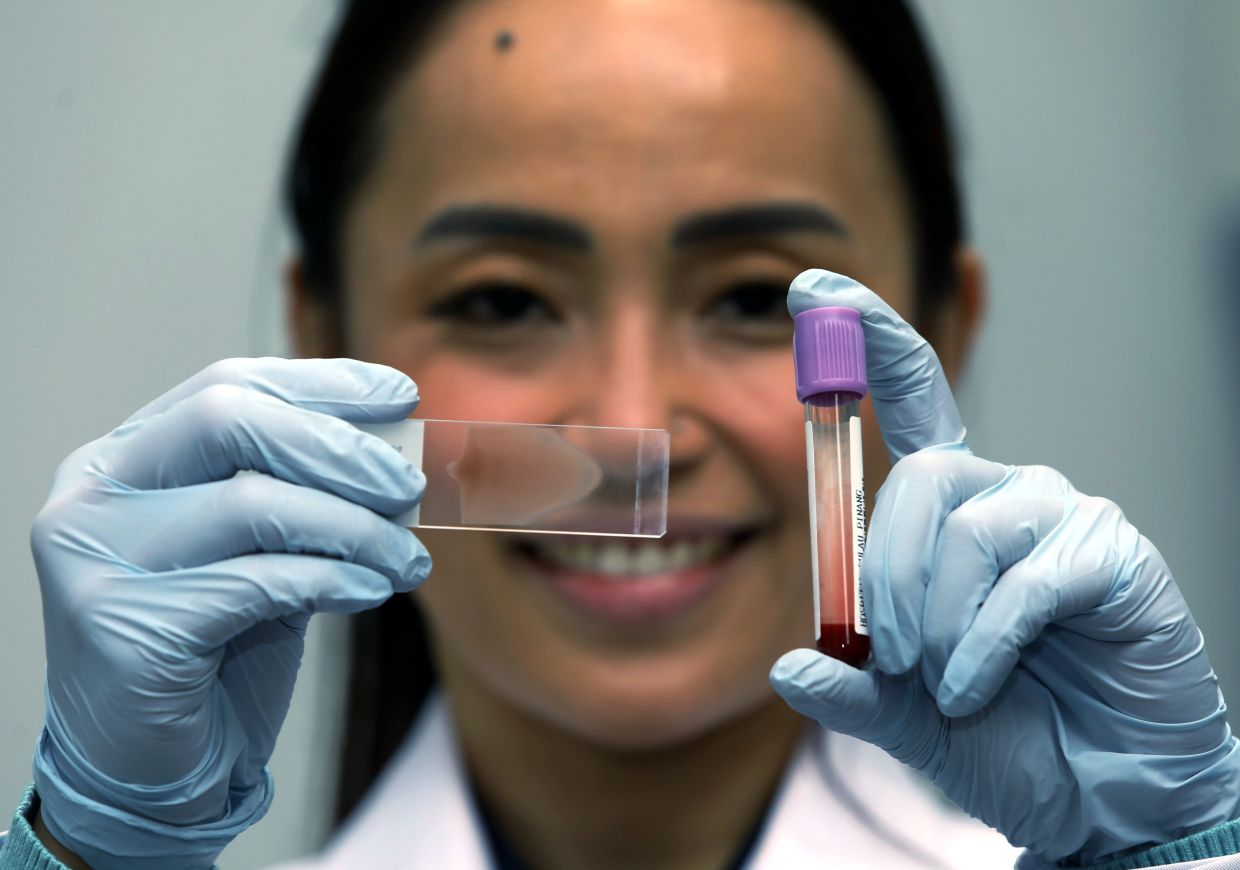
In the laboratory, Adela focuses on parasitology and malaria research to strengthen public health outcomes. Photos: The Star/Azlina Abdullah
Adela (right) works closely with her colleague, medical lab technologist Dayang Izyan Hazwani Zziz, 31, on tackling infectious diseases in Malaysia.
Photo: The Star/Azlina Abdullah
Adela is passionate about community-based research, especially among rural and indigenous populations in Borneo. Photo: Adela Ida Jiram
Adela (centre) with her parents, Jiram Sidu and Linda Jong. Photo: Adela Ida Jiram
'Research is not just about generating data, but asking the right questions and working well with others,' says Adela.
Photo: The Star/Azlina Abdullah
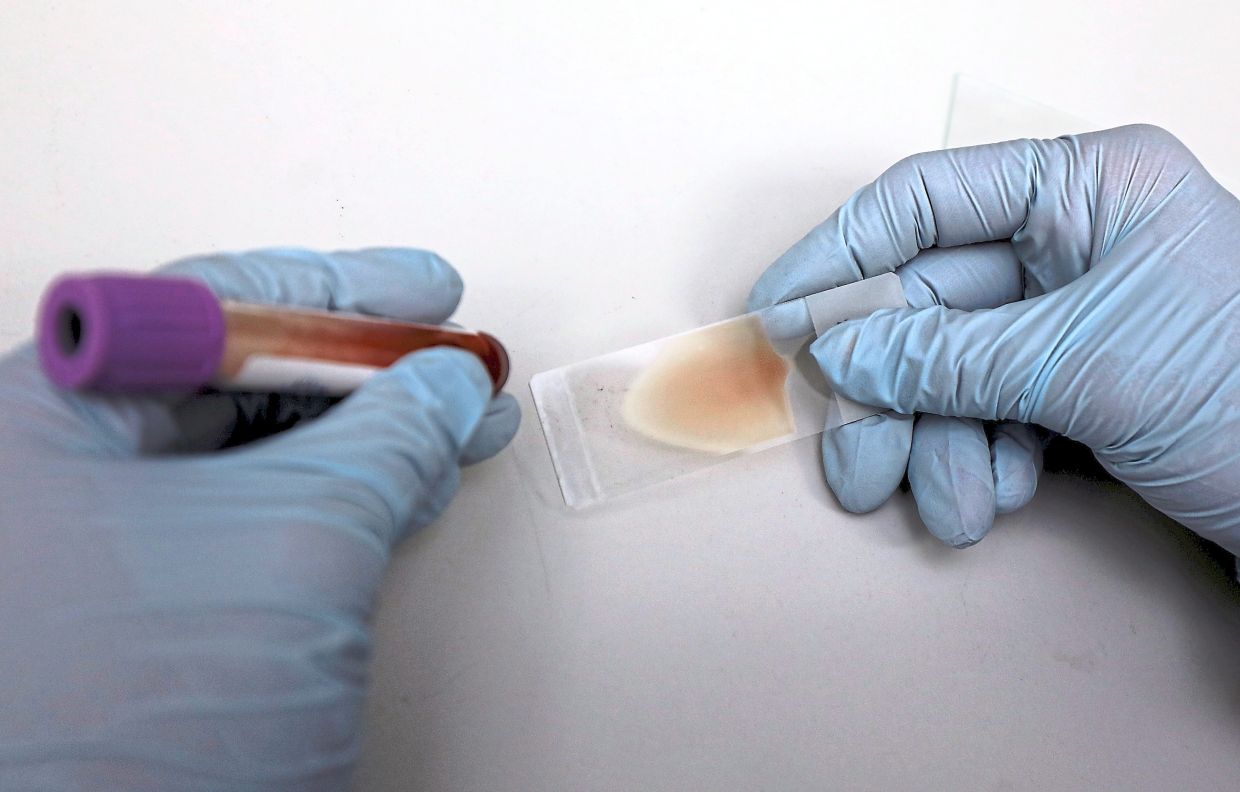
Research plays a vital role in improving how we prevent, detect and treat diseases.
Photo: The Star/Azlina Abdullah
Adela unwinds as a bachata dance instructor - earning her the nickname “the dancing president.” Photo: Adela Ida Jiram
Adela aims to strengthen partnerships and elevate Malaysia’s role in tropical medicine research.
Photo: The Star/Azlina Abdullah
Research plays a vital role in improving how we prevent, detect and treat diseases.
Photo: The Star/Azlina Abdullah
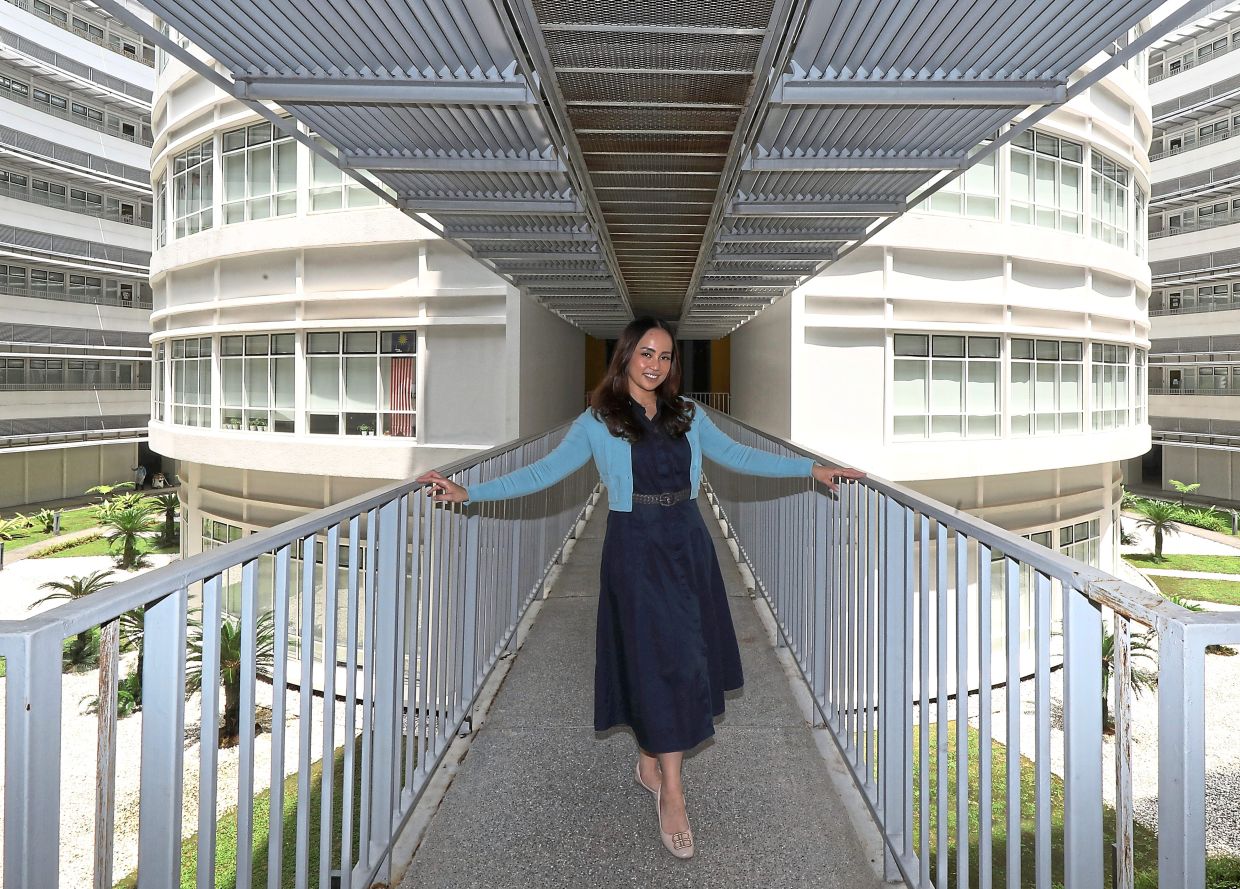
Adela's appointment marks a milestone for women and indigenous scientists in Malaysia.
Photo: The Star/Azlina Abdullah
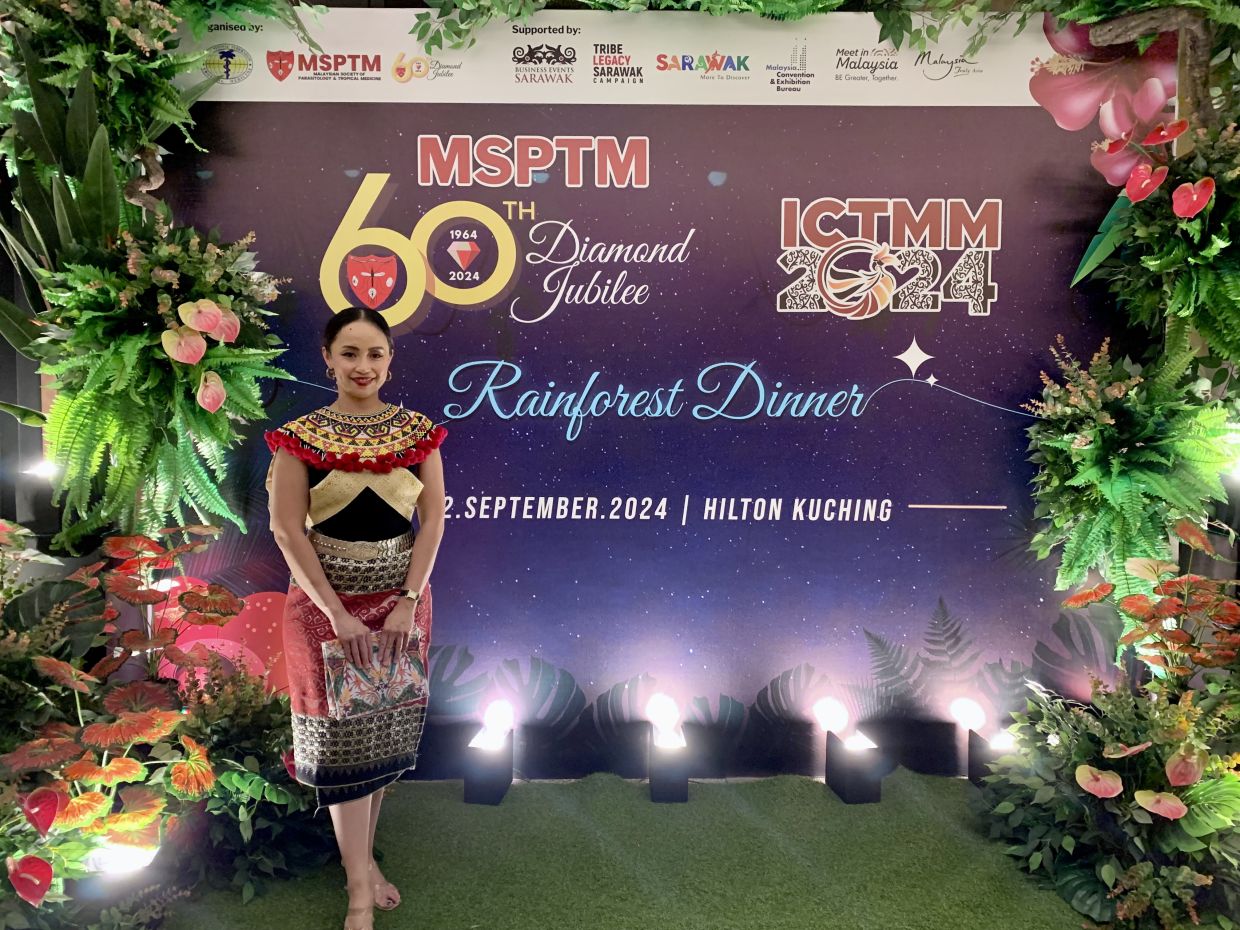
Adela makes history as the first Iban to serve as president, bringing pride to her community. Photo: Adela Ida Jiram