Businesswoman Padmani Suppiah, 54, has long been passionate about sarees. She owned over 200 pieces – sourced from various parts of India – in a wide range of materials, from silk, linen, cotton handloom, tussar silk to chiffon.
Over time, she realised she had simply accumulated too many, with some never having been worn at all. Within her family, her mother, aunts and siblings also had many sarees that had been worn only once, or not at all.
"About 10 years ago, I started learning more about Indian handloom sarees and fabrics. What began as a personal interest soon grew into something deeper. I became fascinated by their history, craftsmanship and how the skills of artisans are passed down through generations.
"These fabrics also carry the culture and memories of our ancestors.Handloom sarees slowly became part of my everyday wear. I was moving towards slow fashion without really realising it," says Padmani during an interview in Puchong, Selangor.
At the same time, Padmani's awareness of textile waste was growing, and she began to notice how easily fabrics were discarded even when they were still in good condition.
The turning point came during her Deepavali spring-cleaning session in 2021.
"As I sorted through stacks of sarees, the idea struck me: what if these fabrics could be transformed into something new and useful? Instead of letting them sit unused, I decided to give them a new purpose, starting with pieces from my own collection as well as those contributed by family and close friends."
Padmani's increasing environmental awareness, influenced by documentaries and discussions on sustainability, inspired her to take meaningful action – an act of seva (selfless service).
"I had seen printed bags made from fabric in India, and I thought, why not do something similar with sarees?"
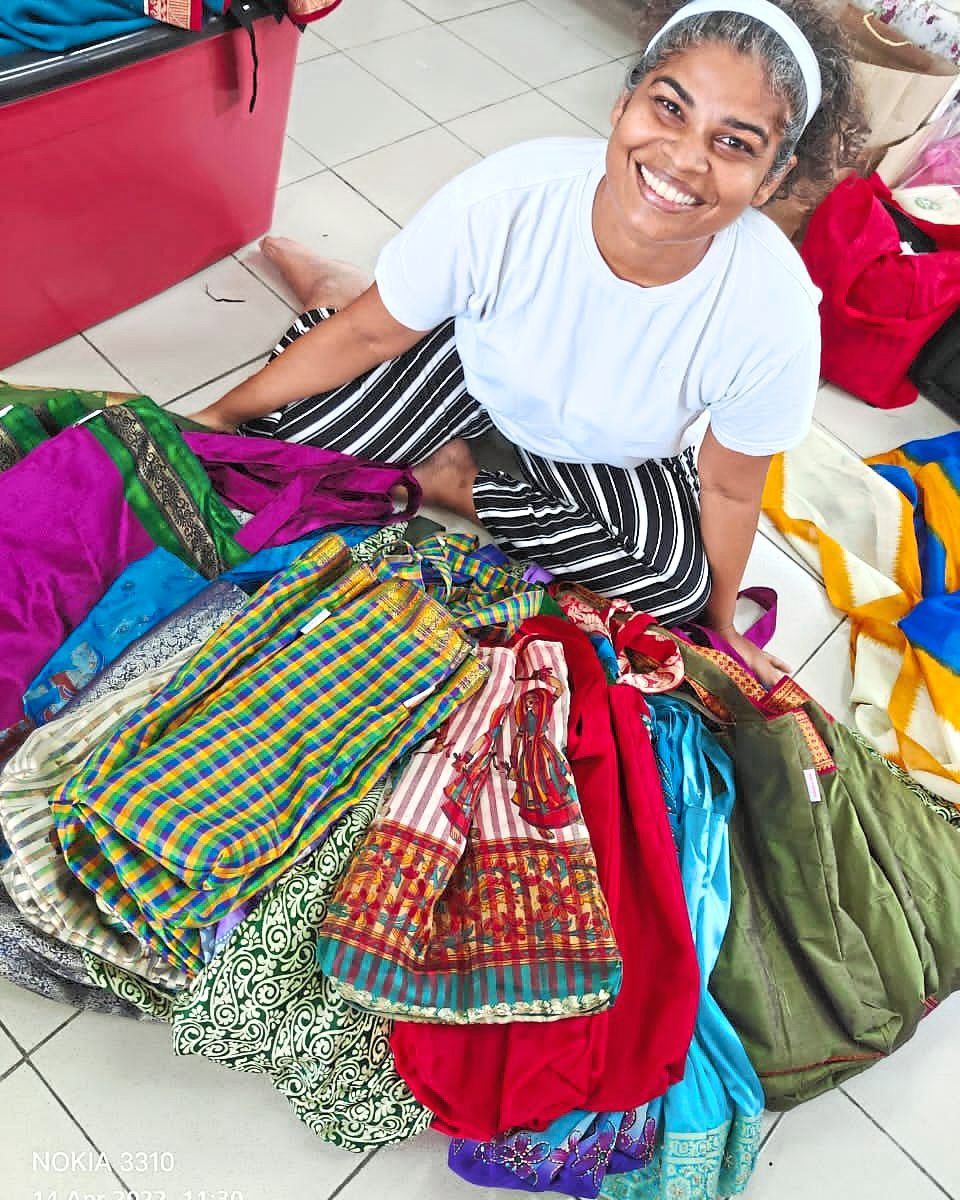
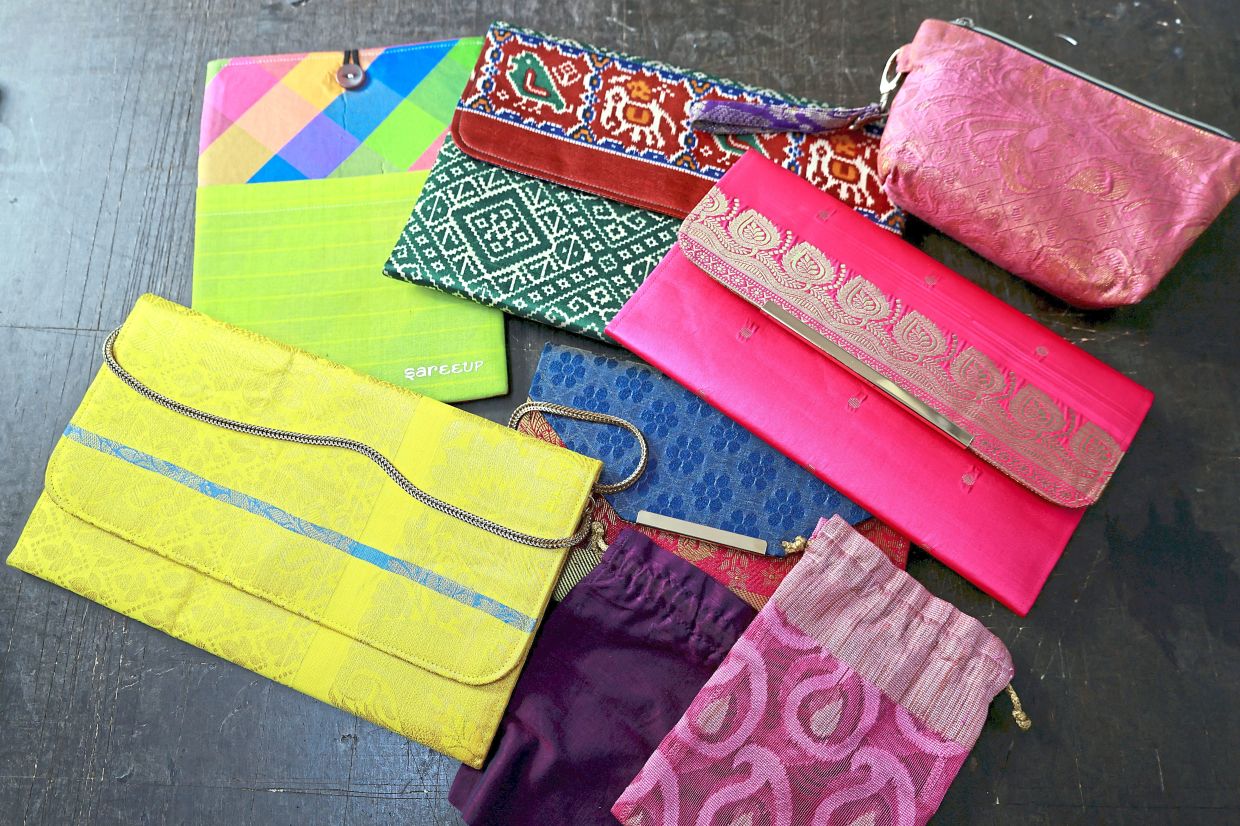
Since 2022, Padmani has been upcycling sarees into functional items including tote bags, purses, lanyards and clutches. That simple idea eventually grew into a sustainability–driven initiative now known as sareeUP.
Caring for the environment
Padmani sees upcycling as a way to take care of the planet. Through her initiative, she is giving sarees a second life while doing her part to reduce textile waste.
"We live in a time where textiles are treated like disposables," she shares. "To see handmade fabrics – with so much craftsmanship and history – end up in landfills is heartbreaking," says the former business manager who quit her job in 2018 to focus on raising her only child, Kaysshev Ram, who was 12 then.
Malaysia's National Solid Waste Management Department estimates that 84 million tonnes of waste are generated annually, with fabric waste contributing about 4% or 1,000 metric tonnes per day.
This was mentioned in a 2024 study entitled "Upcycle Textile Towards Value-Added Product as Creative Community Practices in Malaysia".
The study, published in the International Journal of Research and Innovation of Social Science, states that fast fashion business models contribute to the high volume of textile waste. Fast fashion involves quickly translating runway trends into mass–produced garments to meet consumer demand, resulting in a large quantity of clothing being disposed of regularly.
Data from SWCorp Malaysia also shows that textile waste entering landfills had more than doubled, from 2.8% in 2012 to 6.3% in 2018.
Padmani worries that with a growing population and the rise of online shopping, this figure may have increased exponentially in the last eight years.
"When a garment is thrown away, we are also wasting water, energy and materials," she explains. "Resources are not infinite. Mindful consumption begins with the awareness that Earth’s resources are limited. When we truly understand this, we start to question how much we buy, how often we discard, and how we can extend the life of what we already own."
Through sareeUP, she advocates mindful consumption, guided by simple principles such as refusing unnecessary purchases, reducing waste, reusing materials, repairing items and recycling or upcycling wherever possible.
"I feel we have enough existing textiles we can work with. Some of the sareeUP products are made with new sarees given away, lovely sarees that never got to be worn. The main motivation is to reduce waste, and why not when we have these great textiles to work with, creating products just as good as those made with new textiles."
Padmani adds that one common misconception is that upcycled products are made from waste and therefore less valuable.
"In reality, many of these textiles are still beautiful fabrics that simply deserve a second life. Another misconception is that it is expensive.
"But I often have the conversation with buyers that while the price competition with fast fashion products are challenging, upcycled products carry the value of environmental and social impact," says Padmani, who shares photos of her upcycled products on her Instagram (@sareeUP).
"And by upcycling handmade sarees, we also get to extend the cultural value and honour the craftsmanship behind these fabrics."
Working with the community
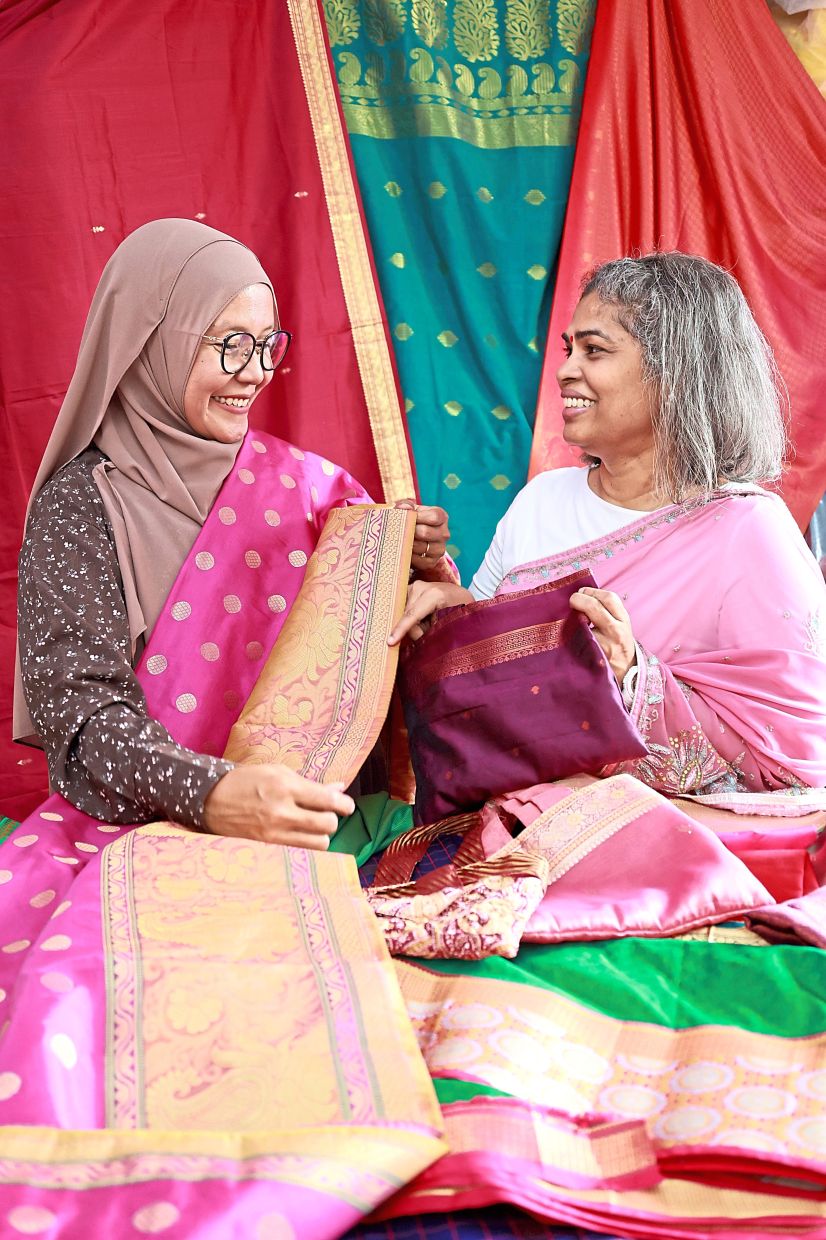
Founded in 2016 by Shayida Salmi Roslan, 43, SAV provides sewing opportunities for 10 homemakers from the local community, who take on commissioned projects ranging from bags to gift items.
"The seamstresses run their own small businesses and graciously support initiatives like mine. Their work goes beyond just making the orders I give them – they are deeply invested in community building, sustaining livelihoods and keeping valuable skills alive," says Padmani.
"By partnering with initiatives like these, small grassroots enterprises are able to support one another and become an important part of a larger effort to create social impact.
"In that sense, upcycling is not only about sustainability, but also about people, heritage and mindful consumption," says Padmani, whose products, which start at RM8 and are sold at bazaars, have received positive feedback from shoppers.
Education is also a key part of Padmani's work.
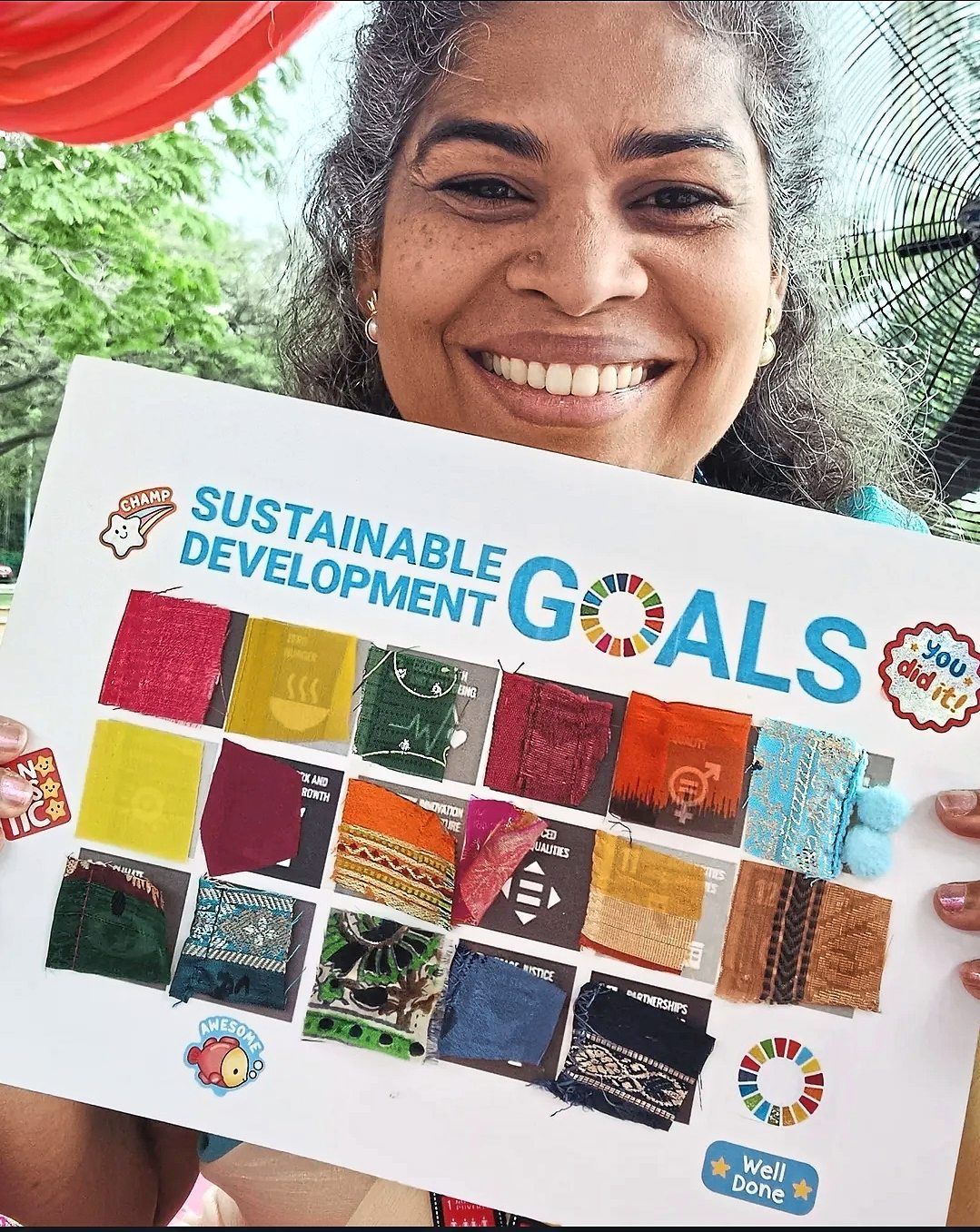
She has developed interactive activities using repurposed saree materials to introduce students (at two private schools in the Klang Valley) to sustainability concepts and the United Nations' Sustainable Development Goals (SDGs). These SDGs encompass concerns like climate action, responsible consumption and production, and clean water and sanitation.
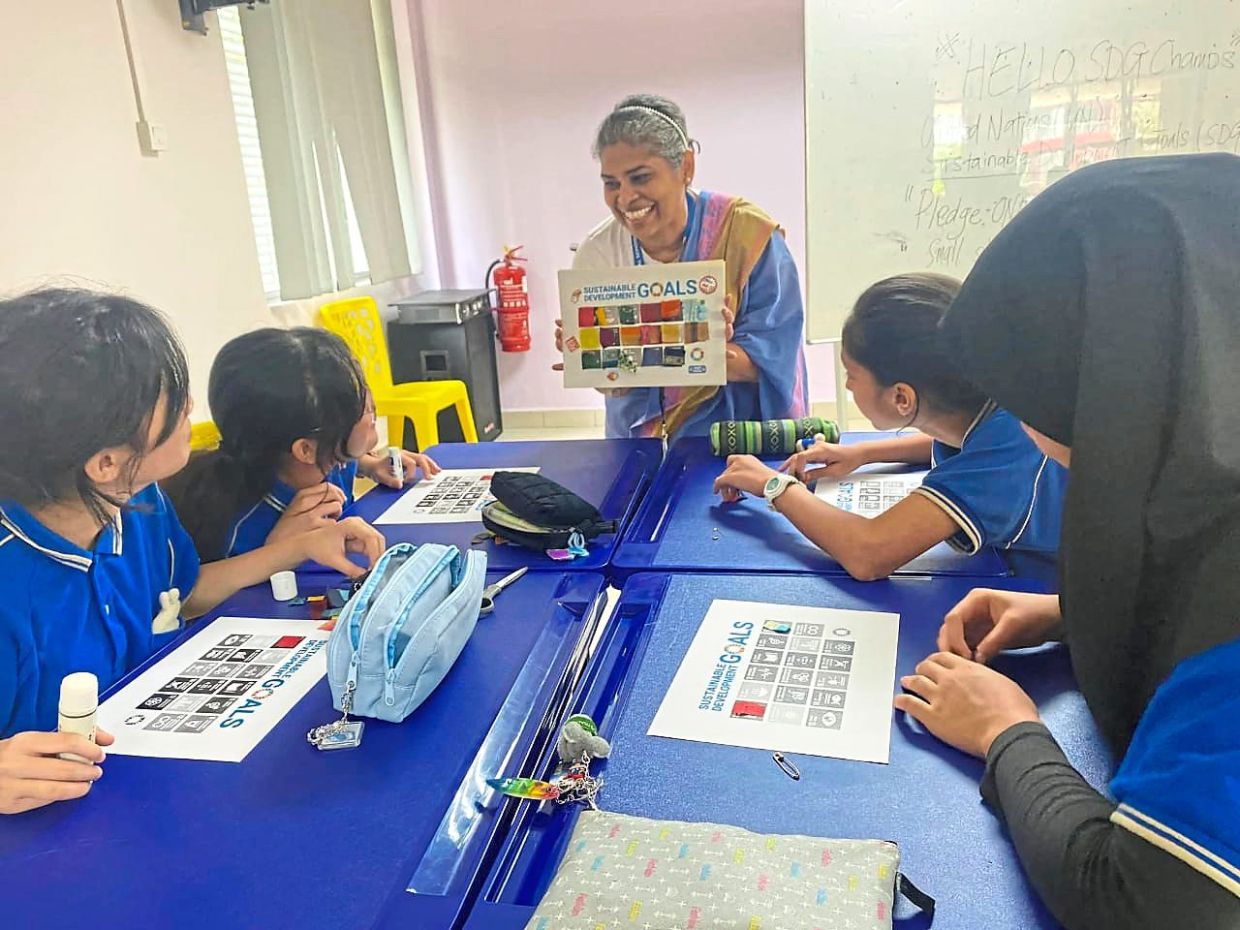
Through storytelling and hands-on learning, she gets students to reflect on how global issues connect to their everyday choices.
In 2024, sareeUP was featured at the International GreenTech and Eco Products Exhibition and Conference Malaysia (IGEM) in Kuala Lumpur, where Padmani showcased her work and conducted a demonstration on upcycling saree materials.
For Padmani, these platforms are an opportunity to advocate for a more mindful relationship with clothing – one that values craftsmanship, heritage and longevity over convenience and excess.
"Every step counts," she says. "When individuals make conscious choices, collectively they create impact."
Upcycling for a bigger purpose
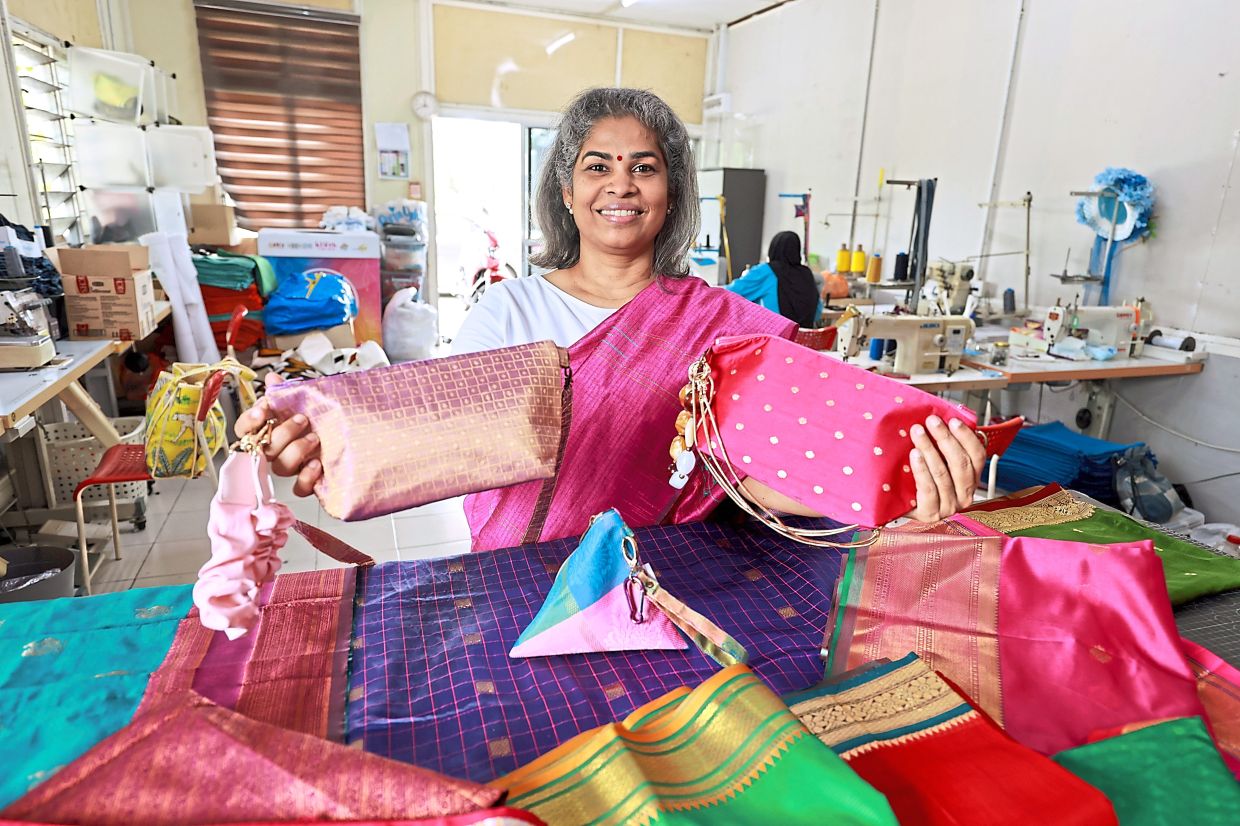
Padmani gives pre-loved sarees a new life, turning tradition into sustainable fashion with a social impact. Photos: The Star/Kamarul Ariffin
Padmani has been upcycling sarees into functional items since 2022. Photo: Padmani Suppiah
Saree fabrics repurposed into pouches, purses and lanyards.
The Star/Kamarul Ariffin
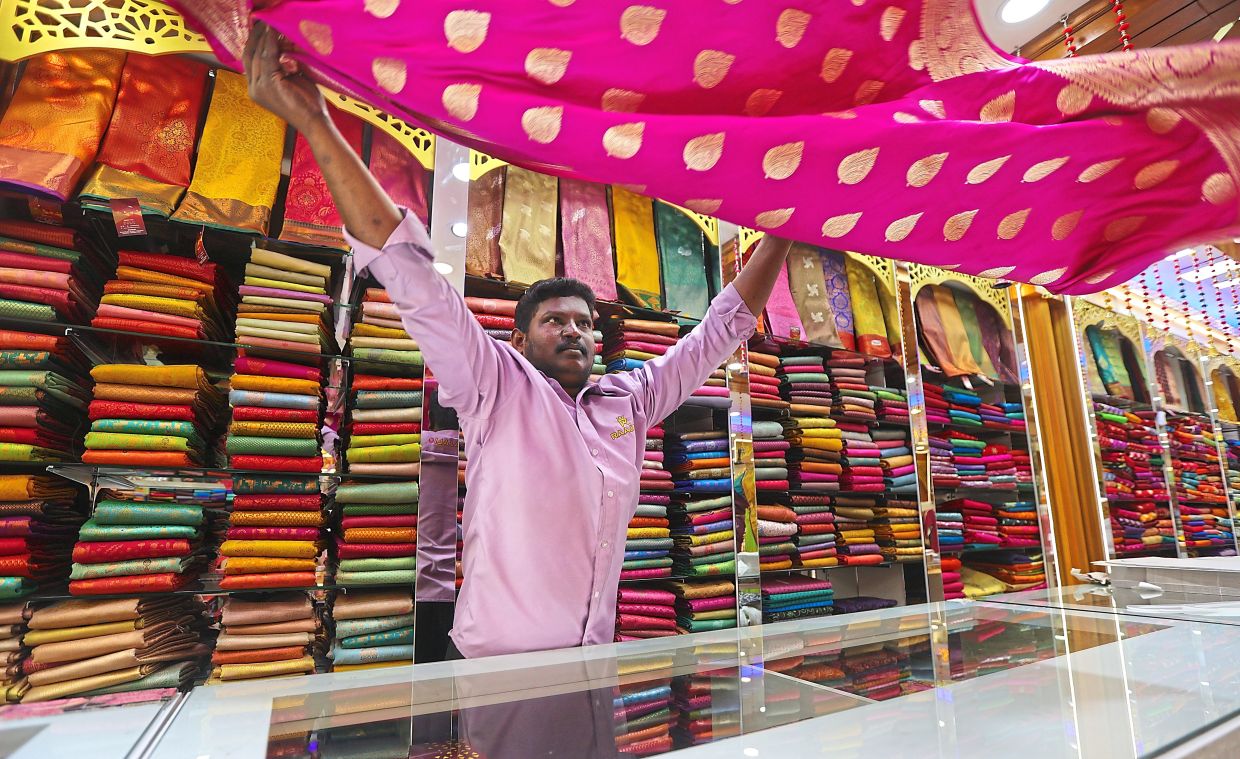
Sarees are more than clothing; they hold memories, traditions and stories. Photo: Filepic
Photo: The Star/Chan Tak Kong
Together, Padmani (right) and Shayida Salmi give pre-loved sarees a second life.
Photo: The Star/Kamarul Ariffin
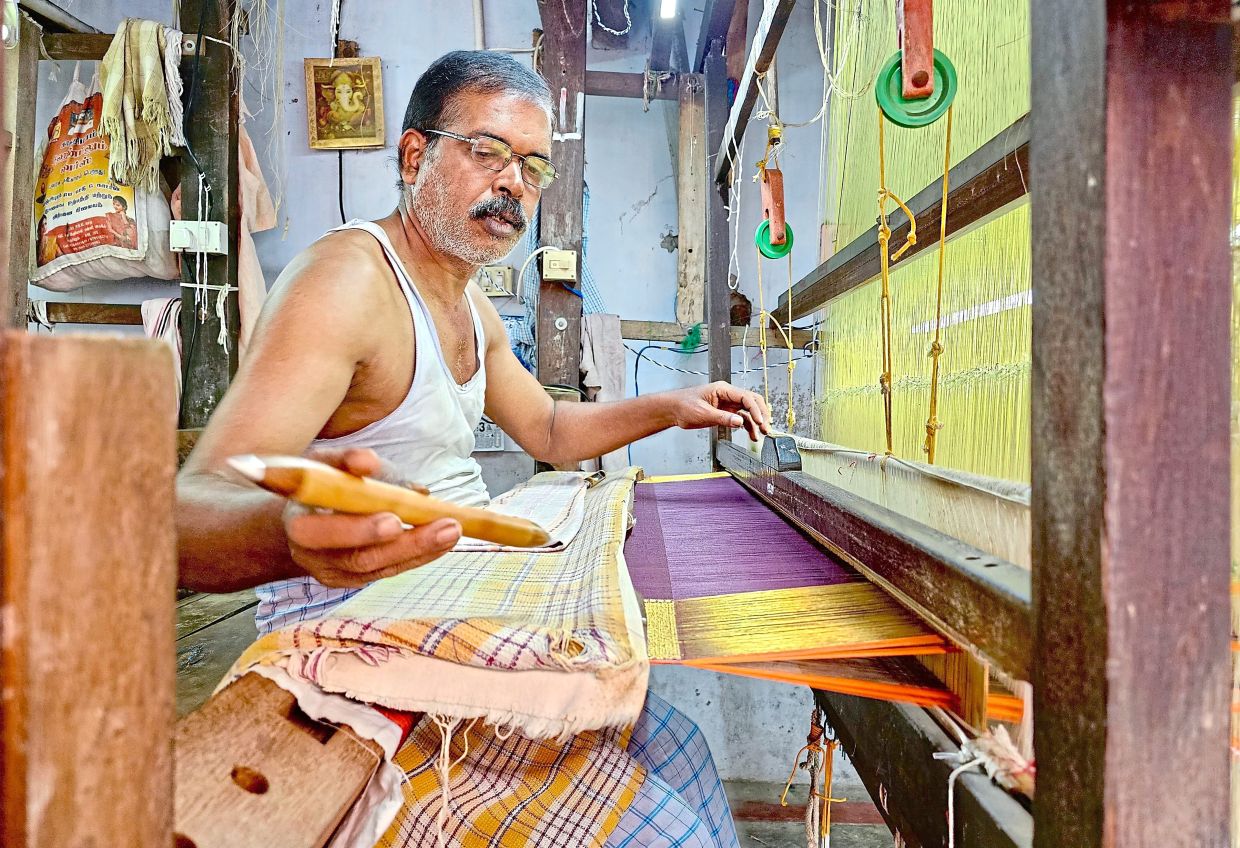
Weaver T. Suresh, 42, working on a silk saree with gold thread in Kanchipuram, Tamil Nadu, India. Photo: Filepic
Photo: The Star/Trisha Ng
Padmani aims to raise awareness on sustainability and environmental responsibility. Photo: Padmani Suppiah
Padmani sharing eco-friendly practices with students. Photo: Padmani Suppiah
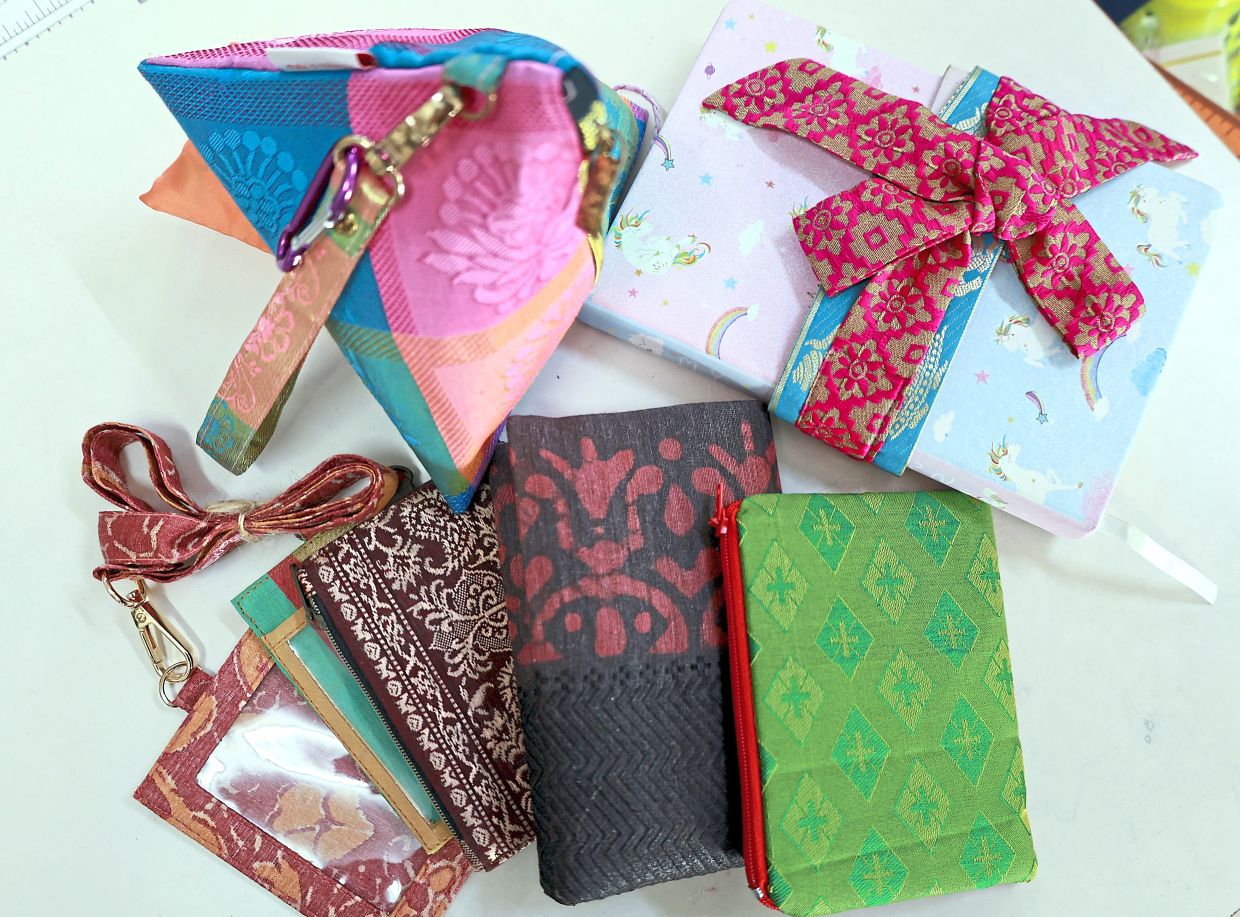
Saree fabrics repurposed into pouches, purses, and lanyards.
The Star/Kamarul Ariffin