Henry Wong, 32, wears many hats at Kairos Agriculture (KA) in Permatang Pauh, Penang.
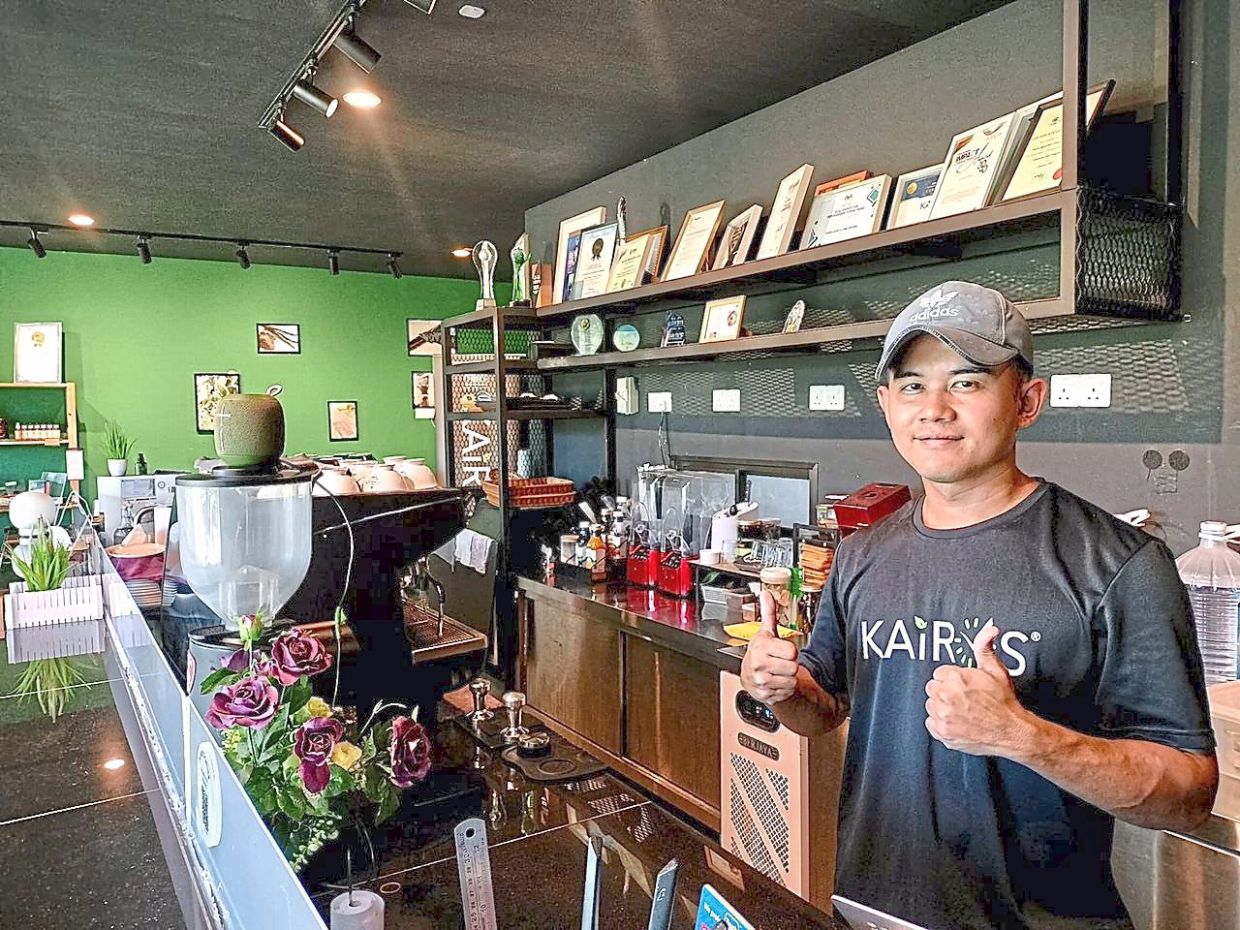
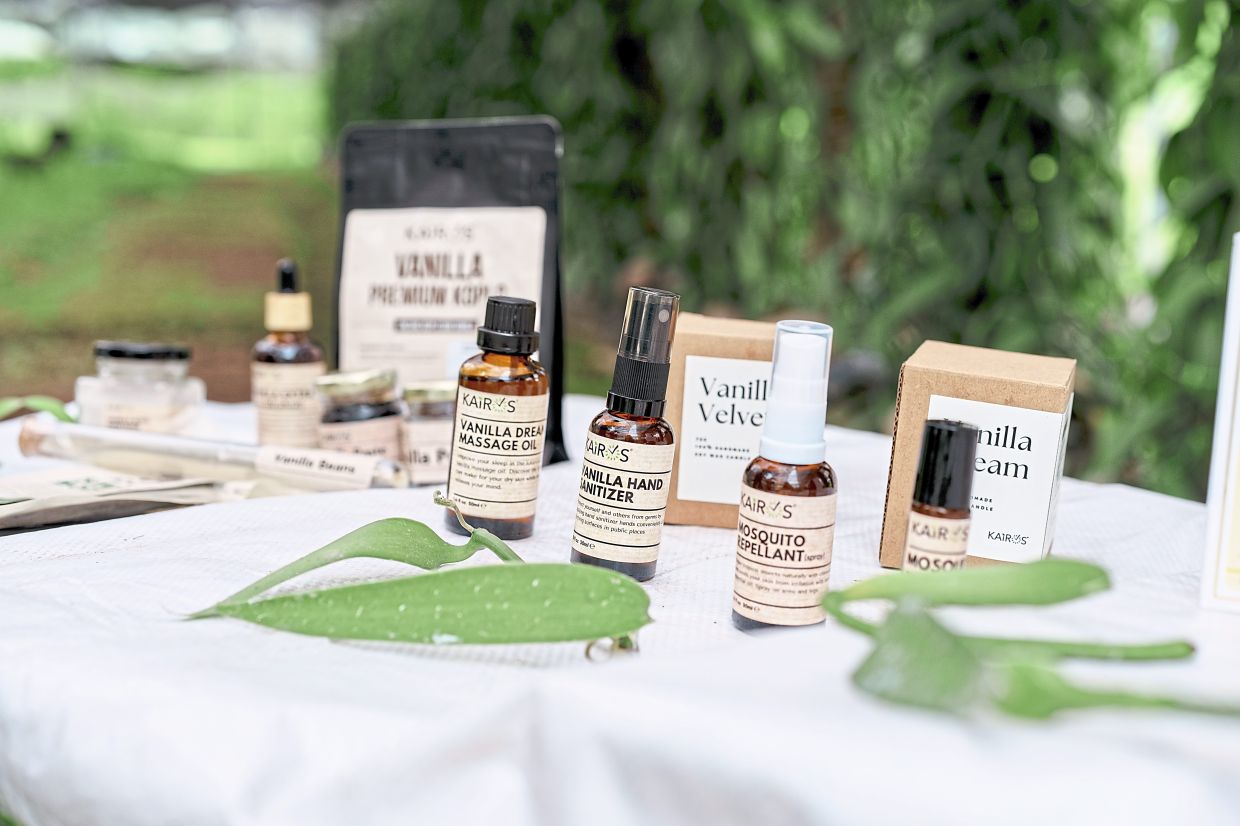
The trained vanilla farmer spends his days tending to the plants while also managing daily operations at the farm’s cafe, where he cooks for visitors and oversees the shop that sells vanilla oils, creams and hand sanitiser.
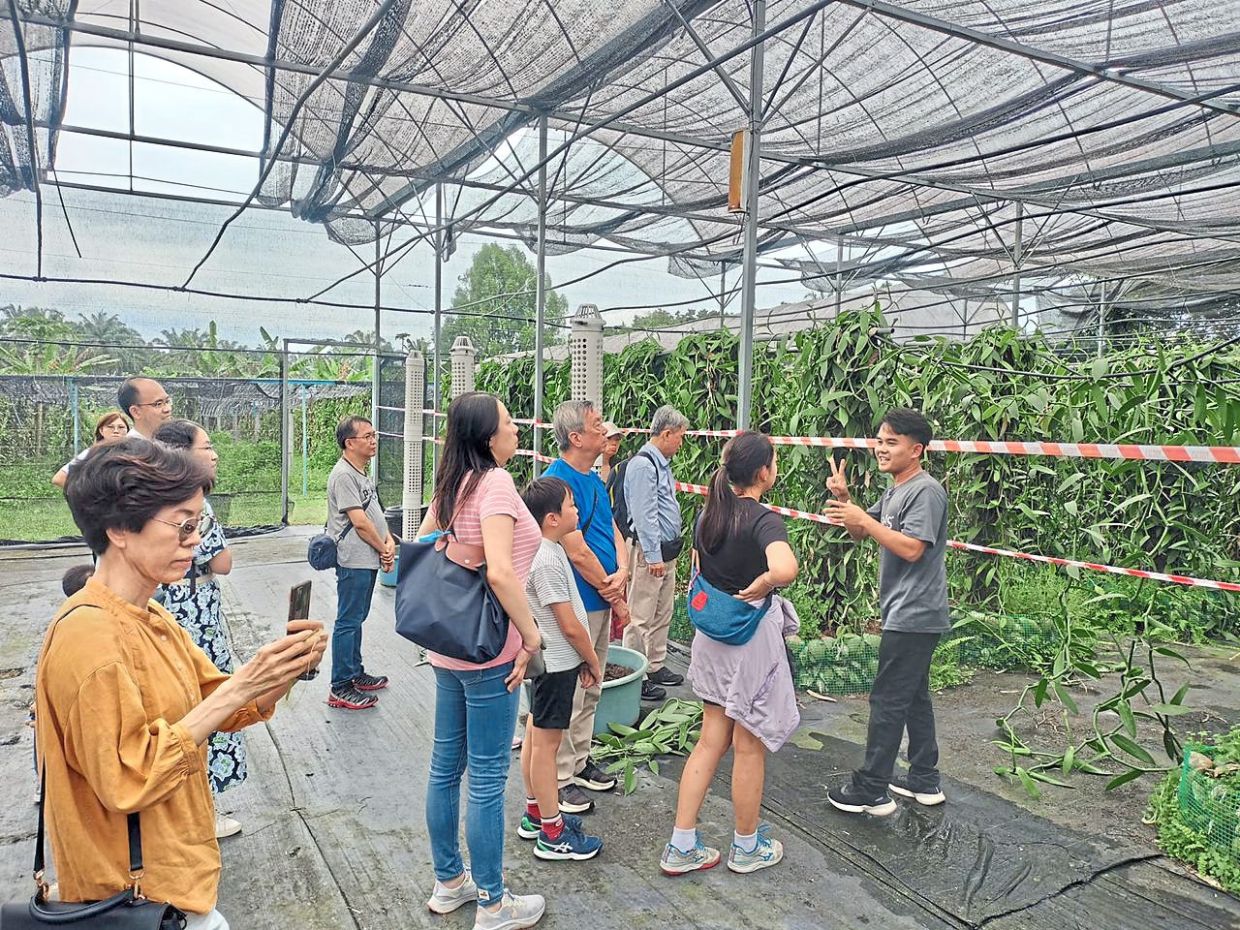
“Weekends are the busiest, as many tourists come to visit the vanilla farm. Part of my job is to brief visitors on vanilla cultivation. Many people are always surprised how vanilla grows so well in Malaysia,” Wong says during a video interview from Permatang Pauh.
Having worked on the farm for nearly six months, the Sarawakian admits the work is physically demanding. Still, the former death row inmate is grateful for the second chance at life that he has been given.
In 2019, Wong and three others were arrested when police raided a house in Sibu, Sarawak, where drugs were discovered.
Three years later, in 2022, the High Court in Sibu sentenced them to death after convicting them of trafficking 1.7kg of ketamine and 3.2g of methamphetamine.
Wong, from Kampung Song in Sibu, was released last year after his case was reviewed and his sentence reduced.
For Wong, who is of Chinese and Iban parentage, the opportunity to live beyond prison walls is the greatest gift he has received.
“In prison, I shared a cell with about 20 people. Being confined there for five years was extremely tough,” he shares, his voice shaking as he recalls his past.
“There were no beds to sleep on. The food was basic. Many times, I felt like committing suicide. But I kept thinking about my mother and how devastated she would be if I did,” says Wong, who was only 17 when he first became involved in drugs, influenced by friends.
After his release, he was sent to Vanilla Impact Story (VIS) in Sibu – a “halfway vanilla farm” initiative created by Kuching businessman and social worker Alfred Phua, 64, to help former inmates rebuild their lives. KA was co-founded by Phua in 2019.

“It’s understandable that people might think twice about hiring me because of my background. Thankfully, I was given a second chance by Mr Phua, and I am truly grateful for this opportunity.”
Wong, a school dropout, said he now feels blessed to have a job and, at last, a firm footing in life.
When he was dealing in drugs, he earned up to RM10,000 a month – money that allowed him to live a luxurious life.
Today, he earns RM1,700 a month. Although it is only a fraction of what he once made, Wong is happier.
“Being a farmer may seem small, but for someone who has served time in jail, having a job and earning an honest living means the world to me,” shares Wong, who was sent to KA to broaden his skills and gain more work experience.
“Only when you’ve spent years in prison, and then been released and allowed to live freely, do you truly value freedom.”
Rehabilitation and opportunity
Working with troubled youth, Phua says, is far more challenging than teaching farming techniques.
“Rehabilitation is the easiest part,” he said. “Reconstructing their mindset is harder. Reconnecting them with their families is the hardest.”
Many of the youths he mentors come from urban backgrounds and associate farming with hardship. Life on the farm forces them to slow down, disconnect from old influences and rebuild discipline.
Beyond technical skills, Phua emphasises values, character and patience.
“Seeing the plants grow is one thing,” he says. “Seeing lives change is another.”
Phua, who has worked as a social worker for nearly 40 years, believes former prisoners can change when they are given trust, dignity and patience.
“There’s a common misconception that ex-drug addicts and former prisoners can’t be trusted due to their past. This perception must change. These individuals must be given a chance to prove themselves,” he explains. “The key is being patient and sincere in our efforts to help them.”
A 2021 Malaysian study, entitled “Reintegration after Prison: Encouraging Employers to Hire Ex-Offenders to be Part of Society,” found that social stigma and prejudice remain major barriers for former prisoners attempting to rejoin society.
The study, published by the School of Business and Social Sciences at Kedah’s Albukhary International University, also noted that ex-offenders can be honest and committed employees despite their past wrongdoing.
Wong’s journey shows how rehabilitation, when paired with opportunity, can help former prisoners rebuild their lives.
By building on skills learned during incarceration, ex-offenders can secure meaningful work, regain independence and reintegrate into society.
Employment plays a critical role in this process. Having a steady job not only allows former inmates to support themselves, but also restores dignity, rebuilds self-worth and signals to society that they are committed to change.
In the last five years, Social Security Organisation’s (PERKESO) MyFutureJobs programme has helped more than 4,000 ex-offenders secure employment. The top five sectors employing former inmates are manufacturing; food and beverage services; wholesale and retail trade; vehicle repair; and agriculture, forestry and fisheries.
Driven to give back
Phua’s outreach work spans drug rehabilitation programmes, soup kitchens, creative initiatives for marginalised youth, and aid for the urban poor.
He has worked closely with squatters and rural communities across Sarawak, including Iban and Bidayuh villages.
In 2014, Phua began experimenting with mushroom farming to create income opportunities for persons with disabilities and single mothers. When the mushroom logs expired, he learned to decompose them into natural compost, which later led him to vermicomposting.
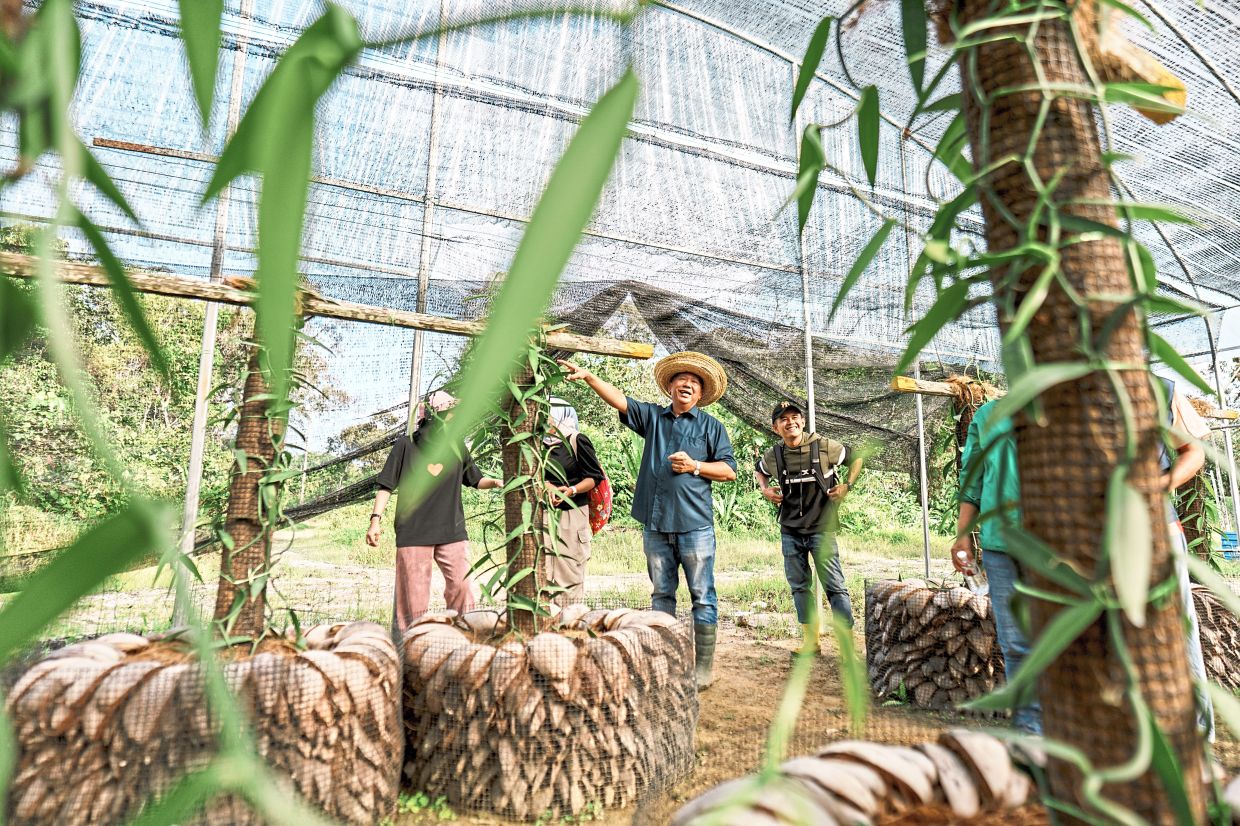
A gifted vanilla plant sparked his next chapter. Vanilla, an orchid species, thrives on compost rather than soil. Phua planted it alongside his mushrooms – and it flourished.
The father of three cultivates vanilla tahitensis, which originates from Tahiti and is better suited to local conditions than the more commonly grown vanilla planifolia.
“I call myself the accidental farmer,” Phua said. “I never looked for vanilla. God brought the mushroom, the vermicompost and then vanilla.”
Since 2022, Phua has been working with at least 15 families across Kuching, Bau and Serian – mostly from B40 households, including widows and single mothers – training them to cultivate vanilla as a supplementary income source.
The following year, in collaboration with partner farm HIC Agro PLT and with support from Yayasan Hasanah, Phua set up VIS.
The farm employs members of the local community and four former convicts.
Phua is expecting to harvest at least 40kg of raw beans from the farm. It will then take a few months for curing depending on weather conditions.
“I have received enquiries for our beans from buyers in China, South Korea, Japan and Singapore, but they want larger volumes. Scaling up requires more planting and support, which is currently limited to a RM100,000 grant from Yayasan Hasanah.
“I hope more organisations will step forward to support this project and help uplift communities.”
Asked why he continues doing this work, Phua says there is nothing more rewarding than seeing someone turn over a new leaf and give back to society.
He speaks highly of his protege, Wong.
“Just look at him,” Phua says. “He escaped a death sentence after being involved in drug trafficking.
“When he was sent to KA, he was street-smart and willing to learn. He progressed from being a farm assistant to managing tours – and now, he’s running the cafe.”
For Wong, it is about gratitude – and giving back to society in the same way he was helped.
“Hopefully, one day I will return to VIS and help more ex-convicts find their place in the community,” he says.
A second chance at life
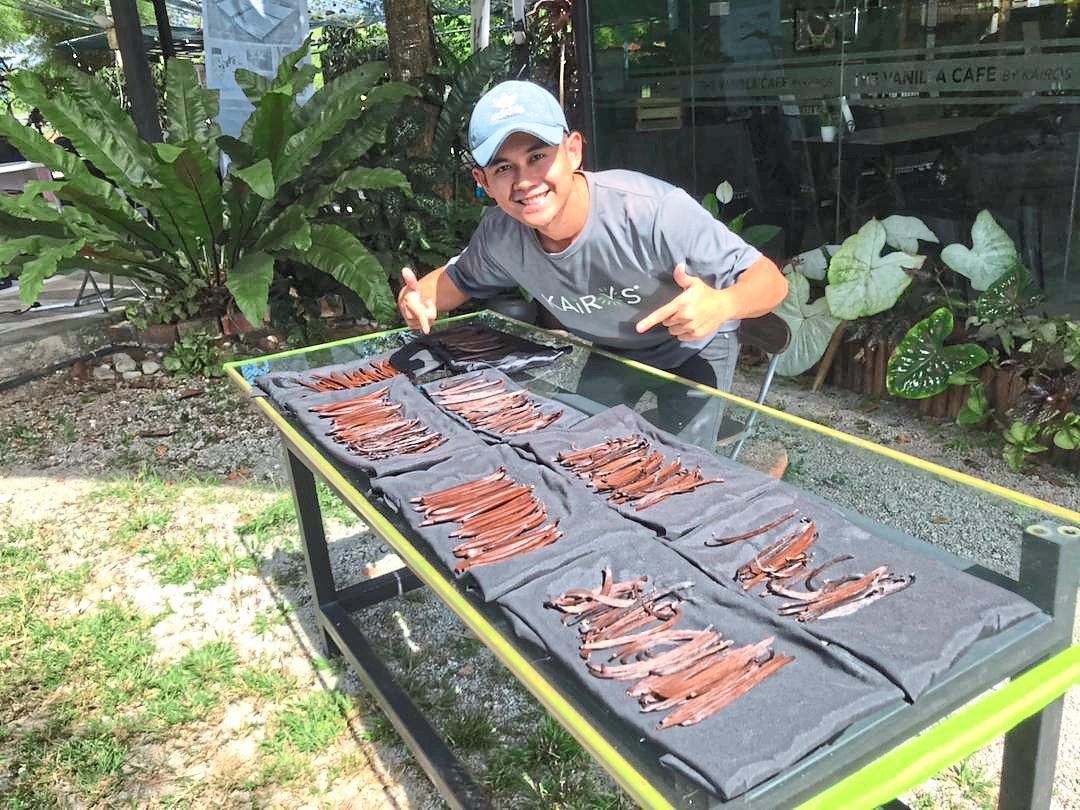
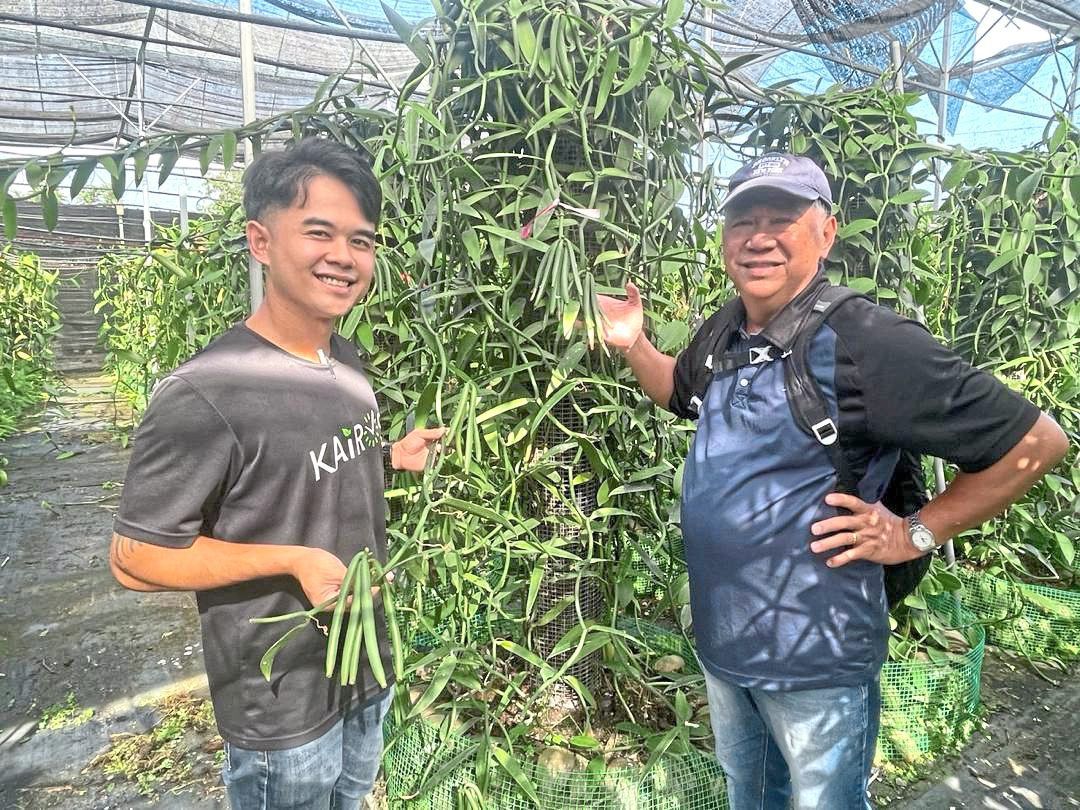
For Wong, honest work and freedom matter more than money. Photos: Henry Wong
Wong spends his days tending to the plants while also managing daily operations at the farm’s cafe.
Photo: Henry Wong
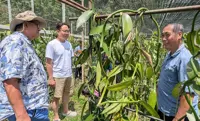
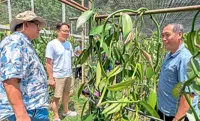
Phua (right) sees potential in Wong and believes that trust and patience can help former prisoners turn over a new leaf. Photo: Yayasan Hasanah
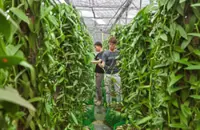
Wong (right) briefing visitors during a guided tour at the vanilla farm, where he explains how vanilla is cultivated.
Photo: Henry Wong
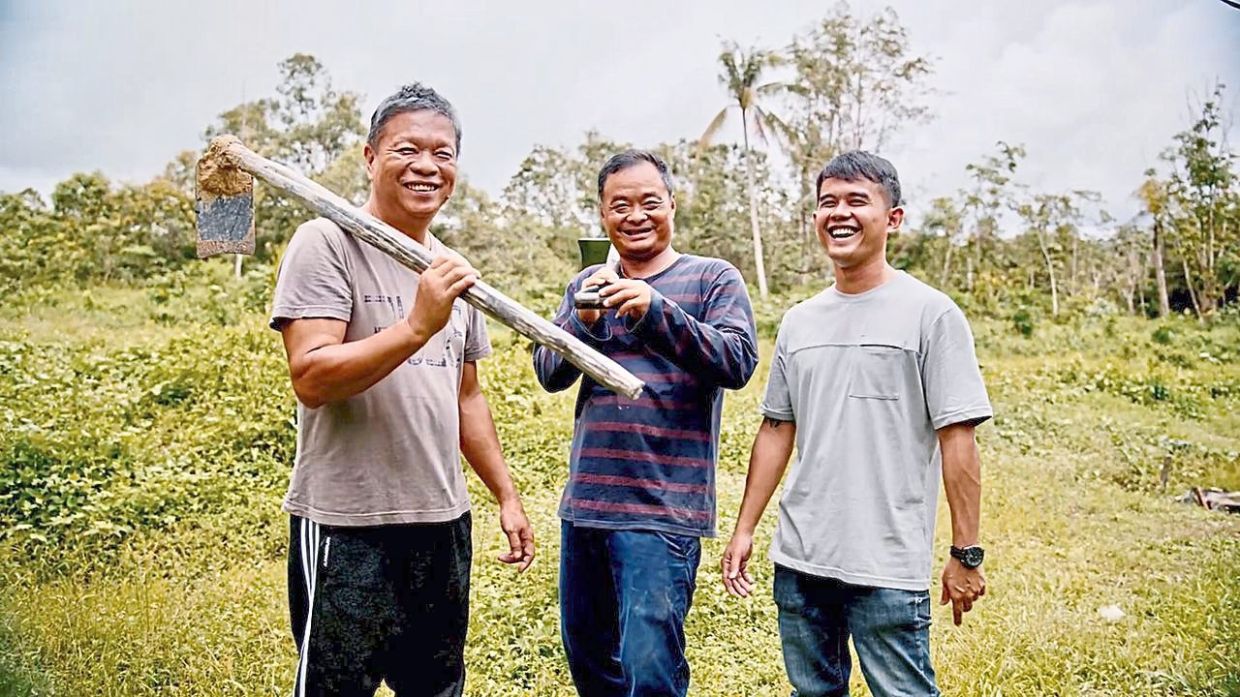
Wong (right) with his former colleagues, Chieng Hing Hook (left) and Tieng Seng at Vanilla Impact Story in Sibu.
Photo: Henry Wong
Wong (right) says he is grateful to Phua for the chance to rebuild his life. Photo: Yayasan Hasanah
Vanilla extract is used in a range of products, including oils, creams and personal care items. Photo: Yayasan Hasanah