Three years ago when Luke Piee was 65, he took a bold step into vanilla farming. The venture has since proven to be a lucrative business for the retired teacher from Bau, Sarawak.
The 68-year-old has since sold more than 500 vanilla cuttings, earning over RM11,000 in sales.
“Honestly, I never thought I would go into this business after retirement,” he admits.
“I planned to venture into non-government organisation work, but I also needed to do something that could give returns,” says Luke during a video interview from his home in Kampung Stass, Bau, about 60km from the state capital.
“Many people work very hard before retirement, then suddenly they stop and just rest. That’s not good. You must keep busy – but don’t overstress,” shares the grandfather of five.
After retiring, and driven by a desire to run a small business, Luke dabbled in pepper, oil palm and cocoa farming.
However, these crops did not sustain his interest as they required intensive maintenance.
In 2022, he was introduced to Alfred Phua, a social worker-turned-social entrepreneur who founded Vanilla Impact Story (VIS), an initiative focused on cultivating high-value vanilla to empower marginalised communities in Sarawak.
The idea of vanilla cultivation caught his attention. Luke purchased vanilla cuttings from Phua, attended a hands-on training course, and gradually ventured into vanilla farming.
According to Luke, vanilla farming involves lighter work and is more about caring for the flowers, making it well-suited for seniors.
“Vanilla cultivation doesn’t involve carrying heavy loads. Compared with oil palm or rubber, vanilla farming is less physically demanding – an important consideration for someone entering their retirement years,” he says.
“For me, vanilla farming offers the perfect balance: a small home-based business, a connection to nature, and a fulfilling way to enjoy retirement. Farming, if done at a comfortable pace, is very good,” adds the former geography and English teacher who also served as an education officer with the Sarawak Education Department.
He cultivates the tahitensis species, one of the commercially used vanilla varieties originating from Tahiti.
Sarawak’s soil conditions are ideal for vanilla – lowland, semi-sandy soil that does not become waterlogged.
Areas such as Serian and Bau are especially suitable due to their naturally breezy and well-ventilated environment.
Luke started modestly, buying 22 vanilla cuttings. Once the vines reached about three feet (0.9m), he began cutting and multiplying them, significantly reducing costs.
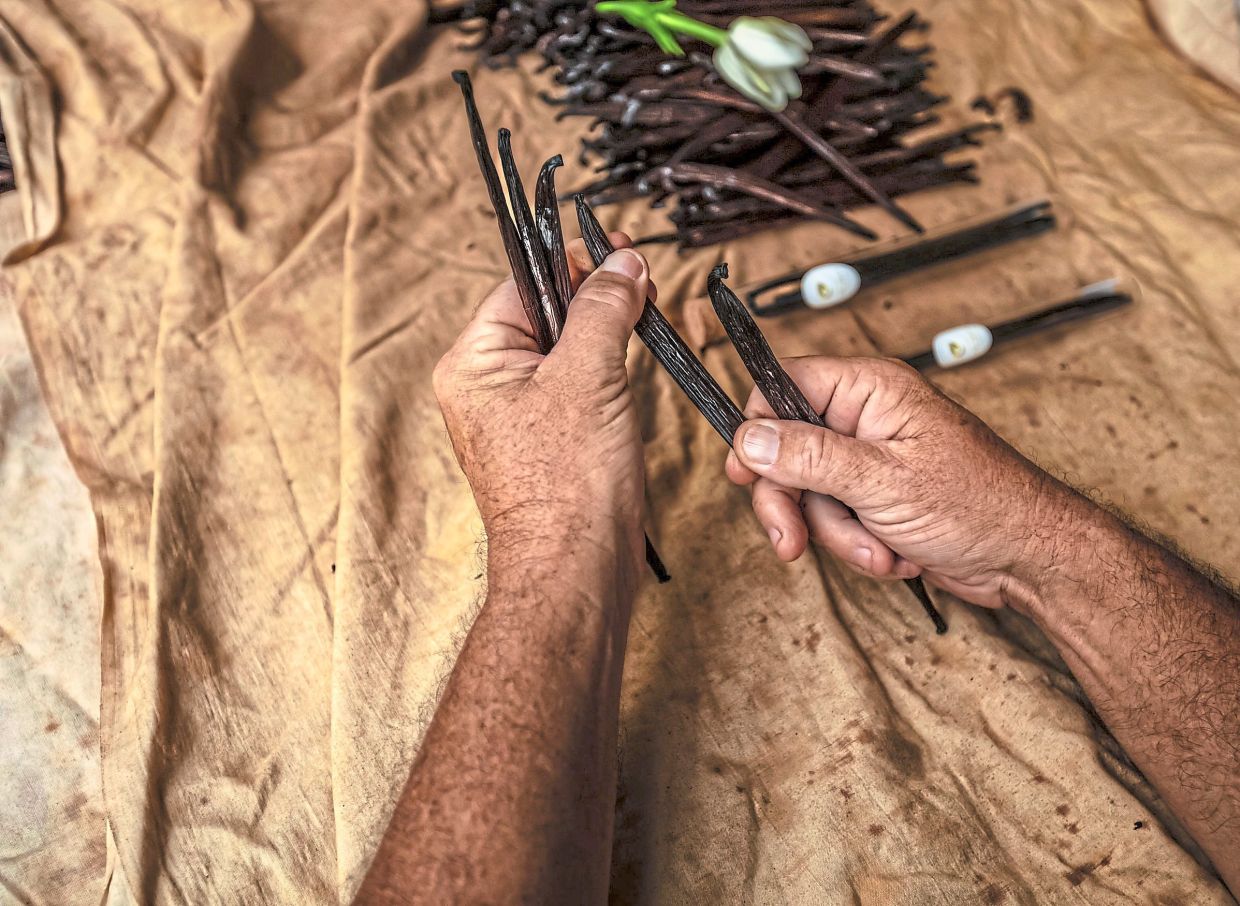
Today, Luke has about 250 vanilla vines growing on a quarter-acre (01.ha) plot next to his home. He spends about an hour each day tending to the plants.
“It’s not stressful. I enjoy checking on my plants and seeing the progress. It’s a fun hobby,” he quips.
Vanilla farming, however, is not without its challenges. The crop is sensitive to weather conditions.
Excessive rain can interfere with flowering, as rain may wash away pollen during the crucial hand-pollination stage, while dry spells also require careful management, as vanilla does not need excessive watering.
“Actually I did cultivate pepper but the price fluctuated so badly and the production cost was high.
“With vanilla, the initial investment may be higher, but maintenance and annual production costs are much lower.
“A healthy vine can yield between eight and 12 pods, and may produce more over time. Vanilla as a cash crop is still relatively new in Sarawak, so interest in cultivating it remains low. This is further compounded by limited market access and fear of a lack of a stable market for such a new product,” he adds.
Luke is lucky that he managed to reap his first harvest (1kg) after three years. He hopes to eventually collect around 5-10kg.
The returns are promising – just five vanilla beans can sell for around RM150.
He also earns additional income by selling vanilla cuttings at RM15 each.
So, vanilla farming, anyone?
A lucrative pastime
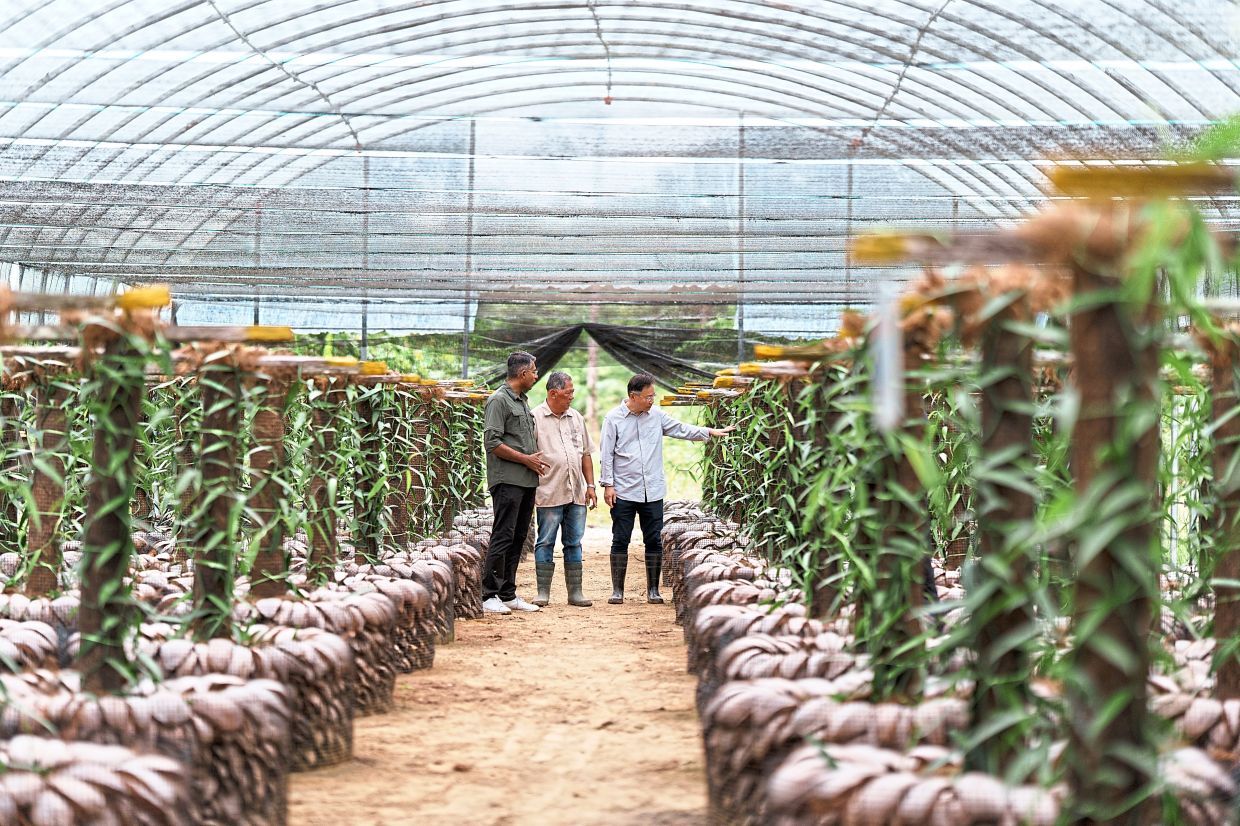
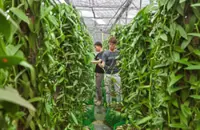
Malaysia’s warm and humid climate provides ideal conditions for growing vanilla, allowing the orchid to thrive year-round. Photo: Yayasan Hasanah
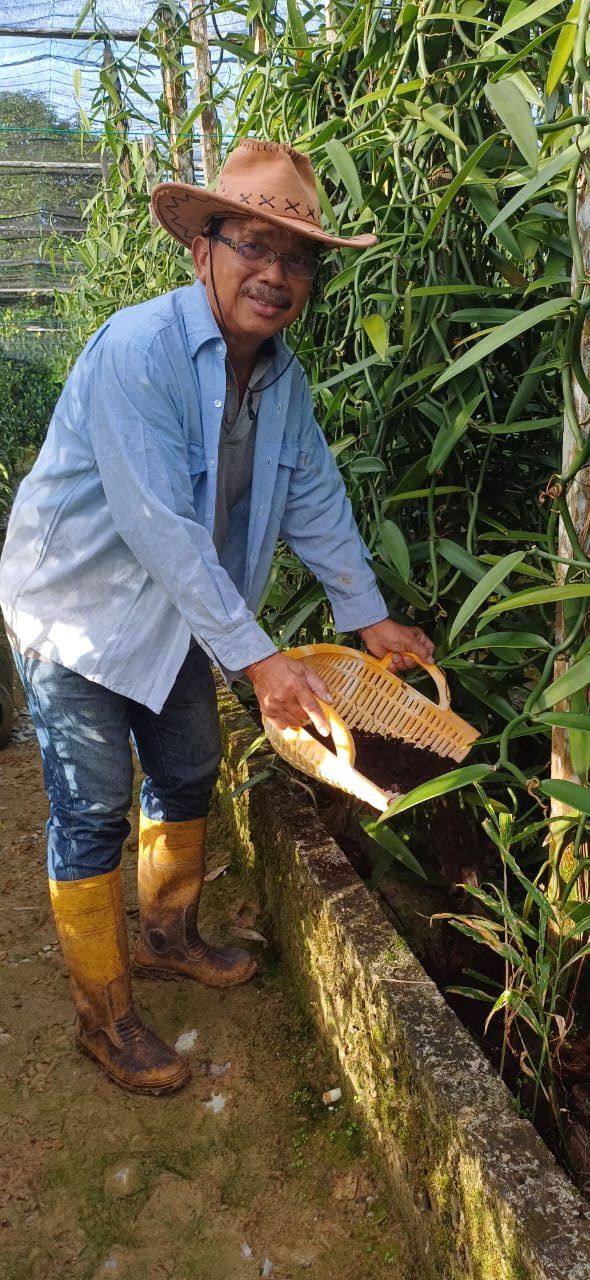
Luke has found a meaningful and manageable way to stay active in retirement. Photos: Luke Piee
Vanilla farming offers poor Sarawak communities a sustainable, high-value income source. Photo: 123rf