
Becoming a successful comedian in the United States typically means grinding through open-mic nights, taking expensive improv classes and creating content for TikTok to build an online following.
Jesse Appell skipped all that. When he arrived in China in 2012, he was a recent Brandeis graduate who didn’t speak the language. By the time he moved back to the United States a decade later, he had become a fixture of China’s burgeoning standup comedy scene. He now has more than one million followers on Douyin, China’s domestic version of TikTok, by bridging the gap between American-style standup and more traditional forms of Chinese performance.
He turned his fascination with Chinese culture into a decade-long comedy career there, a story he tells in a new memoir, This Was Funnier In China: An American Comedian’s Cross-Cultural Journey.
China was hardly a comedy vacuum; the country had long been obsessed with the slapstick hits of such stars as Stephen Chow and with the rapid-fire banter of xiangsheng, a form of comedy that loosely translates to “cross talk”. But the gritty, observational world of Western-style stand-up was only just surfacing in urban clubs.
Asked why he went, Appell, 35, said in an interview that he was intrigued by “the challenge.” While Chinese social media and art have long been hotbeds of coded satire and wordplay, the raw, direct nature of the stand-up mic offered something different.
“You go to a comedy show in China, and people need it,” he said. “This is not a place where you have a hundred methods of self-expression.”
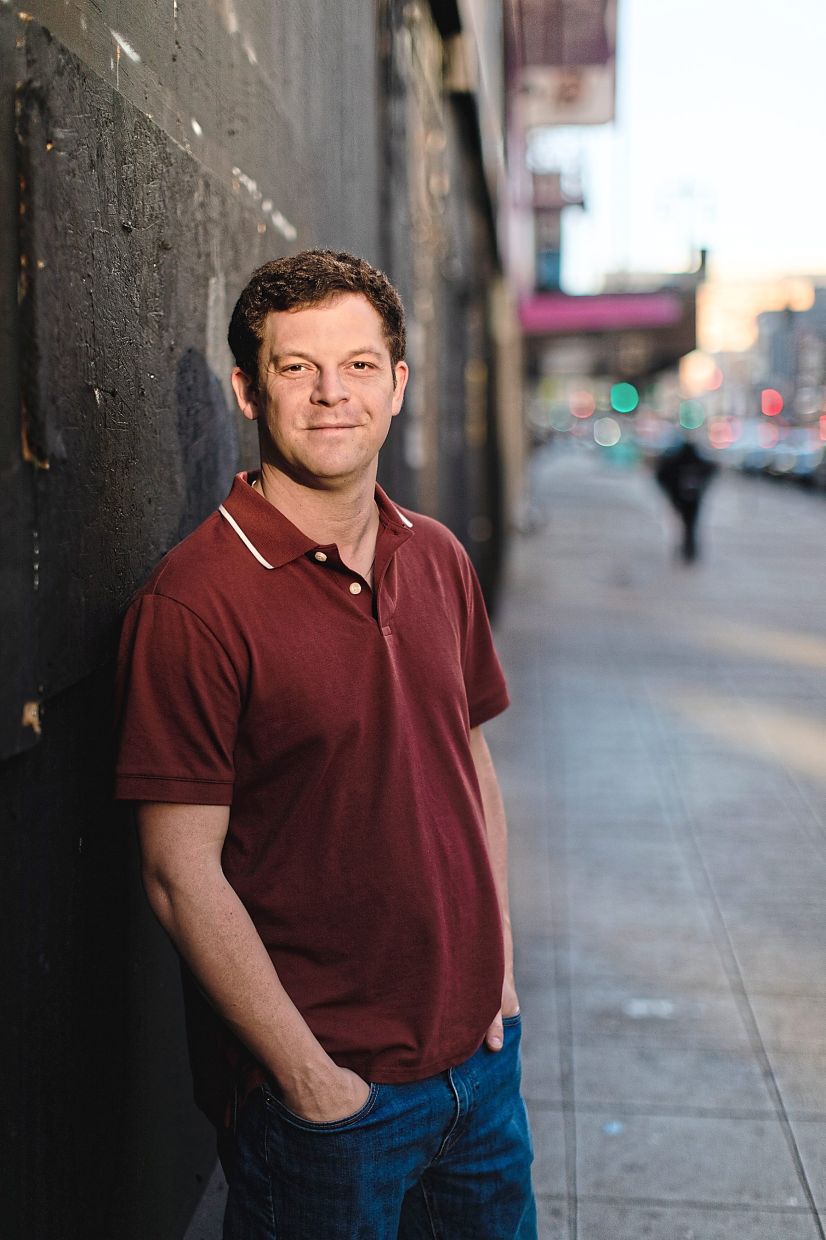
Appell, a native of Newton, Massachusetts, was drawn to comedy as a teenager, taking part in improv groups in high school. He first went to Beijing to study abroad when he was a junior at Brandeis, majoring in East Asian studies. To prepare, he followed an intensive Mandarin programme, learning and memorising 100 new characters every day. He also had to sign a language pledge saying he wouldn’t speak any English for six months, except to his parents.
While there, he met other international students and even took part in some bilingual improv groups. The seed was planted: He wanted to live and work in China.
After graduating, Appell earned a Fulbright scholarship to research Chinese comedy.
“When I got there, I realised I can do the things I like in the second country,” he said. “I don’t need to change the whole of who I am or what I like just because I was put into a new area. I love improv. I love comedy. I loved comedic writing. ‘Hey, they laugh over there too.’”
He found support through Ding Guangquan, a famed performer of xiangsheng. The style, popular since the 1850s, is believed to have originated during the Qing dynasty of the 1600s. It features two people performing a combination of scripted and improvised sketches onstage. Western stand-up comedy was not mainstream in China when Appell arrived there. His research would consist of apprenticing with Ding.
This was an extraordinary challenge for someone whose Mandarin wasn’t quite fluent. Xiangsheng audiences have very “refined taste,” Appell said.
“The funny thing about xiangsheng is at first it seems really easy because you just have to memorise your lines and go up onstage and do it,” said Nick Angiers, a friend of Appell’s and a fellow disciple of Ding. “And it’s only when you get to the intermediate part, when language isn’t really a problem anymore, that you realise just how layered it is.”
Xiangsheng gave Appell a baseline for developing his Chinese comedic voice, just as stand-up was becoming more popular in the country. Appell said he performed live shows around 300 times a year and gradually built credibility in the Chinese comedy scene because there was a demand and few comedians to meet it.
“In China, once I had 20 to 30 minutes of Chinese stand-up, I was working on cruise ships. I was working on television shows. I was everywhere because – forget me being a white person – there just wasn’t anyone who had 45 minutes of stand-up,” he said.
With the spread of social media, and as students and others returned to China from abroad, the Chinese comedy landscape was changing just as Appell was beginning his journey. At first, audiences were confused by Western-style stand-up.
“People had a good time, but they didn’t really figure out the point of doing this,” said Tony Chou, a Beijing-based comic who has performed with Appell.
Appell said he was part of the first ticketed stand-up show at a theatre in Zhengzhou, a city of about 12 million in central China. In exploring the Chinese audience’s comedic sensibilities, he found topical common ground with American audiences.

Dan Chen, an assistant professor of political science at the University of Richmond who has studied Chinese comedy, said that generational tension and workplace pressure were popular topics in Chinese stand-up. She also said that there had been a “generational shift” in the last decade in the type of comedy popular with younger Chinese consumers.
“There is this need for really authentic, direct personal expression in public discourse. And a lot of stand-up comedians in China, they talk about issues that bother them,” Chen said.
As his stature grew, Appell served as a resource for other comedians looking to perform, such as Tom Xia, a Chinese-born comedian who grew up in the United States but moved back in 2014. Appell even started a comedy club in Beijing.
“The more I talked to Jesse, the more insecure I felt as a Chinese American,” Xia said. “It was constantly making me reassess how Chinese I was. And when he started serving me tea in his apartment, that really was the final blow.”
Appell also had to navigate Chinese censors. To perform comedy in China, comedians have to submit their routines for government review. He said there were two types of censorship: the audience’s and the government’s. For example, he said Chinese audiences, unlike American audiences, prefer that comedians not name specific politicians in their routines, regardless of whether the censors allow it.
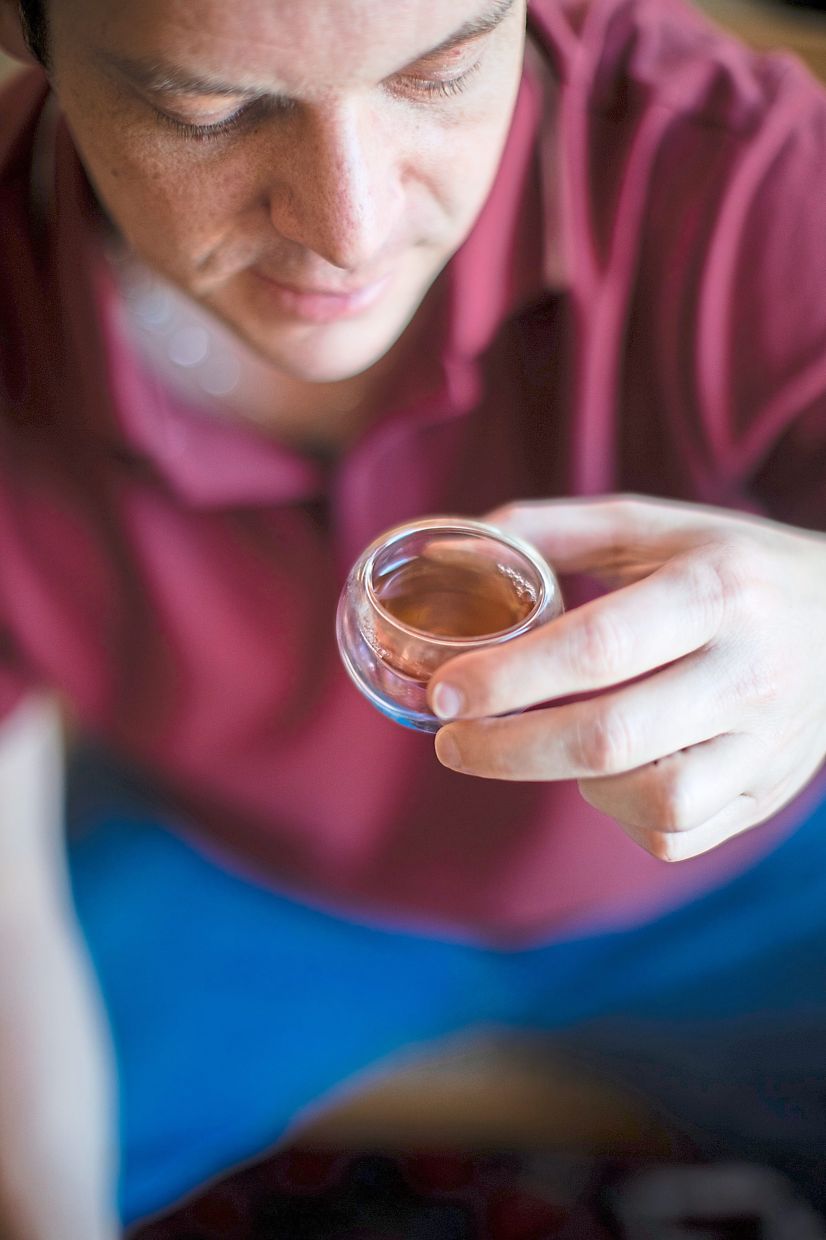
In January 2020, after performing on the Chinese version of Last Comic Standing, Appell flew back to the United States for what he thought would be a nine-day vacation. Instead, Covid hit. His Chinese visa was cancelled. His comedy club was closed down.
During the pandemic, Appell’s following in China exploded. Stuck at home, people had more time to watch videos, and that meant more exposure to Appell’s stand-up and a sketch show he wrote and performed in.
But the life he had spent years building in China was gone within days. Instead, he chose to reinvent himself and moved to Los Angeles. He’s still a comedian, performing often for Chinese American audiences. But he has also started a Chinese tea business that has taken off faster than he expected. He spends four months of the year in China, still performing but also to source tea for his business.
“Now, I have bits I do in Chinese back in America about how my job now is figuring out how to make white people laugh because they buy the tickets,” Appell said, adding, “I have to play the white audience like a minority comedian would, weirdly.” – ©2026 The New York Times Company