




THERE’s a quiet shift that happens as we get older – not overnight, but gradually.
The knees that once carried us everywhere start to hesitate, reading becomes a little harder in low light, and digestion feels... different.
Yet many of us carry on, brushing it aside as “just part of ageing.”
But it doesn’t have to be.
When mobility matters
Today, ageing well is less about slowing down – and more about knowing when to seek the right care. For some, it’s about getting back on their feet again.
Persistent knee pain can limit even the simplest routines, but with the right intervention, mobility can be restored and daily life can feel manageable again.
Columbia Asia Hospital Petaling Jaya consultant orthopedic surgeon Dr Gayathri Arumugam shares insights on knee pain among senior citizens.
“As we age, the ‘cushion’ in the knee (cartilage) slowly wears down. This can lead to stiffness, pain and sometimes swelling. The knee may also feel weaker or less stable over time.
“To strengthen the knees, keep moving. Regular low-impact exercises like walking, swimming, or cycling help keep the joints healthy.

“Simple strengthening exercises for the thigh muscles, like straight leg raises or gentle squats, are very important. Maintaining a healthy weight also reduces stress on the knees,” she says.
Dr Gayathri explains: “If knee pain is severe, affects daily activities (like walking or climbing stairs) and does not improve with medication, physiotherapy, or injections, most commonly, this is due to advanced osteoarthritis where total knee replacement surgery is usually considered. These days, there is also robotic total knee replacement surgery.
“This involves small incisions, great surgical precision, reduced blood loss, short hospital stays and fast recovery times,” says Dr Gayathri.
“My advice to seniors is don’t ignore knee pain and don’t wait until it becomes disabling. Stay active, keep your weight under control and seek early expert advice. The earlier we manage the problem, the better the outcome – whether it’s simple exercises or more advanced treatment.”
Clearing blurry vision
For other seniors, it’s about seeing clearly – literally. Clear vision is truly a precious gift of life. Cataract is a normal clouding of lens due to aging and the most common cause of reversible blindness worldwide. However, it should not be the thief of sight and independence for the elderly.
Columbia Asia Hospital Setapak consultant ophthalmologist Dr Fatin Nadia Zamawi explains: “As cataract is a normal aging process, it is usually unpreventable.
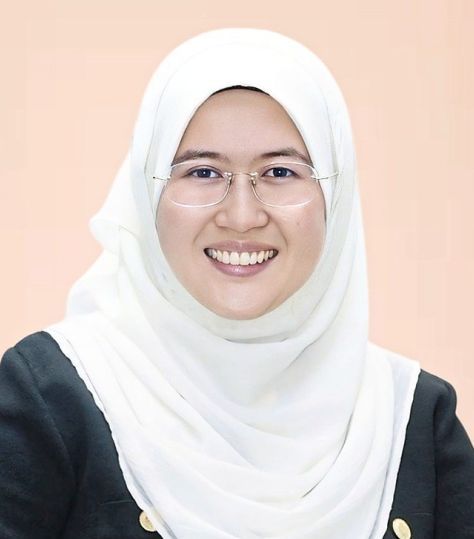
“Hence, anyone above 50 should have eye screening with an ophthalmologist, especially those with visual symptoms such as blurry vision and glaring. The only definitive treatment for cataract is surgery.
“Cataract surgery is a common and minor daycare procedure. Patients would usually notice improvement in vision within a few days, although complete full recovery would take up to four weeks.”
The importance of gut health
Seniors’ gut health is often overlooked, yet central to overall well-being.
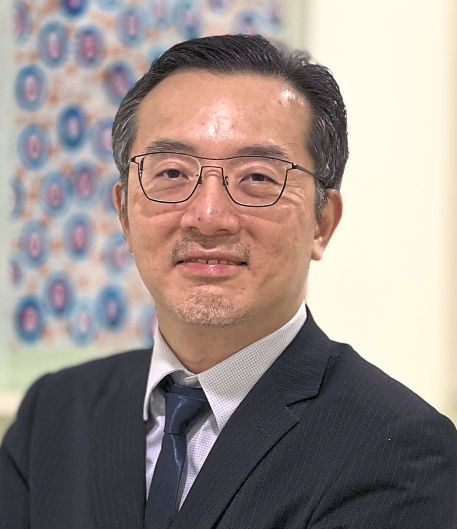
Columbia Asia Hospital Puchong consultant gastroenterologist and hepatologist
Dr Cheong Kuan Loong gives his perspective on what happens to the digestive system with age and how individuals can take proactive steps to maintain gut health before disease develops.
“As we age, food moves slower through our digestive system, increasing risks of constipation and heartburn.
Stomach acid and enzymes decrease,which can impair absorption of nutrients like Vitamin B12, calcium and iron.
“The diversity of beneficial bacteria in our gut also decreases. Due to weakening muscles, the lower esophageal sphincter (the flap) may cause acid reflux.
“The anal sphincter muscle also weakens, which can lead to fecal incontinence.
“There is also a chance of developing diverticulosis, which can potentially become inflamed. If you are taking painkillers and antacids, those too can affect digestion.”
Dr Cheong shares: “However, there are some tips you can
follow to help your digestion such as eating high fibre foods and staying hydrated because water helps fibre work and softens stool.
“Exercise regularly to promote gut motility and reduce constipation. Manage stress because stress worsens acid reflux and slows digestion. Eating slowly will also help digestion.
“Take natural probiotic food such as kimchi, kefir or yogurt and go easy on caffeine, fried foods and sugary foods.
“Also, do not ignore the urge to pass motion. Holding it in will only worsen constipation.”
He explains: “The most common technology to detect diseases in our bowels is a quick and minimally invasive procedure using a flexible camera to directly examine the oesophagus, stomach and duodenum.
“A colonoscopy examines the lower gastrointestinal tract via the anus, while a gastroscopy or OGDS examines the upper gastrointestinal tract via the mouth.
“These procedures can detect conditions like colon polyps or cancer, gastritis, ulcers, reflux disease and early abnormalities.”
He adds, “Modern endoscopic procedures are one of the most effective ways to gain clear insights into your digestive health.”
Early intervention is everything
And of course, there’s prevention. Regular health screenings remain one of the most practical ways to stay ahead of potential issues – especially when many conditions develop quietly, without obvious signs.
In conjunction with its 30th anniversary, Columbia Asia hospitals are promoting their services especially in senior care, until June 30.
The promotion is designed to support mobility, vision, digestive health and preventive screening among seniors.
For seniors, good health isn’t just about adding years to life –it’s about keeping those years active, independent and fully lived.
To mark this milestone, Columbia Asia is offering special anniversary savings on senior health packages:
Senior Health package promotions (Age 50 and above):
> Comprehensive Health Screening package: includes consultation, ECG, chest X-ray and cancer-related screenings
Men RM688 | Women RM688
> Total Knee Replacement package: RM28,888 (non-robotic surgery), RM30,000 (robotic surgery, limited availability)
> Cataract package:
Single eye RM3,000
> Endoscopy package:
OGDS and Colonoscopy RM3,000. with purchase of any health screening package RM500 and above.
Book your preferred package at participating Columbia Asia hospitals before June 30.
Participating hospitals are Batu Kawan, Bukit Jalil, Bukit Rimau, Cheras, Iskandar Puteri, Klang, Petaling Jaya, Puchong, Seremban, Setapak, Taiping and Tebrau.
To find out more about Columbia Asia 30th Anniversary Senior Health Promotion, services, health tips and latest events, visit its website.
30 Years of Care, A Lifetime of Trust. Right Here for You.
KKLIU: 2105 / EXP 31.12.2028


