As young Malaysians transition into adulthood, their experiences navigating the month of Ramadan look different than what it was when they were younger.
Pursuing studies, career opportunities and new responsibilities may pull them away from home, but they also show new ways to experience the holy month – this time independently.
But most importantly, while the absence of family is deeply felt, it also shapes how they understand faith and discipline during the month.
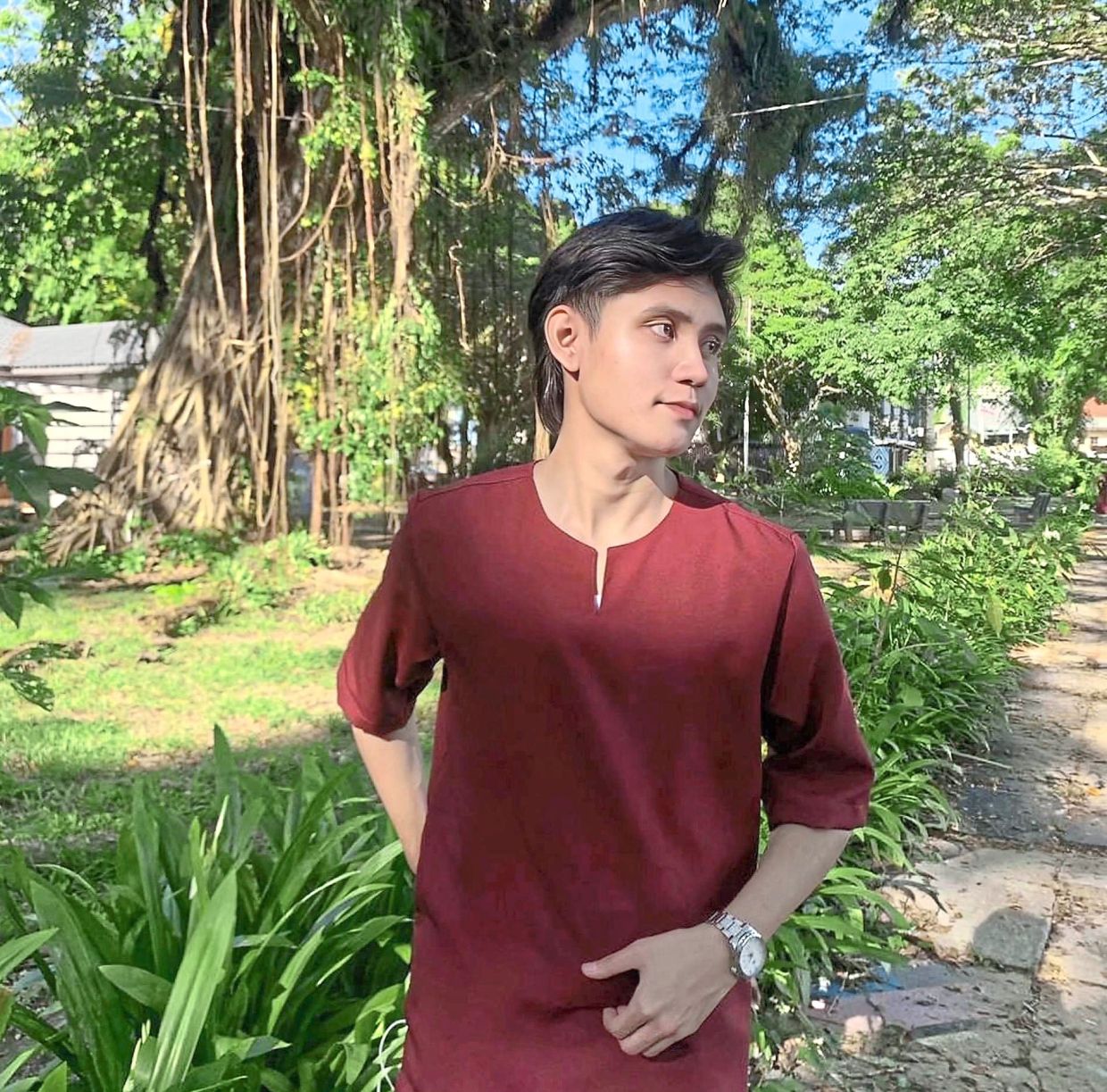
For Mohammad Hafizd Ridzuan, 24, Ramadan once revolved around getting through the hunger and the anticipation of Hari Raya Aidilfitri. Now that he’s older, it has become much more reflective.
“At this stage in my life, Ramadan is all about improving myself since I’m entering adulthood,” he says.
“When I was a kid, I didn’t think much about it. But now that I’ve grown up, I’ve realised I have much more responsibility and am aware of my mistakes. This month is all about bettering myself and practising virtuous acts.”
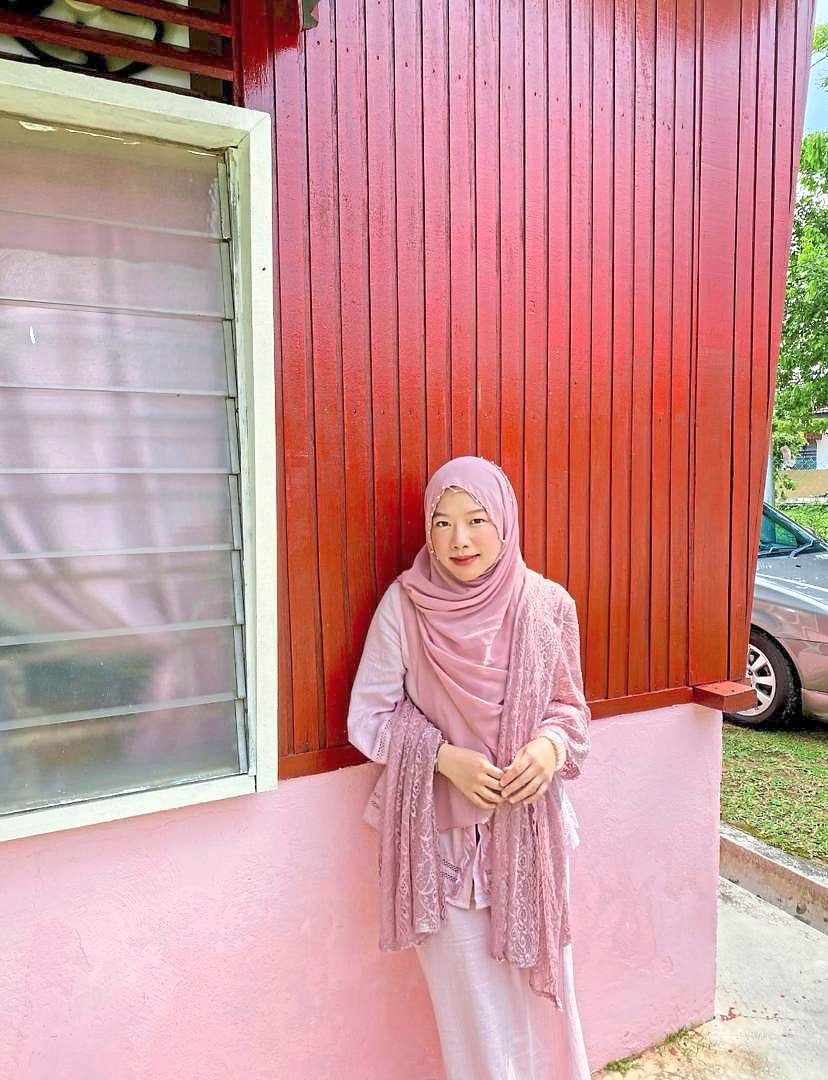
Similarly, Noor Hasimah Muhd Zulkiply says adulthood has brought a deeper appreciation of the month’s spiritual significance.
“Ramadan means a lot more to me now that I’m at this age. When I was small, it was just about holding off thirst and hunger,” the 28-year-old explains.
“Now, I realise that this month encourages self-reflection and practising good deeds.”
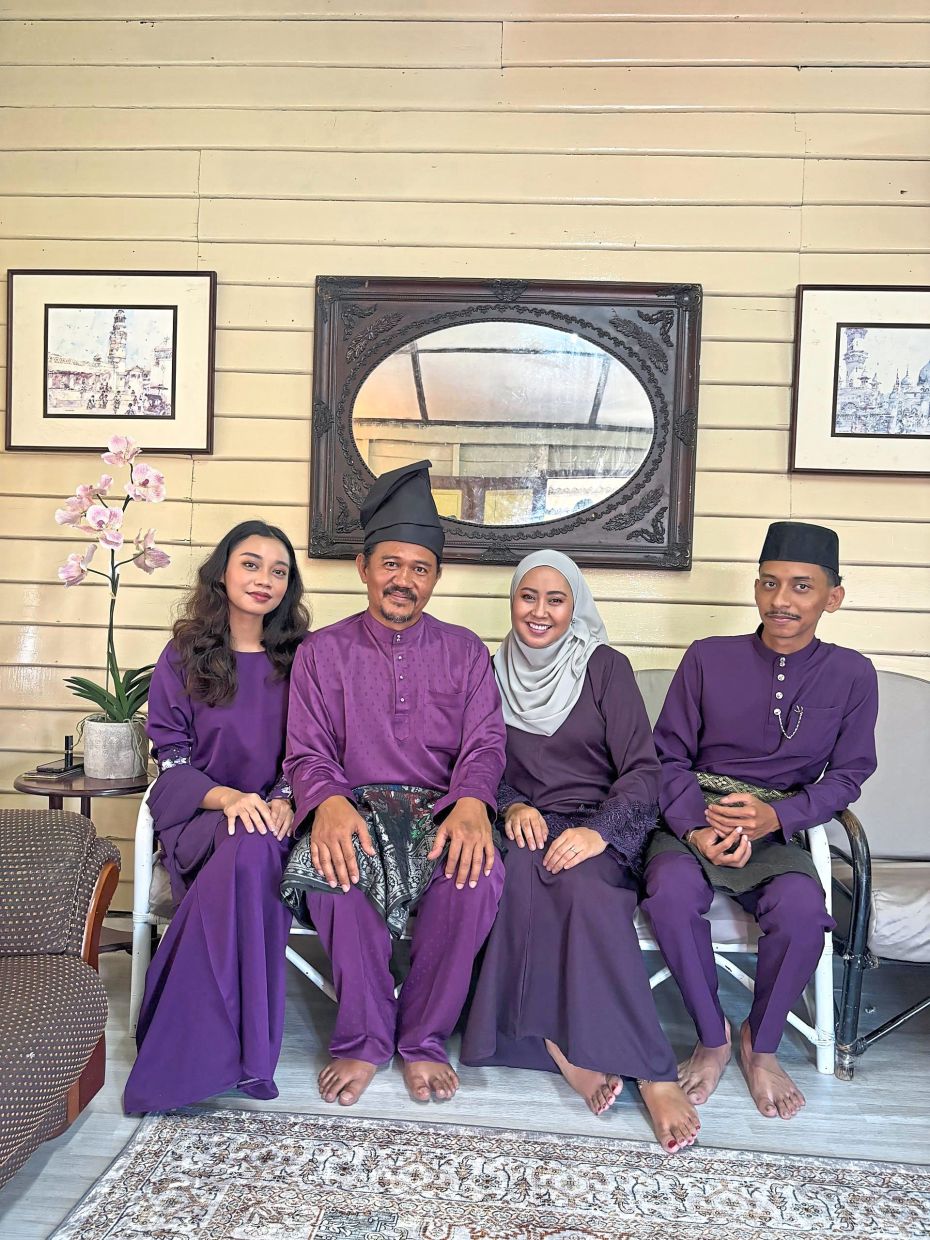
Meanwhile, Lidiya Natasya Mahadi, 26, also notices that growing older has shifted her approach to the fasting month, particularly because her career as a flight attendant keeps her on the move.
“I live alone and move constantly between flights, time zones and hotel rooms so Ramadan becomes my pause button,” she remarks.
Over time, she explains, intention becomes more important than the physical act of fasting itself.
“When I was little, I fast because it’s a must. As I mature, I understand the humility and stability that come with fasting. Fasting also shapes me to be a better person and a better Muslim.”
Ramadan away from home
Spending Ramadan away from family can feel a bit unfamiliar, especially when it comes to moments usually shared with loved ones back home.
Moving from Sabah to Perak for his studies led to small but noticeable changes to Mohammad Hafizd’s usual routine.
“At first it felt unusual because back home my mother would prepare food for sahur and iftar. Back in Sabah, sunset is usually an hour earlier so we can break fast ahead of those in West Malaysia. It was definitely something I had to get used to,” he explains.
“It was also a bit hard because I have to cook my own meals and there would be no one to wake me up for sahur, unlike back home.”
The absence of family during iftar can also feel isolating for Mohammad Hafizd as he finds himself alone most of the time for iftar.
“I would usually eat on my own despite having housemates and roommates as they would have their own plans with friends,” he notes.
Seeing his roommates break fast together with their friends makes him miss spending time with his own pals back home.
On the other hand, the main challenge for Lidiya Natasya comes not only from the distance, but the nature of her job.
“I’ve always been away from my family because of my job. But to me the hardest part isn’t fasting, it’s the quietness,” she states.
“There’s no one calling for sahur, no smell of homecooked meals from the kitchen or shared countdown to Maghrib prayer.”
Fasting while working also requires additional preparation, especially when her flights cross time zones.
“At some altitude while cruising, we may see the sun longer and sunset can be delayed by several minutes or even hours. I always prepare myself mentally and physically, as well as hydrating more during sahur and taking a nap before I report for work.”
Even in unfamiliar environments that require more effort to get through the hurdles of fasting, Lidiya Natasya still manages to build connection.
“I’m grateful to meet so many beautiful people – my colleagues – every day. We don’t really know each other that well but because of our job, we connect and understand each other.”
Fostering appreciation through discipline
Despite the distance from home, many young people say navigating Ramadan alone has strengthened their appreciation and honed their discipline for the month.
Noor Hasimah recalls experiencing something similar during her boarding school years.
“I really missed my mother’s cooking at that time. However, I looked at the bright side; I could break fast, go for Tarawih prayers and have moreh with friends. I often look back at those memories and find myself missing them.”
Today, she tries to make the most of Ramadan by channelling her focus on things that matter, such as personal reflection.
“I try to reduce doing things that distract me such as scrolling excessively on social media and watching K-drama. I want to educate myself on the real meaning of Ramadan, more than just restraining myself from eating and drinking. I want to make sure I come out of the month a better person than I was before,” Noor Hasimah explains.
Mohammad Hafizd, meanwhile, keeps himself busy with his academic work to stay focused while fasting.
“If I have classes in the morning, I focus on my classes so I don’t think about the hunger. If not, I would keep myself occupied by completing my assignments.”
Even decisions such as spending habits and food choices has become part of practising restraint.
Ramadan has, unfortunately, been synonymous with food waste, mostly due to overbuying at bazaars.
“One of the ways I ensure no food goes to waste during this month is by trying my best to cook so I can keep any leftover for sahur. If I do buy food at the bazaar, I will remind myself to only buy what I need and bring just enough cash so I don’t overspend,” he says.
For those experiencing Ramadan away from family for the first time, Noor Hasimah advises to look at it as a learning process.
“Create your own routine such as breaking fast with friends and staying in touch with family via video calls so you don’t feel lonely.”
She adds that it’s also a “good opportunity to build a stronger relationship with your faith and to work on being a better person by doing good.”
Lidiya Natasya believes solitude can also become an opportunity for reflection.
“Granted, the first time is always the hardest, but you can always use loneliness to your advantage. Being alone and away from family creates that quiet space for you to reflect, pray, think about the future and recentre yourself,” she says.
“Sometimes, the most challenging times are the ones that shape you the most.”