Tucked away on the outskirts of Telok Panglima Garang in Selangor is a modest sewing workshop at Kampung Batu 10. There, homemakers – many from B40 households – quietly work to stitch a better future for themselves and their families.
Founded in 2016, Sekochi Adinda Ventures (SAV) was set up by tailoring instructor Shayida Salmi Roslan, 43, to provide women the opportunity to earn an income through sewing while balancing family responsibilities.The small, community-based enterprise produces commissioned items such as tote bags, graduation robes, pouches and gift bags, offering flexible work opportunities for women who need to juggle household responsibilities.
"The main reason I set this up was to create an opportunity for myself to earn an income, while also helping others in the community to do the same.
"As a tailoring instructor, I felt I could teach homemakers to sew, empowering them to develop skills and contribute to their household income," says Shayida Salmi during an interview in Telok Panglima Garang.
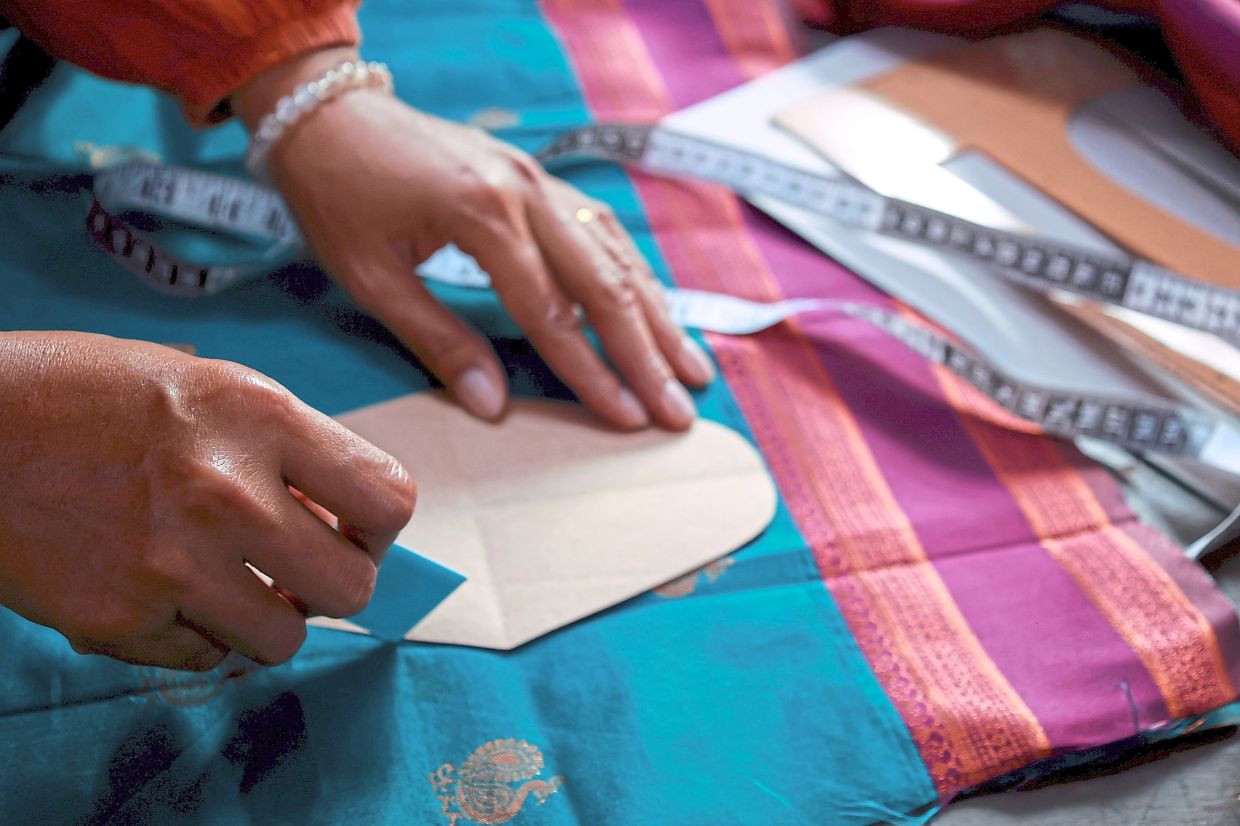
A native of the area, Shayida Salmi previously worked as a tailoring instructor at Institut Pendidikan Teknikal Brunei in Seria, Brunei, for 10 years, beginning in 2006. When she returned to her hometown in 2016, she decided to launch SAV, combining her expertise with a desire to give back to the community.
"I grew up in this village, and this is my way of contributing (to society)," says the mother of four.
SAV is part of a growing number of initiatives that provide flexible, home-based work for women looking to supplement their family income. Similar social enterprises include Mama Jahit dari Rumah (Mama JaRum) and Komuniti Tukang Jahit in the Klang Valley, as well as G1FT in Kota Kinabalu – all of which empower women through sewing and creative skills.
A 2022 study entitled "A Quality of Women Empowerment in Malaysia: Concept Paper" states that women empowerment can be defined as the development of women who are politically active, economically productive and capable of making their own decisions.
The study, published in the International Journal of Academic Research in Accounting, Finance and Management Studies, also highlights education as the key factor in improving women's status, boosting knowledge, confidence and self-esteem.
For the community
When she first started SAV, Shayida Salmi had only two part-time helpers. Today, the enterprise has grown, employing 10 women aged between 24 and 50. Some work part-time, while others are full-time staff, depending on their availability and family commitments.
The women work on a variety of commissioned projects, mainly for small-scale labels that prioritise sustainability. They upcycle materials such as denim, saree fabric and textile overruns, giving new life to materials that might otherwise go to waste.
Though the workspace is modest, it is filled with bags and boxes of fabric – polyester, cotton, silk and cotton blends in a spectrum of colours and textures.
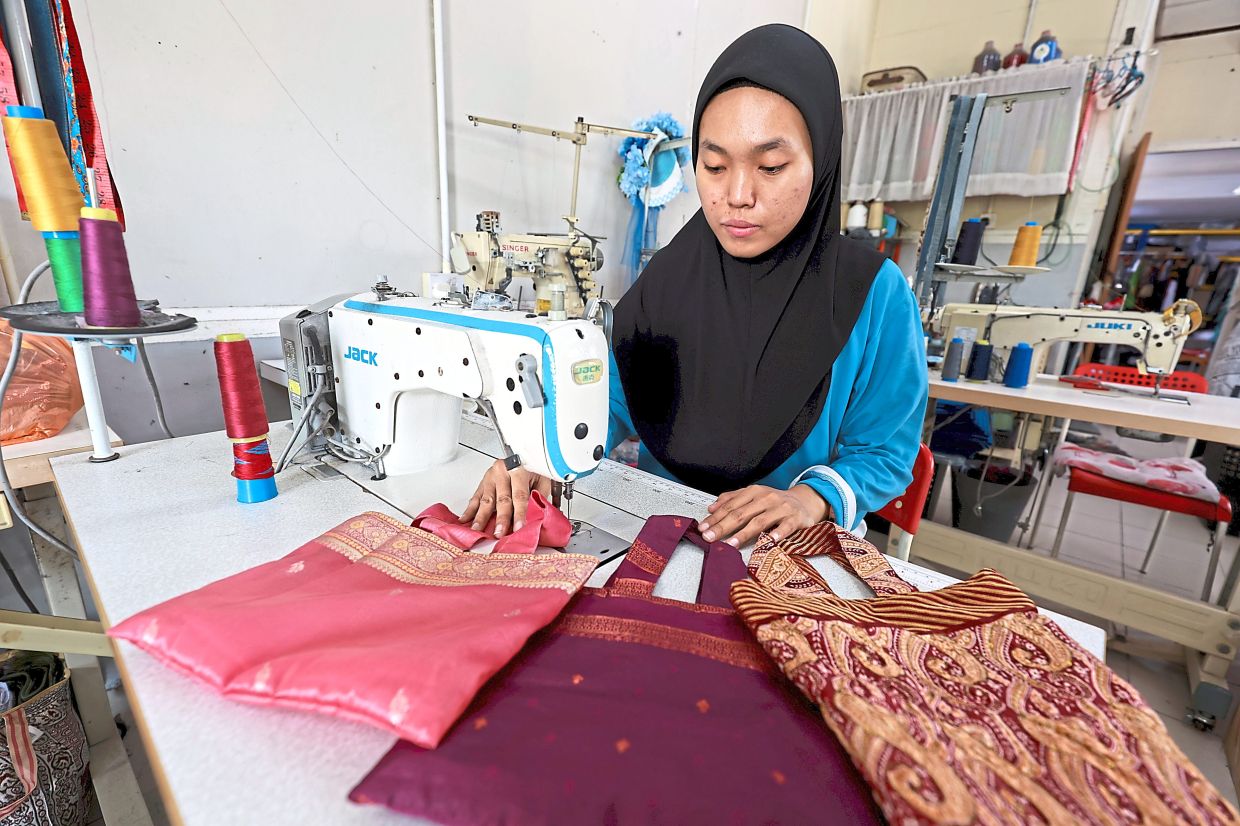
The space is divided into two sections. At the front, several women operate sewing machines, carefully stitching bags, purses, tote bags and graduation robes for schoolchildren and small entrepreneurs.
At the back, others measure and cut fabric, preparing pieces for the sewing team. The room buzzes with activity – the steady whirr of electric machines blending with the quiet concentration of women focused on their tasks.
"Everyone has their own strength," Shayida Salmi explains. "Some are good at cutting, some at sewing, and others help with preparation. Even those with no experience can learn, as long as they have interest."
Flexibility is at the heart of how SAV operates. Some women work full days, while others come in for a few hours or take assignments home, especially when deadlines are tight. Payments vary depending on the scope of work, allowing each woman to contribute according to her schedule.
More than just a workplace, SAV has become a support system.
"They don't just come here to work," Shayida Salmi says. "They come to share stories, talk about their problems and support each other. It’s like a family."
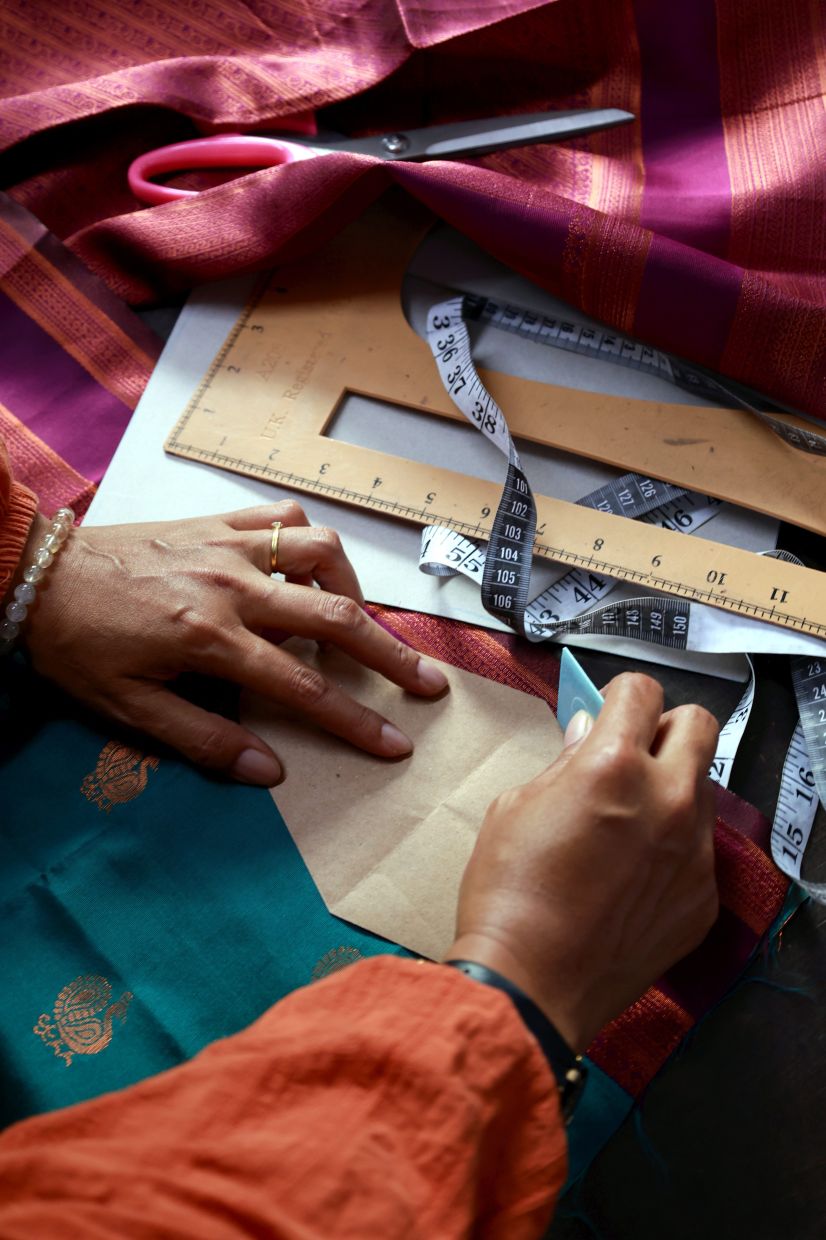
The name Sekochi Adinda Ventures reflects this spirit. "Sekochi" (bobbin in Bahasa Malaysia), symbolises a small yet essential part of the sewing machine. "Adinda" represents the nurturing strength of women, while "Ventures" highlights the collective effort driving the initiative.
"We may be a small organisation, but the work we do matters," Shayida Salmi says. "Sometimes we support other small businesses, including recycling projects. We are part of something bigger."
For Nurlinda Suratani, 41, SAV has been life-changing. She joined the enterprise when it first started, beginning as a part-time worker while managing her household and caring for her three children.
"The reason I joined SAV was to earn my own income. I dreamed that my family could lead a more comfortable life," says Nurlinda, who lives just five minutes away from the workshop.
"At first, I worked about three hours a day, completing simple tasks like cutting and hemming. Over the years, I improved my skills, which allowed me to take on more work hours and more complex projects."
Two years ago, she enrolled in a short-term sewing course and earned a tailoring certificate from the Community Development Department (Kemas). Today, she is a full-time staff member.
"No matter your age or background, learning something new gives you confidence and independence," she says. "For me, sewing is not just a hobby - it has become a way to support my family and feel proud of what I can achieve."
Now earning over RM1,000 a month, Nurlinda says the income has made a meaningful difference.
"I am grateful because I am finally earning my own income. The extra money allows me to help my husband and support my children’s education. My savings have increased too. Slowly, I am moving towards financial independence," she shares.
Through SAV, Shayida Salmi has not only built a business but also created opportunities for women like Nurlinda to grow, learn and gain independence while balancing their responsibilities at home.
At the end of each month, when the women receive their earnings, the sense of pride is evident.
"They are happy because they earned it themselves," says Shayida Salmi before turning back to her sewing machine and resuming her work.
Stitching a better future
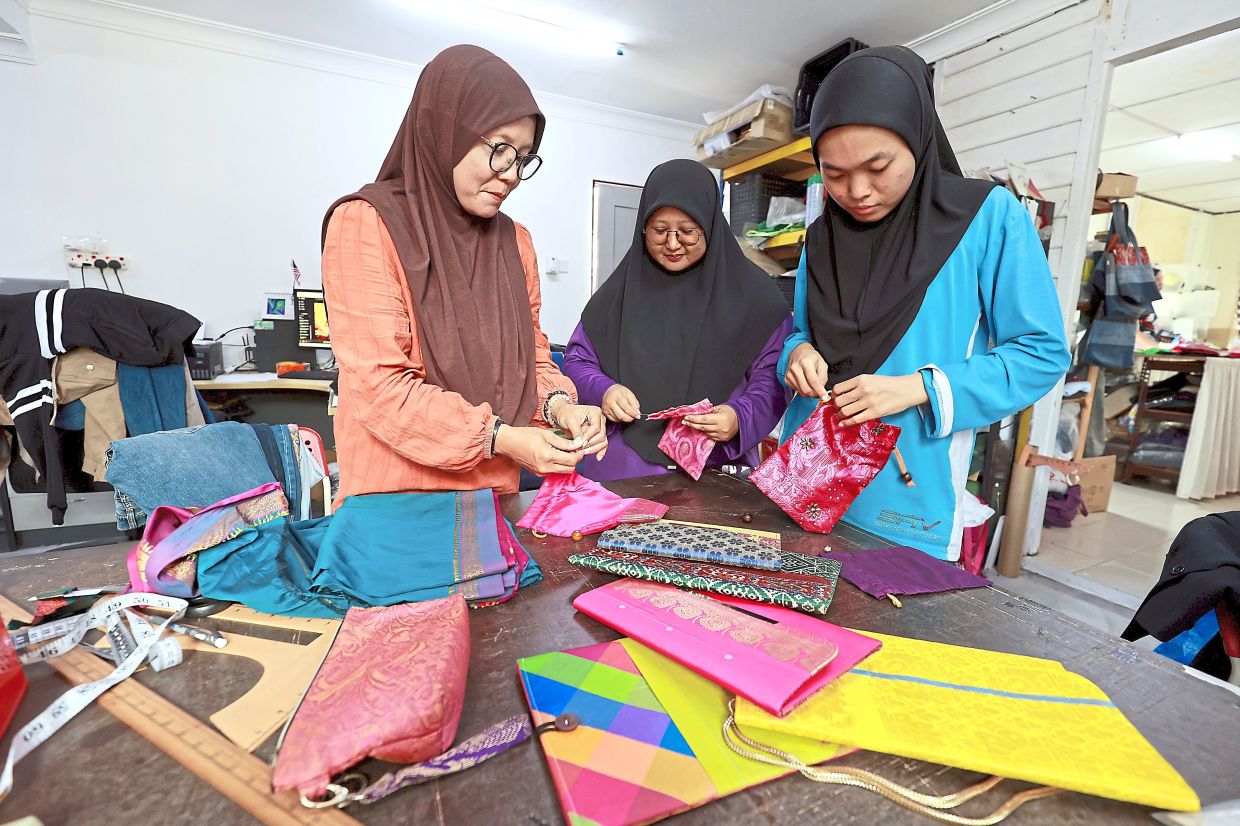
(From left) Shayida Salmi, Nurlinda and Shakira Syafiqa Shlehudin work together to turn fabric into bags, robes and other items that support their families. Photos: The Star/Kamarul Ariffin
With flexible work hours at SAV, Shakira Syafiqa, 20, has the opportunity to improve her earnings while building her sewing skills.
Photo: The Star/Kamarul Ariffin
Through SAV, women gain income, skills and confidence.
Photo: The Star/Kamarul Ariffin
Through sewing, women earn a living and take meaningful steps towards empowering their lives.