
Retired technical naval officer Tan Siew Thye, 84, his daughter Juliet Tan Su Yin, 54, and his granddaughter Jyllian Kok E-Lyse, 23, belong to different generations – the Silent Generation, Gen X and Gen Z.
Yet they share one thing in common: their love of reading The Star.
Siew Thye has been an ardent fan of the newspaper since the 1980s.
“It means a lot to me that my family members have acquired my habit of reading the newspaper. It broadens their views about the world around them and keeps them informed about current events,” says Siew Thye during an interview in Bandar Utama in Petaling Jaya, Selangor.
The Star was established in 1971 in Penang. The country’s leading English language daily will be celebrating its 55th anniversary on Sept 9.
The octogenarian has been subscribing The Star for nearly 50 years.
A lifelong habit
Every morning, the father of two makes it a point to pick up a copy of the papers from his porch. It’s something he’s been doing for decades.
“I like to read the headlines and flip through the pages, then go to specific sections. The sections are well organised, like Nation, Business, Lifestyle and Sports. My favourite section is Sports, being a former sportsman myself. I like keeping up with the latest news especially when it comes to tennis and badminton,” says Siew Thye, who is also a grandfather of two.
Siew Thye represented his school in badminton and athletics, and later competed for the Armed Forces and Johor while serving the Navy.
He went on to represent Malaysia at the 1971 South-East Asian Peninsular Games, then a regional meet involving countries such as Thailand, Burma (now Myanmar) and Singapore.
He adds: “Reading the physical newspaper is so much better then getting news online, because I can take my time going through the whole newspaper and enjoy every moment of it.”
A 2023 research titled “What motivations drive Malaysian readers to choose printed newspapers in the digital era” says readers buy and read printed newspapers because they want information.
The research, published in Universiti Teknologi Mara’s Journal Of Media And Information Warfare states that people turn to printed newspapers for information not readily available online, particularly for in-depth coverage on substantial topics.
Siew Thye and his family find the articles in The Star very informative, written by writers who can inspire. The articles are also well thought-out and relevant.
His daughter Su Yin says growing up, it was common to see her parents read The Star every morning.
“Naturally, I developed the habit of reading the newspaper too,” shares the wealth planner.
While she used to read the print edition, she finds the digital version more convenient, allowing her to access news anytime, anywhere.
“The Star keeps us abreast with the current happenings not only in our home country but also internationally.”
News on the go
Su Yin says she mainly follows the News, Business and Lifestyle sections.
She fondly remembers flipping to the comics section as a child for her daily dose of laughter.
She is pleased that the habit of newspaper reading has grown on her two daughters too.
Su Yin’s daughters, Jynn Kok E-Lynn, 25, and E-Lyse, have been participants of the BRATs Young Journalist Programme run by The Star’s Newspaper-in-Education (Star-NiE), dedicated to students with a passion for writing and journalism.
E-Lyse says she first started reading the paper when she was around five years old.
“My grandparents introduced The Star to me,” she says.
“There was always a copy of the paper on the dining table during breakfast before school. Being naturally curious, I’d flip through it and read a few of the articles,” says E-Lyse, who recently graduated with a degree in software engineering from Lancaster University in Lancaster, England.
Her interest in writing and reporting grew as she watched her older sister participate in the BRATs programme.
“Seeing how much Jynn enjoyed it and how many of her articles were published in the national newspaper made me want to join too. I wanted to do something useful alongside my studies and also hone my writing skills,” says E-Lyse, who was part of the BRATs programme from 2019 to 2024.
She particularly enjoyed the freedom to explore her own ideas in writing.
“Although there’s typically a main theme and suggested angles, we were encouraged to propose our own ideas as well. That freedom allowed us to write with more passion and authenticity,” she explains.
When it comes to reading, E-Lyse gravitates towards the Lifestyle and Education sections.
“Lifestyle is fun and refreshing, and I sometimes find myself getting lost in it. There is always something new to learn or explore. I have always liked the Education section because it felt very relevant to me back in secondary school and even during university.”
Beyond personal interest, reading The Star and contributing to BRATs have been practical as well, she shares.
“It made me more aware of what was happening locally and globally and helped me understand different perspectives of current issues. It was also useful for academic writing, especially for essays and article assignments, as I was already familiar with the format and style.”
For this family, the tradition of reading The Star has not only broadened their worldviews; it has also strengthened their bond, forged through casual conversations and lively discussions.
A family tradition
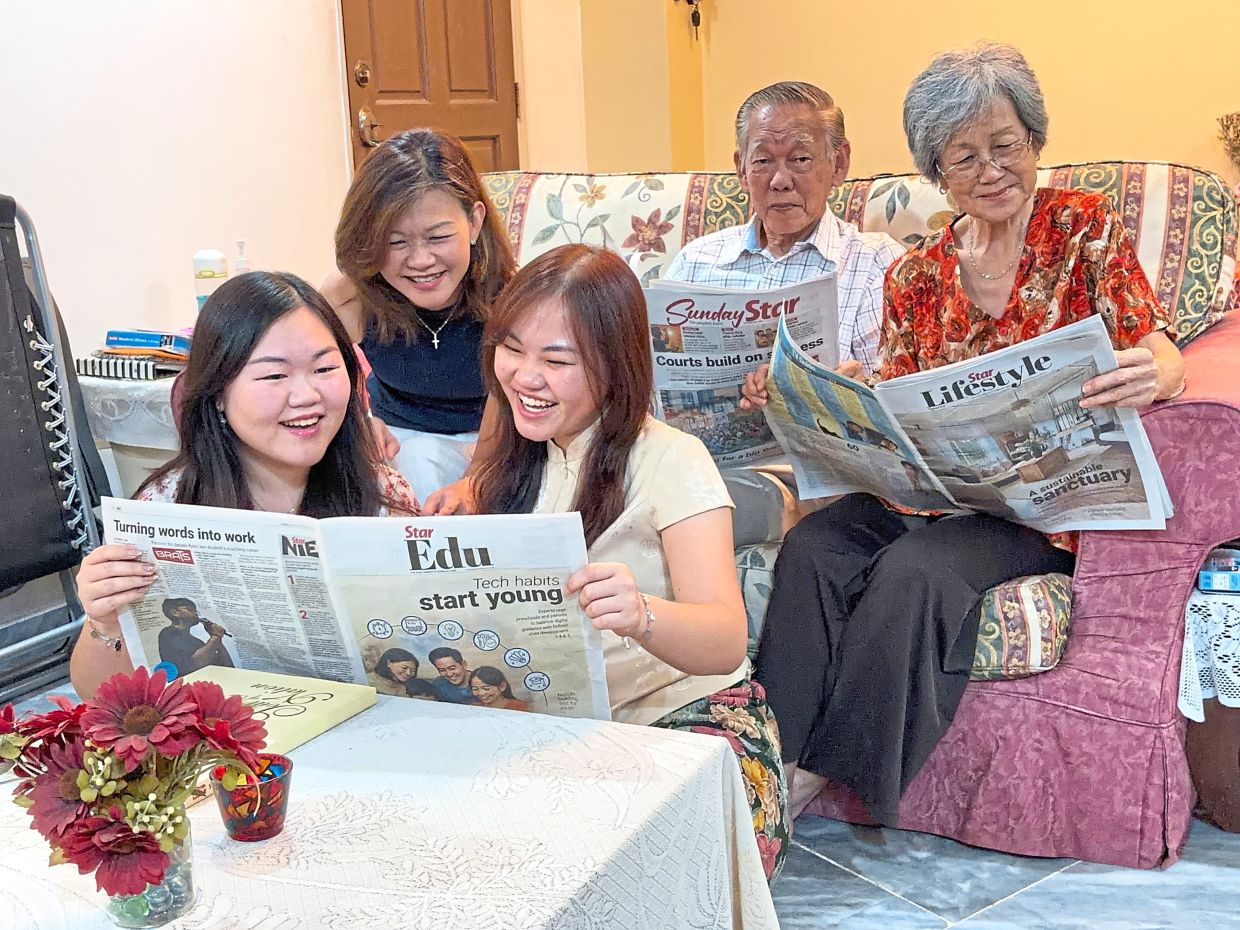
(From left:) E-Lynn, Su Yin, E-Lyse, Siew Thye and his wife Nancy have been reading The Star for decades. Photos: Jyllian Kok E-Lyse
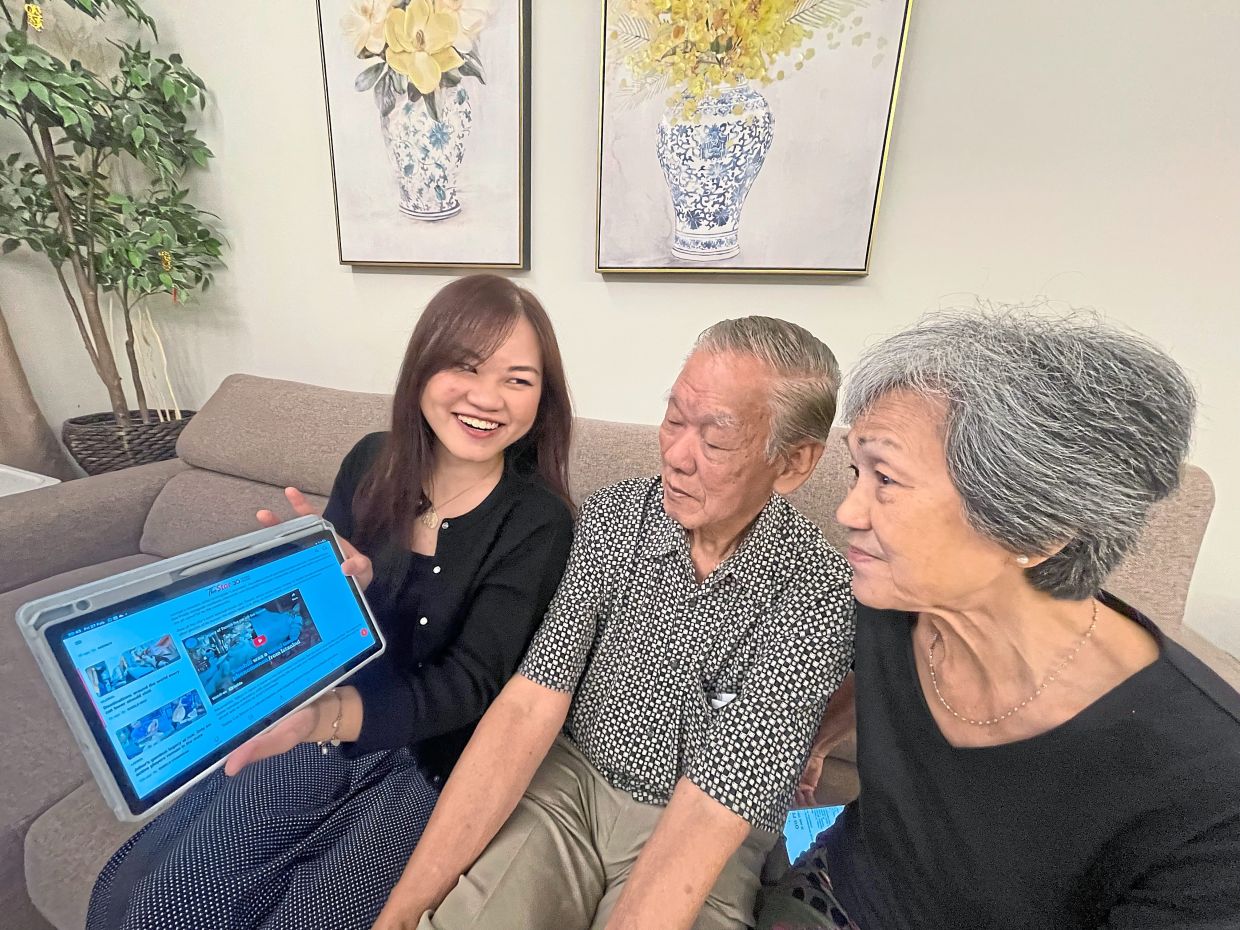
E-Lyse (left) guides her grandparents on how to read news online.
Photo: Jyllian Kok E-Lyse
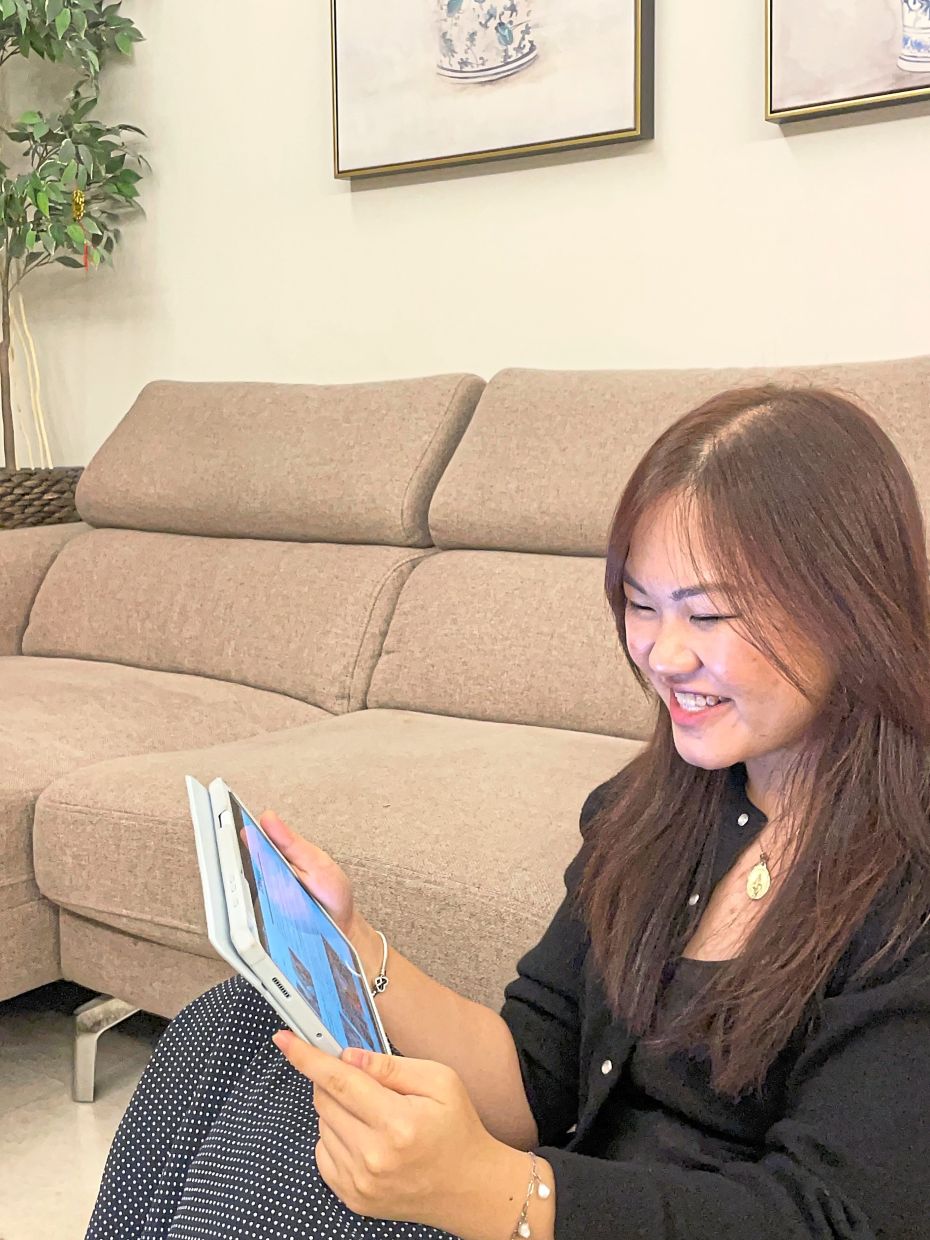
E-Lyse carries on the family’s love for The Star.
Photo: Jyllian Kok E-Lyse
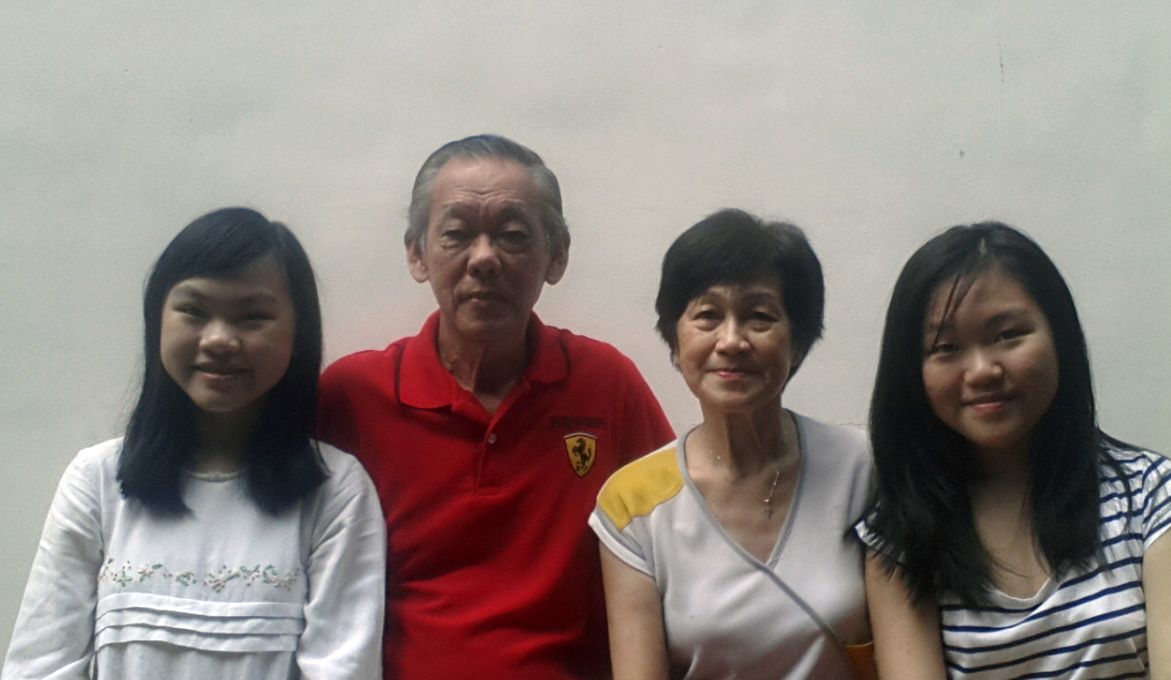
E-Lyse (left) and E-Lynn (right) with their grandparents.
Photo: Jyllian Kok E-Lyse