
PETALING JAYA: The year was 1988, and The Star reporter Paul Gabriel found himself at the district hospital in Butterworth, Penang. It was past 10pm on a Sunday and he had set himself a crucial task.
Paul needed to get into the morgue. Five hours earlier, Paul had arrived at the Pengkalan Sultan Abdul Halim jetty where a wooden platform collapsed under the weight of a crowd estimated at around 10,000 people.
The crowd was due to the Buddhist Guan Yin (Goddess of Mercy) festival taking place in George Town on the island, with the annual St Anne’s Feast being celebrated in Bukit Mertajam on the mainland on the same day.
The Guan Yin procession was touted as a once-in-60-years event, with tourists coming from as far as Hong Kong, Taiwan and Singapore.
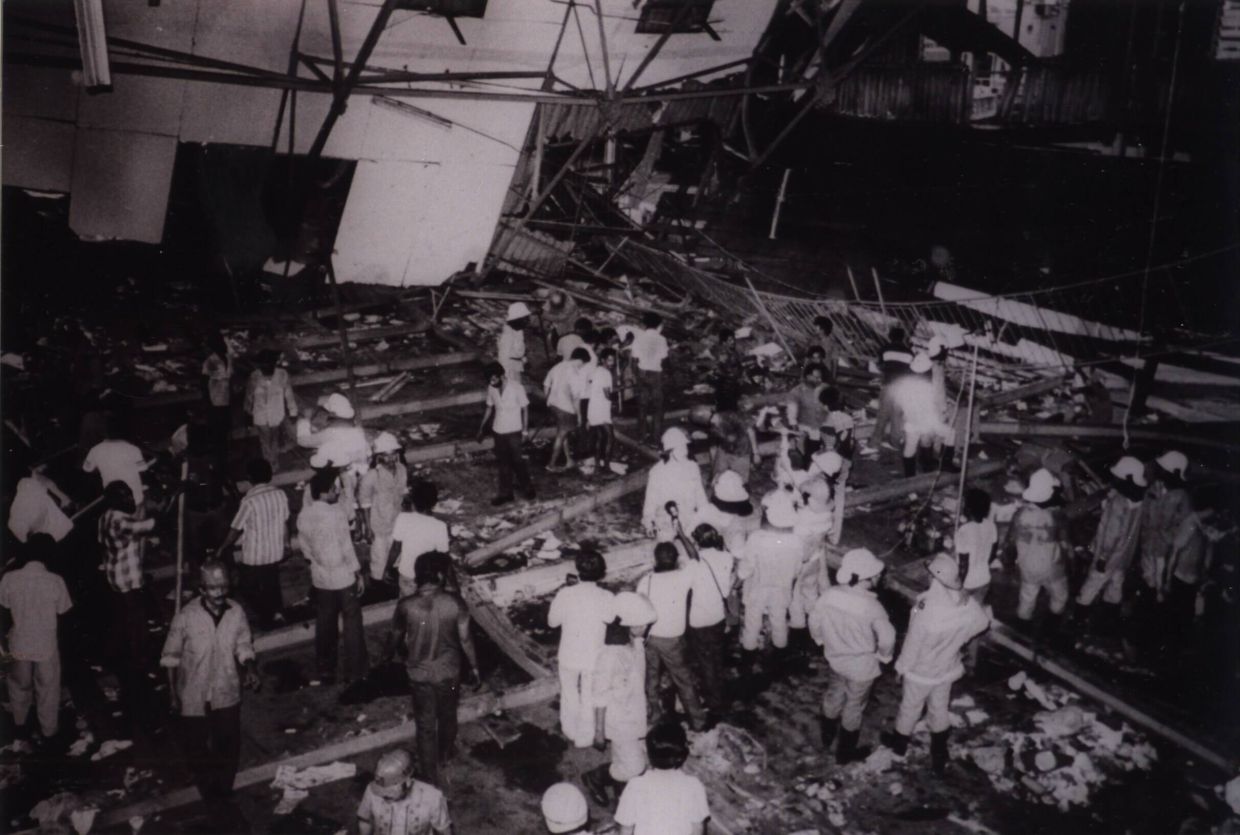
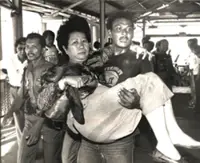
Paul remembered the chaos that followed the collapse of the jetty platform - sirens blaring, helicopters hovering overhead and blood-stained ambulances rushing the injured to hospital.
For a reporter, the most important detail is to uncover and be accurate with the number of casualties – a figure that will let readers understand the full scale of the tragedy.
“It was getting late into the evening and the police were not ready with the full casualty list. I wanted to go the extra mile to get as close a figure as I could,” he said.
Paul was 25 and was a year into his stint as The Star’s Butterworth correspondent. He was familiar with the district hospital grounds as he had covered VIP visits and interviewed victims involved in other incidents.
But stepping into the morgue was new territory for him. He approached a security guard with a story that he was looking for a missing relative.
“I said I was concerned for a relative who had gone to the jetty. I pleaded with him to let me in just for a while,” he recalled.
It took some time for Paul to convince the unsuspecting guard to let him in.
Eventually, he was granted access and went in alone. Then in the dimly-lit morgue, Paul saw black body bags and began counting, notebook and pen in hand.
“I took it that the large bags were that of adults and the small ones that of children,” Paul said, adding that as nervous as he was, he tried to keep calm to get the counting over with as fast as he could.
“I was purely in reporter mode. My thoughts were focused on covering the news and getting the facts as best as I could.”
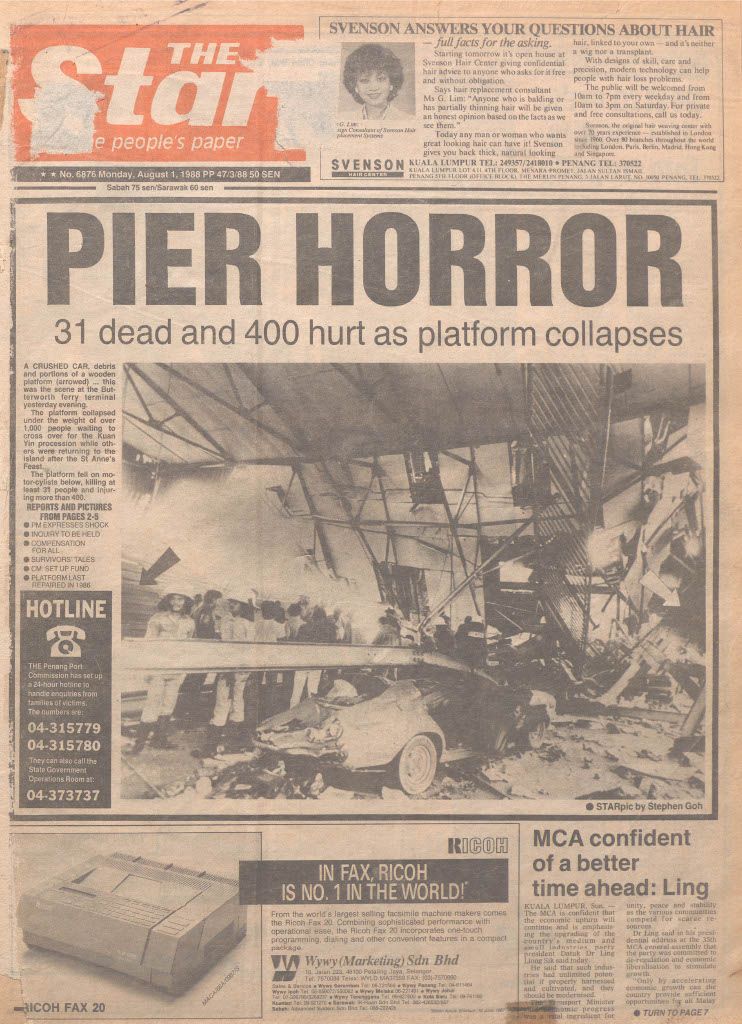
Paul said he was done in about 10 minutes and left the morgue with the grim task of reporting to his editor that 31 people had died.
Later, police confirmed that there were 32 casualties with more than 400 injured.
The story didn’t end there as Paul said there was more work to be done to interview survivors and ferry officials. Ultimately, how did things go wrong and who was responsible?
He knocked on the door of then-Penang Port Commission (PPC) chairman Datuk Seri Syed Mohamad Aidid Syed Murtaza's office seeking answers.
“I asked him point-blank what he was going to do.... how much of a responsibility he would take.”
Paul remembered how Syed Mohamad Aidid looked him in the eyes to say: “I will not quit. I am not going to run away from this tragedy. I will stay and put things right. That is my commitment.”
Ironically, the PPC chairman was among those who narrowly escaped death, being just five metres away from the crashing platform and metal beams.
Paul said covering the tragedy was one of the biggest stories of his career, one that had also taken him to shootouts and a tour bus hijacking during his time in Butterworth which was notorious for crime back then.
He had no regrets about counting body bags in the morgue. "There was no time to ponder. It was a challenge I had to rise to. Back then, there was no Internet or social media. Everyone was waiting for the news. People would wake up and grab The Star first thing in the morning! We had to be the best in delivering the news."
As a child, Paul had fond memories of the ferries in Penang. He looked forward to being in the vehicular deck as his father drove the family across to the mainland.
“The sea breeze, the seabirds and yes, I think we also saw dolphins from afar!”
But now, whenever he returns to Penang and passes the Butterworth jetty on the mainland, memories of that fateful day 38 years ago come flooding back.
"The scene of the jetty platform collapse and bodies lying on the road is still etched in my mind," he said.
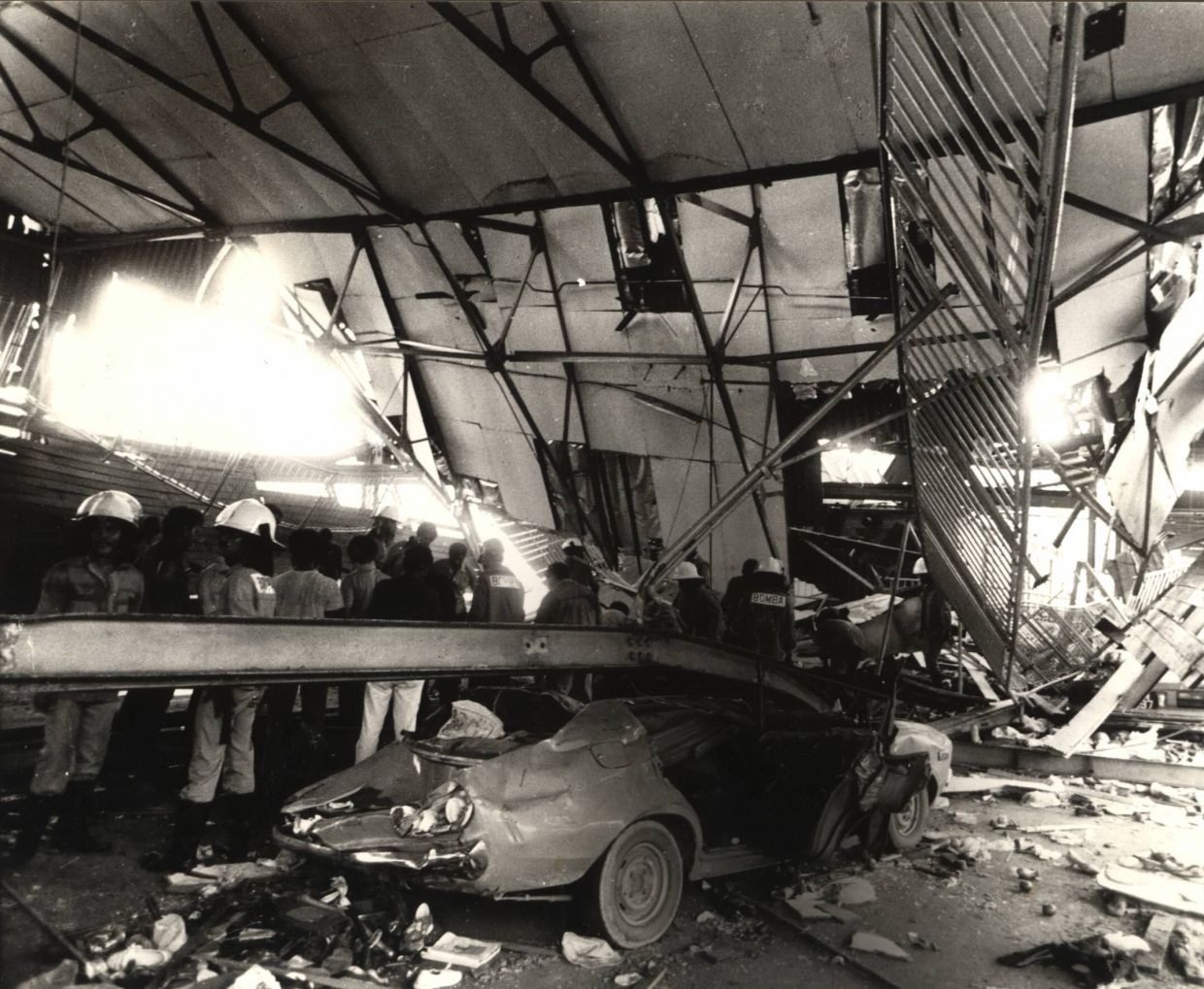
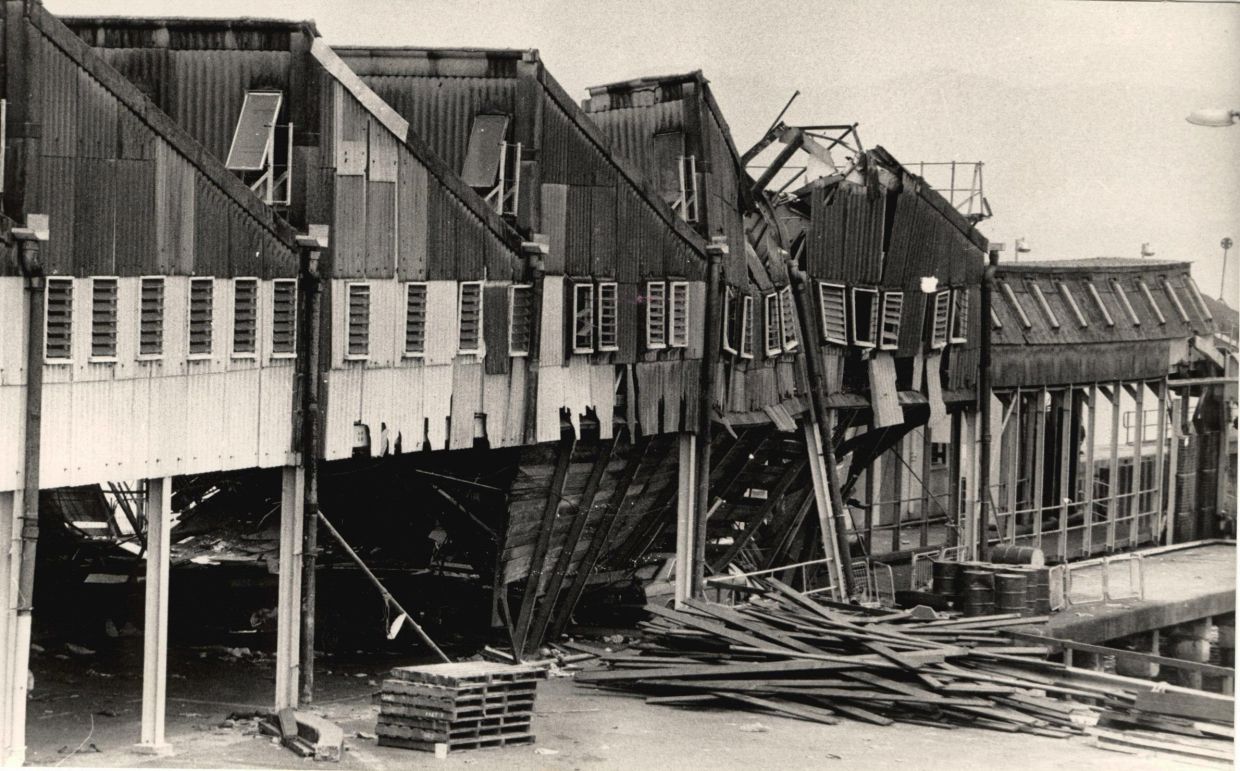
The report concluded that overloading of passengers in the waiting area of the terminal caused the platform to collapse, and that the PPC’s operations department had pleaded ignorance on the maximum number of passengers allowed there.
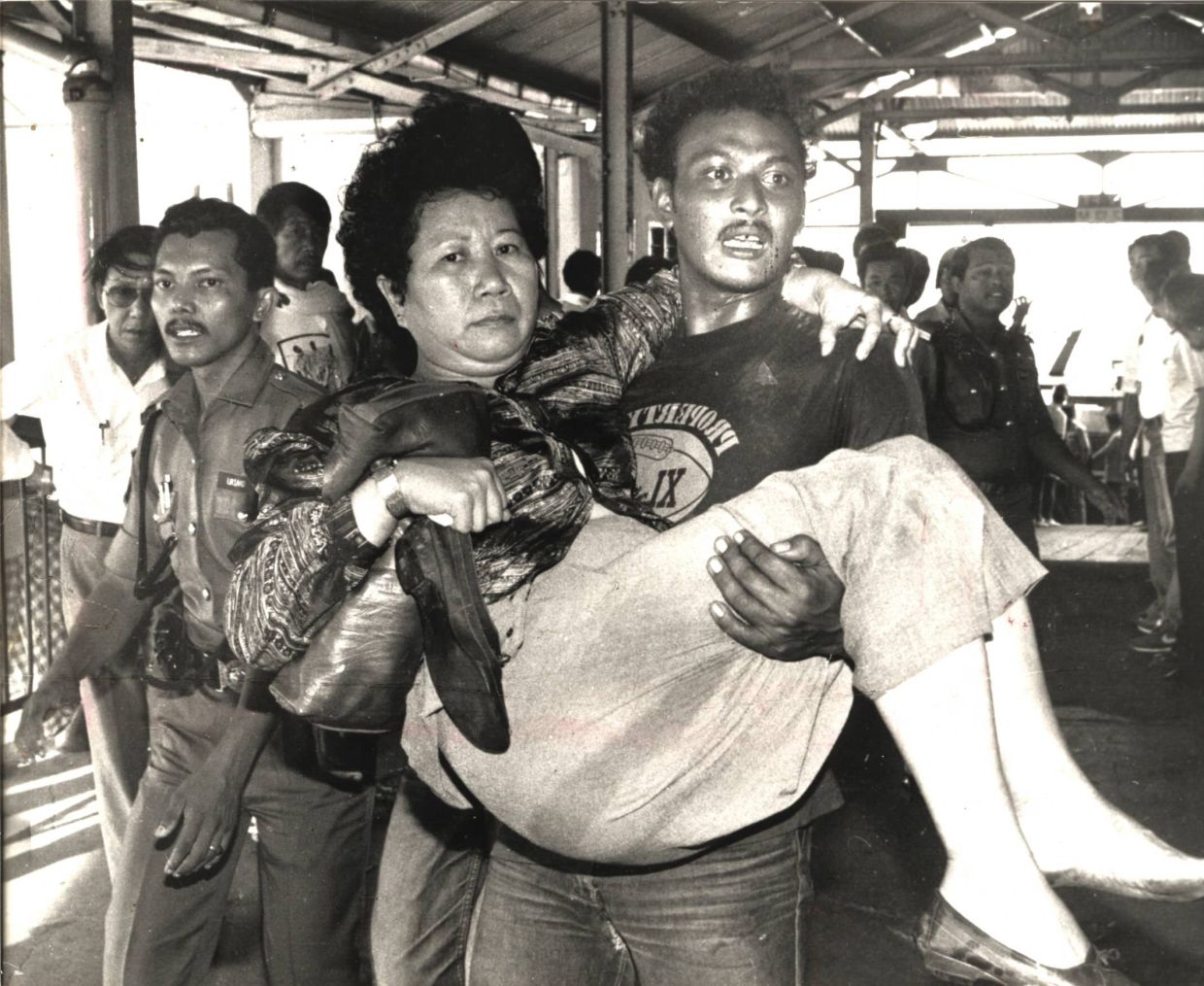
A volunteer carrying an injured woman to safety. — The Star
Workers inspecting the site after the tragedy — The Star
A crushed vehicle at the site. — The Star
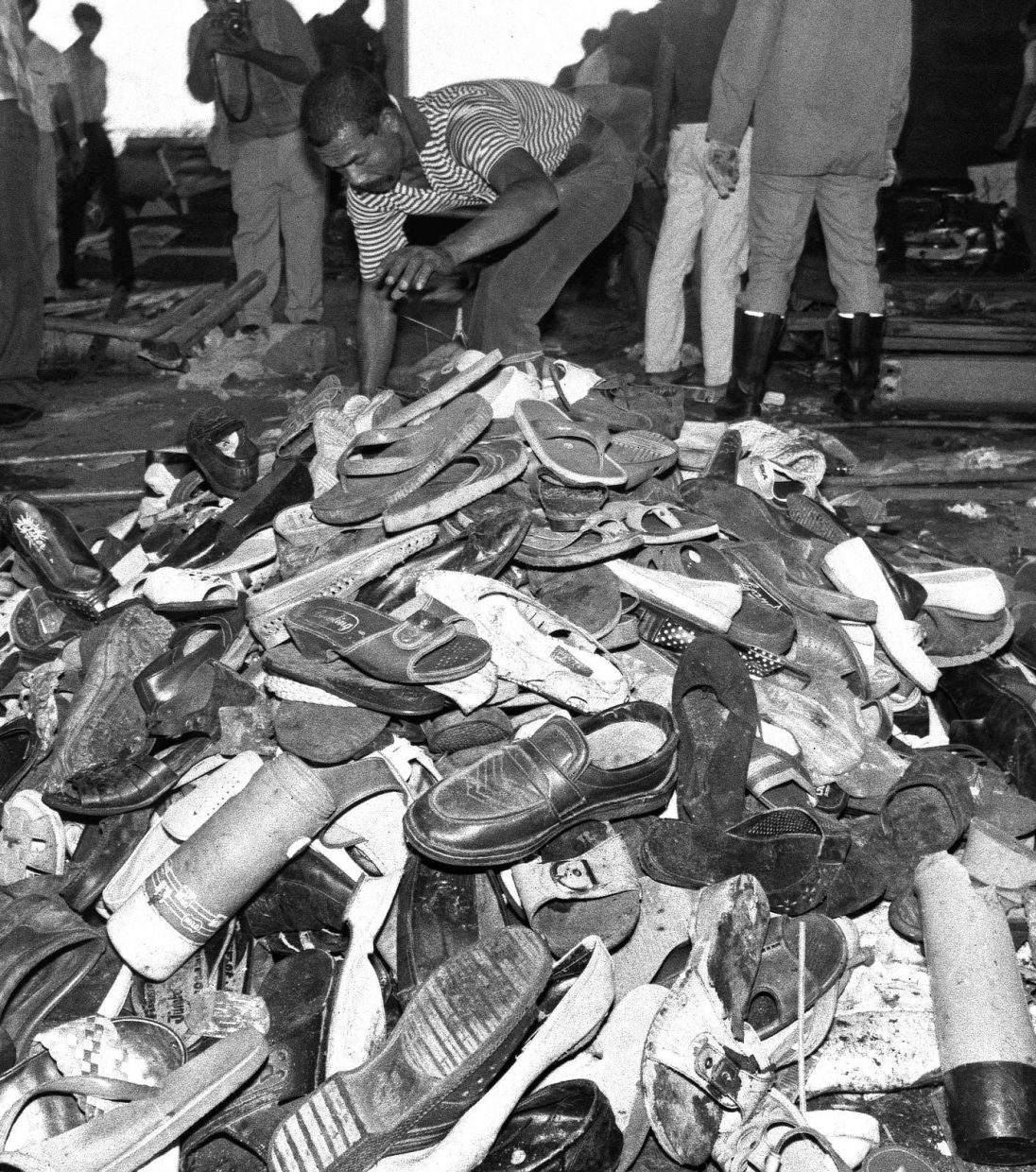
Pile of shoes found at the terminal. — LIM HONG LEONG/The Star
The Star page 1 cover on the Butterworth jetty tragedy in 1988. — The Star
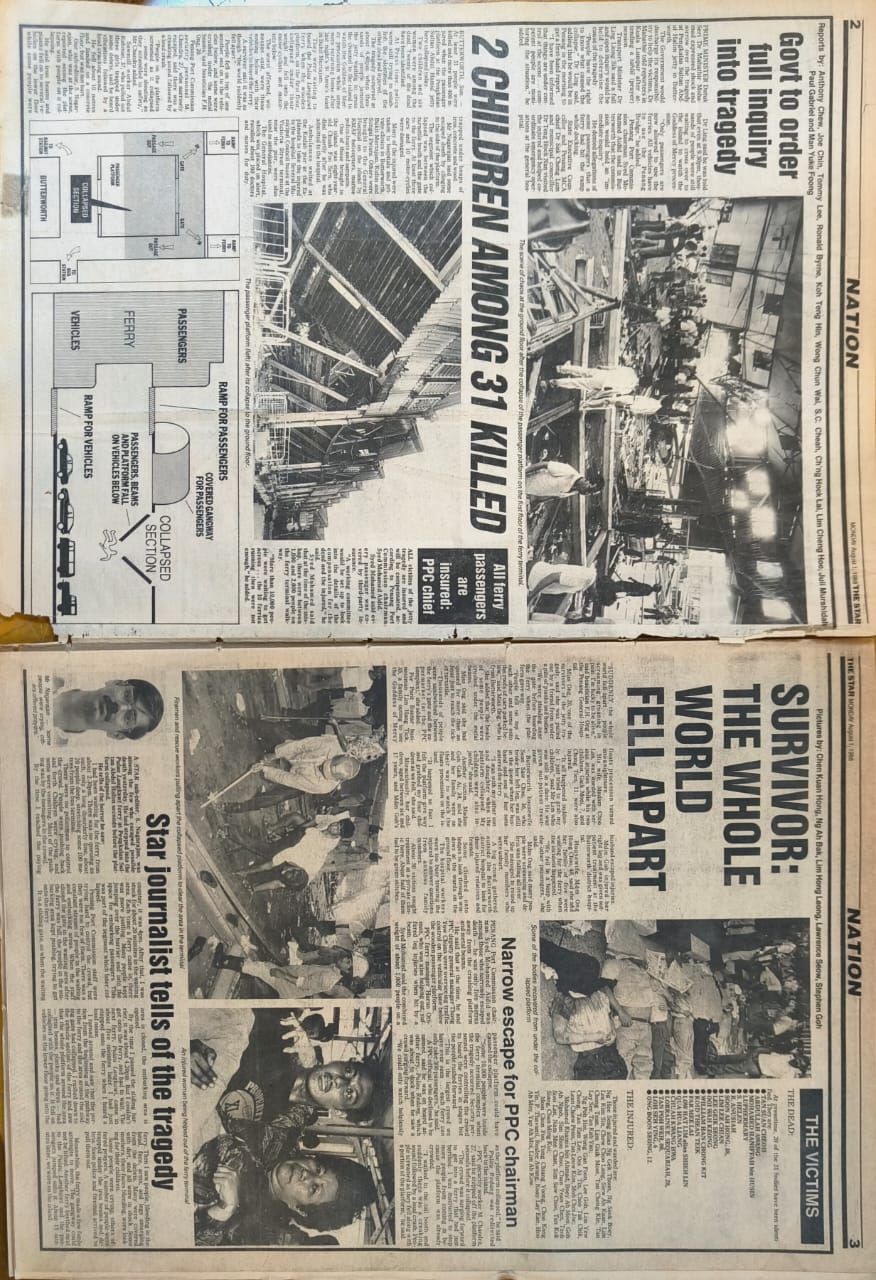
A two-page spread in The Star reporting on the incident in 1988. — The Star
The damaged section of the Butterworth ferry terminal seen from the side after the 1988 collapse. — The Star