
AS THE debate over social media regulation intensifies, the conversation has shifted from a matter of “if” to a definitive “when”.
While current digital norms often see children as young as 10 or 12 scrolling through endless feeds and navigating complex digital ecosystems, a growing body of psychological and neurobiological evidence suggests that 16 should be the definitive threshold for digital independence.
Under the Online Safety Act (ONSA) 2025, the government is establishing a comprehensive legal framework to hold digital platforms accountable for the presence of harmful content.
This shift moves the conversation from “if” social media should be regulated to “how”, setting the stage for a safer digital environment.
Central to this is the under-16 age limit for digital independence.
The Malaysian Communications and Multimedia Commission (MCMC) is testing practical ways to implement age-related safeguards that reflect the real risks young users face online.
Neurobiological ‘reward’ loop
The primary concern for child psychologists is the vast gap between a minor’s technical fluency and their cognitive ability to manage “chemical rewards”.
IMU University senior lecturer and clinical psychologist, Dr Serena In, whose interests focus on family resilience and adolescent depression, anxiety and stress, explained that as children transition into adolescence, their brains are effectively “under construction”.
“Teenagers whose brains are still developing go through massive changes at the neurobiological level, whereas the adult brain has already integrated and stabilised,” she said.
“During this stage, the limbic system (our brain’s reward centre) in the teenage brain is particularly sensitive to dopamine – the ‘feel good’ hormone that gets released whenever we are socially validated. For example, receiving compliments, likes, reactions, comments and shares.
“With this positive reinforcement each time they are on social media, it is hard for them to put down their phones as they are very much engaged in the virtual world.”
She added that, during this crucial developmental phase, teenagers are neurologically wired to value peer acceptance over parental guidance.
This means that they’d rather spend hours on the web seeking social validation, whereas an adult brain allows for cues like eye strain and exhaustion to signal it is time to log off.
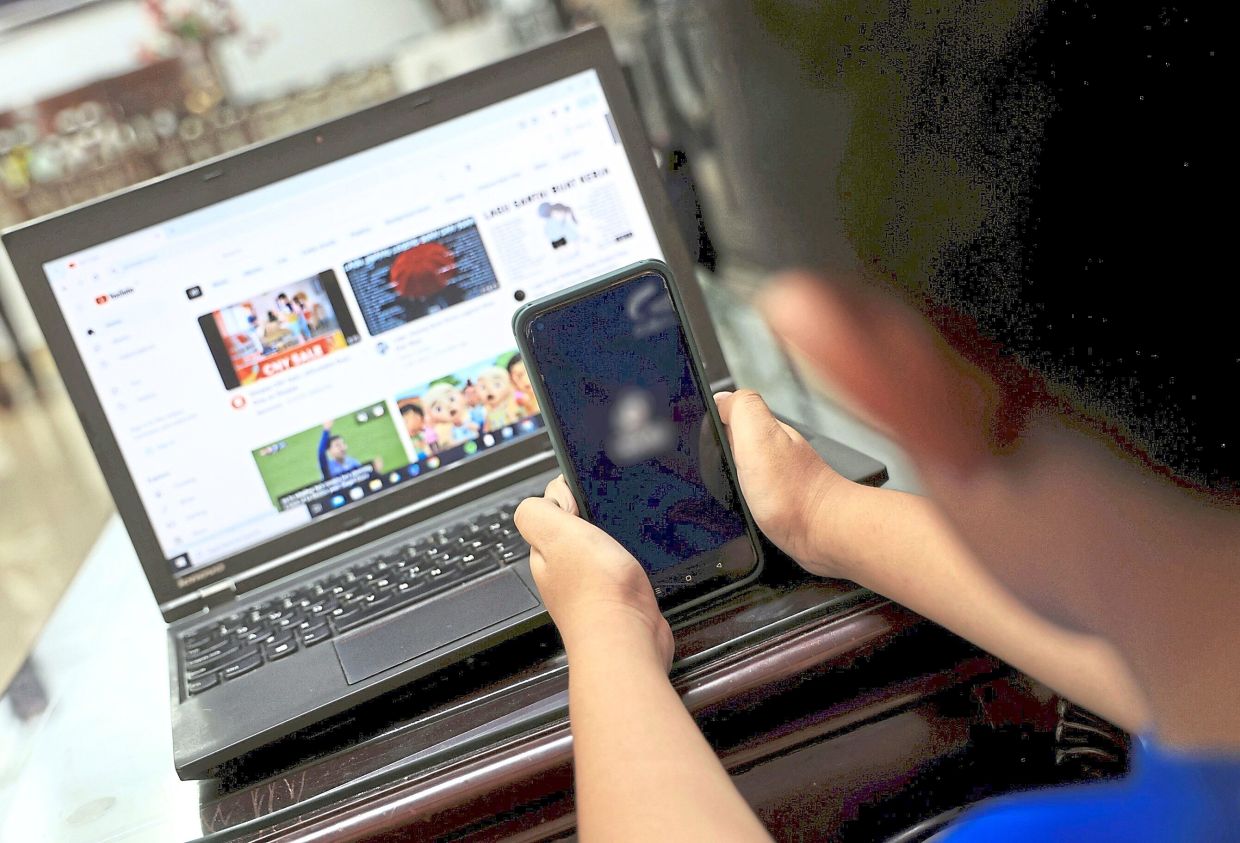
Because under-16s are still developing core functions like risk judgement and impulse control, they lack the prefrontal cortex maturity to resist the dopamine loops designed by social media platforms.
“They are almost addicted to being on social media – where everyone is – and struggle to put down their phones. Adults, on the other hand, may be more attuned to cues like eye strain,” she said.
Social comparison trap
Unlike traditional media, social media is not a neutral observer.
It utilises sophisticated algorithms that create content rabbit holes, repeatedly feeding users content similar to what they have already viewed, liked or shown an interest towards.
For a teenager with a developing sense of self-worth, this can create a distorted perception of reality.
Dr In warns that because users selectively post only the “best version” of their lives on social media – a practice often called “humble bragging” – young people inevitably compare their realistic, unedited lives to a curated digital success story.
“When one keeps getting fed the same information, it may sometimes affect one’s sense of reality and their perception of their own body image and self-worth.
“A young person who may still be developing their self-esteem, about their changing bodies or maturing personalities, may easily compare all their ‘realistic’ sides with others, and feel inferior compared to the successes that are constantly being portrayed on social media.
“Day in, day out, with the algorithms repeatedly feeding them selected content, they may start believing that their bodies are not as attractive or desirable as what is being portrayed or celebrated by others, thinking that ‘everyone else is better than me’,” she said.
She opined that this social comparison trap may lead to depressive symptoms in youths and other mental health concerns.
Beyond the screen
The risks of early social media use extend beyond the obvious threats of predators and scams.
Dr In points to a rise in secondary mental health effects that parents must monitor, including:
> Reduction of physical activity: Excessive digital socialisation is replacing face-to-face experiences and time spent outdoors. A sense of emptiness or meaninglessness can creep in when a young person is too sedentary for too long;
> Social withdrawal: Preoccupation with spending more time virtually leads to a withdrawal from real-life responsibilities and social obligations;
> Increased anxiety: Ironically, more time spent “connecting” online often leads to an increase in social anxiety during real-life events and a decreased ability to communicate effectively; and
> Apathy and desensitisation: Constant exposure to negative online behaviours, such as microaggressions or cyberbullying, could spark secondary trauma or lead to a general increase in apathy toward day-to-day activities.
Reclaiming the home
Experts warn that technology is not a silver bullet. Online safety requires an ecosystem-wide effort involving the collective responsibility of parents, teachers and platforms.
While the goal of setting the age at 16 is to create safer digital environments, active supervision and open communication at home remain irreplaceable.
During the transition period of the imposed age restrictions, Dr In suggests parents lead with empathy rather than authority.
“Start with empathy – acknowledge that it might be very difficult at first to adjust to this sudden change,” she said.
“Depending on their age, it is important to have open conversations with them about this. Younger children need closer monitoring and explanation of boundaries, while teenagers would prefer more respectful conversations.”
She emphasised that it is important for parents to explain the “why” behind the age restrictions and ensure their children understand its importance, so that it does not become a big gap without social media in their lives.
“Parents can also lead by example by putting their devices away during crucial family times, such as meal times.
“They can then discuss how to reclaim meaningful family time or activities, where they can learn and relearn how to connect with each other in the present.”
Dr In added that if entertainment is needed to fill the social media gap, families can use this as an opportunity to spend more time with each other by organising movie nights or playing board games together.
Ultimately, the case for setting 16 as the minimum age for social media access goes beyond regulation. It recognises that children deserve the space to mature emotionally and cognitively before being exposed to a digital environment designed to compete relentlessly for their attention.