
FOR decades, the Federation of Malaysian Consumers
Association (Fomca) has been at the forefront of advocating for fairer markets and stronger consumer protections, consistently raising concerns over issues ranging from unsafe products to rising living costs and household financial pressures.
And along that journey, it has worked closely with the county’s media, including The Star.

> With rising living costs and sustainability challenges, how do you see consumer protection shaping household resilience and ensuring that economic growth translates into fairness and inclusivity for ordinary Malaysians?
Through our work on price monitoring, food safety, and utility tariffs, we’ve seen that an empowered consumer is a resilient one.
But we need to go further. We advocate for fair transition policies. Fomca pushes for targeted subsidies, transparent pricing mechanisms, and stronger enforcement of the Consumer Protection Act 1999.
Now, let me speak about sustainable living and zero-waste lifestyles.
Many assume sustainability is expensive – organic food, solar panels, ecofriendly packaging. Fomca has been advocating the opposite: zero waste is a cost-saving strategy.
When a household learns to repair rather than replace, to buy in bulk using reusable containers, or to compost kitchen scraps, they immediately reduce monthly expenses.
We have also been pushing for a transition from awareness to action.
Malaysians are aware of recycling and food waste but action remains low because infrastructure is missing.
Fomca is advocating with local councils to establish community drop-off points for repairable goods, and we are also advocating for “pay-as-you-throw” schemes that reward low-waste households.
Third, and very close to my heart is community-based farming for the well-being and food security of households. Rising food prices are the single biggest driver of household stress.
Fomca has been actively promoting kebun komuniti [community gardens] as serious food security buffers. A family growing its own kangkung, ladies’ fingers, and chillies is less vulnerable to price spikes.
Consumer protection must evolve into consumer resilience – through sustainable practices, community farming, and zero-waste living.
![Fomca has been actively promoting kebun komuniti [community gardens] as serious food security buffers.](https://apicms.thestar.com.my/uploads/images/2026/05/10/3900535.jpg)
> Civil society organisations like Fomca often bridge the gap between policymakers and citizens. What more can NGOs do to strengthen consumer awareness, empower households and ensure that reforms truly benefit the people?
Moving from awareness campaigns to practical skilling, we have realised that telling people to “be sustainable” is not enough.
Over the years, we have run hands-on workshops on zero waste household management.
We have also conducted programmes in rural areas, low-cost urban flats, training residents to conduct their own price comparisons, and water and energy audits.
We are also currently developing digital literacy modules tailored for women, seniors and B40 [lower income] groups. We need to embed emerging trends and technologies into school curricula and consumer education, and we are seeking to work with the Domestic Trade and Cost of Living Ministry and the Education Ministry to do just that.
Second, we must strengthen consumers’ legal muscles. Fomca runs a consumer complaints assistance programme through a sister organisation, the National Consumer Complaints Centre, but we want to see more class-action mechanisms and pro bono legal networks.
Finally, we need to hold ourselves accountable. NGOs must ensure our feedback loops are transparent. When we sit on national councils, we must report back to the rakyat – not just policymakers. Only then will reforms truly benefit the people, not just look good on paper.
> This year, The Star is celebrating its 55th anniversary, so looking at your journey, has The Star contributed in any way to support your efforts?
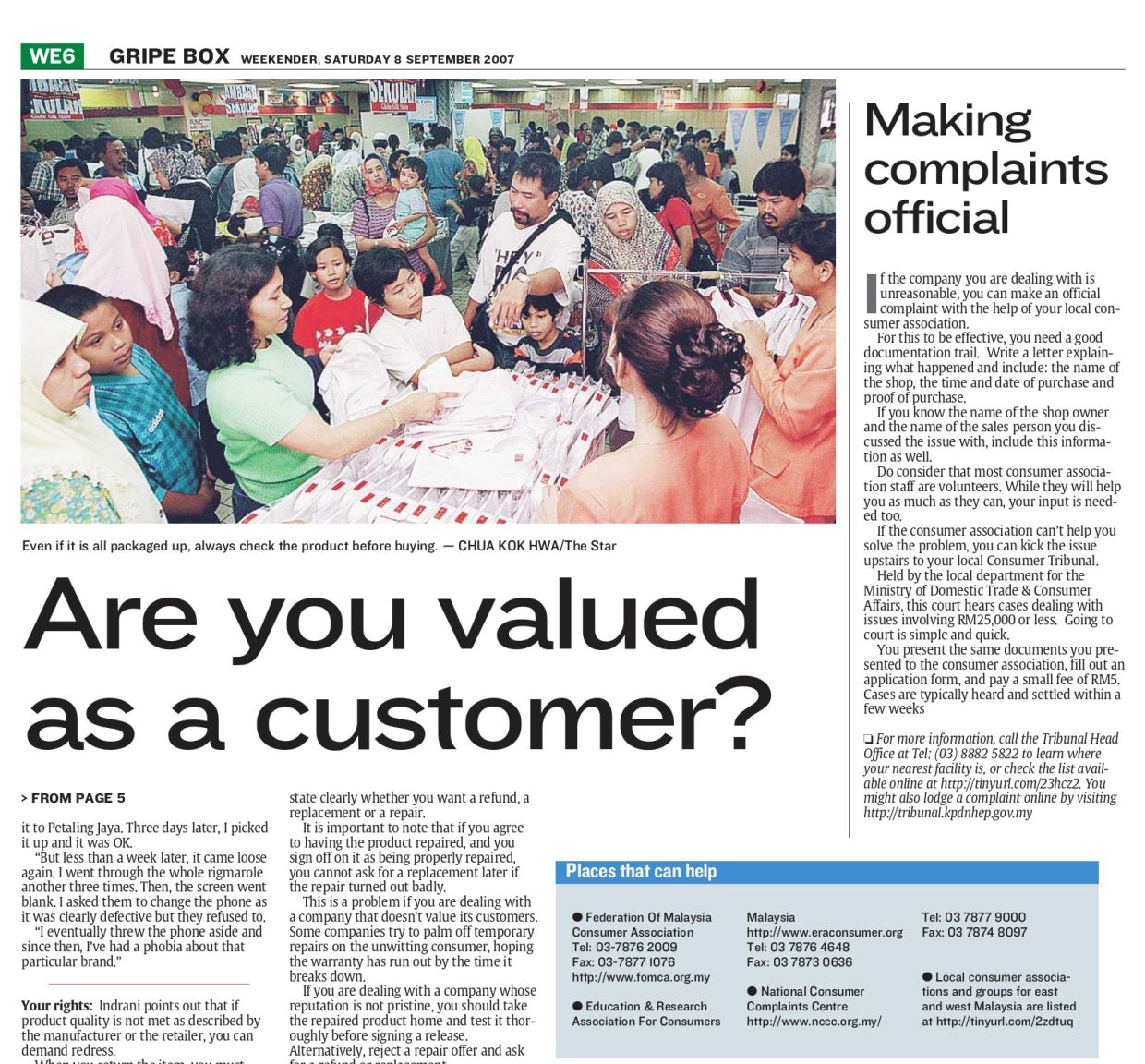
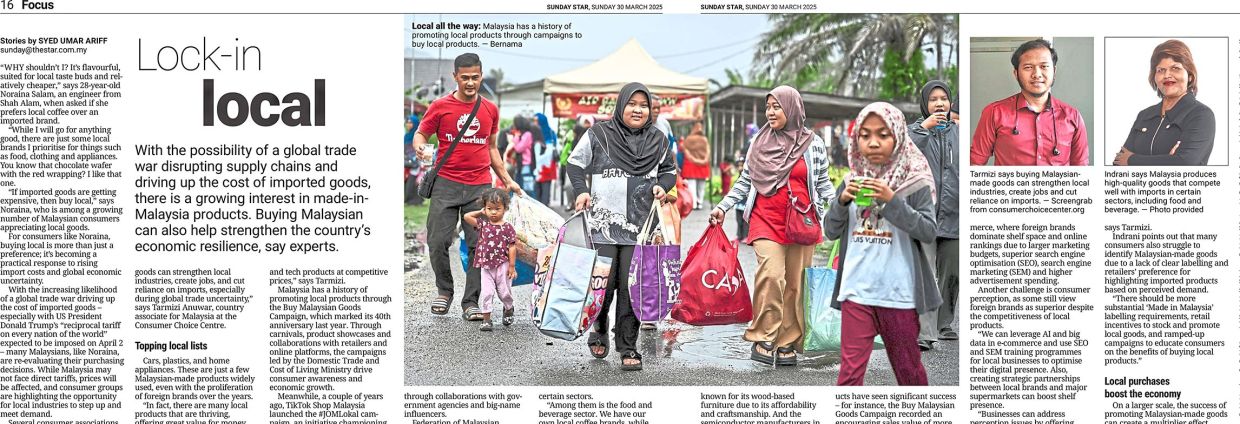
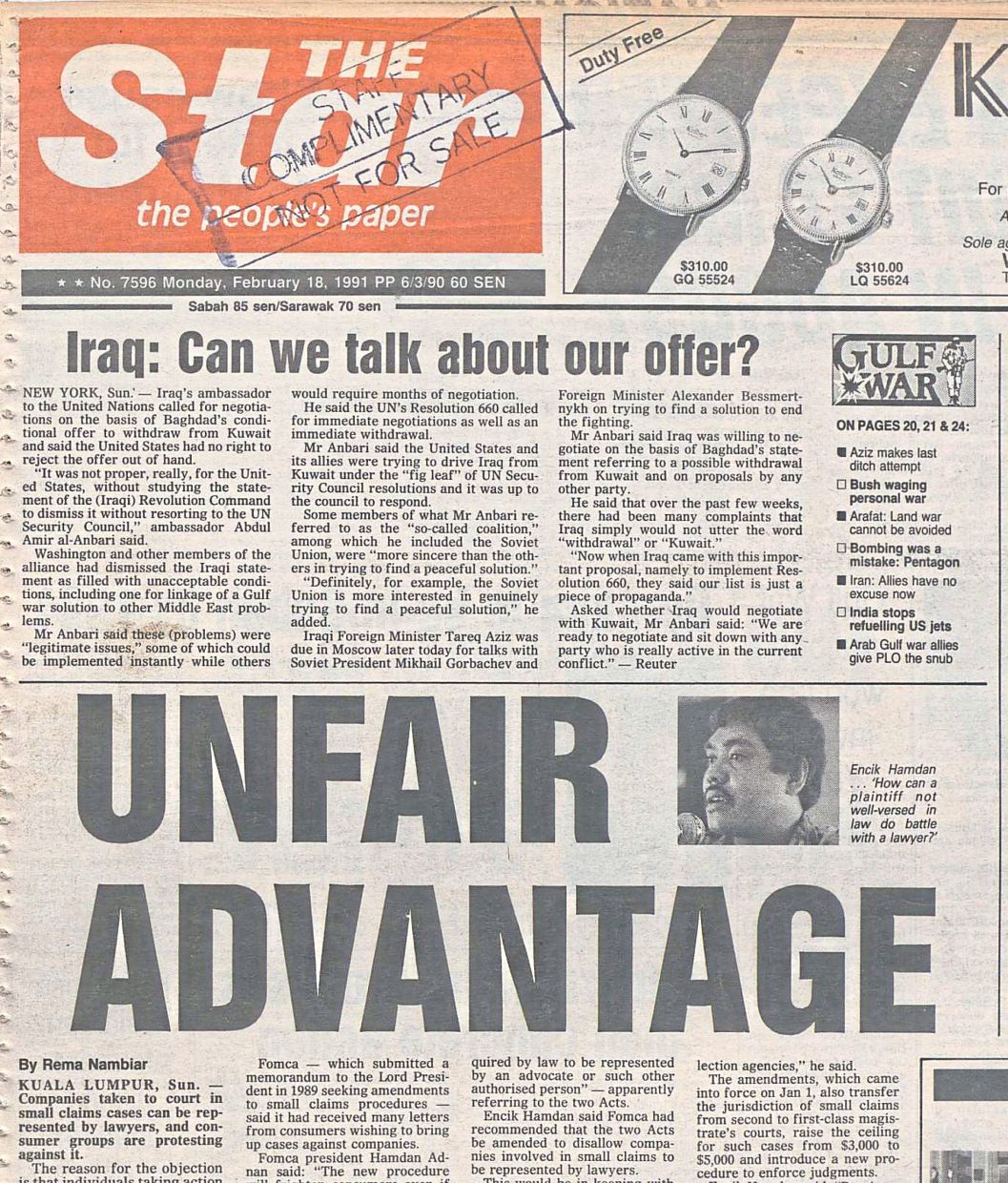
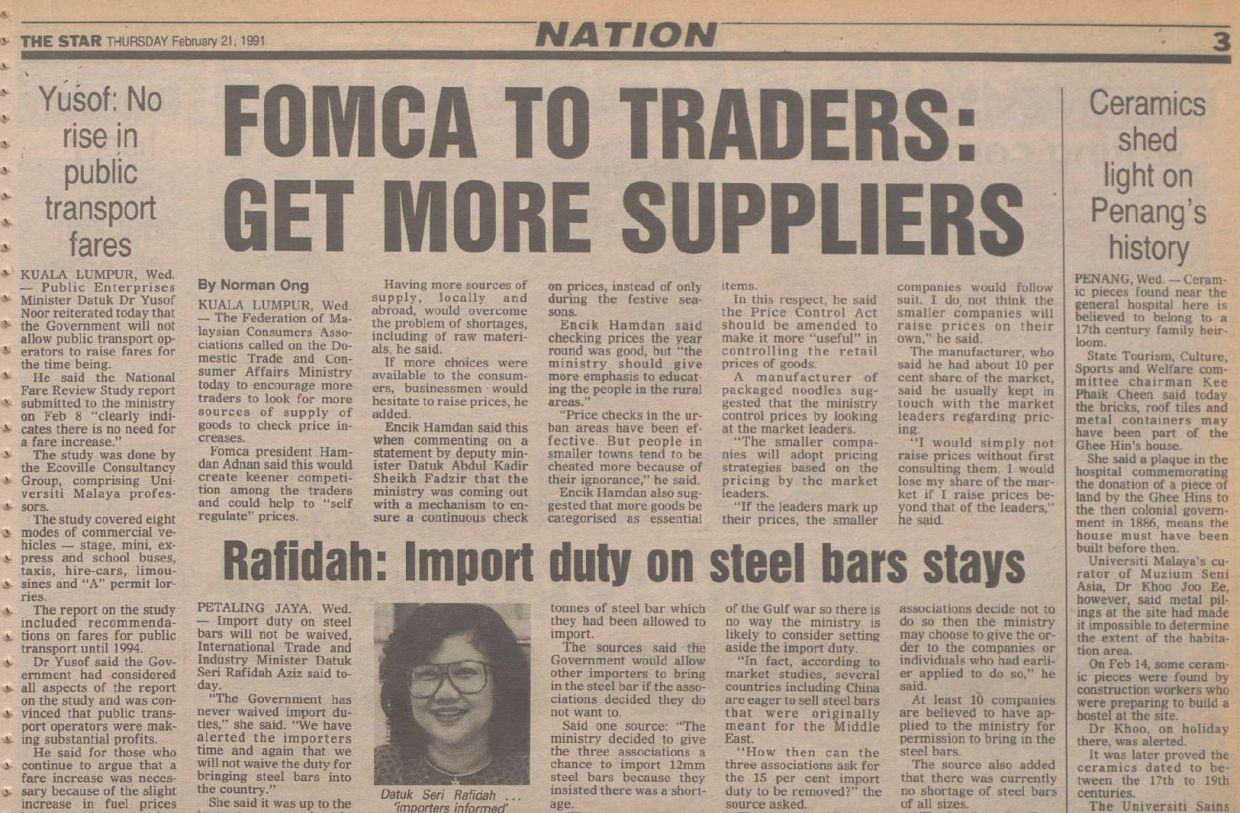
Whenever Fomca released reports on misleading advertisements, unsafe products, or utility overcharging, The Star gave us prime space as in- depth, investigative features where your journalists have sat with us.
Here are two concrete examples where The Star helped make change happen.
First, the Lemon Law. For years, Fomca raised concerns about the agony of consumers stuck with defective vehicles. The law offered little recourse.
The Star gave sustained coverage to our complaints, publishing case studies of families burdened by unsafe, recurring defects, which created public pressure.
Finally, we saw Prime Minister Datuk Seri Anwar Ibrahim announce in his Budget speech last year that the Consumer Protection Act 1999 would be amended to incorporate Lemon Law principles.
Second, the Buy Now, Pay Later [BNPL] issue. We warned early that unregulated BNPL schemes were fuelling household debt, especially among young Malaysians.
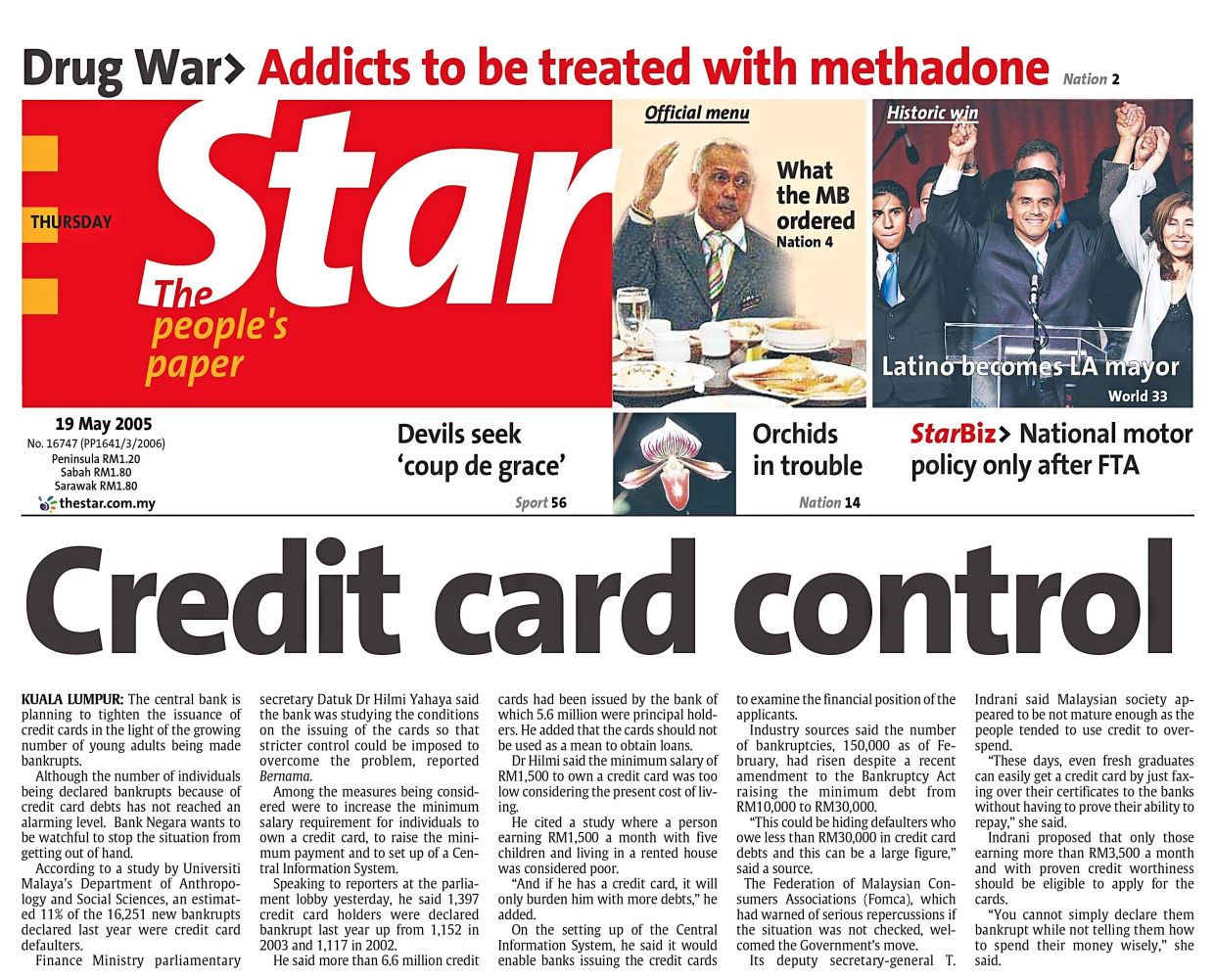
The Star highlighted our concerns in depth, linking reckless spending to financial distress. That reporting reached the Finance Ministry, which subsequently formulated the Consumer Credit Act to bring BNPL providers under a proper regulatory framework.
The Star has proven that serious, sustained journalism can turn a consumer complaint into national policy.
> In today’s rapidly changing media landscape, what more can media organisations such as The Star do to better serve the people while shaping public discourse and supporting Malaysia’s nation-building efforts?
For The Star to continue serving the people – and Malaysia’s next 55 years – I offer a couple of suggestions.
First, champion solutions journalism for sustainable living. We have seen that reporting only on price hikes and scams creates fatigue.
What if The Star also dedicated space to what works?
A weekly column on zero-waste households, featuring a family in Ipoh who cut their electricity bill by 40%. A spread on community- based farming success stories, such as a kebun komuniti in Selangor that supplies 50 families with affordable vegetables, and so on.
Also, protect your independence and deepen your accessibility. Nation-building requires a free and also inclusive press. Partner with radio and text-based news services to reach rural and older populations who may not read the paper daily.
Malaysia’s next 55 years will be defined by how fairly we share prosperity and how sustainably we live. Media and consumer NGOs are two pillars of that future.
The Star has been a good partner. Now be a catalytic one. We will stand with you, every step of the way.