
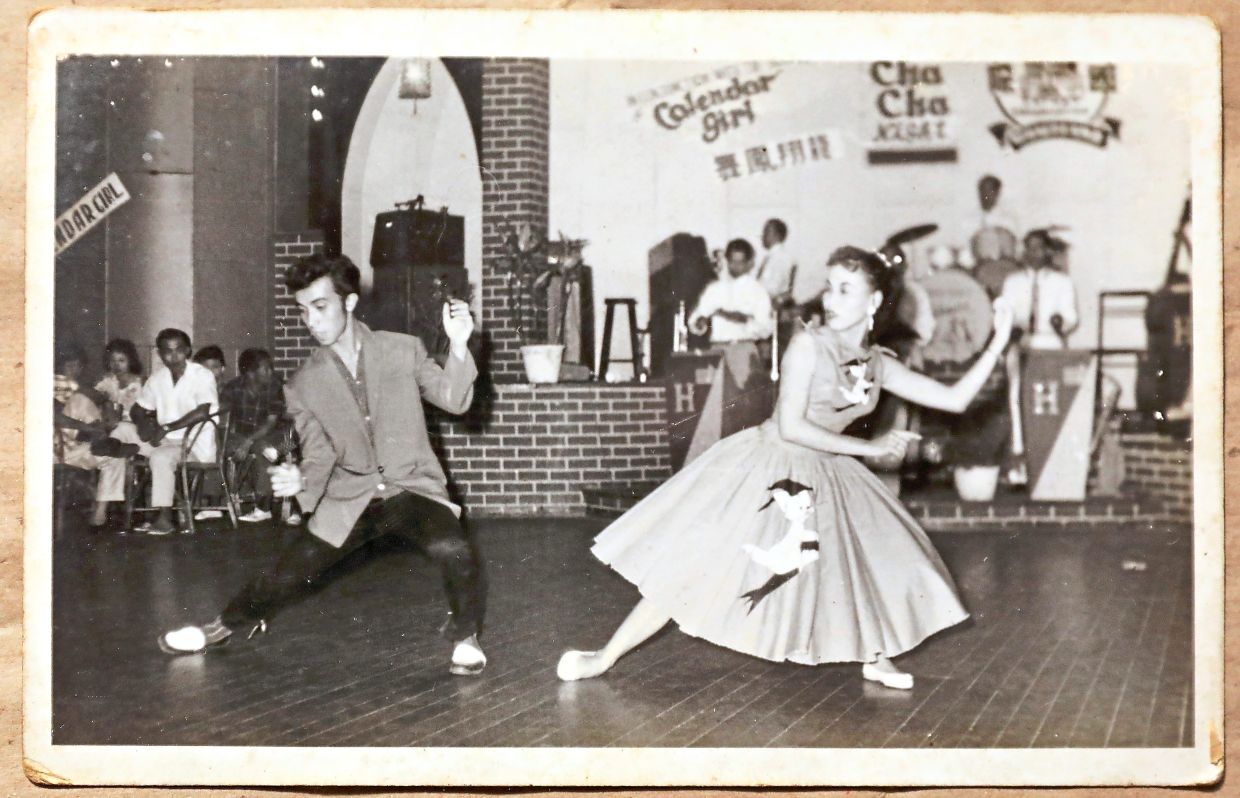
A photograph of Suzanne Lim’s late grandparents hangs in her room, frozen mid-dance inside a dance hall in the 1950s.
The black and white image also saw them dressed in their best, and it’s a big part of where her fascination with vintage clothing began.
“I’ve always been very inspired by my grandparents,” the 33-year-old graphic designer says.
“They both enjoyed dancing and dressing up, and they were very fashion forward for their time.”
Her grandfather loved rock and roll, while her grandmother was a taxi dancer, which made her more connected to local dances.
With their influence, Lim began dancing at the age of four, eventually taking formal lessons and competing in Latin and ballroom dances.
That early exposure also brought her closer to traditional Malay clothing.
“When I was in secondary school, I was part of the cultural club and performed traditional dances during events,” she recalls.
“That sparked my interest in traditional garments as we’d always wear these elaborate costumes, complete with all the accessories.”
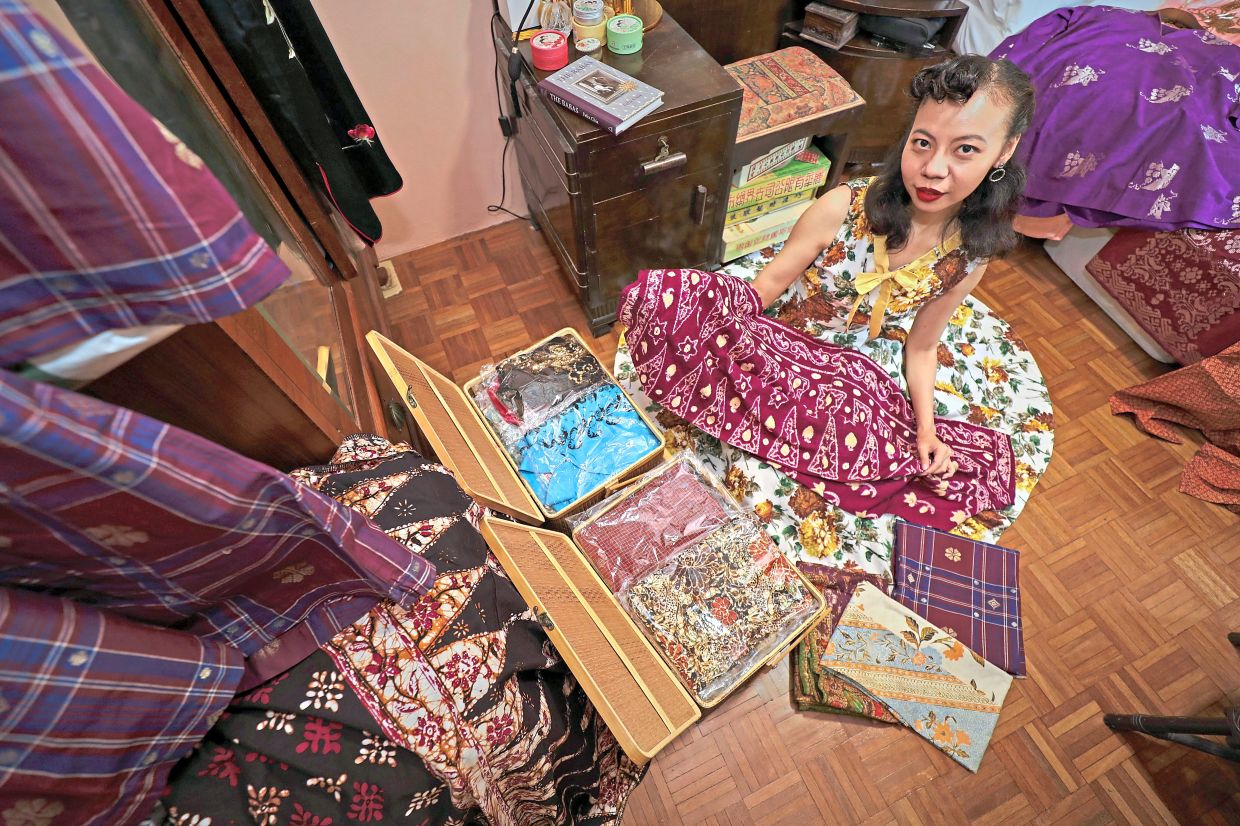
Years later, that interest would grow into her own collection of vintage Malaysian pieces like kebaya, cheongsam, batik and songket.
“When I bought my first vintage piece, it sort of turned into a passion I couldn’t shake off,” she says.
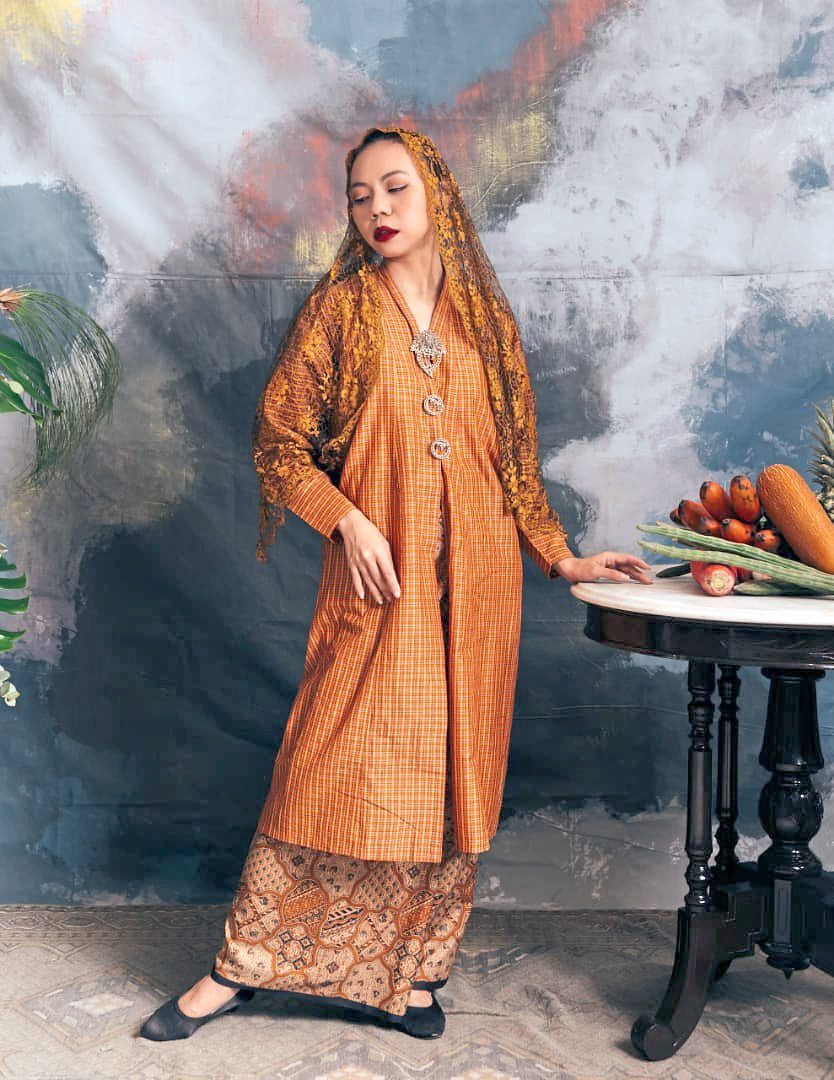
She now documents herself wearing them on social media, often against heritage backdrops, offering her own visual take on how people might have dressed back in the days.
Clothes as history
More than a wardrobe, Lim’s collection provides a way into the social and cultural history around it.
“Fashion from the past can tell you a lot about how people lived. It reveals a lot about the economic and social situation of the time, which I enjoy learning,” she explains.
Mohamad Alif Daniel Mohammad Nor, 25, shares that view, though his relationship with historical clothing runs deeper.
His fascination with history began with stories from his late grandmother. Those conversations grew into an interest in music, historical film and eventually uniforms.
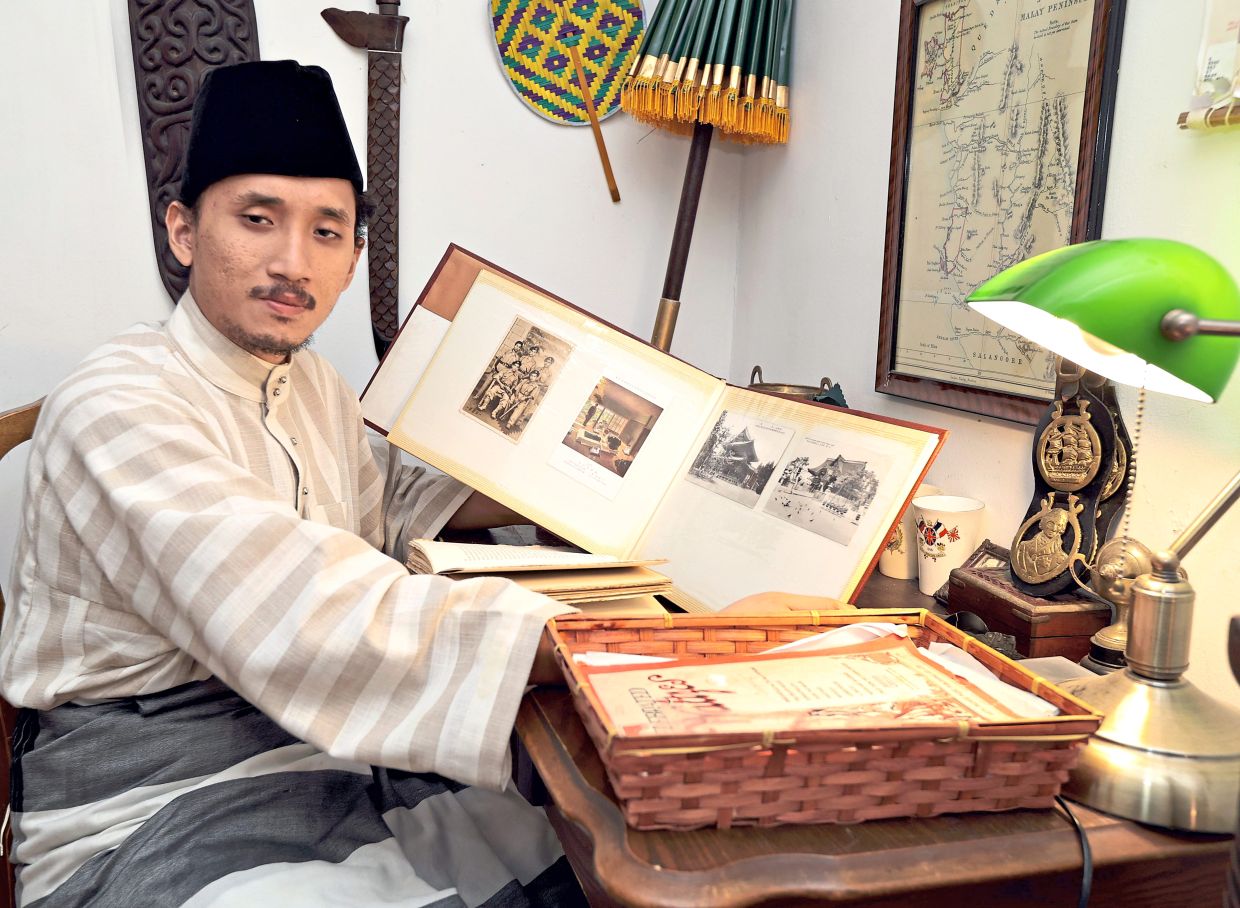
He started collecting items in his mid-teens, beginning with “duit pisang” (currency notes issued by the Japanese army during the occupation of Malaya).
That interest led him to join Persatuan Reka Ulang Sejarah (PRUS), where he became far more involved in historical re-enactment.
“Being passionate about fashion and history taught me more about the past than textbooks alone ever could. It teaches me culture, identity and how people from the past actually thought,” the fresh graduate says.
Lim’s work isn’t re-enactment, but she sees her clothing the same way. They are evidence of a past that’s otherwise hard to picture, and her platform as a way to bridge the gap.
“A lot of people don’t walk into museums anymore, and they don’t read about it either, especially from reliable sources,” she says.
“Because of that, I want to carry as accurate a representation as I can.”
She’s quick to admit not everything she wears is strictly period-accurate, especially when she gives vintage pieces a modern spin.
But when she has access to authentic pieces and textiles, she tries to stay true to them.
Even just showing that certain local textiles exist, she says, can make a piece of heritage feel more tangible.
Nostalgic escapism
Lim has noticed more young Malaysians collecting vintage clothes and objects, and thinks the digital nature of modern life may be partly responsible.
“There’s a yearning for something more tactile and nostalgic, a kind of escapism from the world we know today,” she reflects.
That doesn’t mean replicating the past exactly, she adds. “You can take inspiration from the past and add your own modern twist and creativity. A lot of young people enjoy that kind of creative freedom, and I think that drives more interest.”
Still, she believes that freedom has boundaries and “we still need to stick to the fundamentals of the clothes so they don’t get muddled and misrepresented, in a way that may threaten our cultural identity.”
That question of identity is also central to Mohamad Alif Daniel’s relationship with historical clothing. He has noticed that his own posts showcasing traditional attire have encouraged others to do the same, particularly those who felt ashamed of wearing it in public.
“There’s no need to feel embarrassed about wearing something people call ‘outdated,’ because it is our culture. If we don’t help preserve it, who would?” he says.
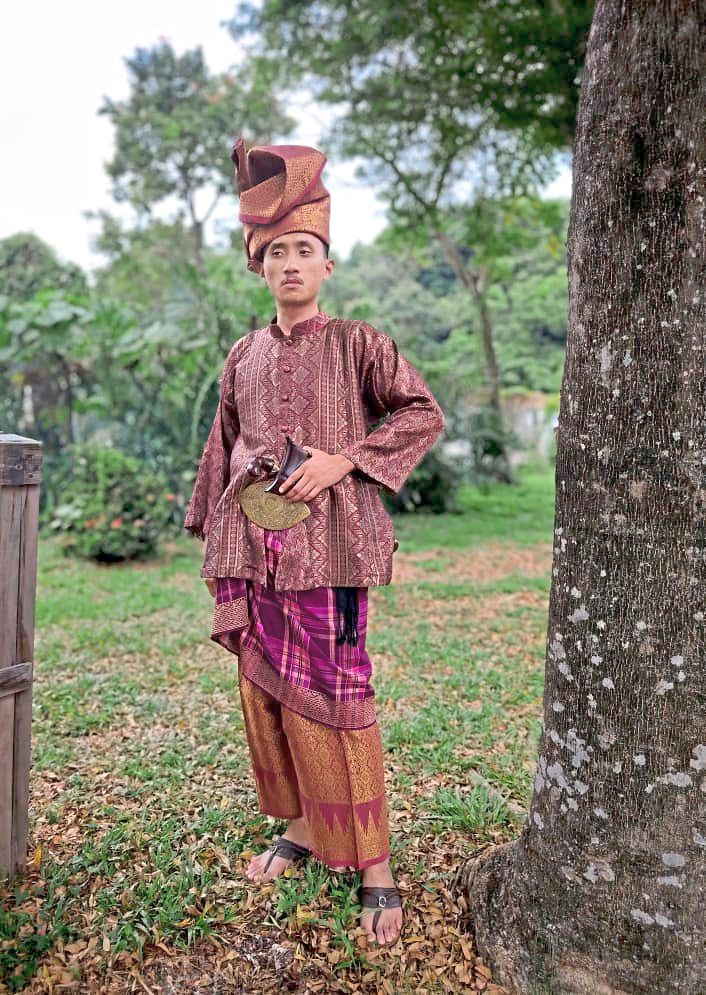
His interest shifts between eras, but for now he’s drawn to the classical Malay period.
“If I could go back in time, I’d choose that era to see what their fashion and textiles looked like, since so little of it was documented.”
Meanwhile, Lim is exploring the Edwardian era and the possibility that some of its elements influenced styles in this region.
For her, it’s a reminder that culture isn’t always as straightforward as it appears.
“Culture itself is fluid. Everything is connected – our nation is a melting pot of different cultures that have come together throughout history. That’s the beauty of it.”
Keeping heritage alive
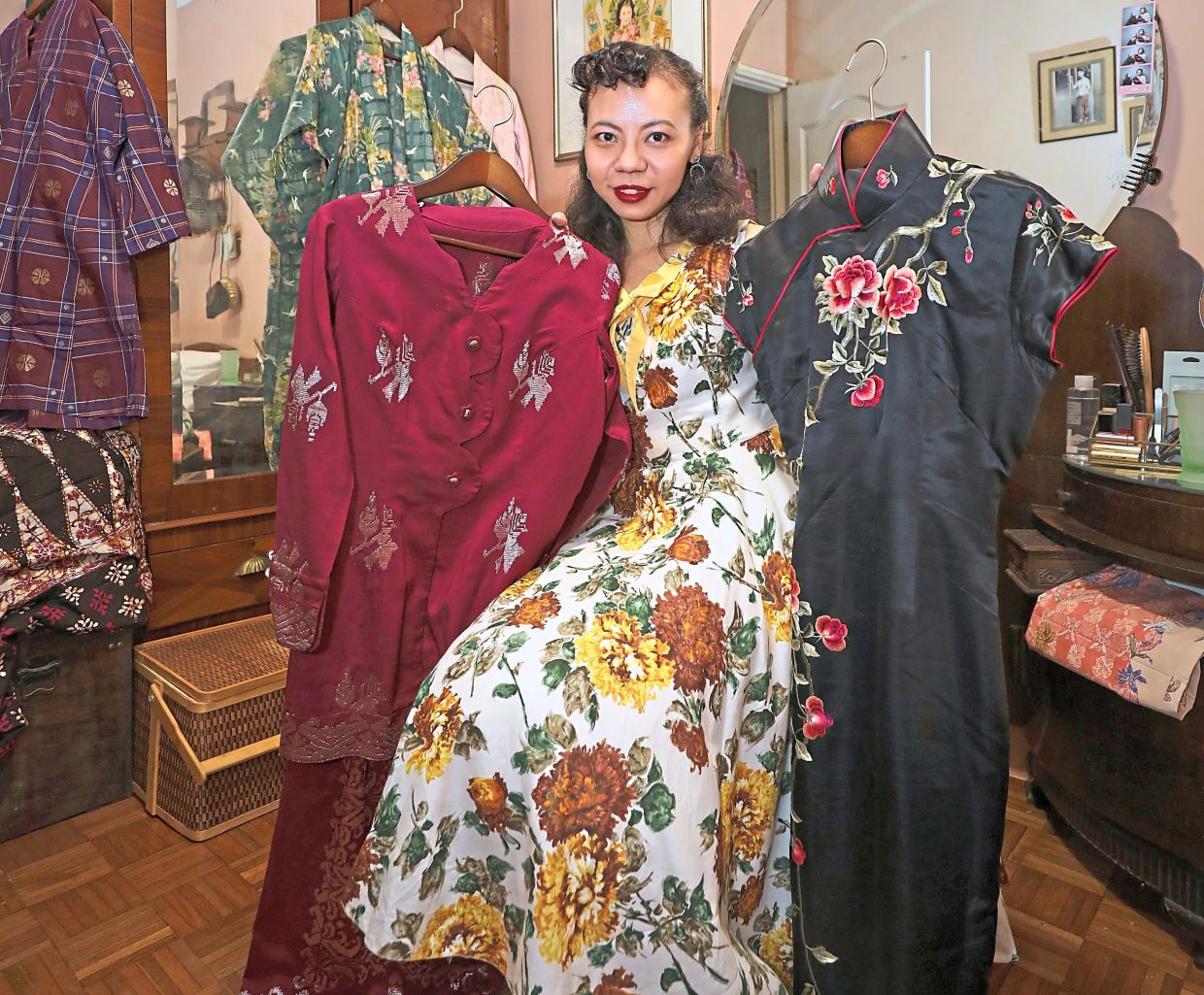
For Lim, her collection of vintage clothes offers a glimpse into the social and cultural history of our fashion. Photo: The Star/Yap Chee Hong
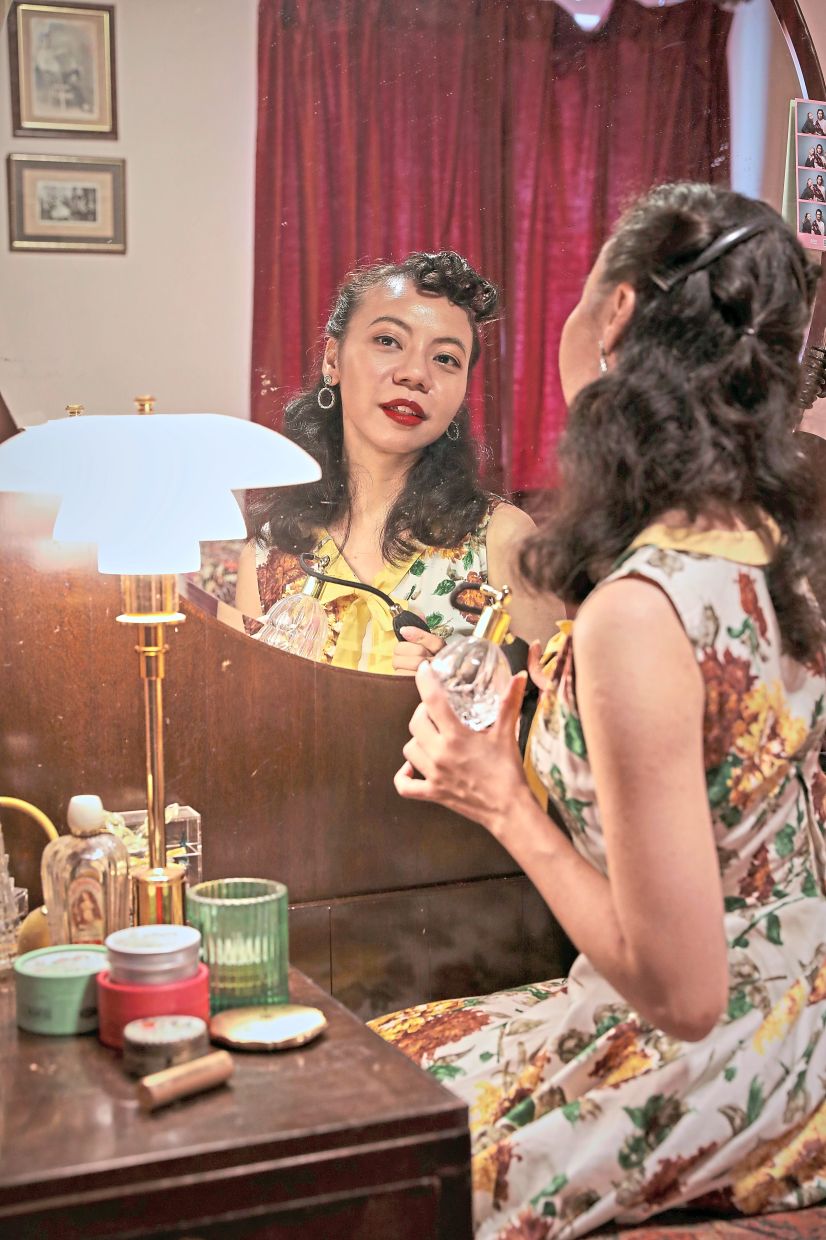
Lim's space feels like it's frozen in time thanks to the vintage furniture and items. Photo: The Star/Yap Chee Hong
Lim’s grandparents, photographed in the 1950s, serve as a reminder of the people who inspired her. Photo: Suzanne Lim
Apart from kebaya and cheongsam, Lim also collects textiles like batik and songket. Photo: The Star/Yap Chee Hong
Through social media, Lim revives historical attires to keep living heritage alive. Photo: Suzanne Lim
Showing off his collection of old photographs, Mohamad Alif recalls how influential his late grandmother was on his love for history. Photo: The Star/Chan Tak Kong
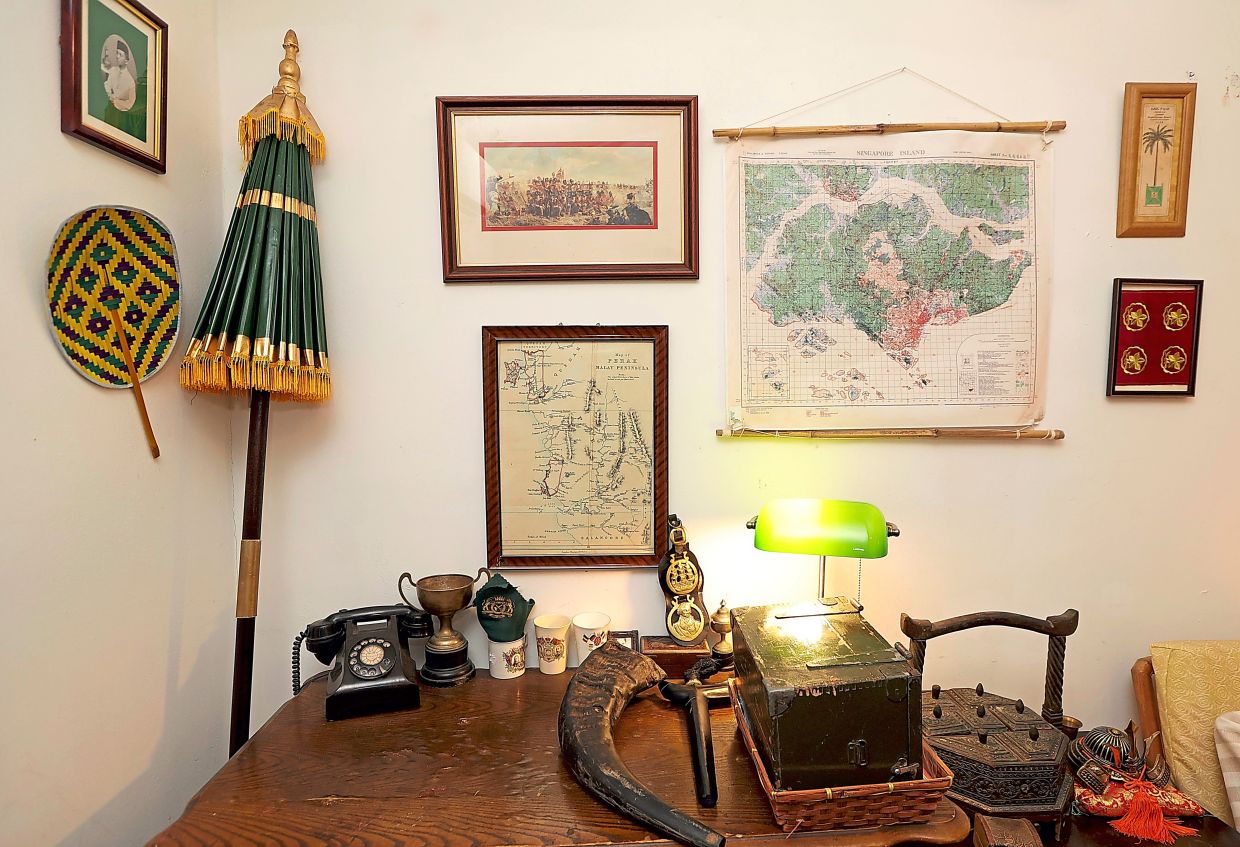
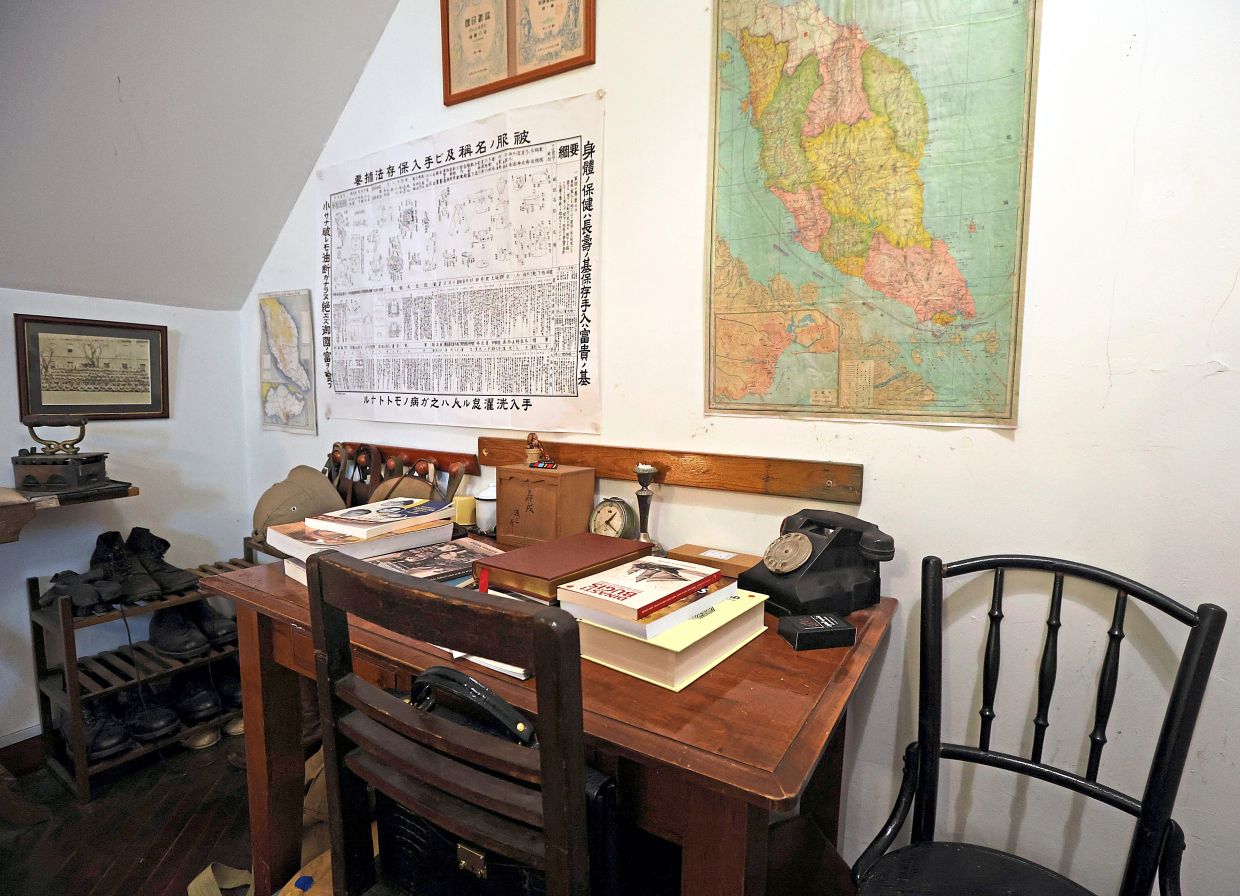
Stepping into Mohamad Alif's room feels like being transported back in time. Photo: The Star/Chan Tak Kong
A space used for gatherings with other re-enactors, Mohamad Alif's room is filled with vintage paraphernalia. Photo: The Star/Chan Tak Kong
Mohamad Alif is currently delving into the fashion of classical Malay era. Photo: Mohamad Alif Daniel Mohammad Nor