More than a month since the flash floods in Nepal and Tibet, many survivors are still struggling to comprehend what happened.
For 54-year-old Nepali mother Chameli Tamang, the pain and grief over the loss of her daughter, son-in-law and other relatives, who were swept away by the flood on Aug 26 and have been missing ever since, are overwhelming.
Her two grandchildren, aged five and eight, still do not know what happened to their parents.
“It hurts when the grandchildren ask for their parents.”
Tamang survived because she managed to escape to a mountainside in time. Nothing remains of her property in her home village of Sallitar in Bagmati province, which borders Tibet. Among other things, she ran a goat farm there.
“Now, we have no land and no home.”
Like Tamang, many families hope that the bodies of missing relatives will still be found so they can bury them and find emotional closure. Since the flood, they have spent their time “searching for them and lighting memorial candles for the dead in the monasteries”, Tamang says. “What are we supposed to do now?”
Nepal’s disaster management authority puts the death toll at more than 1,450.
However in Nepal alone, more than 5,700 people are still missing.
Officials say the cause was an ice and rock avalanche about 20km upstream of the Rasuwagadhi border crossing.
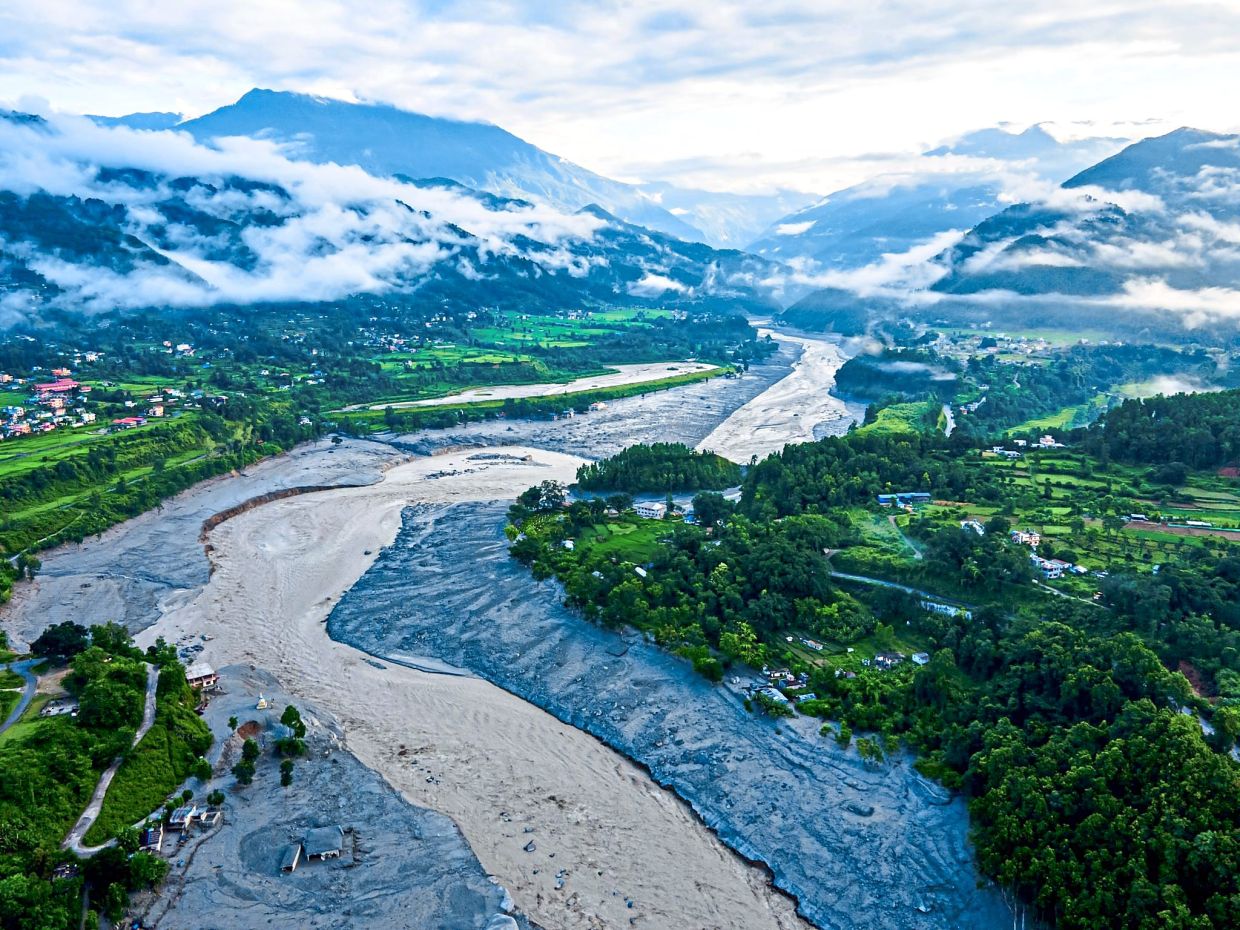
A mountain flank with a glacier in the border area between Nepal and China had collapsed, unleashing a massive flood wave of water, ice and debris. The affected districts were Rasuwa, Nuwakot, Dhading, Gorkha and Chitwan, with a total population of 1.6 million.
Nepalese authorities are already working on reconstruction efforts, but many survivors need psychological help.
“Everything happened completely unexpectedly. Because of this and because of the scale of the disaster, people are in shock – they are distraught, restless and completely psychologically overwhelmed,” says Yasoda Rijal, who provides psychosocial counselling for people in emergency shelters in the municipality of Bidur.
Many are still suffering from severe psychological distress.
“As soon as someone talks about floods, streams, rivers or gorges, they panic.”
For some, post-traumatic stress disorders can also occur weeks after the event.
The communities therefore need long-term help. Authorities have drawn up a list of people who will need this in the long term, says Kaisang Nurpu Tamang, head of the Gosaikunda municipality in Rasuwa district.
“A month has passed, but there are still people who don’t even know where they are or what has happened to them.”
People want certainty about their missing relatives. It would help them if they could be declared dead, says municipal head Tamang. The government has announced financial support for bereaved families, including for burial and mourning rituals.
Under current law, however, it is difficult in Nepal to have missing persons officially declared dead quickly.
Families and local authorities are therefore putting pressure on the central government to speed this up. (Editor’s note: On Oct 9, Nepal’s president shortened the waiting period to declare missing disaster victims dead from 12 years to 45 days.)
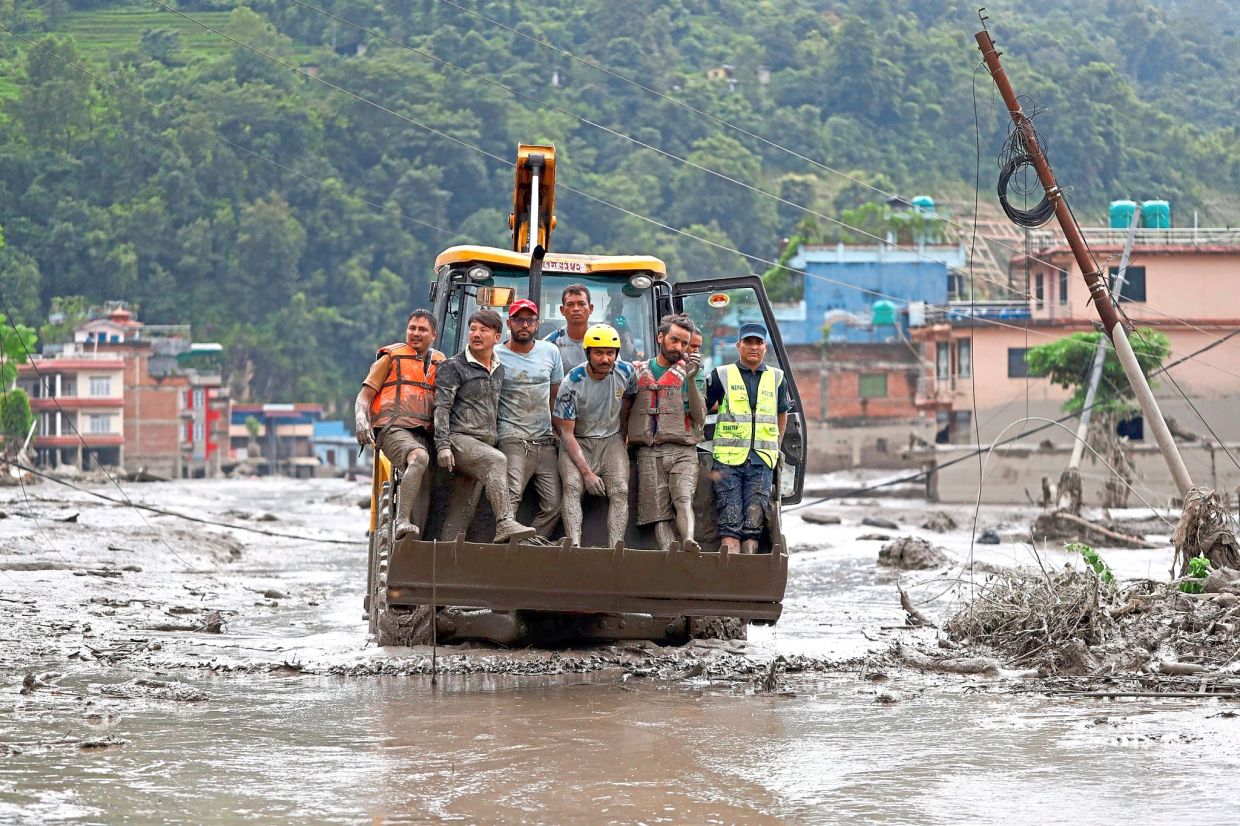
Clean-up work is under way. Many towns and roads are still covered with mud and rubble, and remote villages are in some cases still only accessible on foot. Reconstruction could take years.
“One month after the devastating floods swept through Nepal, thousands of families are still facing displacement, damaged services and uncertainty about what comes next,” the aid organisation Care said at the start of October.
The disaster represents an enormous economic burden for an already poor country, as was the case for the severe earthquake of 2015. According to an initial damage and needs analysis by the government, almost US$4.8bil (RM19.6bil) will be needed for recovery and reconstruction.
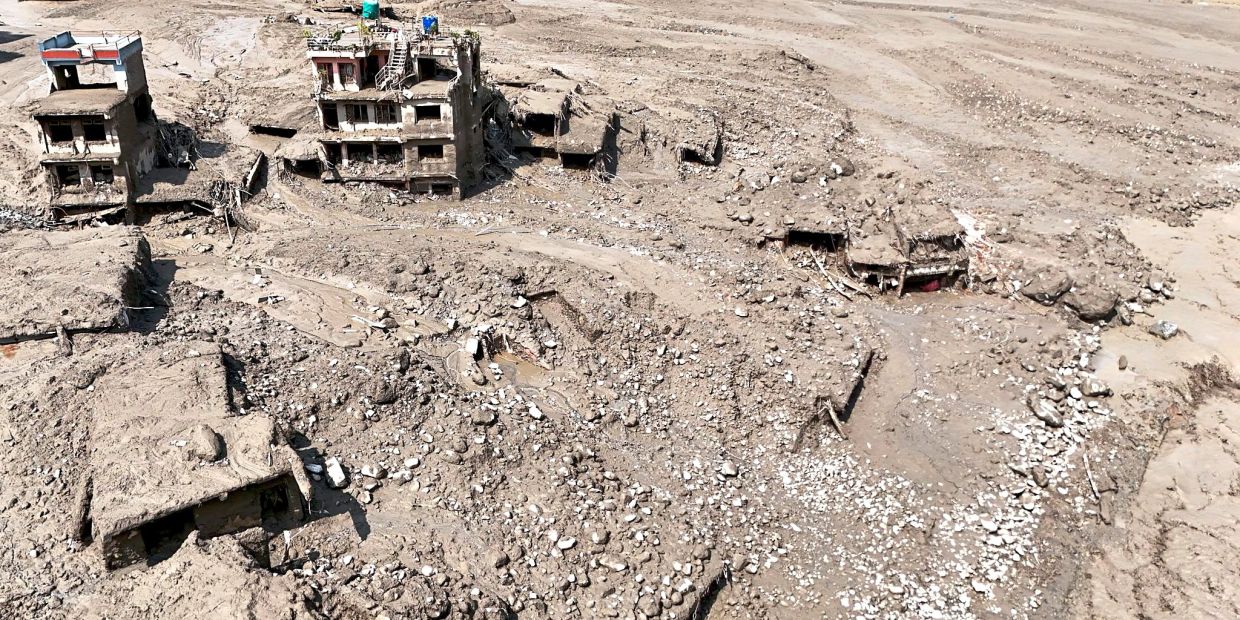
More than 7,500 buildings have been affected. Roads, bridges and energy and water networks have been severely damaged.
There are plans to rebuild destroyed villages in less vulnerable locations. The government is hoping for further international aid.
The government is now hoping for help from a UN fund for climate-related damage. Even before the flash flood, Nepal had applied for US$20mil (RM82mil).
Approval would be only a small part of the sum needed, but an important signal for the country.
After six months or a year, the problems could increase even further, says counsellor Yasoda Rijal.
Although some aid organisations are currently providing food and clothing, after six months the rice and lentils will be used up.
“For those who have lost relatives and their land, the need will then be even greater.” – dpa