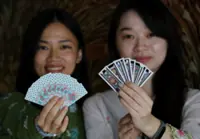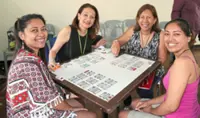
Cherki was once a familiar sight in Peranakan households, where relatives and friends gathered around a table for hours of friendly competition and conversation.
Today, the game is rarely played and largely unknown among younger generations.
Determined to change that, Persatuan Persaudaraan Kesenian dan Kebudayaan Peranakan Melaka (Sedara) president
Cedric Tan, 61, has been leading efforts to revive the game through workshops, demonstrations and competitions.
Founded in 2024, Sedara aims to preserve and promote Peranakan arts and culture. The association organises activities ranging from cooking demonstrations and kebaya workshops, to heritage events and performances.
More recently, Cherki has become one of its key preservation initiatives.
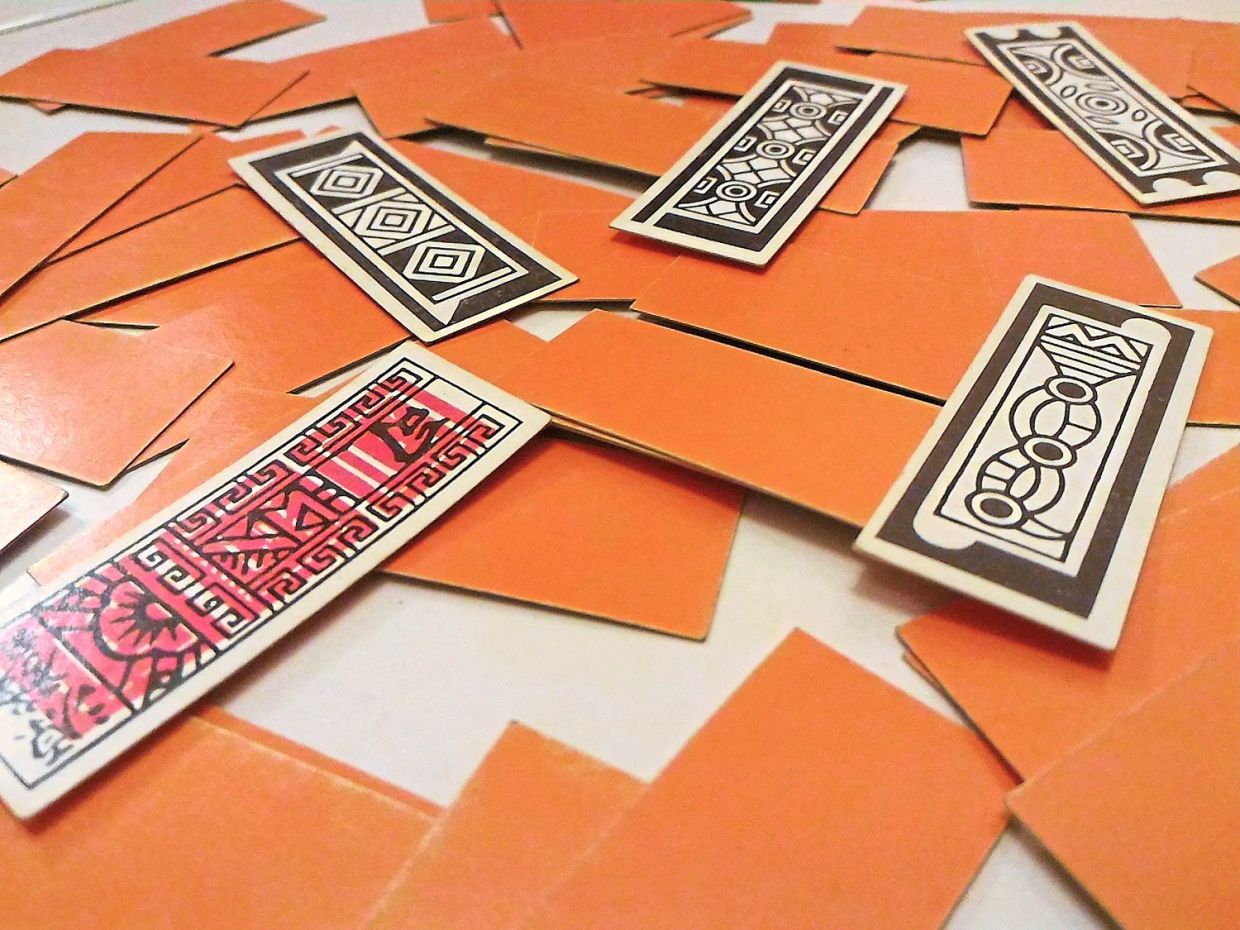
“Cherki is a traditional game closely related to the Peranakan community in Melaka and has long been a staple activity during leisure time and celebrations. It is not just a game, but a heritage that is rich in symbolism, local patois and cultural influences,” says Tan in an email interview.
According to Tan, the name of the game traces its roots to the Fujian term chit ki and evolved through generations of local adaptation.
Cherki was commonly enjoyed by members of the Baba Nyonya, Chetti Melaka and Kristang communities, making it a shared cultural heritage among Melaka’s Peranakan communities.
Passing down a tradition
Tan says preserving Cherki is more than about safeguarding a traditional pastime; it is about keeping alive the memories, language and cultural connections that come with the game.
“Some of us grew up with scant memories of this card game in our homes and can hardly recall how the game was played. But we do reminisce about the fun bantering and fellowship around the game table, which could extend for hours as bibiks, achis and mama seranis (Nyonya, Chetti and Eurasian aunties respectively) gathered and pored over their cards,” he shares.
“Hence, it is more than just a card game but a true display of friendship and trust amongst friends from various backgrounds and beliefs.
“The Cherki game can be a unifying bridge that transcends race and religious barriers in our multi-ethnic Malaysia.”
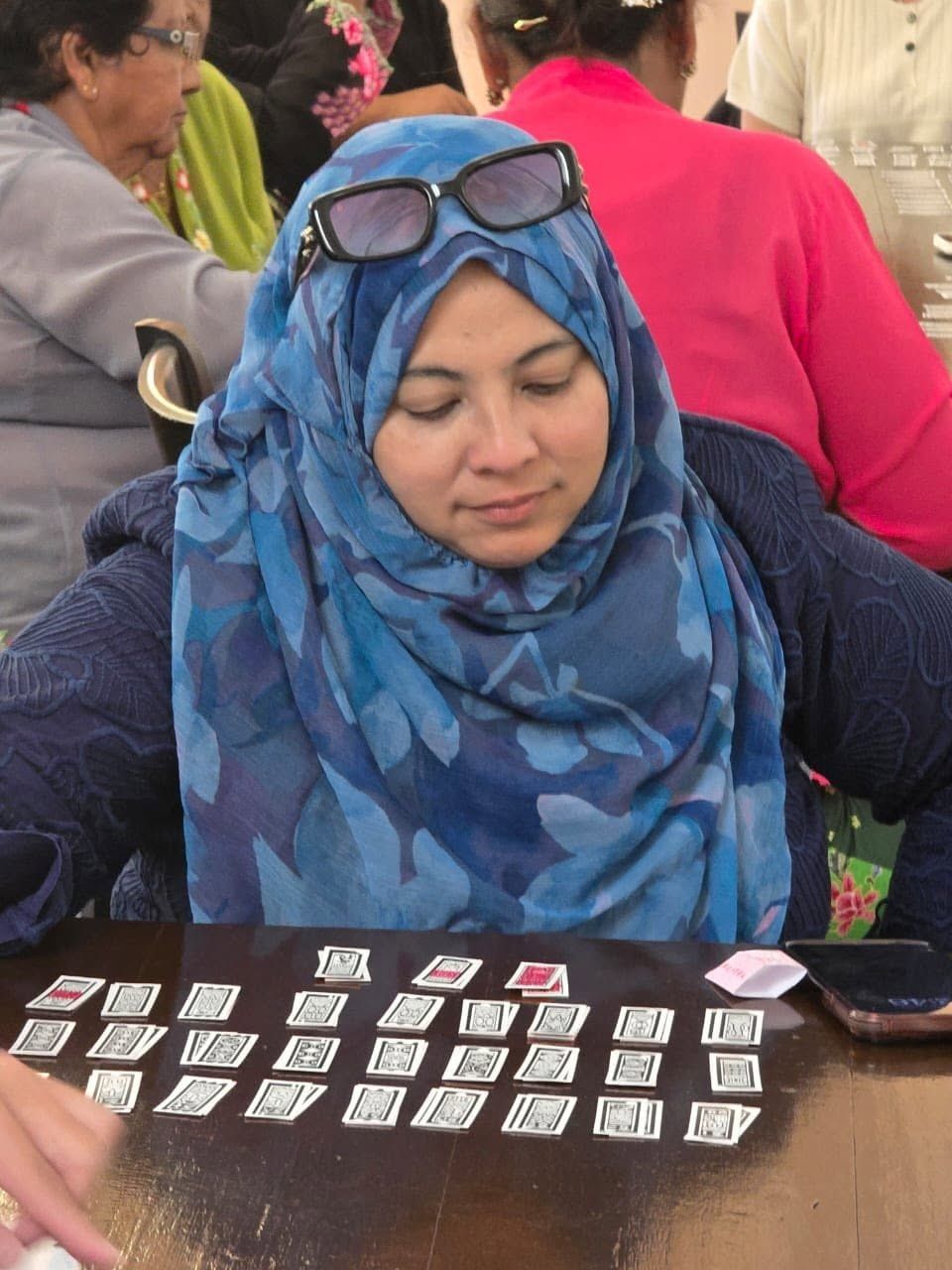
A 2025 study titled, “The Challenges Preserving Traditional Games in Malaysia and Indonesia” states that the rise of digital entertainment, including online games, social media and television, has reduced younger generations’ engagement with traditional games.
The study highlighted that children in Malaysia increasingly prefer electronic games over traditional activities, creating a gap between younger generations and cultural practices.
One of the biggest challenges, says Tan, is that many younger Malaysians simply have not been exposed to Cherki.
Unlike previous generations who watched their parents and grandparents play the game at home, many young people today have never had the opportunity to learn it.
“Those who remember the game usually had elders who regularly hosted Cherki sessions at home. For many younger people today, there simply has not been that exposure,” he says.
Connecting communities
To address this, Sedara has been organising workshops and demonstrations to introduce Cherki to new audiences.
Last year, the association conducted a Cherki workshop under the auspices of Jabatan Kesenian dan Kebudayaan Negara (JKKN) Melaka, attracting about 40 participants who were either learning the game for the first time or refreshing their memories.
The response has been encouraging, with participants coming from different backgrounds.
“In our recent workshops, we had school-going participants and even people from non-Peranakan backgrounds learning the ropes of the game.
“In one workshop, a family representing three generations attended because they hope to learn the game together and eventually play it at home,” says Tan, who has also organised Cherki workshops for the Singapore Peranakan community.

In May, Sedara organised its inaugural Cherki competition, attracting participants from different communities, including a Malay participant who emerged as champion.
While technology is often seen as one of the reasons traditional games have lost their appeal among younger generations, Tan believes it could also become part of the solution.
“Perhaps one method of modernising the game is through the creation of a Cherki app. If the game becomes more accessible digitally and receives sufficient promotion, more interest from the younger generation can be generated,” he says.
Still, Tan believes technology cannot replace the experience of gathering around a table with family and friends.
“One of the best ways to ensure its longevity is to play the game regularly, whether at home, in community centres or in Peranakan clubhouses.
“When younger family members see the game being played, they naturally become curious and learn.”
Tan hopes that by keeping Cherki alive, the stories, traditions and connections built around it can continue to be passed down.
Every new player, he believes, represents another opportunity for this piece of Peranakan heritage to survive.
Keeping a heritage alive
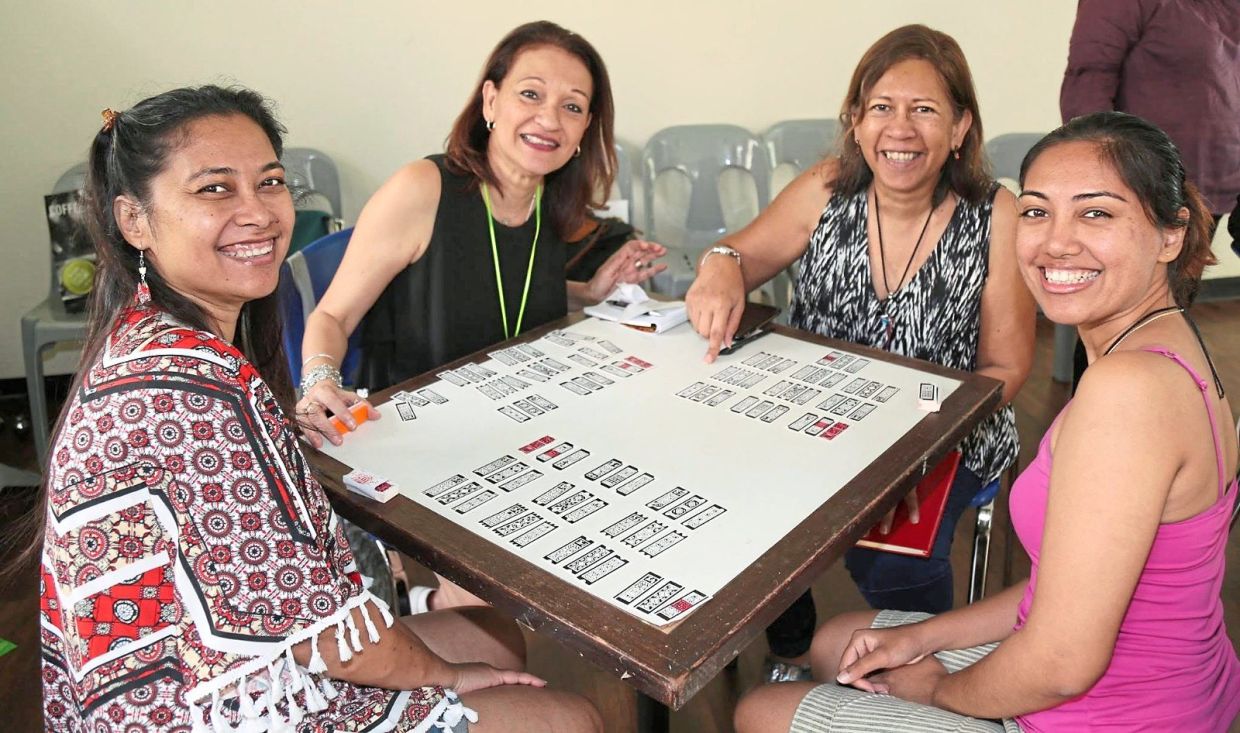
Participants learning to play the Cherki card game during a Sedara workshop in Singapore. Photo: Sandra M. Galistan
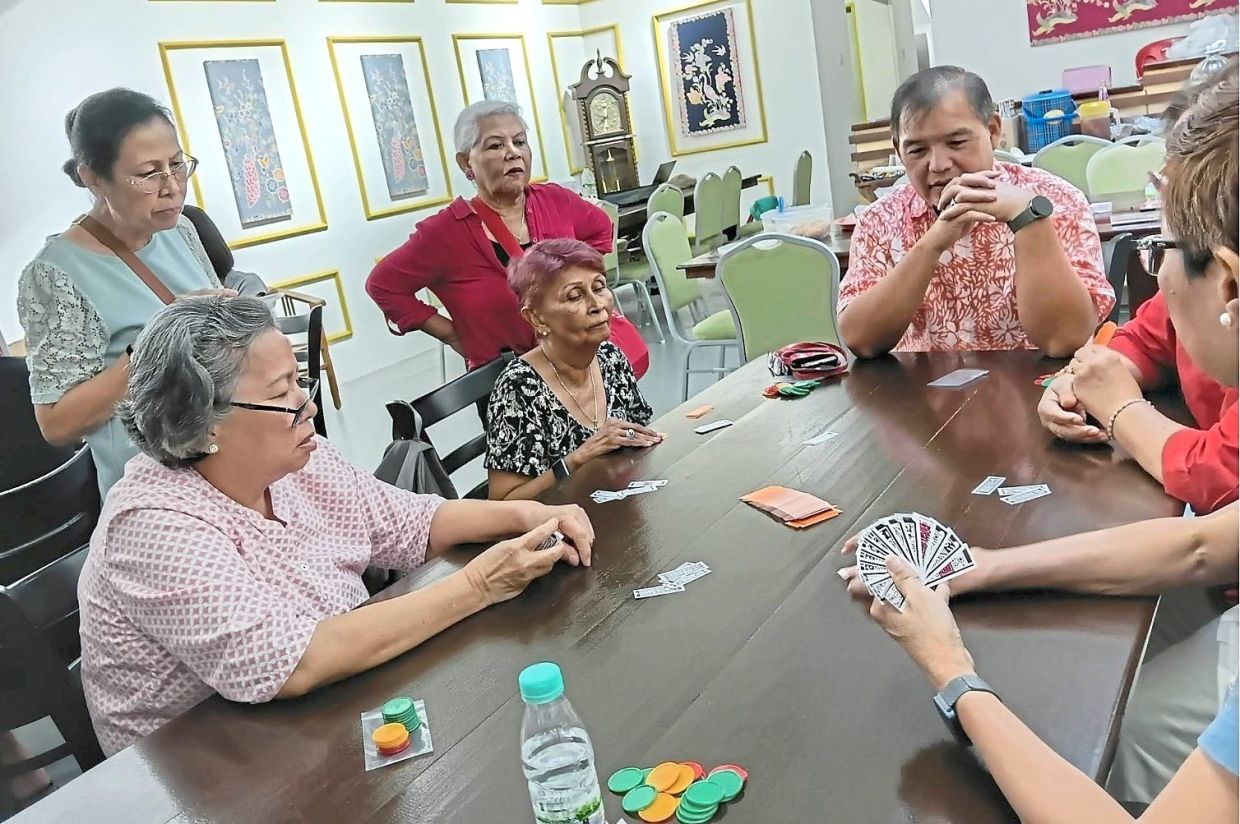
Tan (seated, third from right) is leading efforts to revive Cherki through workshops, competitions and community activities. Photo: Hairul Asraf Abu Hussain
Cherki has long been a social game, bringing together communities around a table for hours of fellowship and fun. Photo: Cedric Tan
Cherki is an enjoyable game that brings communities together. Photo: Sedara
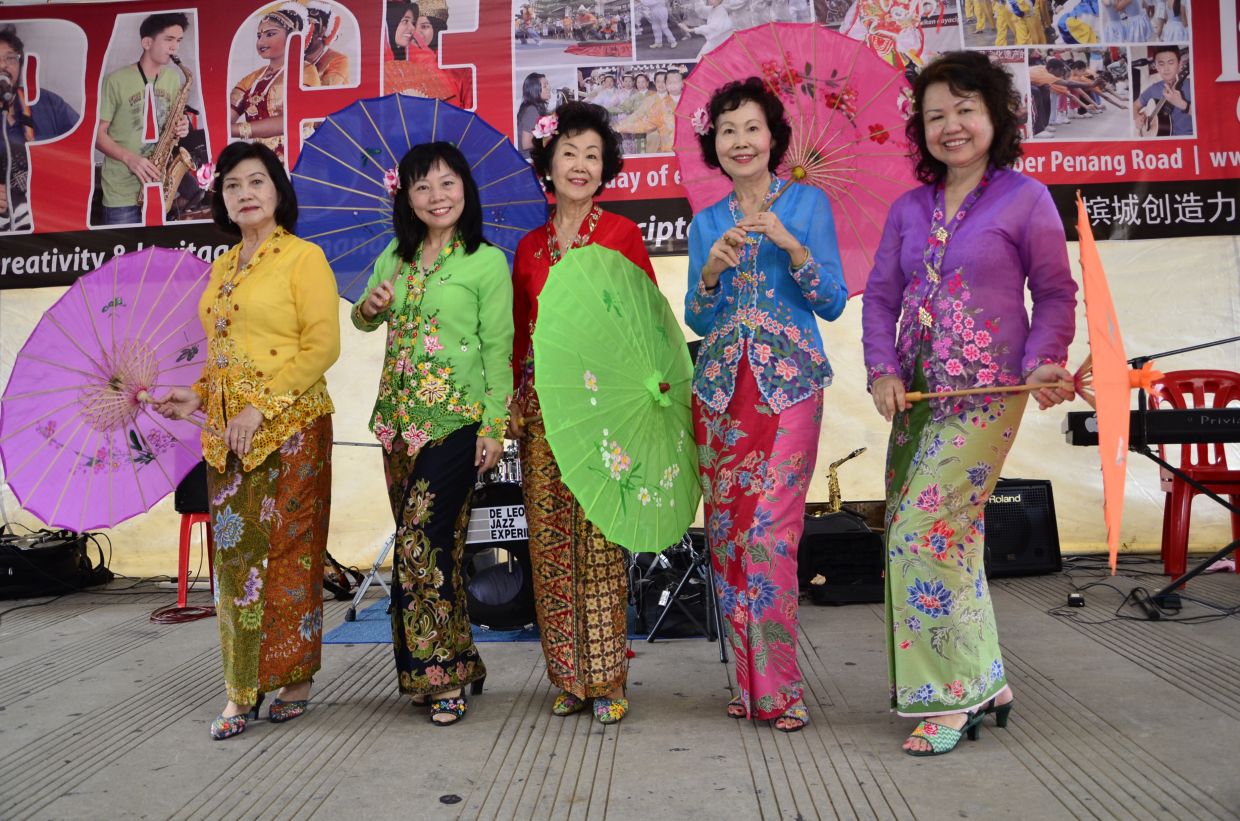
The baju kebaya, known for its intricate embroidery, is worn by Peranakan women. Photo: Filepic
A mobile app to promote Cherki could be the way forward to prevent this traditional game from fading away. Photo: 123rf