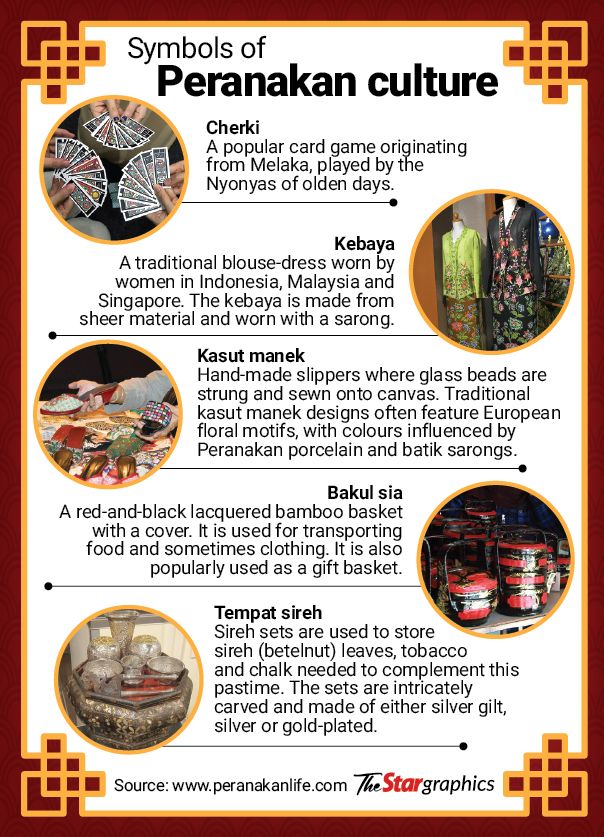
Mention Peranakan heritage and many people will think of beaded slippers, baju kebaya, colourful Peranakan tiles or its rich culinary delights like ayam buah keluak and Nyonya laksa.
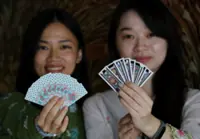
But for Peranakan sisters Lee Swee Lin, 32, and Lee Swee May, 31, another part of their heritage deserves attention – the card game Cherki.
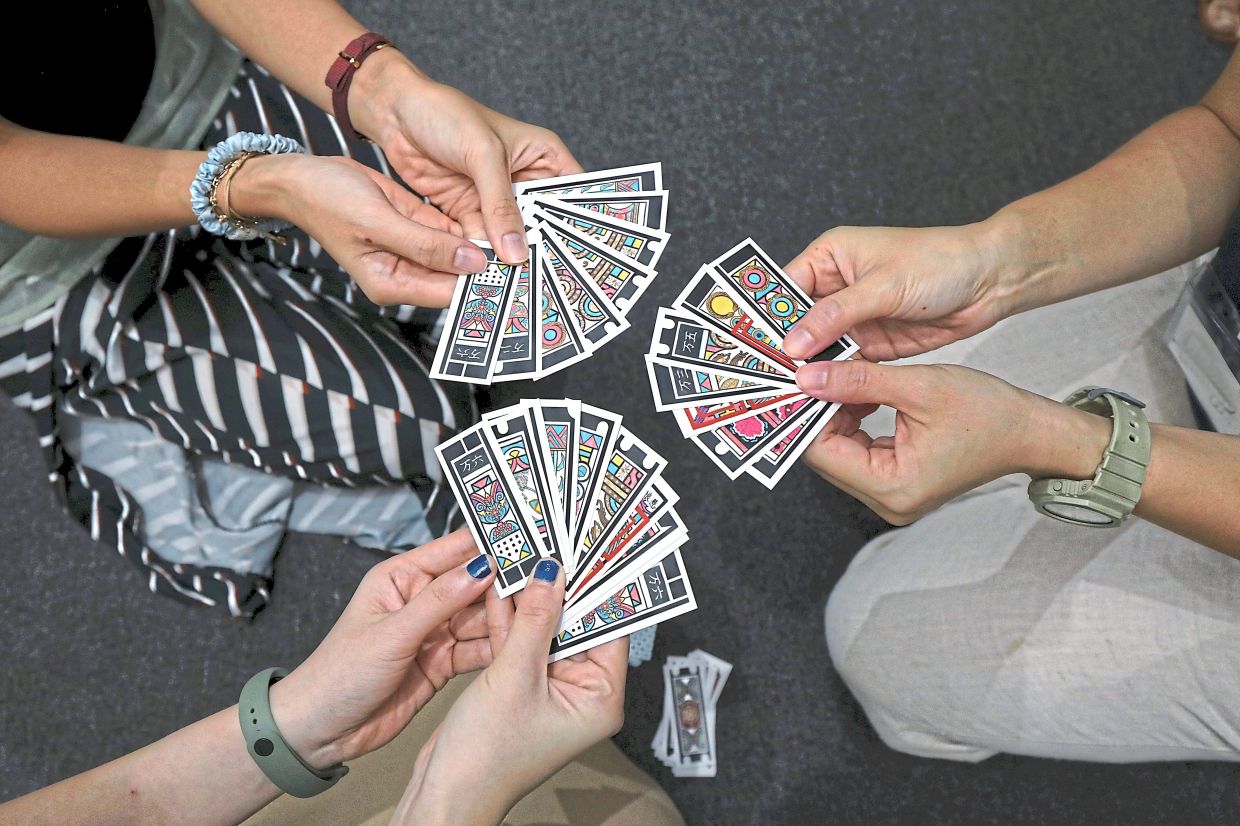
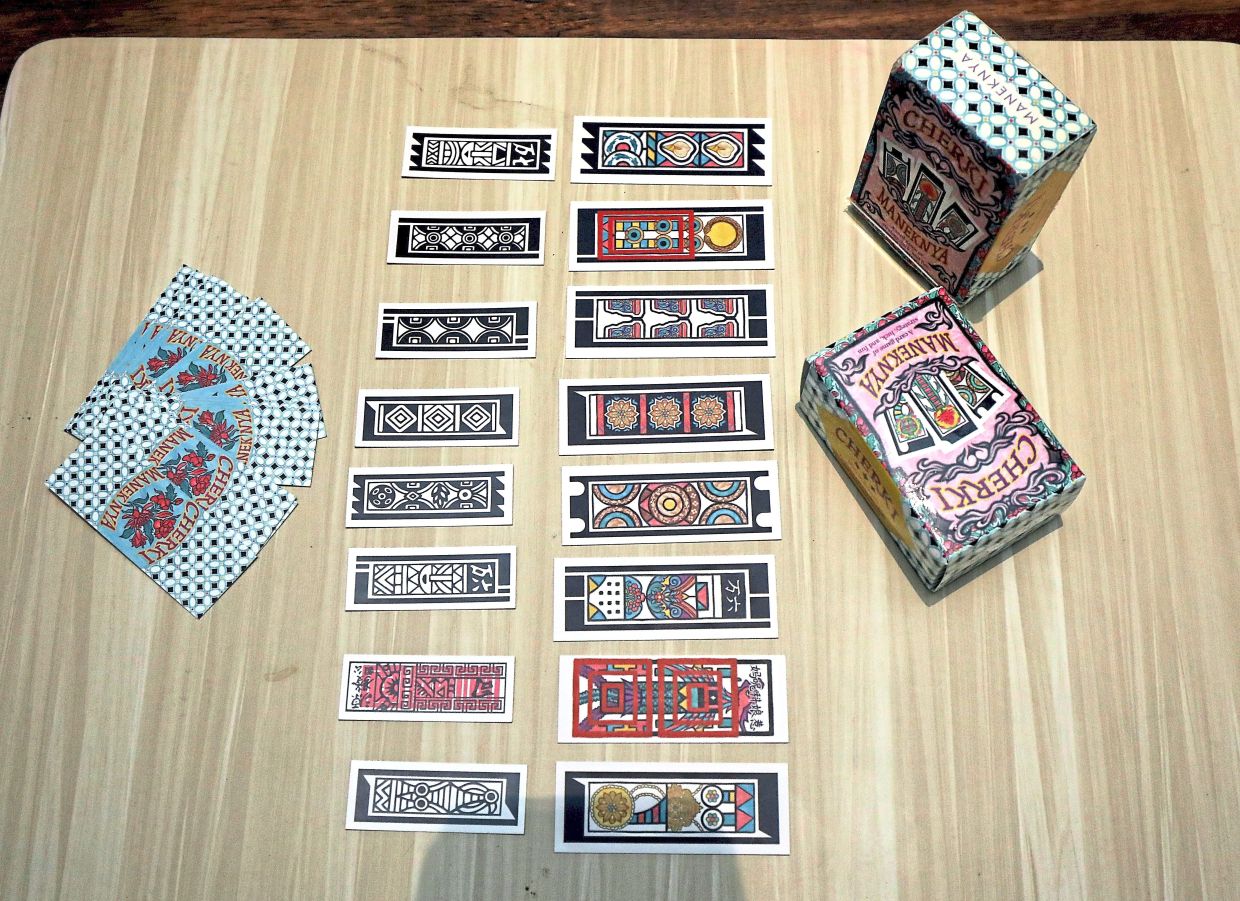
Traditionally, Cherki cards feature simple black-and-white designs. The Lees have given the game a fresh perspective by introducing vibrant colours and contemporary designs while staying true to its traditional motifs and symbols.
“Cherki is a game that has been passed down through the generations. However, many people in my generation, and even my mother’s generation, don’t know how to play it anymore.
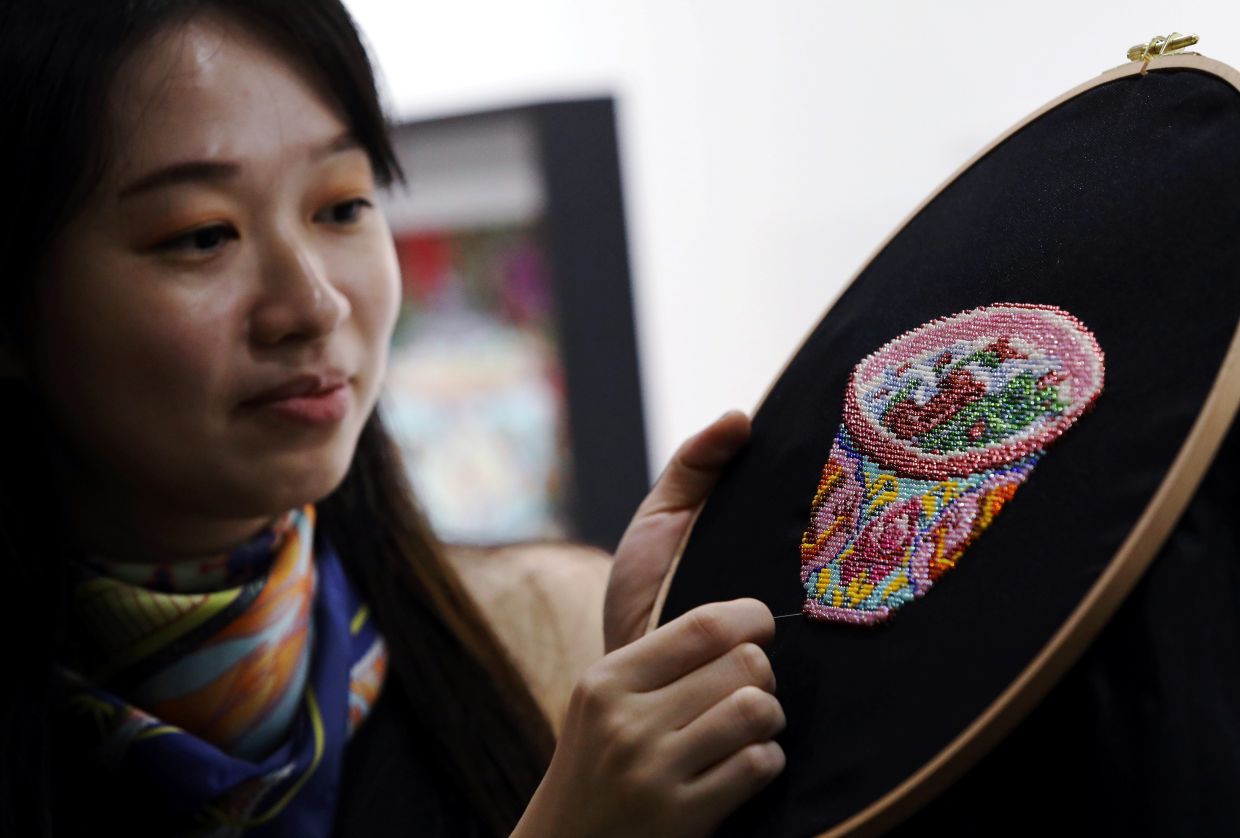
For the Melaka-born sisters – who run a KL-based business specialising in Peranakan beaded footwear and decorative pieces – venturing into another aspect of their heritage felt like a natural progression.
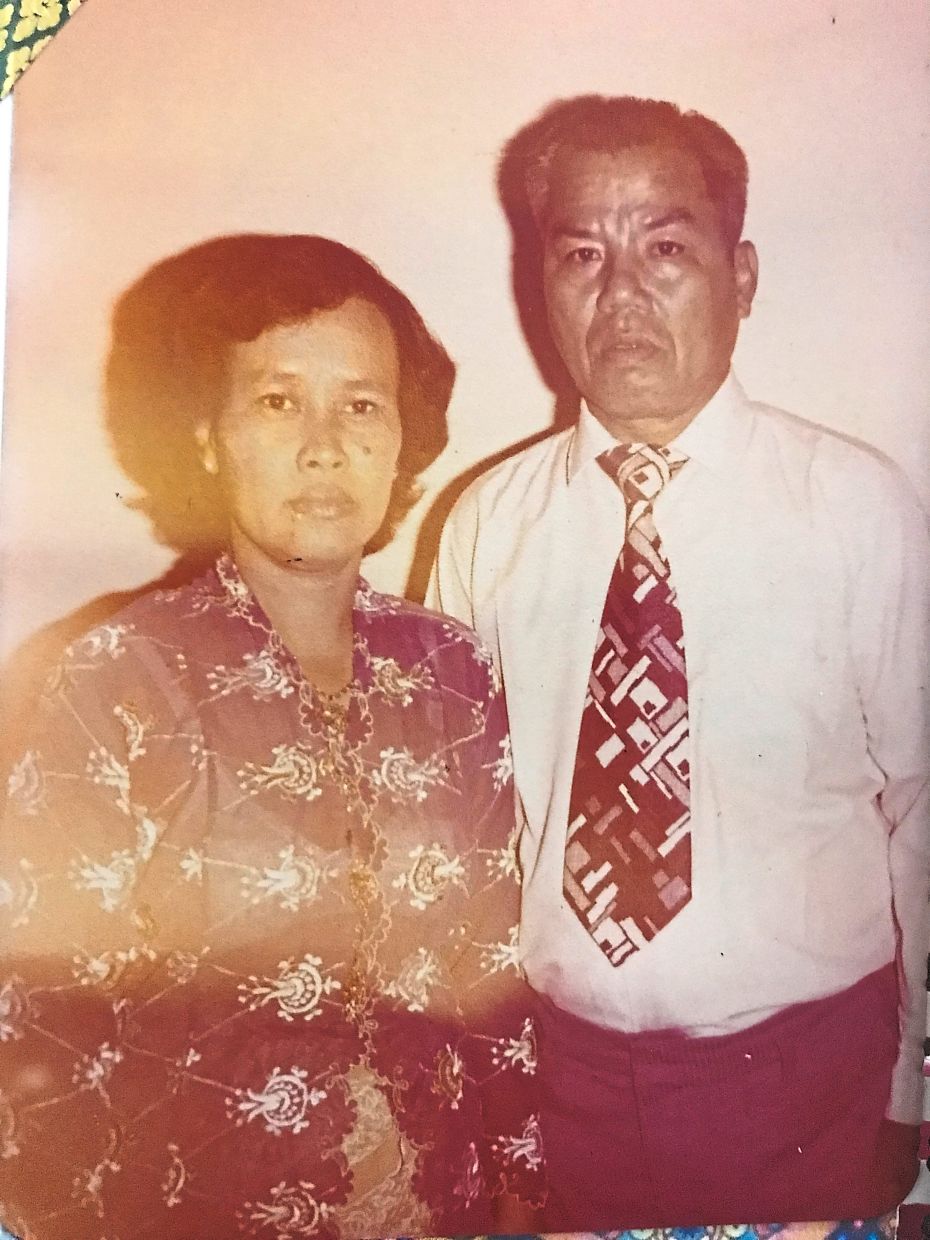
Swee Lin says their paternal grandmother Deo Yeok Kim was their biggest inspiration in creating the cards.
“Our late Popo (grandmother) had a huge influence on us. We literally grew up in her house in Melaka. Until her passing recently, we realised that a lot of what we know about Peranakan culture came from her, whether it was through food, stories, language or simply watching how she carried on traditions in her daily life.
“Even today, everything that we do in our beading business – which we learned from our mother and grandmother – has some sort of meaning and influence from Popo.”
Reviving a forgotten game
Swee Lin believes many younger Peranakans today are growing more distant from their heritage as opportunities to learn from older generations become fewer. She hopes that reintroducing Cherki can help bridge that gap.
“Reviving Cherki helps keep alive a piece of Peranakan heritage that carries stories, traditions and cultural identity. Without efforts to preserve it, this unique game could eventually be forgotten.”
As lifestyles change, some of the younger Peranakan community may find themselves less connected to their cultural roots, as many prefer to spend time on digital entertainment, social media and other modern interests than on traditional practices.
A 2022 study titled “Comparative of Cultural Material Study Between Baba Nyonya Original Descendants and Baba Nyonya New Descendants in Malacca,” published in the Journal Of Social Science, found that modern influences and technology are reshaping Baba Nyonya identity, particularly among younger generations.
The study noted that many young descendants are increasingly exposed to outside influences, including global pop culture, and highlighted the importance of educating society about Baba Nyonya material culture.
Persatuan Peranakan Baba Nyonya Malaysia (PPBNM) deputy president Lee Yuen Thien, 36, agrees, saying that changing interests, lifestyles and modern commitments have contributed to younger generations becoming less connected to these traditions.
“Many are now occupied with their careers and have very little time to invest in cultural activities, which are often not seen as a priority,” says Lee.
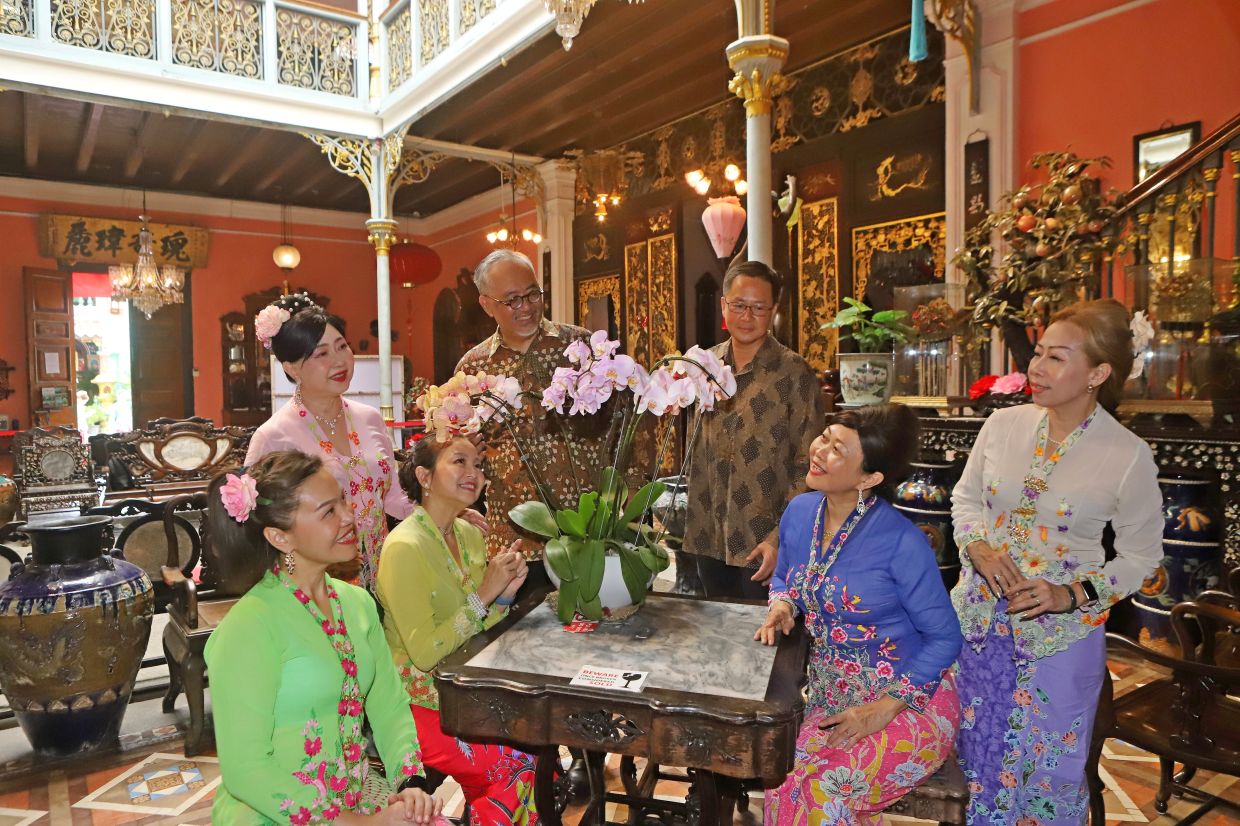
Currently, the association has 3,000 members and he estimates that there could be a total of 10,000-15,000 Peranakans nationwide.
He agrees that reduced exposure within families has affected how younger Peranakans connect with their heritage. He says migration, changing lifestyles and mixed marriages have reshaped the community, especially among those living away from ancestral roots in Melaka and Penang where many traditions were passed down.
He believes culture must be allowed to evolve with time while creating greater awareness among younger generations.
“By creating awareness of their ancestry and heritage, we can spark interest and give hope to the continuity of our culture,” says Lee, who is the manager of the Baba & Nyonya Heritage Museum Melaka.
Cards of culture
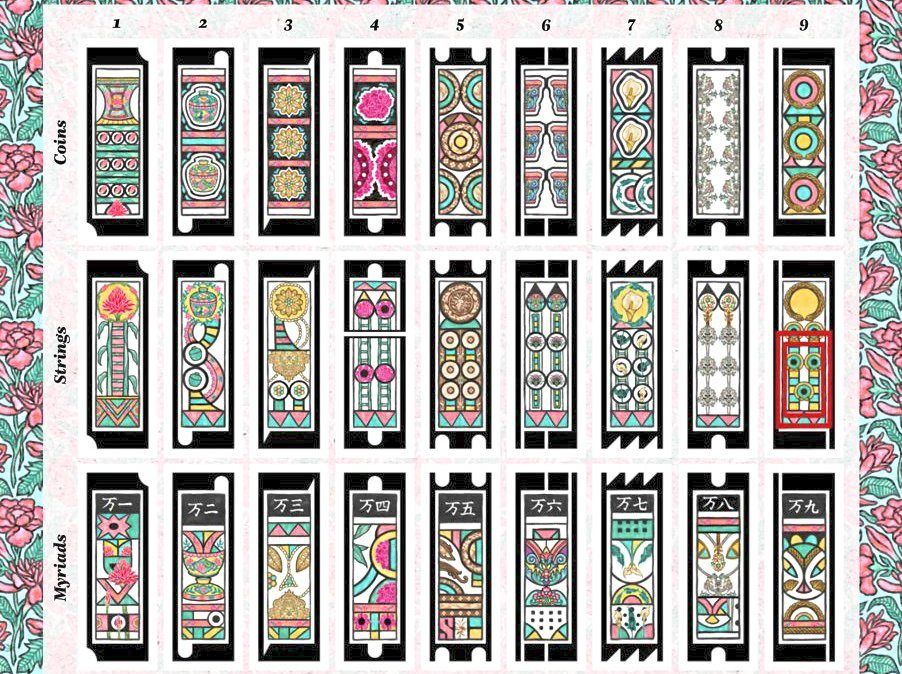
Cherki is a traditional card game once commonly played in Baba Nyonya households. Similar to mahjong, Cherki is played with two decks of 60 cards, featuring 30 different patterns repeated twice.
The traditional cards are divided into three suits – coins, strings and myriads – with values from one to nine, along with three special cards: white flower, red flower and old thousand.
Played mainly in Singapore, Malaysia, Indonesia and Thailand, this card game is also known as Ceki, Chi Kee or Koa. The cards were referred to in Malay as daun ceki (daun means ‘leaf’) and this term was adopted by the Peranakans.
According to the article, “Cherki – A History and Introduction to the Cherki Card Deck” (www.peranakan.org.sg), it is believed that card games originated in China – there are Tang Dynasty records from the 9th century describing a “leaf game” – and eventually made their way via trading routes to Europe by the 14th century.
Swee May and Swee Lin started researching and developing their Cherki adaptation in 2024.
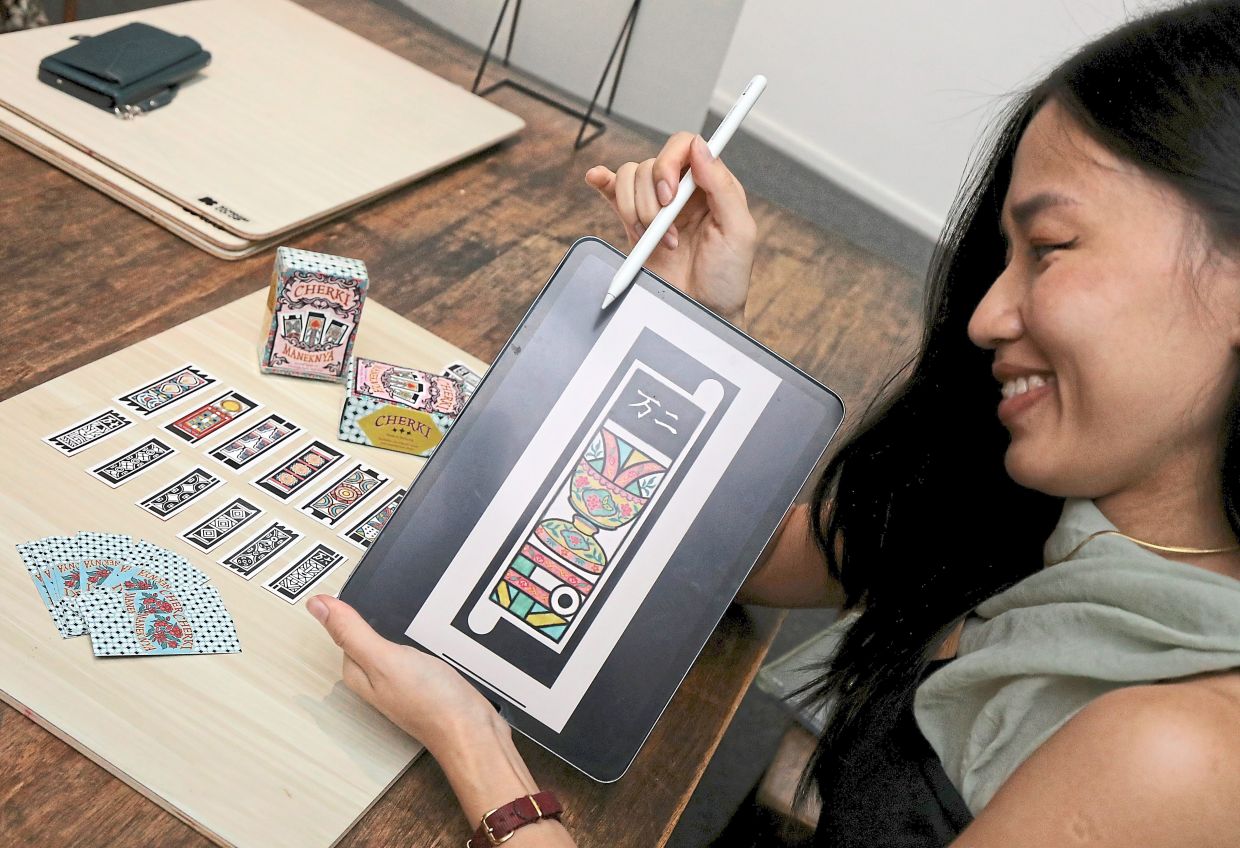
Working with a small group of designers, they used digital tools such as Procreate and Adobe Illustrator to introduce colours, patterns and motifs while preserving the essence of the original cards.
They also created clearer instructions to make the game easier for new players to learn.
The revamped cards retain Cherki’s traditional structure, featuring 30 patterns but repeated four times (instead of twice) and divided into three suits – coins, strings and myriads – with values from one to nine, along with three special cards: butterfly, dragon and phoenix.
Each value card features different Peranakan symbols, including the kantan (a fragrant flower commonly used in Nyonya cooking), chupu (porcelain jars traditionally used for serving food), kerongsang (Nyonya jewellery used to fasten the kebaya) and gelang (bracelets worn by Nyonya women).
“We wanted Cherki to feel like a game you want to pull out with friends today, not something stuck in a history book. Hence, we gave the card colour and modern illustrations.
“At the same time, we made sure to keep the traditional Peranakan patterns and symbols, so you’re still playing the game your grandparents might have enjoyed. The idea was simple; make it fun, visually appealing, and easy to jump into, so younger players can connect with Cherki without losing that sense of heritage,” Swee May shares.
Swee Lin says even small details were carefully considered.
New hand, old game
One of the biggest challenges was preserving the authenticity of Cherki while making it easier for modern audiences to learn and enjoy.
Unlike modern board or card games, Cherki was traditionally passed down orally, with few documented rules. Much of the game play depended on someone teaching you how to play.
“It’s like playing poker. Some-one has to teach you,” says Swee Lin. “My late Popo was one of the few people who knew how to play. But if the younger generation wants to play Cherki, how are they going to learn?
“So we had to come up with something that makes sense for people to read and understand.”
The sisters spent time researching and verifying the rules before adapting them into a clear rule book. However, they also wanted to retain the social aspect of the game.
“Although there are rules in the rule book, you can still play it however you like with your family and friends,” says Swee May, adding that the cards are priced at RM45 and available at CzipLee stationery stores.
While one game cannot preserve an entire culture, the sisters believe every effort counts in keeping Peranakan traditions alive.
“I think the easiest way is definitely through the associations. We are part of PPBNM and we always encourage younger generations to be involved in the organisation.
“The association runs a variety of programmes such as beading, pantun (poem) and language classes, all aimed at bringing back and preserving our culture.
“Through these efforts, we can slowly revive and celebrate these traditions.
“It is one of the easiest ways to contribute, while also becoming part of the community in the long run,” concludes Swee Lin.
A colourful revival
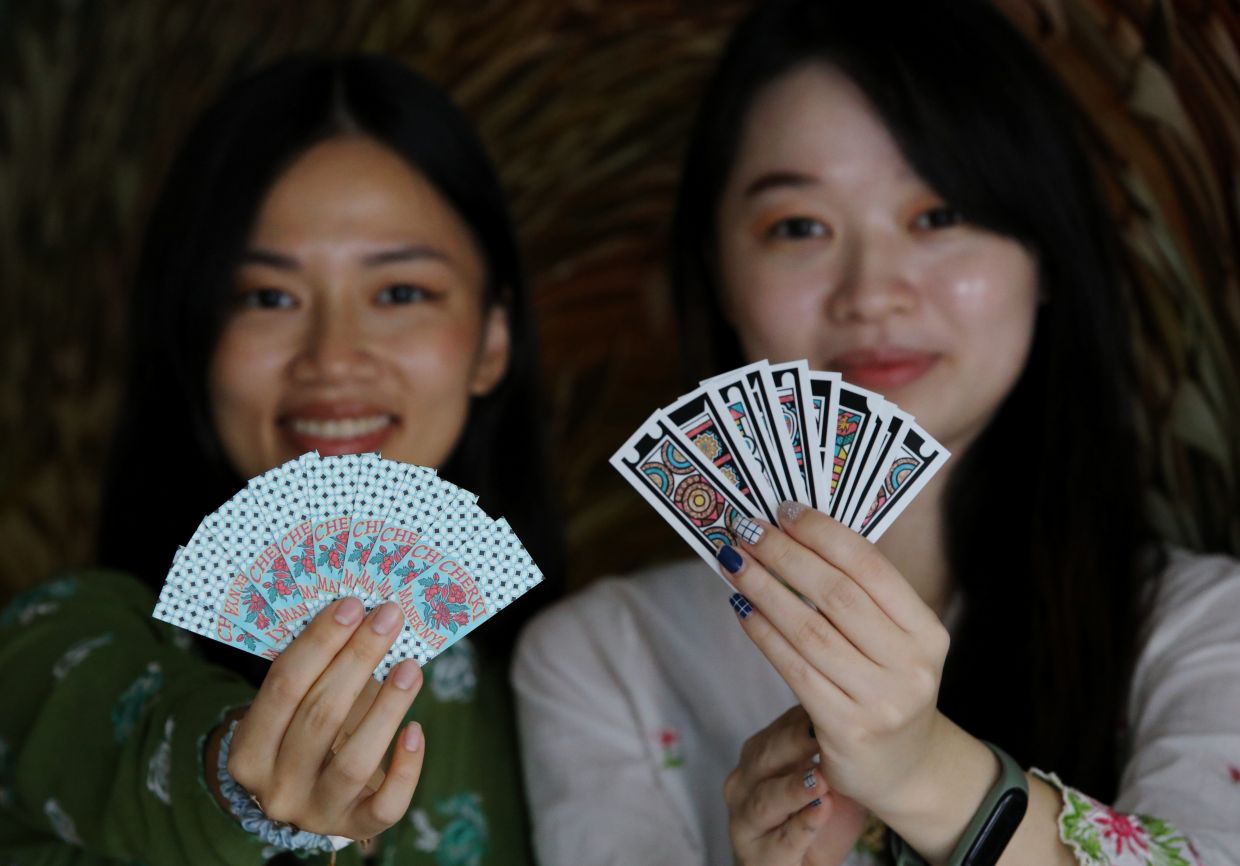
Peranakan sisters Lee Swee Lin (left) and Lee Swee May are giving the traditional Cherki card game a modern makeover in a bid to introduce the heritage game to a younger generation. Photos: The Star/Azlina Abdullah
The revamped Cherki cards feature vibrant colours and contemporary illustrations while retaining traditional Peranakan motifs and symbols.
Photo: The Star/Azlina Abdullah
The new redesigned Cherki cards combine tradition, colours and Peranakan artistry. Photo: Lee Swee Lin
Digital tools were used to introduce colours, patterns and motifs to the cards.
Photo: The Star/Azlina Abdullah
The newly designed cards (right) give the heritage game a fresh and modern appeal while preserving the old version’s (left) charm.
Photo: The Star/Azlina Abdullah
Swee Lin and Swee May learnt much of their Peranakan heritage from their grandmother Deo (left), pictured here with her husband, Tan Kwong Seng. Photo: Lee Swee Lin
The Peranakan Baba Nyonya are a vibrant community whose heritage reflects a unique blend of Chinese and Malay traditions. Photo: The Star/Lim Beng Tatt
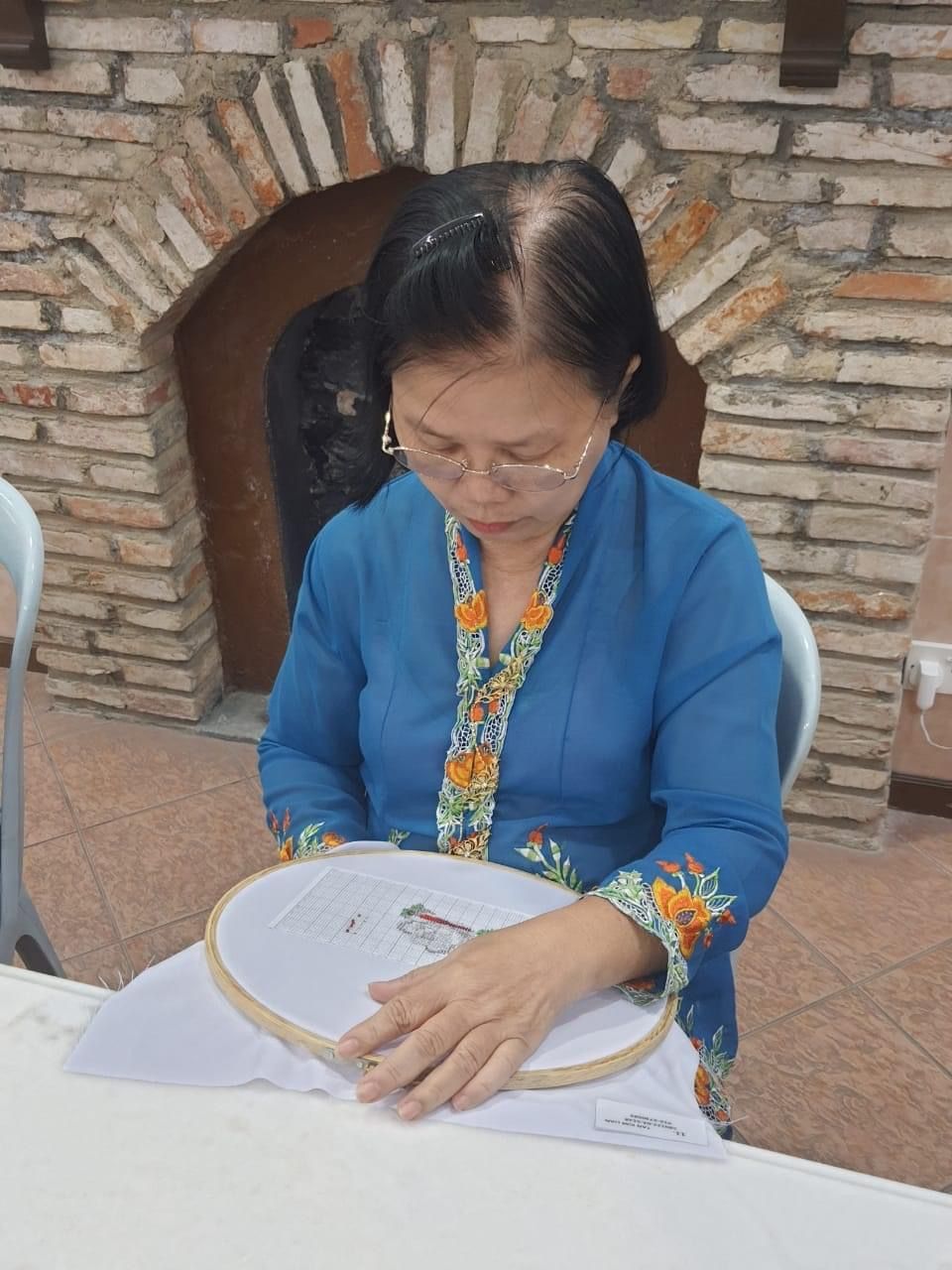
Swee May picked up the intricate art of Peranakan beading from her grandmother and mother.
Photo: The Star/Azlina Abdullah
Tan Kim Lian, Swee Lin’s mother, continues the Peranakan beading tradition by handcrafting intricate pieces. Photo: Lee Swee Lin
A beautiful heritage