
Helen Ow, 75, has turned her lifelong love of dancing into a way of life, using it to stay active while also building a close-knit community in Seri Petaling, Kuala Lumpur.
For the past 27 years, the septuagenarian has been helping women in her neighbourhood keep fit through regular dance sessions.
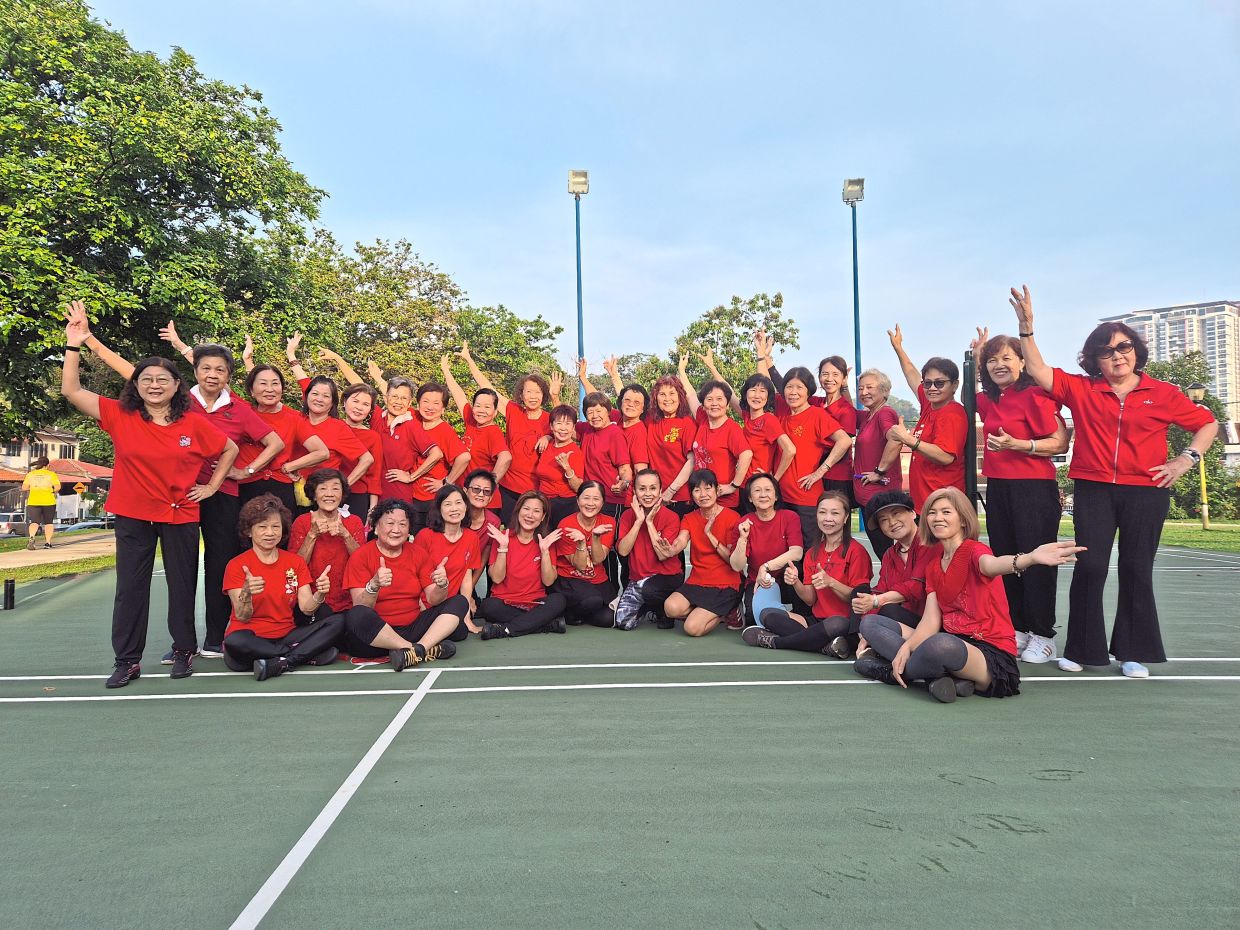
With upbeat music playing from a portable speaker, she leads over 30 students, aged between 55 and 85, through a lively mix of routines including line dancing, cha-cha and rumba. The sessions are held three times a week at 7am at a playground in Zone F, Seri Petaling.
"Since 1999, I have been organising these sessions to share my passion with like-minded people and encourage others to lead active lives. Over the years, we have all become like family," says Ow.
Having lived in the neighbourhood for nearly 45 years, Ow was among the pioneers who introduced line dancing to the community. At its peak, participation grew to nearly 120 members.
However, numbers have since declined as smaller dance groups have emerged across different parts of the neighbourhood.
The grandmother of four first took up dance lessons 30 years ago, long before online tutorials were widely available.
"Back then, we didn't have Google or social media. We learned from others and taught one another. Over time, line dancing evolved with more complex routines.
"But I keep my classes simple for my students, most of whom are senior citizens," says the mother of three, who charges a nominal sum for the lessons.
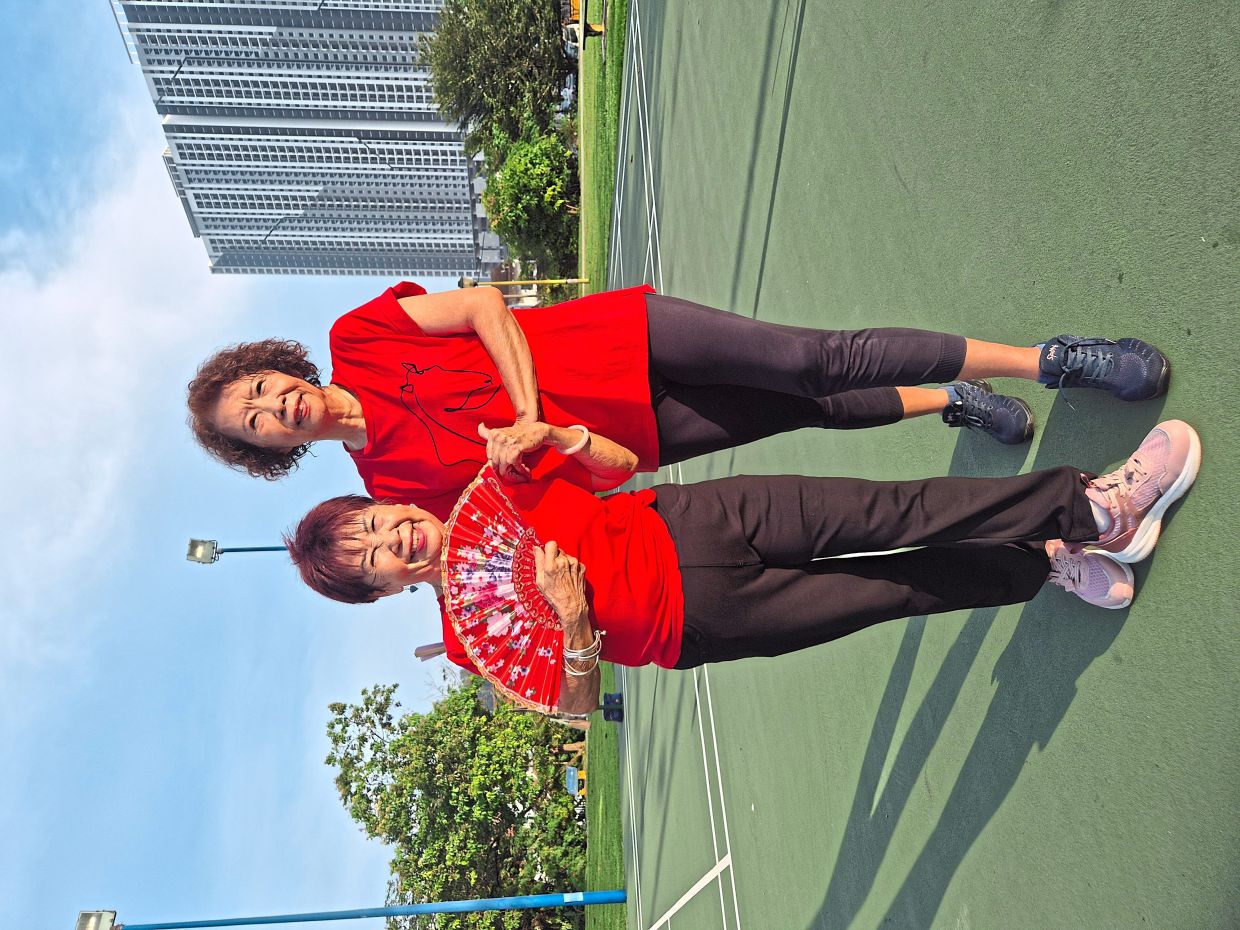
One of her long-time students, Vivian Woon, 85, has been attending the sessions since day one. Living alone, the great-grandmother of one says the classes help her stay physically engaged and provide companionship.
"We need exercise to stay happy and healthy," says Woon, who walks 10 minutes from her home to the park to attend the one-hour sessions.
"After dancing, we go for breakfast. Some of us head to the market together after our meal. I am happy that I have good friends who are also my dance partners," adds the grandmother of six.

Ow and Woon are among many seniors who recognise the importance of staying fit for their health and well-being. They also understand that an active lifestyle can help reduce the risk of chronic diseases and support healthier ageing.
Similarly, retired civil engineer Lim Shyang Guey, 66, is living proof that age is not a barrier to staying physically active.
He is currently on a 2,200km run across Peninsular Malaysia to raise awareness and funds for childhood cancer under his "Run For Gold" initiative. The run aims to support the National Cancer Society Malaysia's childhood cancer services. Lim hopes to complete the journey on June 22, which marks his 67th birthday.
According to an article "Ageing, but not well" in The Star, 85.3% of older Malaysians are not ageing healthily, based on the National Health and Morbidity Survey 2025. Only 14.7% are ageing well, while many live with chronic diseases and frailty.
Ow encourages seniors to choose activities they enjoy.
"It can range from walking, jogging to swimming. I love dancing because it keeps my limbs moving and helps me remember steps, which may help reduce the risk of dementia."
Supporting healthy ageing
Dr Tan Maw Pin, a professor of geriatric medicine at KL's Universiti Malaya, says ageing is often associated with multiple chronic conditions such as diabetes, hypertension and high cholesterol, which can lead to disability, frailty and cognitive decline.
She adds that societal expectations often reinforce sedentary lifestyles among older adults, while other contributing factors include poor nutrition, loneliness, depression and limited access to preventive care.
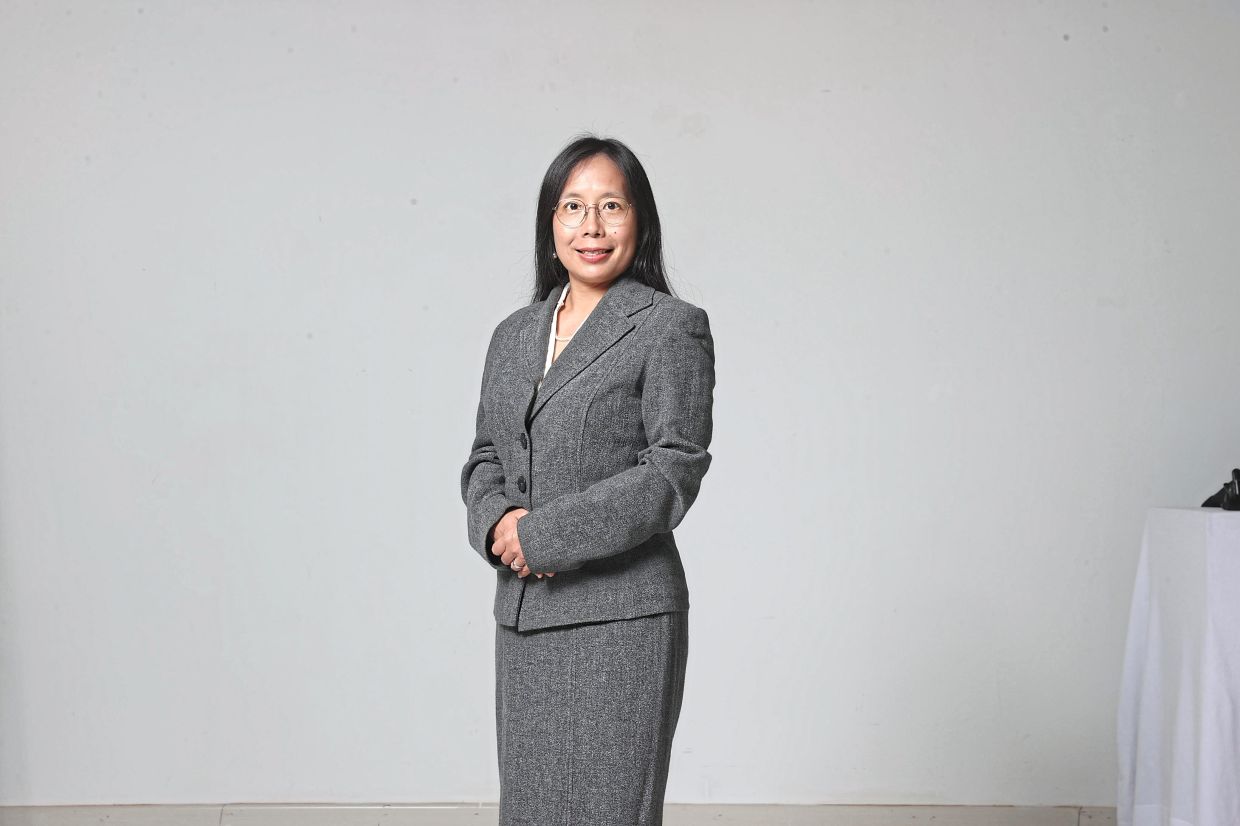
"Seniors today also usually only seek help when problems become serious, rather than earlier when conditions can still be prevented or reversed. This is partially driven by our overcrowded public healthcare facilities and the lack of affordable private healthcare options at this stage in life," says Prof Tan during an interview in KL.
She stresses that older adults should be encouraged to remain physically active, socially connected, mentally stimulated and well-nourished.
"Regular exercise is one of the most effective interventions, especially strength, balance and walking activities. Physical inactivity is another major issue and contributes to sarcopenia, frailty, falls and muscle loss.
"Chronic diseases should be detected early and treated well. Vaccinations such as influenza, pneumococcal and Covid-19 vaccines are also important in preventing serious illness."
Prof Tan adds that healthcare services should shift towards healthy ageing models that focus on maintaining function, not only treating disease. These include screening for mobility, memory, mood, hearing, vision and medication-related problems, followed by early intervention, as this is advocated by the Integrated Care Action Area of the United Nations Decade of Healthy Ageing 2021-2030.
Major contributors to unhealthy ageing in Malaysia include diabetes, hypertension, obesity, high cholesterol and smoking, which increase the risks of heart disease, stroke, osteoarthritis, kidney disease and dementia.
"Poor diet, social isolation and depression also significantly affect health outcomes. Hearing loss and poor vision are often overlooked but can accelerate cognitive decline, reduce confidence and increase fall risk. In many cases, unhealthy ageing is the result of preventable risk factors accumulated over time," she says.
Prof Tan says families play a strong role in supporting seniors to age more healthily and independently as they are the first line of support.
"Encouraging older relatives to remain active, attend health appointments, take medications correctly, eat well and stay socially engaged can make a tremendous difference. Families should also avoid overprotecting older persons when they are still capable, because independence is preserved through continued activity and participation."
Communities, she says, are equally important.
"Age-friendly neighbourhoods with safe walkways, accessible transport, parks, senior centres and opportunities for volunteering or lifelong learning help older people stay engaged. Community exercise groups and dementia-friendly initiatives can reduce loneliness and maintain function.
"If we invest now, more Malaysians can enjoy longer lives that are healthier, more meaningful and more independent," says Prof Tan.
Staying fit, staying connected
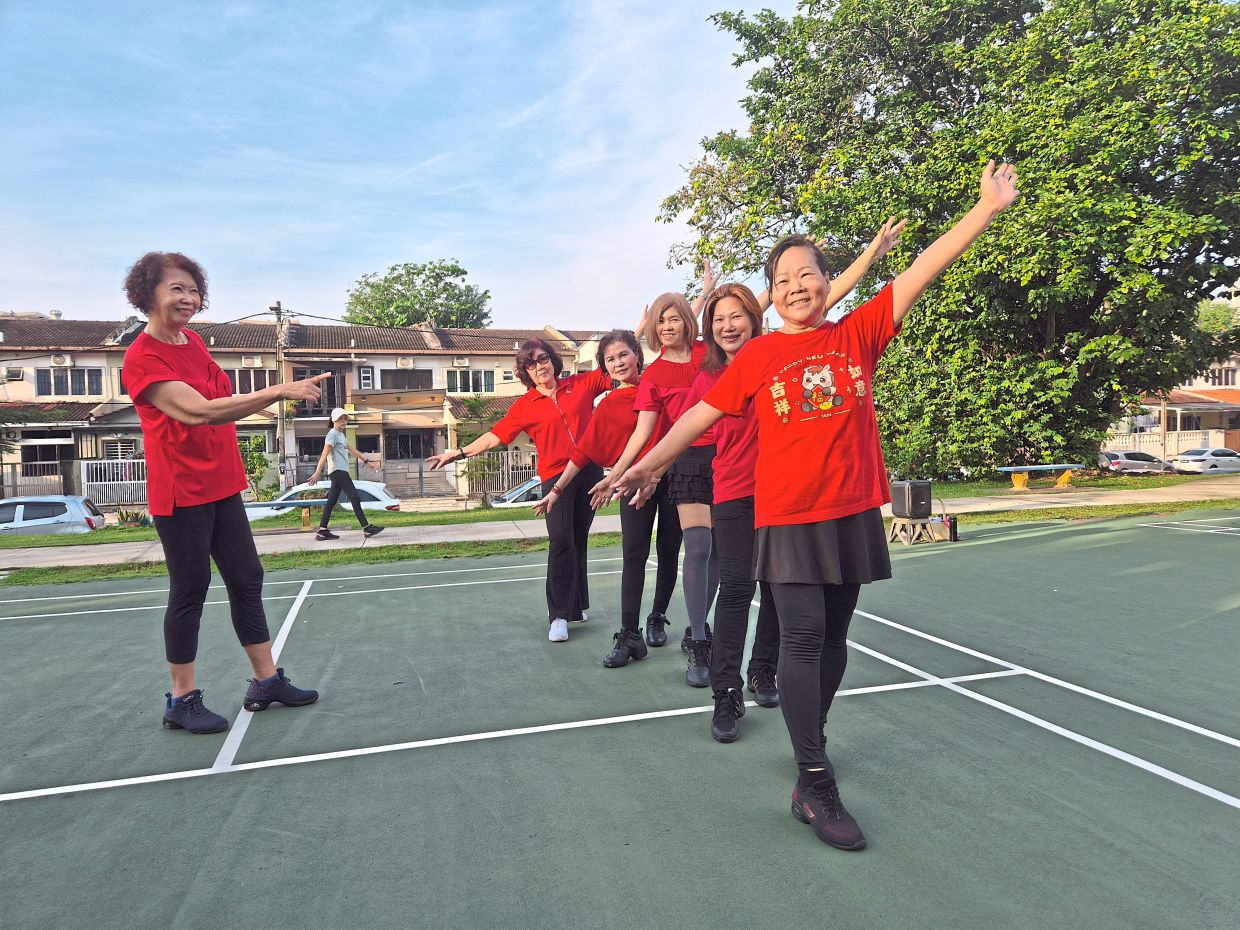
Ow (left) leads senior citizens through a morning dance session. Photos: The Star/Sheela Chandran
For Woon (left) and Ow, dance sessions are not only a form of exercise but also a way to build friendships.
Photo: The Star/Sheela Chandran
Lim, 66, is currently on a 2,200km run around Peninsular Malaysia. Photo: The Star/Lim Beng Tat
'Staying physically active and socially connected can help older adults maintain their independence and overall well-being,' says Prof Tan. Photo: Prof Dr Tan Maw Pin
Beyond exercise, the dance sessions provide seniors with companionship, social interaction and a sense of community.
Photo: The Star/Sheela Chandran