On a typical school day at SK Sungai Lui, Negri Sembilan, Nur Shafura Ramli can be found outside the classroom with her students.
Somewhere between science and design technology lessons, she checks on the hydroponic plants, tends to strawberry shrubs alongside her students and oversees food waste collected from the canteen to be turned into compost.
This has become an everyday routine for the students and the teacher over time.
For educators in Malaysia, sustainability education is no longer confined to what is taught within classroom walls.
Through Zero Waste Malaysia’s Green Wira Programme (GWP), they are finding ways to turn environmental care into something students can touch, build, grow and carry with them beyond school grounds.
For Nur Shafura, it all begins by teaching her students how to care for plants, starting with crops grown within the school compound using hydroponics – a method of growing plants that relies on water as the main nutrient source instead of soil.
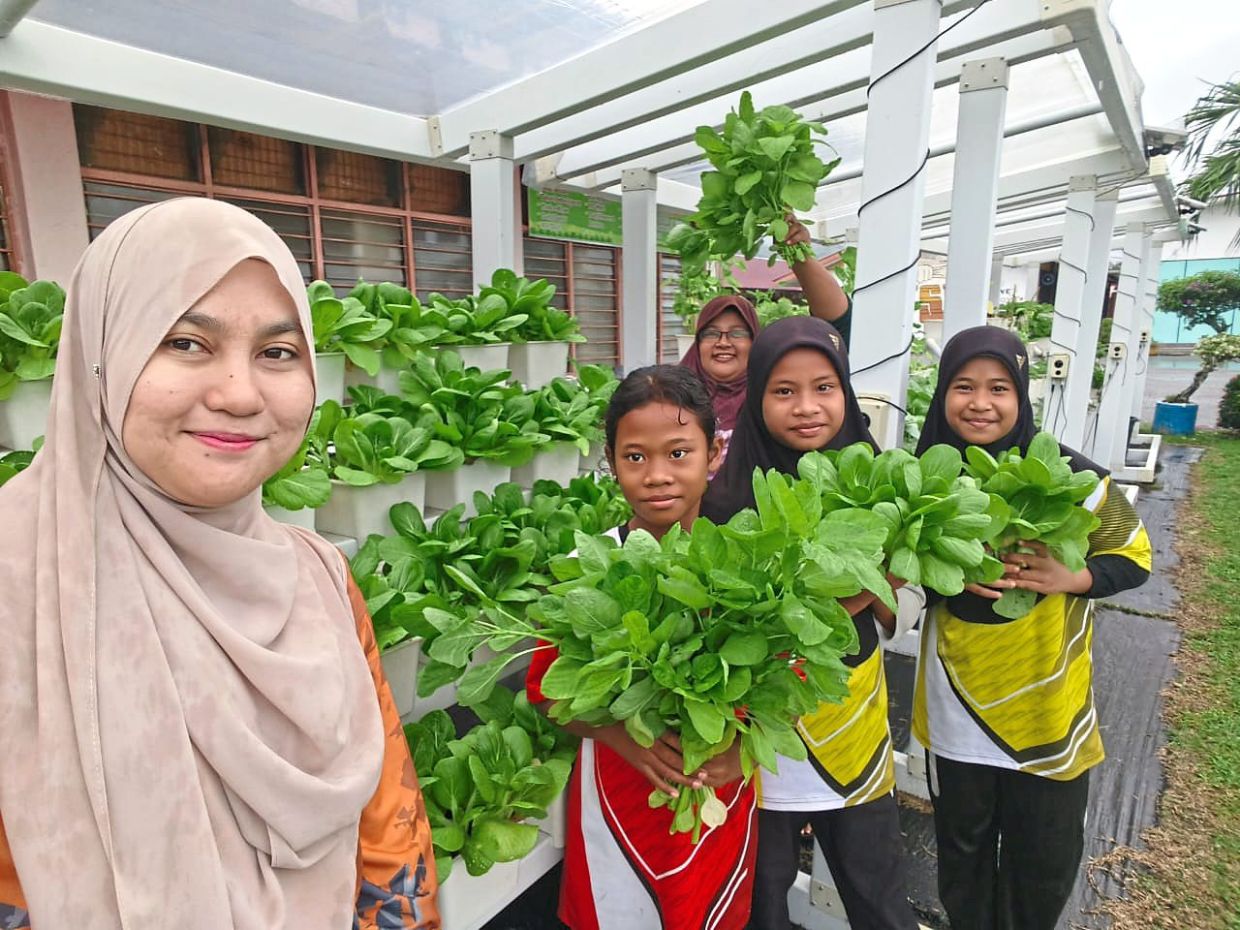
Crops grown include chilli, pak choy, kailan, local spinach and strawberries.
The strawberries themselves, she notes, began as an experiment.
“I used to teach in Cameron Highlands, Pahang. There were strawberries growing all around due to the cold temperatures, so I thought, why not try to plant it here?” she says.
After receiving strawberry seeds of a variant that can grow well in warm areas, what began as a small project done out of curiosity slowly came to fruition.
“I didn’t expect it to grow well but it did, and they even bore fruit! The students really enjoyed picking it themselves and they were amazed when they got to taste it fresh.”
These crops are able to produce healthy fruits and vegetables thanks to compost fertiliser made from food waste collected.
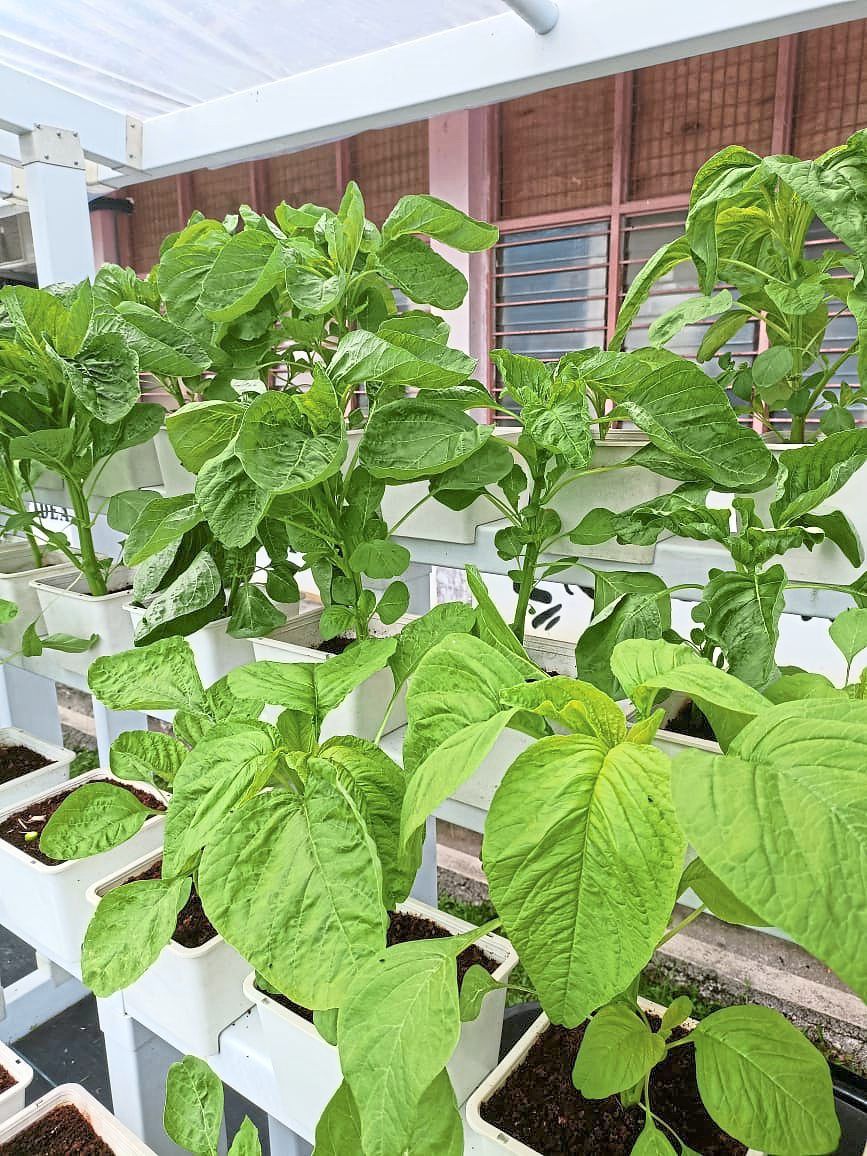
“All the food scraps are separated by students after they finish eating in the canteen. Our school workers will help process it into compost to be used for plants around the school,” she explains.
The impact, Nur Shafura shares, can be seen not only in the growth of the plants and reduction of food waste, but also in the students themselves.
“Since this project started, the students now have a stronger sense of responsibility,” she says.
“Early in the morning, they will first go to the garden area to tend to the plants. They are also more disciplined especially after eating as they would separate their food waste into specific bins.”
They also take turns caring for the hydroponic plants through weekly duty roster.
Training sessions for GWP have also reshaped her own understanding of sustainability and her role in being a guiding light to the students.
“I understand more about the environment and what it takes to care for it, which I then teach my students when I return to school.
“They are more aware of what to do and I’m proud to see the changes in their behaviours and mindset – this definitely drives me to keep this going.”
Stitching the future
At SMK Pulau Indah, Selangor, sustainability threads itself between fabric scraps and student creativity.
Outside the school sits a fabric waste collection bin that frequently overflows before its contents can be collected.
A concern for an unpleasant sight turned into a silver lining for teacher Nurul Syamil Mohd Yusof and her environmental club students.
“We took the opportunity to collect the overflowing discarded fabrics and upcycle them by producing new products,” she explains.
Among the items they have produced are tote bags, tumbler carriers, bookmarks and pouches.
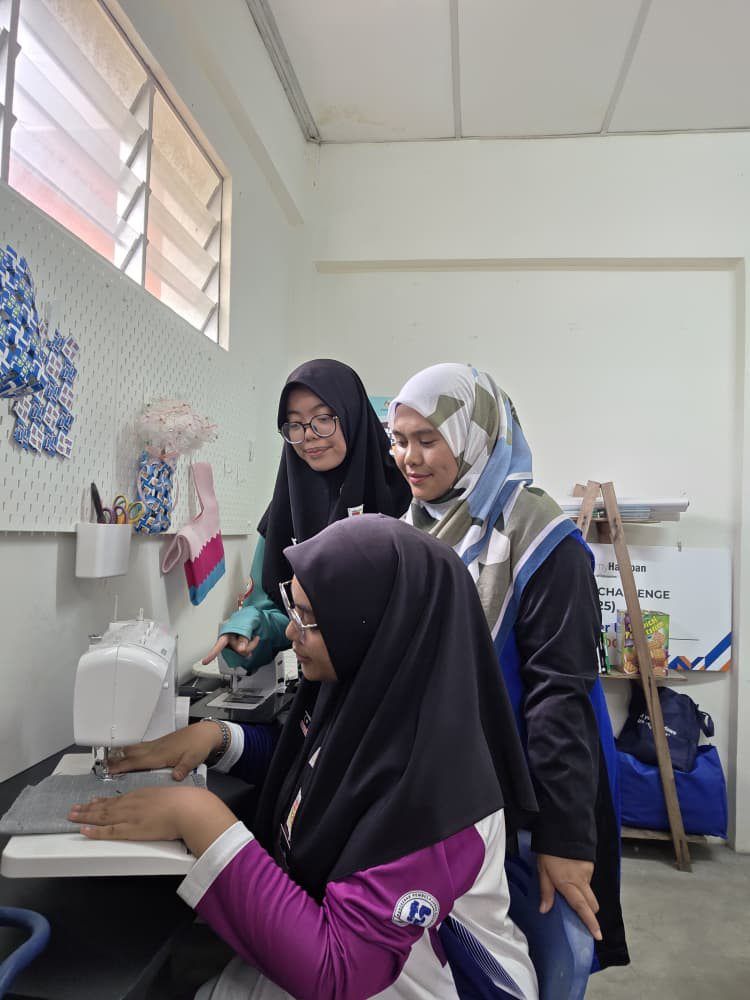
“At first, the students couldn’t grasp the idea of turning what is essentially considered rubbish into something useful. All this while, they’re so used to recycling materials like paper, plastic and aluminium. Now, they have to work with textiles. They couldn’t visualise it quite yet.”
With sewing already second nature to her, Nurul Syamil decided to take the first initiative by producing tumbler bags out
of a pair of jeans for her students to see. She also taught them basic cutting and sewing techniques.
“That was when they finally understood and got excited over it. They began to look for product ideas and took the initiative to create a solution for everyday problems they face.”
One example, she notes, came from the afternoon session students who often found themselves without a proper bag to carry their prayer garments in, leading them to the idea of sewing pouches.
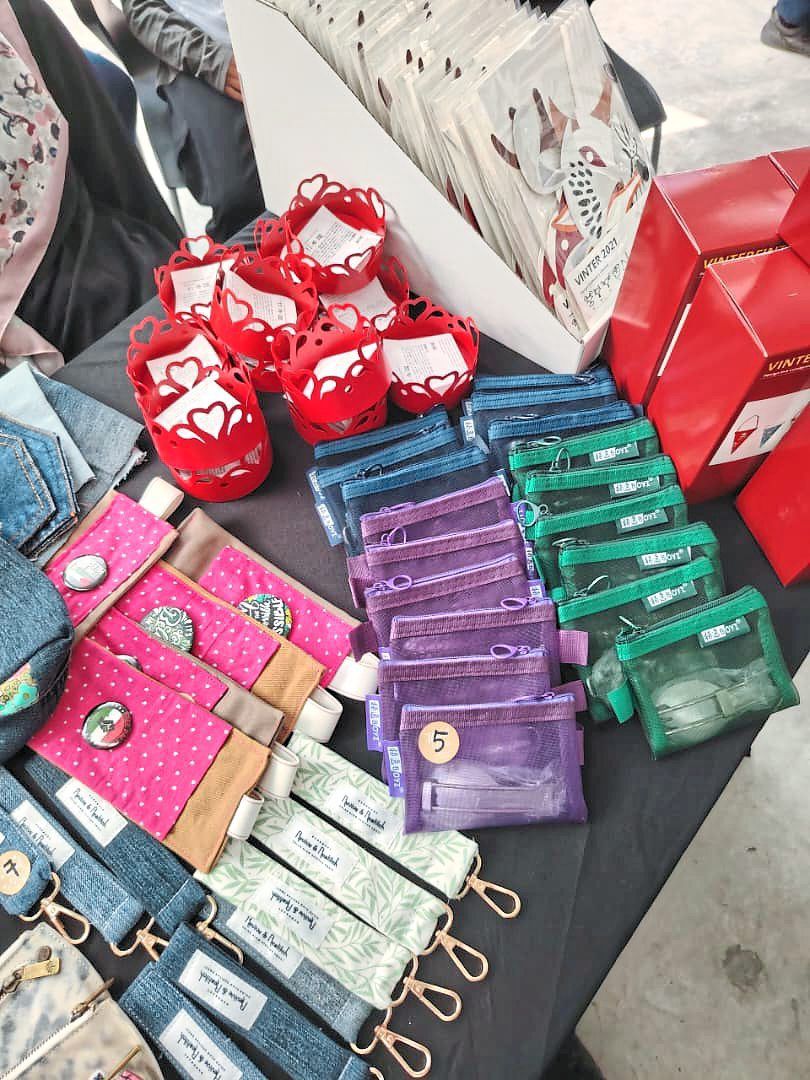
The project eventually grew into something larger than recycling. She invited the mother of one of her students to become a sewing mentor, allowing students to learn more about sewing and entrepreneurial skills.
During special events like sports day, a booth selling the handsewn products is run by the students.
“Even if this project only reaches members of the club, I am already grateful. These students will share what they’ve learned and it will trickle down to the rest of the community.”
After going through GWP’s training, she’s appreciative of the exposure to new lessons and like-minded teachers.
“I got to meet others who share the same passion as me, so I no longer feel alone in this effort. It motivates me to do more in teaching about sustainability.
“I admit it can be a bit difficult balancing time for studying, classes and my project – but it makes me happy to do this.”
For Nurul Syamil, who lives close to the sea, the environmental concern feels deeply personal.
“Near the coast, I always see so much trash flowing from the drains to the rivers and into our ocean,” she says emotionally.
“I try to do what I can with my small effort at school, and I hope to address this issue beginning at my school.”
A model of change
Over the course of five months in 2025, agriculture teacher Suhaimi Ramly achieved numbers that would make any sustainability advocate envious.
Nearly 500kg of food waste was diverted from landfills, more than 150 students became directly involved in his school’s eco-project and close to one tonne of carbon dioxide emissions were reduced in the process.
At SMK Bandar Damai Perdana, Selangor, food leftovers are turned into feed for black soldier fly larvae, which then become food for chickens and fish within the garden’s aquaponics ecosystem.
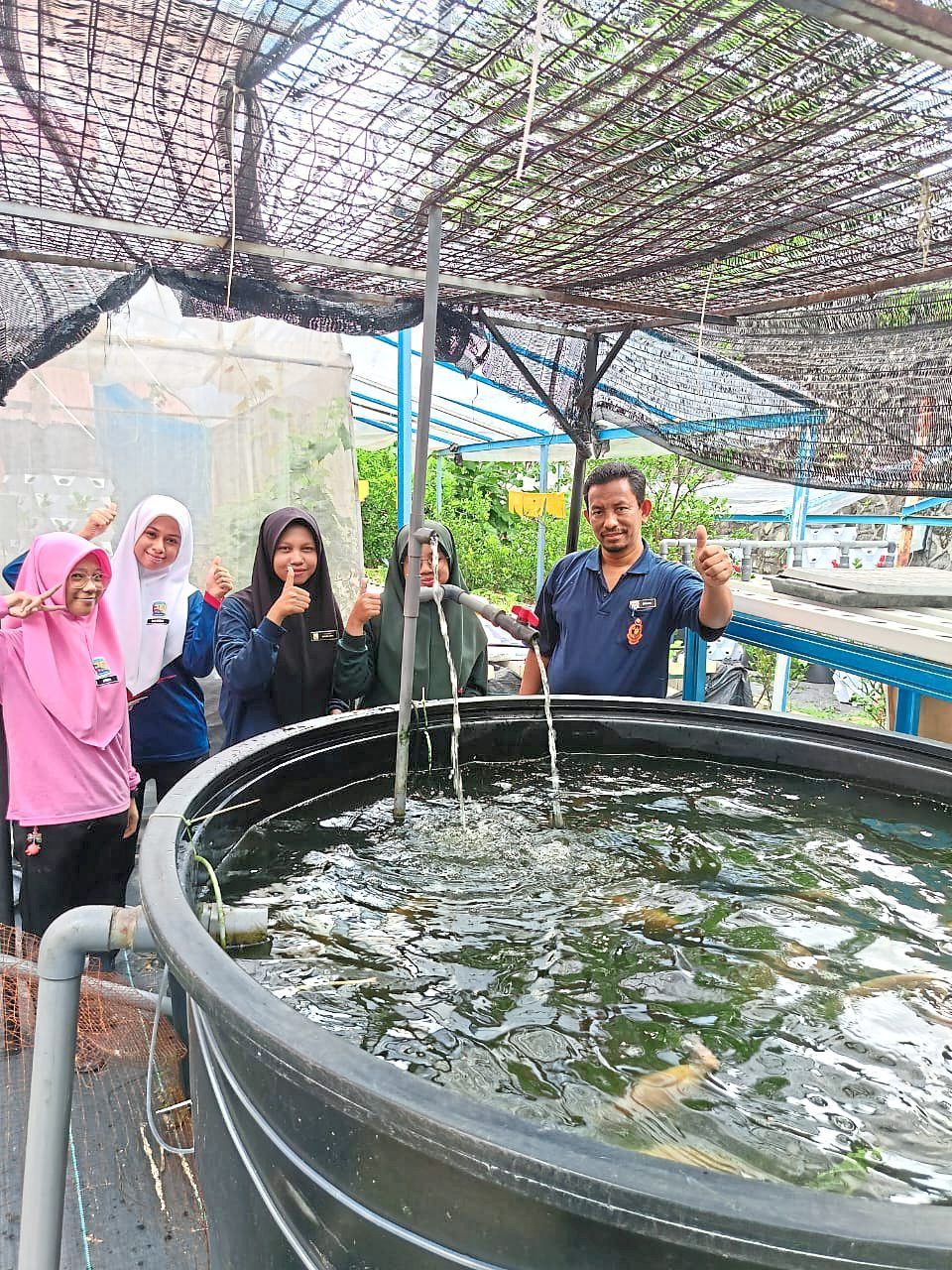
“This project came from an awareness of food waste issues in the school canteen and the need to provide students with hands-on learning experiences,” explains Suhaimi.
Every day, Suhaimi and his students go through a routine of weighing for the food waste collected, feeding the animals and caring for the plants.
He believes the most meaningful impact from the project lies within the students.
“Ever since this was implemented, there have been significant changes in students’ attitudes and skills. They are more responsible in managing the tasks given to them.
“We’ve also noted a decline in school absenteeism among the students involved as they genuinely enjoy coming to school to look after the garden and chickens.”
The project, however, came with its own set of challenges as Suhaimi and his students deal with foul odours from food waste, leaking pipes, dying fish and even threats from pythons, rats and monitor lizards.
“We managed to overcome these obstacles by involving the wider school community, using more systematic waste management methods, making gradual system improvements and regular monitoring.
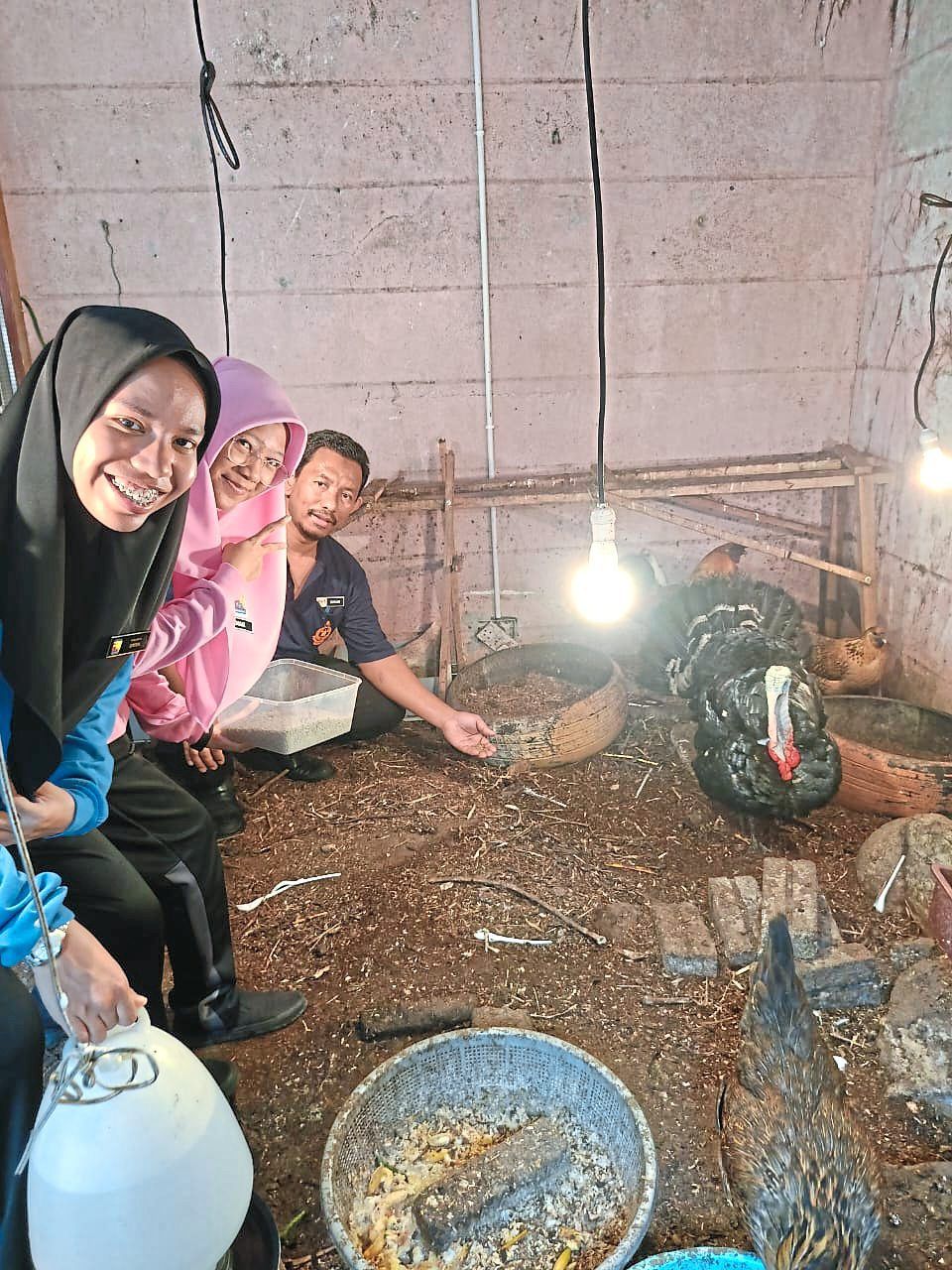
“It’s important to adopt a trial-and-error approach and teamwork to make something like this successful.”
Responsibilities are distributed among groups of students to ensure the project remains sustainable.
“I’m doing my best to foster a generation that not only excels academically, but is also environmentally aware and capable of making a positive contribution to society,” he says.
“To me, real education begins when students are able to apply their knowledge to the world at large.”
Knowledge for good
Sustainability education began with a frustrating observation for SMK (P) Pudu, Kuala Lumpur teacher Ong Pui Yee.
Despite years of recycling campaigns at her school, there was still a gap in understanding proper waste management.
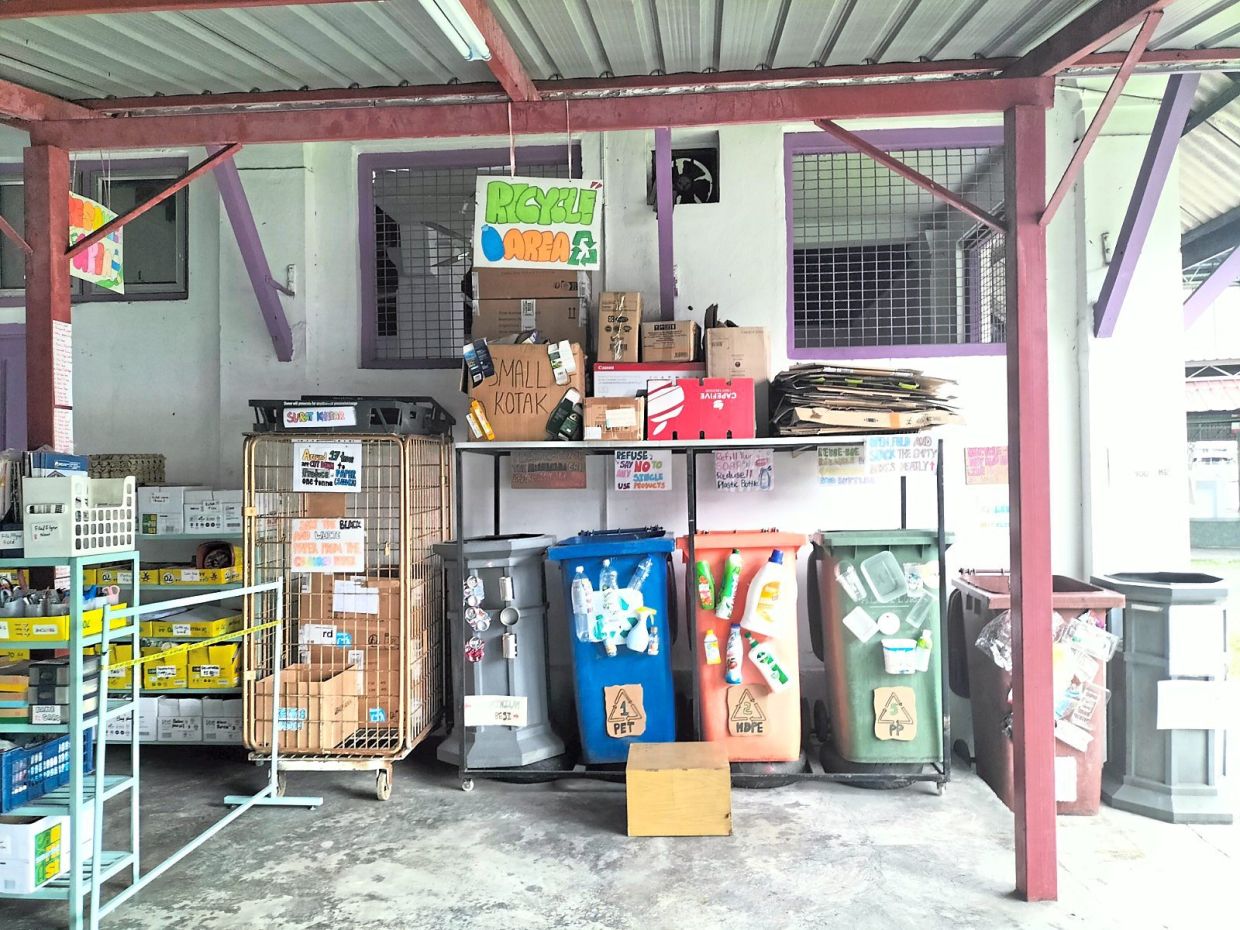
“From the school-based recycling activities we did, I found out that my school community – including teachers and students – still did not know how to segregate waste correctly,” she says.
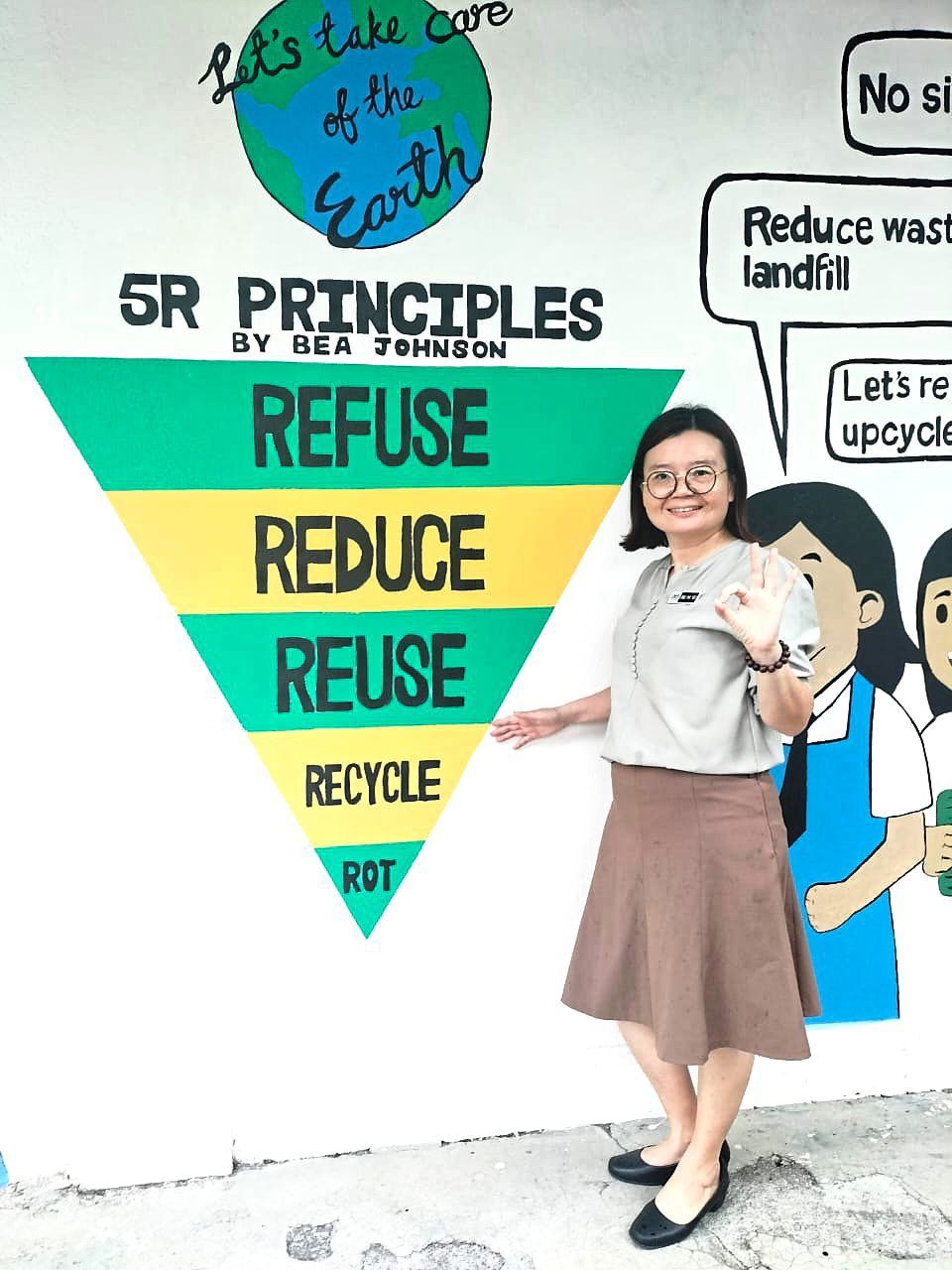
“I want to educate the school community so they are aware that when they throw something away, it’s not the end of story because the waste will end up somewhere else.”
A science teacher with two decades of teaching experience, Ong had spent years involved in recycling activities.
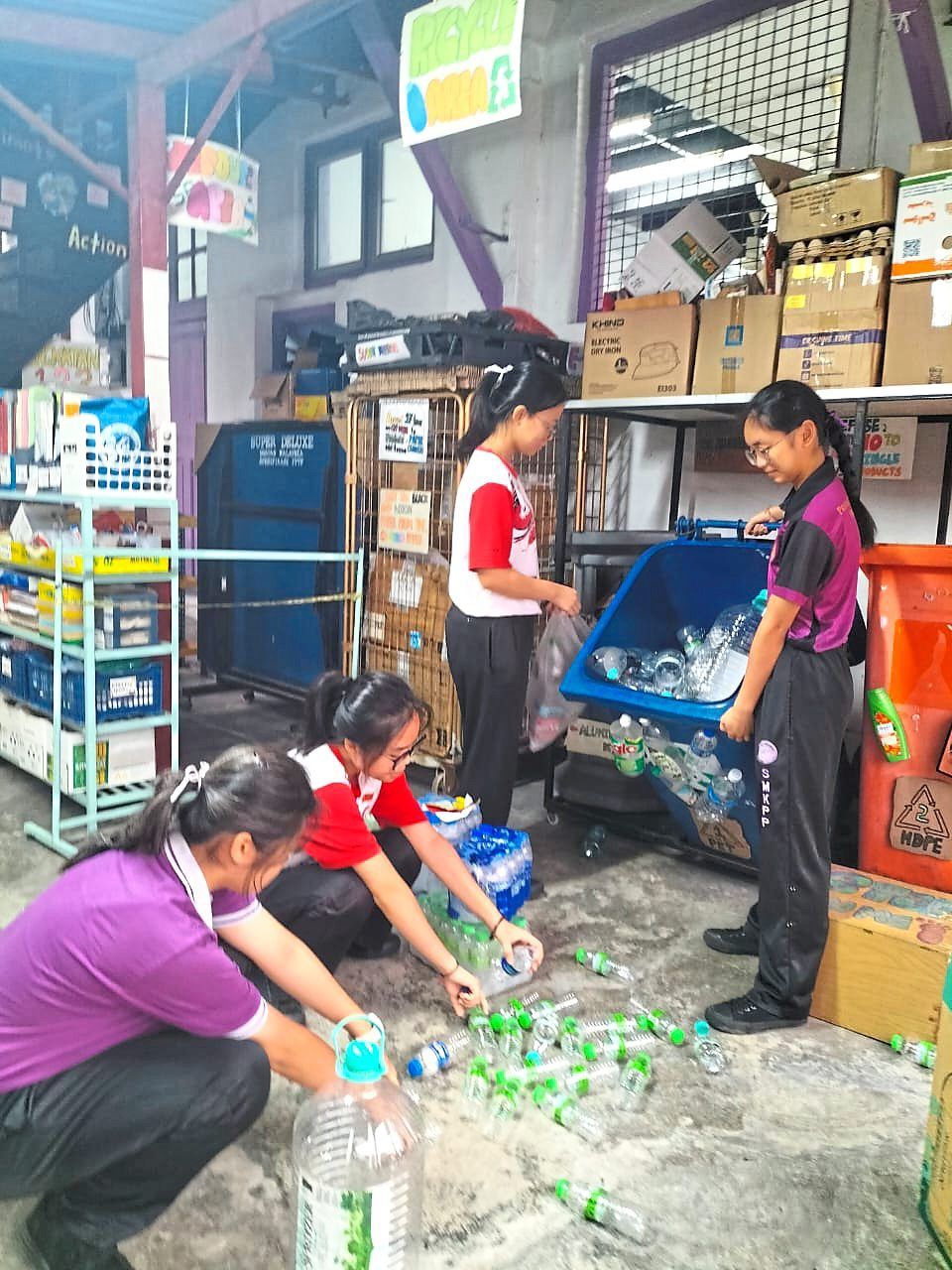
But through GWP, she began shifting her focus from simply collecting recyclable items to helping students understand the true meaning of zero waste.
At her school, that translated into the creation of a material recovery facility where students can learn the principles of the 5Rs: refuse, reduce, reuse, recycle and rot.
“Students and the school community slowly understood that recycling is not the only way nor is it a wise long-term solution,” she says.
“From being part of the GWP, I learned that not all plastic can be recycled. I have personally cut down the usage of single-use plastic in my daily life ever since.
“I realise that sustainability should start before the act of recycling itself, which is what I’d like to teach my school through this project.”
She says educators should play a role in shaping kids to become more caring and sensitive towards the planet.
“It is absolutely important to teach them how to lead a sustainable lifestyle at a young age when they are still forming habits that will follow them as they grow up.”
No matter what obstacles may come their way, she encourages other teachers to continue trying.
“Life impacts life and we lead by example. With determination and perseverance, we teachers can achieve anything with our students.”
The same tenacity can be seen in other Green Wira teachers – educators who continue nurturing these projects despite challenges that inevitably come with sustaining long-term environmental efforts in schools.
All four teachers share the same hope that students leave school carrying not just academic knowledge, but a sense of love and responsibility to the world around them.
Yet none of these teachers describe themselves as environmental heroes. Instead, they speak about the students, their small improvements, routines and hopes for a better future.
Perhaps that is precisely what makes their work matter.
After all, sustainability grows in small places such as schools and it begins with one teacher deciding that caring for the planet and caring for the students go hand in hand.
From empowerment to inspiration
When Zero Waste Malaysia launched its Green Wira Programme (GWP), a deliberate decision was made to focus on the individuals guiding the pupils in schools every day.
For Zero Waste Malaysia co-founder and director Khor Sue Yee, teachers hold the power to shape long-term environmental habits in ways that extend far beyond the classroom.
“The main idea is to educate our teachers as they are the role models. If the teachers are empowered, then the students will be motivated and inspired to make a difference,” she says.
Besides gaining practical knowledge, Khor notes many teachers appreciate the rare opportunity to become students again themselves.
“Here, they are students learning about zero waste, how they can implement it in their own schools and cultivate the culture among their students.”
Rather than focusing solely on one-off activities like recycling drives, schools are encouraged to rethink more holistically through approaches such as composting, upcycling and reducing single-use items.

“We want to show them recycling should not be the only solution. Waste recycling is not the main goal, it’s waste reduction,” she explains.
Another key component of the programme lies in helping teachers understand that meaningful change in schools requires support beyond students alone.
“Achieving zero waste involves many stakeholders and requires engagement strategies,” she says, pointing to the importance of involvement by school principals, canteen operators and wider school communities.
Khor is also proud of the close-knit community developed among the participating teachers within GWP.
“This is a very powerful community we have fostered where teachers get to connect with each other. They get to share resources, discuss their initiatives and be inspired by one another.”
What touches her most, however, is the commitment shown by teachers despite the demands already placed on them.
“We were surprised to see some of them dedicating their time to working on their projects even during the weekends,” she says, amazed at the lengths they would go to.
“I believe their passion is what drives them. They continue to inspire us and we have a lot to learn from them. The teachers keep our hopes up for this project to move further.”