
On a weekday, while most teenagers are rushing through homework or scrolling on their phones, Jayden Liew, 14, is thinking about product features, coding challenges and user experience. Across town, You Suyi, 15, is reviewing content strategy. Meanwhile, 11-year-old Muhammad Iman Zafran Mohammad Irzzat Reza is planning his next book review. And Sophia K., who is 14, is preparing her next batch of brownies, while Adam Fong, 10, is getting ready to meet strangers – politely and confidently – to sell cookies.
These children are part of a growing wave of Malaysian Gen Alpha who are redefining what it means to learn and carve experiences. For them, education doesn’t stop with books or exams. It extends into real-world problem-solving, entrepreneurship, creativity and technology.
From building an AI-powered learning platform to promoting reading and running small businesses, these young Malaysians are preparing for the future by actively shaping it.
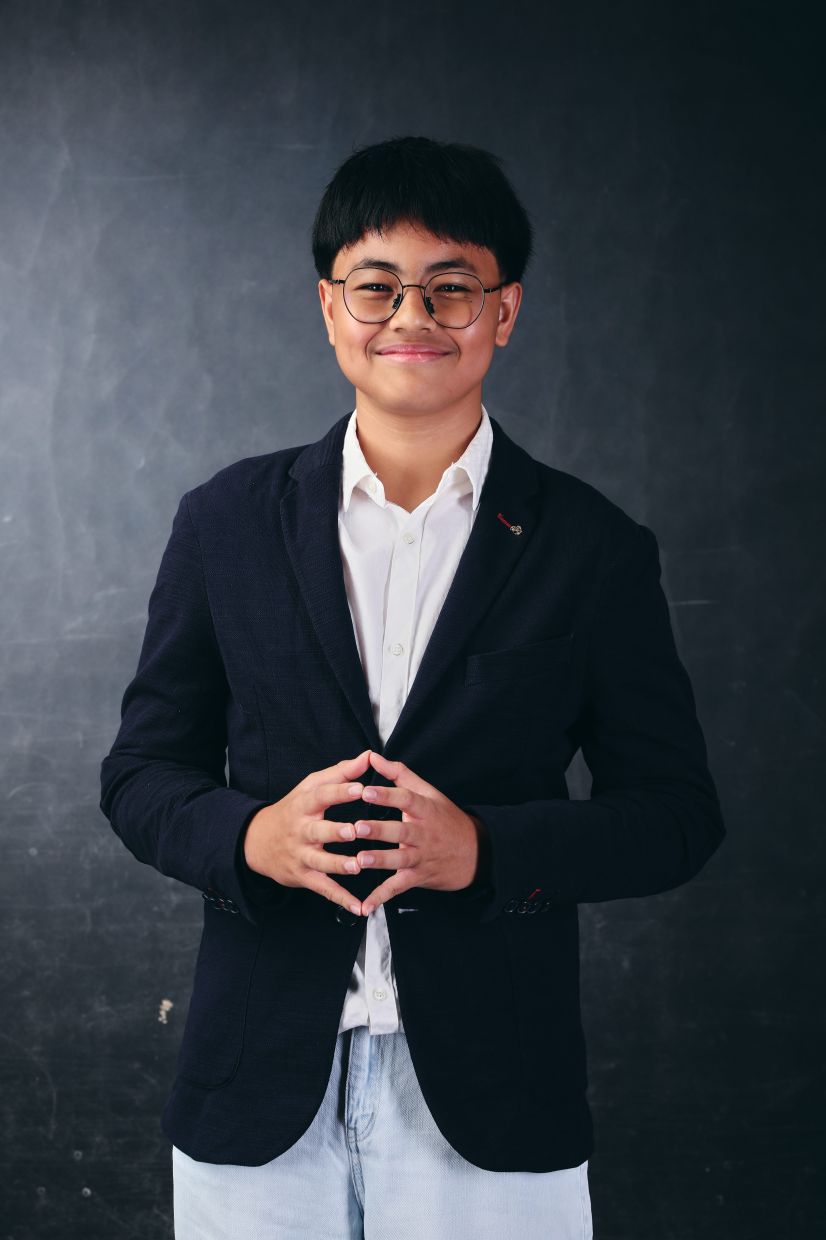
For Liew, You and their teammates Tanvi Sandeep, 15, and Muhammad Iman Zafran, what began as a shared interest in books has evolved into something far more ambitious: an AI-powered learning platform called Axuora Learn.
Their journey started through filming book reviews together for social media. But along the way, they began to notice something deeper.
“We realised many students struggle with exam preparation,” says You. “There are platforms out there, but they don’t really solve the core issue – students don’t know how to approach studying effectively.”
Instead of memorising content or relying on quick answers, the team wanted to tackle a bigger problem: how to help students think.
Their solution is an AI-driven platform designed not just to give answers, but to guide students through the process of arriving at those answers. It breaks questions down into layers, prompts users to think critically and even tests their understanding along the way.
“It’s like a virtual teacher,” Liew explains. “We don’t want students to just depend on AI for answers. We want them to understand the process.”
The platform also includes features such as a mock exam generator, which analyses past questions to identify patterns and key topics, helping students study more strategically rather than simply studying more.
At its heart, Axuora Learn – which they say will have a beta version launched soon – reflects a shift in mindset for exam learning: it’s not about how long you study but how well you understand.

Unlike earlier generations, these teens are growing up in a world where artificial intelligence (AI) is already embedded in daily life. They are not just users of technology; they are learning to shape it. But with that, they say, comes concern.
“Some students use AI to just look for answers,” Liew says. “That’s not true learning.”
You agrees: “AI should support creativity and critical thinking, not replace it.”
This belief has led them to facilitate “vibe learning” on the platform – a concept aimed at teaching younger students how to use AI effectively from an early age. The idea is simple: the earlier children learn to use technology responsibly, the better prepared they will be for the future.
Their long-term goal is to raise the overall level of AI literacy in Malaysia.
“We don’t want our generation to fall behind,” Liew says. “We want to make a difference.”
Of course, building a tech platform while still in school is no easy task. Their days are packed. School runs from morning until afternoon, followed by tuition classes for some. Evenings are often spent on meetings, coding, marketing or content creation. Late nights are common.
“Sometimes we work until 1am or even later,” Liew admits.
You often uses free periods in school to check in with teammates or work on content. Tanvi balances school, tuition and strategy planning, squeezing in time for meetings whenever possible.
It’s a demanding schedule, and not without challenges. At one point, the team lost significant progress when their files were accidentally wiped out.
“It was devastating,” You recalls. “But we knew it wasn’t the end.”
They regrouped, rebuilt and pushed forward – an experience that taught them resilience and problem-solving.
“Failure is part of the process,” Liew says. “You just have to get back up.”

While the Axuora team works on technology, Muhammad Iman Zafran – better known as Captain Book – is on a mission of his own: to make reading cool again.
In an age dominated by short videos and gaming, Muhammad Iman Zafran stands out. He reads, reviews and promotes books through engaging videos on social media, combining storytelling with performance.
“I want to encourage kids my age to read more,” he says. “Many prefer games, but reading is important.”
His passion began early – he started reading at just three years old, nurtured by his mother, a teacher who encouraged him to develop his language and public speaking skills.
Today, Muhammad Iman Zafran writes his scripts, presents his reviews on camera and collaborates with major publishers. His videos are lively, expressive and tailored to capture the attention of his generation.
Beyond social media, he also participates in storytelling competitions, book fairs and literacy campaigns. His efforts have earned him recognition, including awards for storytelling and features in youth publications.
Despite his busy schedule, Iman maintains a balanced routine: school in the morning, homework in the afternoon, and book- related activities in his free time.
“It’s manageable,” he says.
Muhammad Iman Zafran’s work also ties into the broader vision of the Axuora team. Together, they plan to launch reading clubs in schools, combining storytelling, public speaking and community engagement.
The idea is to make reading a shared experience rather than a solitary one – something fun, interactive and social.
“We want to connect students from different schools,” says Tanvi. “And encourage the habit of reading.”
They have already begun organising events, partnering with bookstores and helping to bring book-related activities into schools.
For them, it’s not just about promoting books – it’s about building a culture of curiosity.
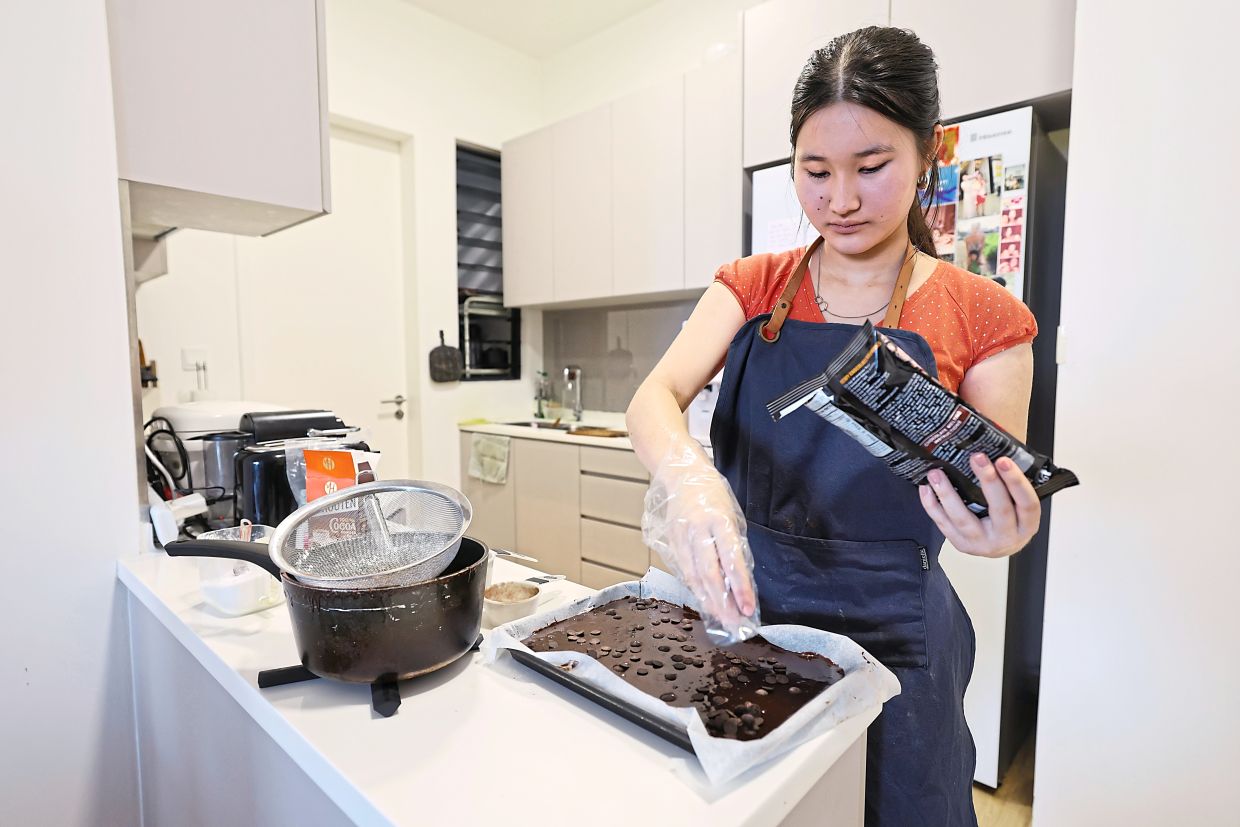
Not all learning happens in the digital or literary world. For Sophia, it happens in the kitchen.
What started as a hobby during the pandemic has grown into a small baking business. Inspired by her mother, Sophia began experimenting with recipes and eventually started selling brownies to friends and family.
“The first time someone bought something I made, I felt really proud,” she says.
Running a business while managing school hasn’t been easy. Time management is her biggest challenge, but it’s also one of her greatest lessons.
“I’ve learned to plan my time, manage money and be responsible with orders,” she explains.
Her baking has also deepened her appreciation for the effort behind everyday tasks – and strengthened her sense of independence.
Beyond earning income, Sophia uses her baking skills to give back. She occasionally prepares extra treats for security guards and cleaners in her area, and shares her creations with teachers and friends.
“It feels meaningful to make people happy through something I enjoy doing,” she says.

For Fong, entrepreneurship began as a solution to a problem: too much screen time.
Spending up to eight hours a day on his iPad, he was encouraged by his parents to try something different – something that would build real-world skills.
“My parents were concerned because I used to play a lot of games and watch You Tube and TikTok videos. So my dad advised me to switch up: Do something meaningful or helpful for at least two hours a day, instead of being on the screen.”
The result? A cookie business.
Starting at just seven years old, he began baking and selling cookies in his neighbourhood. What started as a simple activity quickly became a powerful learning experience.
“I learned how to talk to people, how to greet them and how to be confident,” he says.
Unlike many businesses, Fong’s focus wasn’t just on making money. His father emphasised values such as manners, resilience and financial literacy.
“He told me, ‘Not everyone will buy from you. And that’s okay. You just say ‘thank you’ and move on,” Fong recalls.
Through trial and error, he developed confidence and learned to handle rejection – skills that are essential in life.
Today, he balances homeschooling, exercise, chores and his business. He spends a few hours each week selling cookies, often in the evening. Fong also continues to improve his language skills by speaking to his customers in English, Bahasa Malaysia and Chinese.

What unites these young individuals is not just ambition, but perspective. They understand that academic success is important – but more is required.
“I believe studying alone isn’t enough in this generation,” Tanvi says. “We need skills and experience.”
This mindset reflects a broader shift among Gen Alpha. With access to information, technology and global opportunities, they are exploring paths that go beyond traditional expectations.
Liew aspires to become a technopreneur, while Muhammad Iman Zafran wants to be a software engineer. Tanvi is aiming for a career in medicine while pursuing entrepreneurial interests. Others, such as You, are open to non-linear career paths, combining multiple disciplines to build unique skill sets.
They are not rejecting conventional routes – they are expanding them.
And behind each of these young changemakers is a network of support – parents, teachers and mentors who encourage them to explore their interests.
For some, that support is unwavering. For others, it comes with hesitation or scepticism.
“Not all parents understand what we’re doing at first,” Liew admits.
But over time, as they demonstrate commitment and results, many gain the trust and backing they need.
Teachers, too, play a role by recognising and encouraging students’ passions beyond academics.
This support system is crucial. It provides the safety net that allows young people to take risks, fail, and try again.
What these stories reveal is a shift in how learning is defined among the young.
It’s no longer confined to classrooms or books. It happens in kitchens, online platforms, community spaces and even neighbourhood cafes. It involves coding, storytelling, selling, creating and connecting, and teaches resilience, communication, creativity and critical thinking. Most importantly, it empowers young people to take ownership of their learning.
As AI continues to reshape the world, the skills that matter most are also evolving. Technical knowledge is important – but so are human qualities: empathy, creativity, adaptability and communication.
These young Malaysians are already developing both. They are learning how, not just what to think. They are also learning how to create, not just consume, and how to lead, not just follow.
And in doing so, they are quietly redefining what it means to grow up in today’s world.
“We just want students to know they have options – and that they can create something meaningful,” Liew says.
In a rapidly changing future, that may be the most valuable lesson of all.
Young minds, real impact
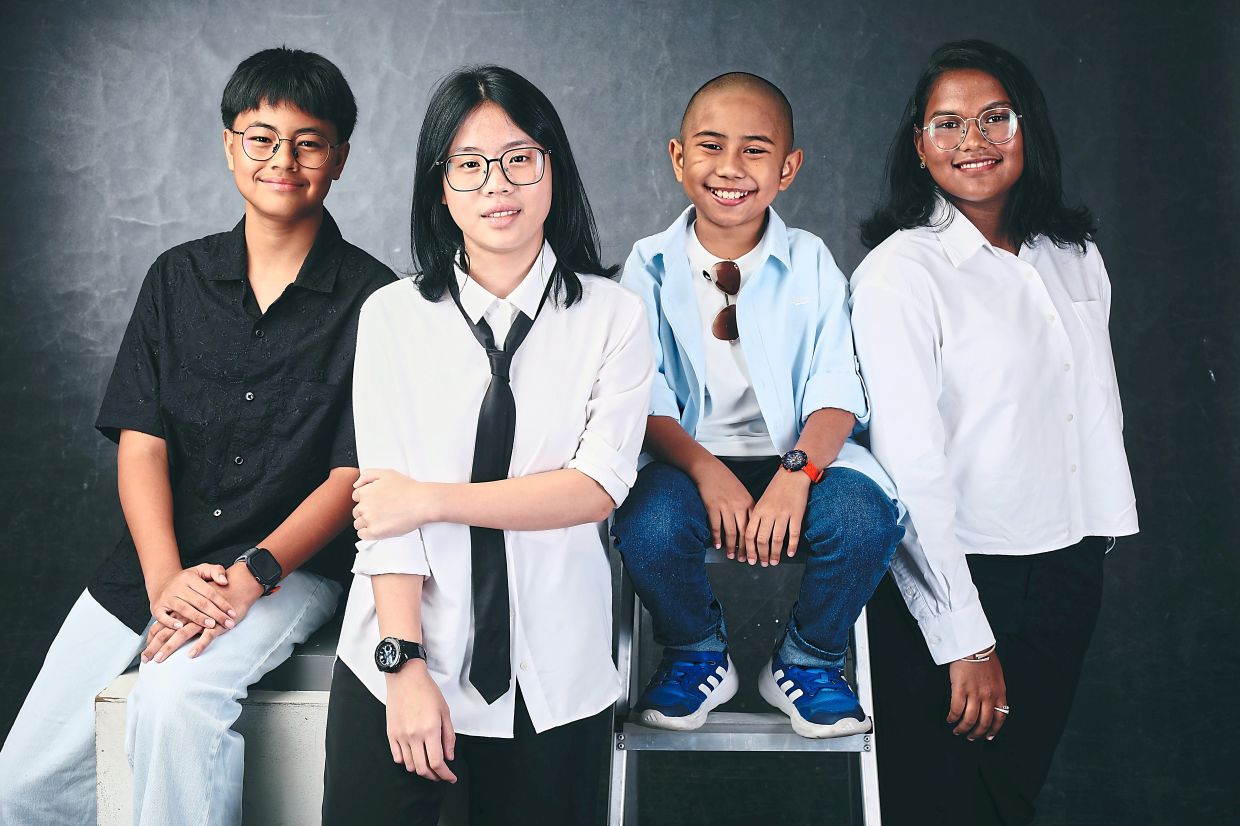
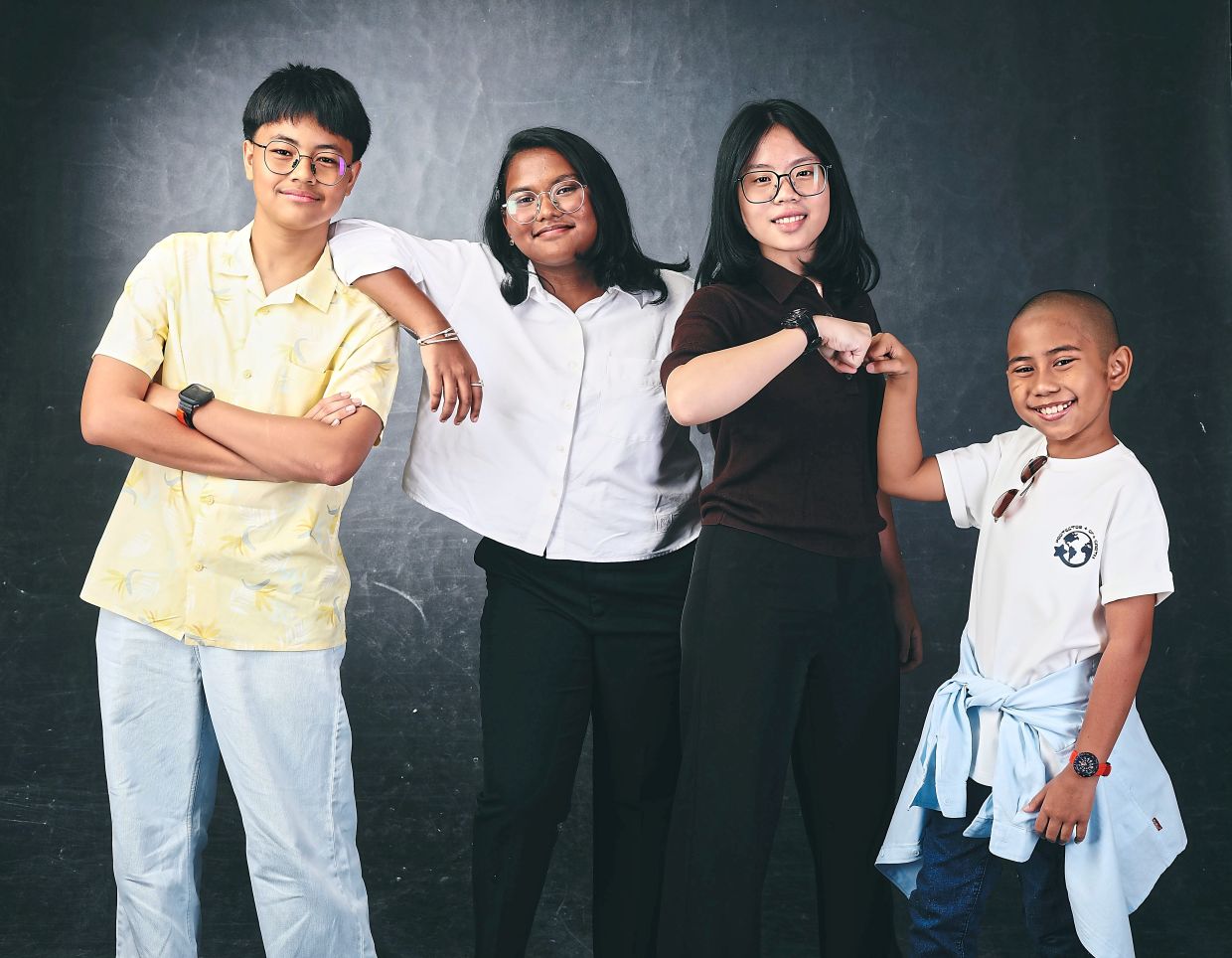

(From left) Liew, You, Muhammad Iman and Tanvi, are part of a growing wave of Malaysian Gen Alpha children who are redefining what it means to 'learn'.
For (from left) Liew, Tanvi, You and Muhammad Iman, education doesn't stop at textbooks or exams. It extends into real-world problem-solving, entrepreneurship, creativity, and increasingly, technology.
Tanvi says the group wants to connect students from different schools and encourage the habit of reading.
Sophia says she finds meaning in making people happy through something she enjoys doing.
It feels meaningful to make people happy through something I enjoy, says Sophia.
(Left) Muhammad Iman Zafran started reading at just three years old – nurtured by his mother, a teacher who encourages him to develop his language and public speaking skills.
'I learned how to talk to people, how to greet them, and how to be confident,' says Fong.
Liew says he wants his generation to make a difference.
There are platforms out there, but they don’t really solve the core issue – students don’t know how to approach studying effectively, says You.
As AI continues to reshape the world, the skills that matter most are also evolving. Technical knowledge is important – but so are human qualities: empathy, creativity, adaptability and communication. Photo: Freepik