
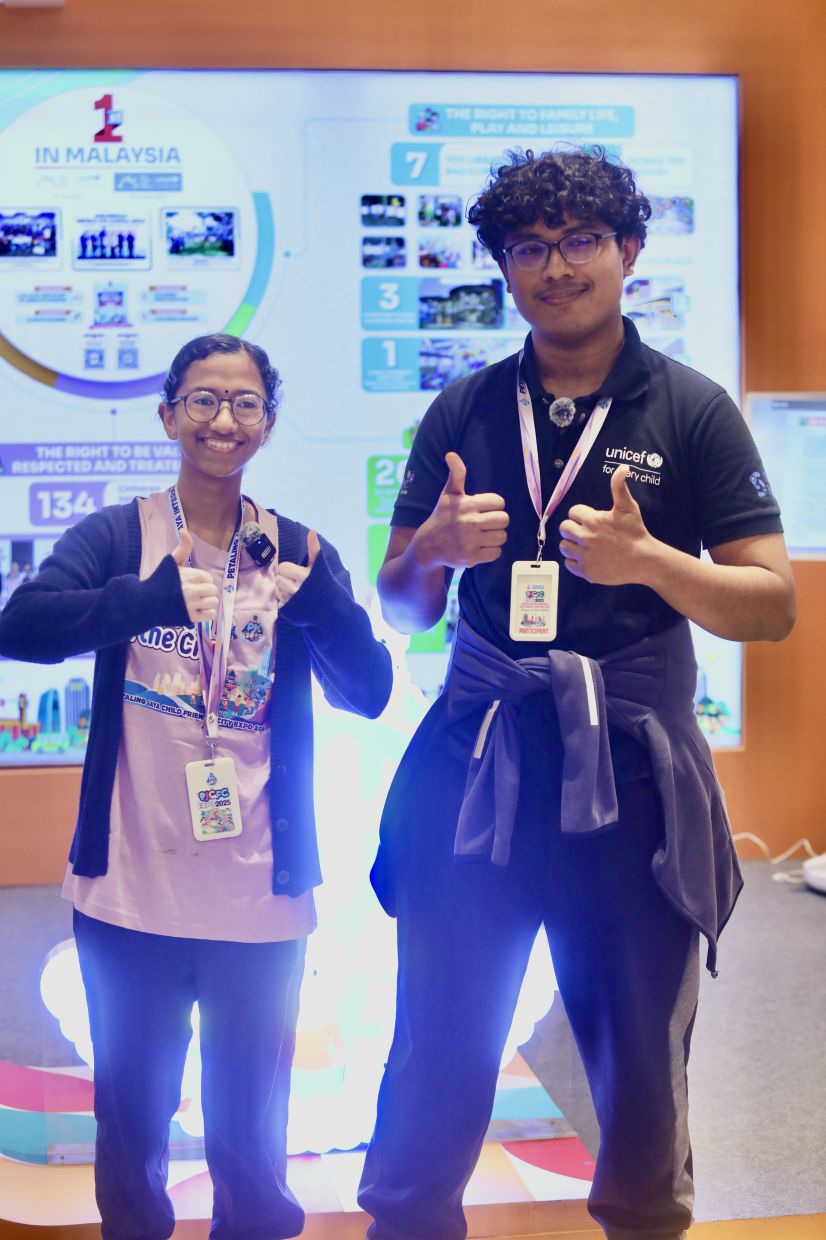
A child-friendly city is one where every child matters in the planning, says Lenin B, 18, vice-president of the Petaling Jaya Child Council (PJCC), during a recent Unicef-Petaling Jaya City Council (MBPJ) field visit.
“We need to include the voices of children when we plan and implement different aspects of the city – infrastructure, systems, even communication – so that it is designed with the best interests of children in mind,” he says.
PJCC member Tharanah T, 16, adds a perspective that is simple yet profound. “A child-friendly city is a city where children can roam without fear – without feeling disturbed, harassed or unsafe,” she says. “It should be inclusive, accessible, colourful and easy for children to understand and relate to. Children’s voices matter a lot nowadays because children face more challenges than before.”
From Unicef’s standpoint, the concept goes beyond colourful playgrounds and safer streets.
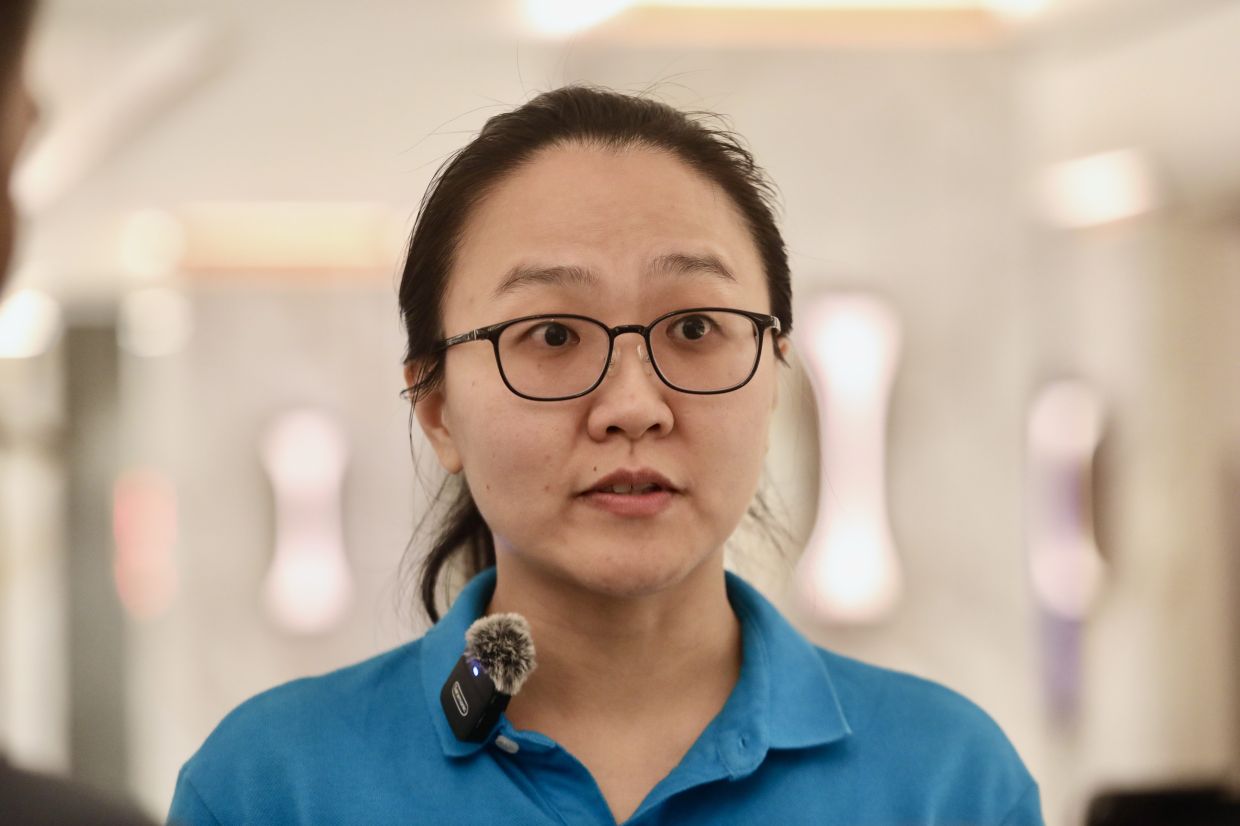
“What we advocate for is child participation,” explains Unicef Malaysia social policy specialist Tham Yin Yee. “For spaces to be designed for children, we should ask them what they want, need and like. That is our core principle.”
Together, these voices capture the essence of why Petaling Jaya became Malaysia’s first city recognised under Unicef’s Child Friendly Cities Initiative. It is not because of a single flagship project, but from a mindset shift: from designing for children to designing with them.
PJ’s child-friendly journey began with formal structures such as PJCC, where children aged six to 17 are invited to participate in decision-making. Yet, as Tham notes, the process is still evolving.
“Child participation is not yet the norm in Malaysia or Asia. We are still learning how to listen to children and respect their views,” she says.
Each cohort of PJCC has brought improvements, including more intentional diversity – ensuring children from different socioeconomic backgrounds, gender, as well as disabled children, are represented. Adults too, are being trained on how to engage with children meaningfully, while children are supported to express their views confidently and constructively.
This philosophy comes alive most clearly on the ground, in everyday spaces that children use.
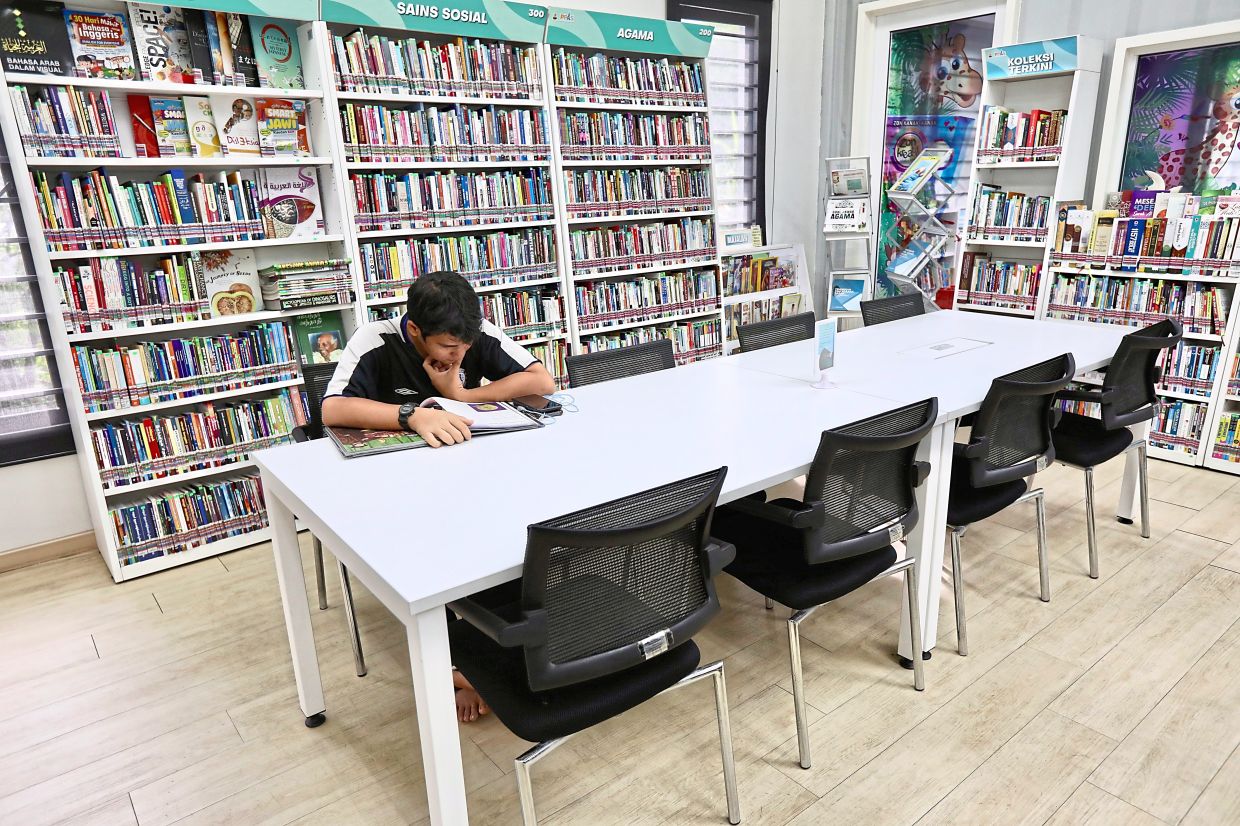
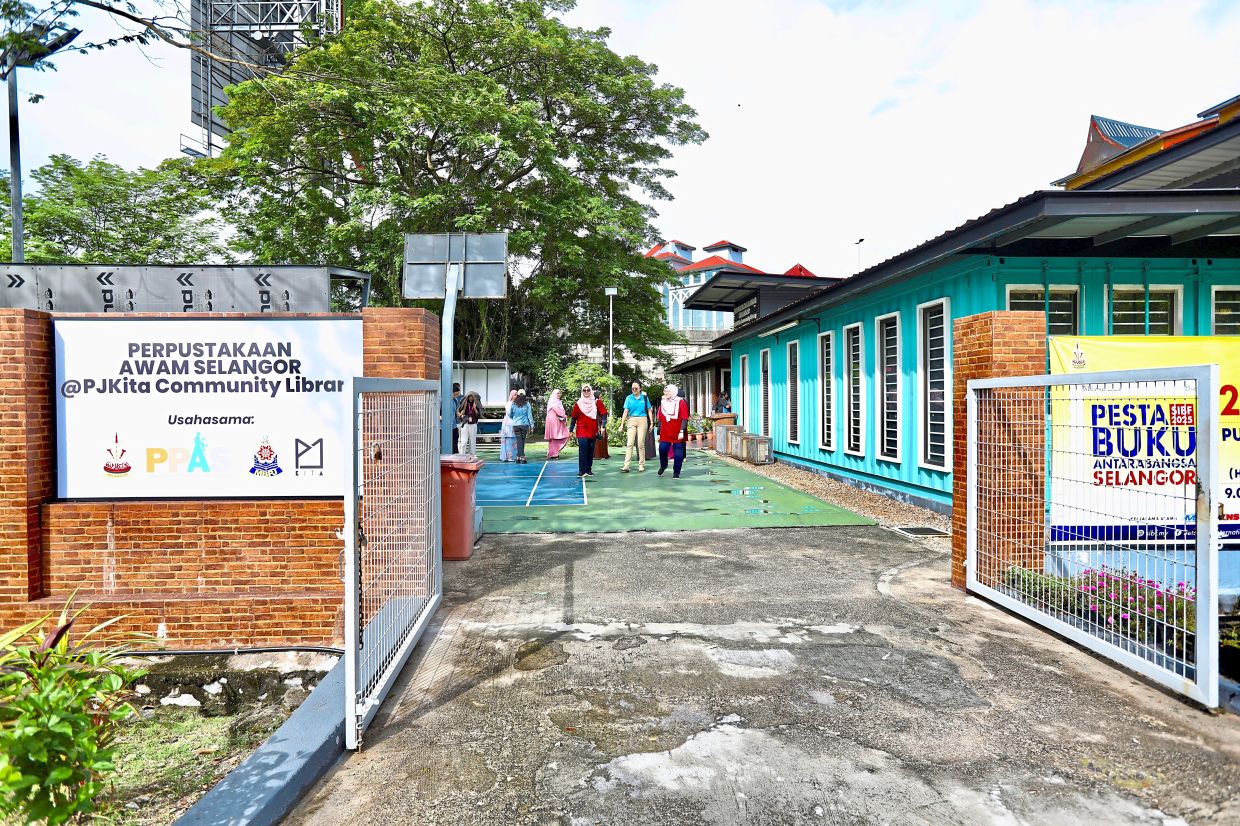
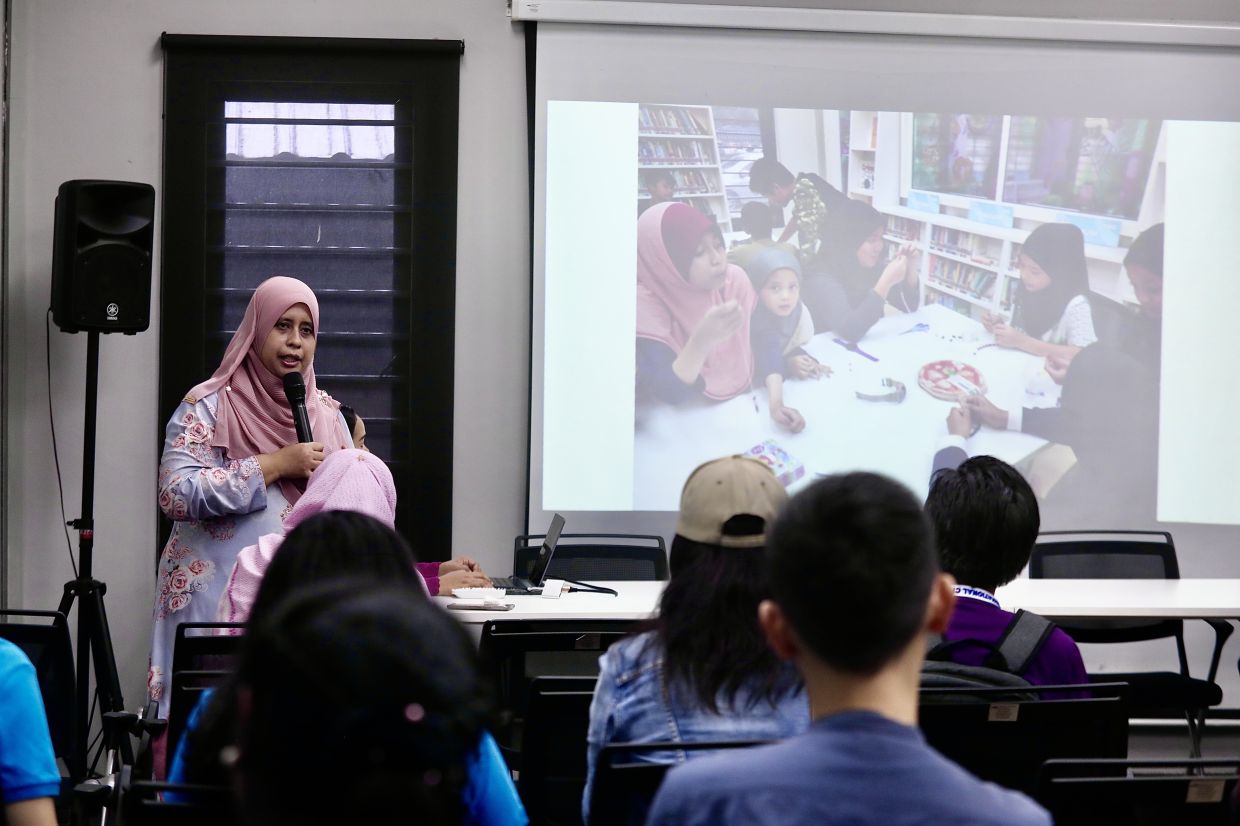
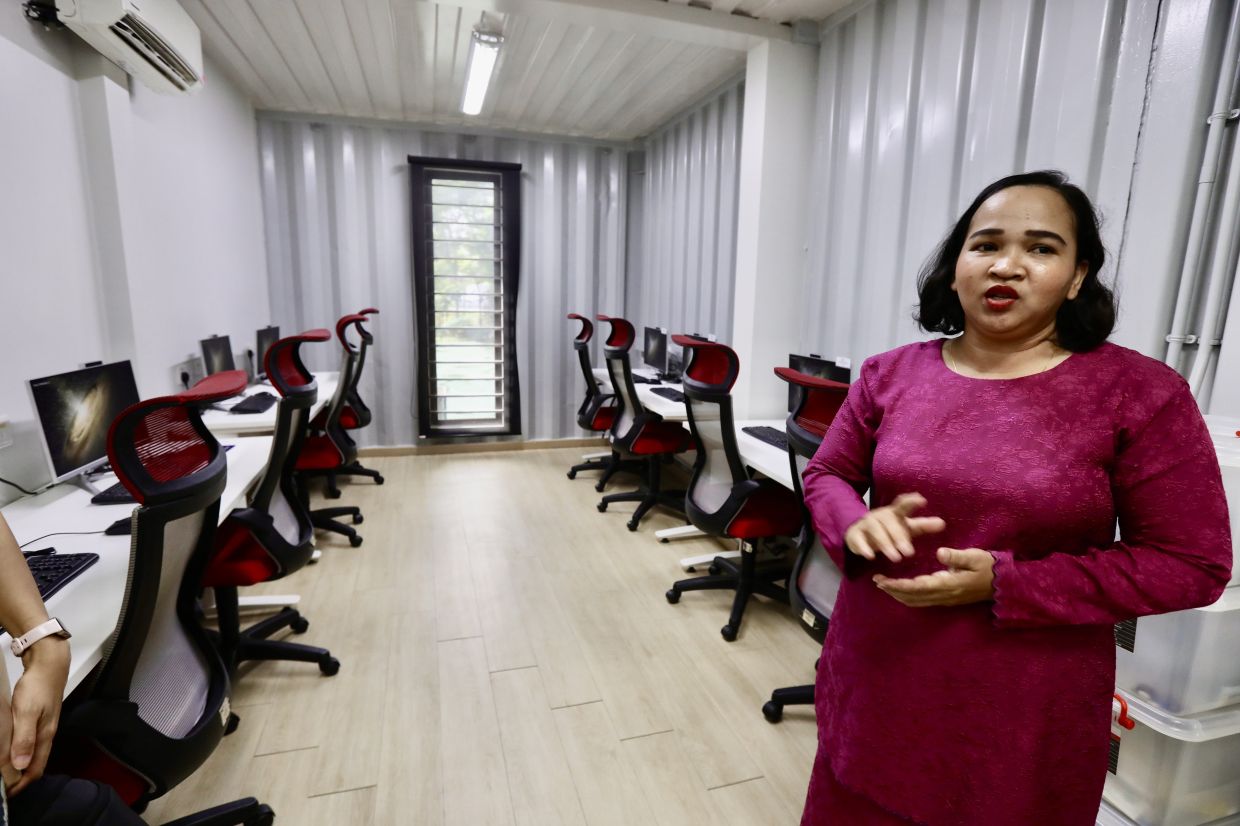
At Kampung Lindungan, the PJKita Community Library is more than a place to borrow books. Built from repurposed shipping containers, it was created after the community identified a need for a safe space where children and young people could gather.
“Before this, the area was abandoned and unsafe,” recalls assistant librarian Hikmah Hassan.
“Now, children come here to study, read, do homework, use computers and meet friends. For some, we have become like a parent or teacher figure – someone they can trust.”
The library integrates sports facilities (including a basketball/badminton court and a ping pong table), a community garden, an outdoor cinema and learning spaces, encouraging intergenerational interaction. Senior citizens from the community guide youth in aquaponic farming, while librarians ensure learning comes before screen time.
“It’s not a typical library,” adds assistant librarian Grace Anak Dingin. “It’s a space where parents feel comfortable letting their children stay, even when they need to run errands. That sense of safety is very important.”
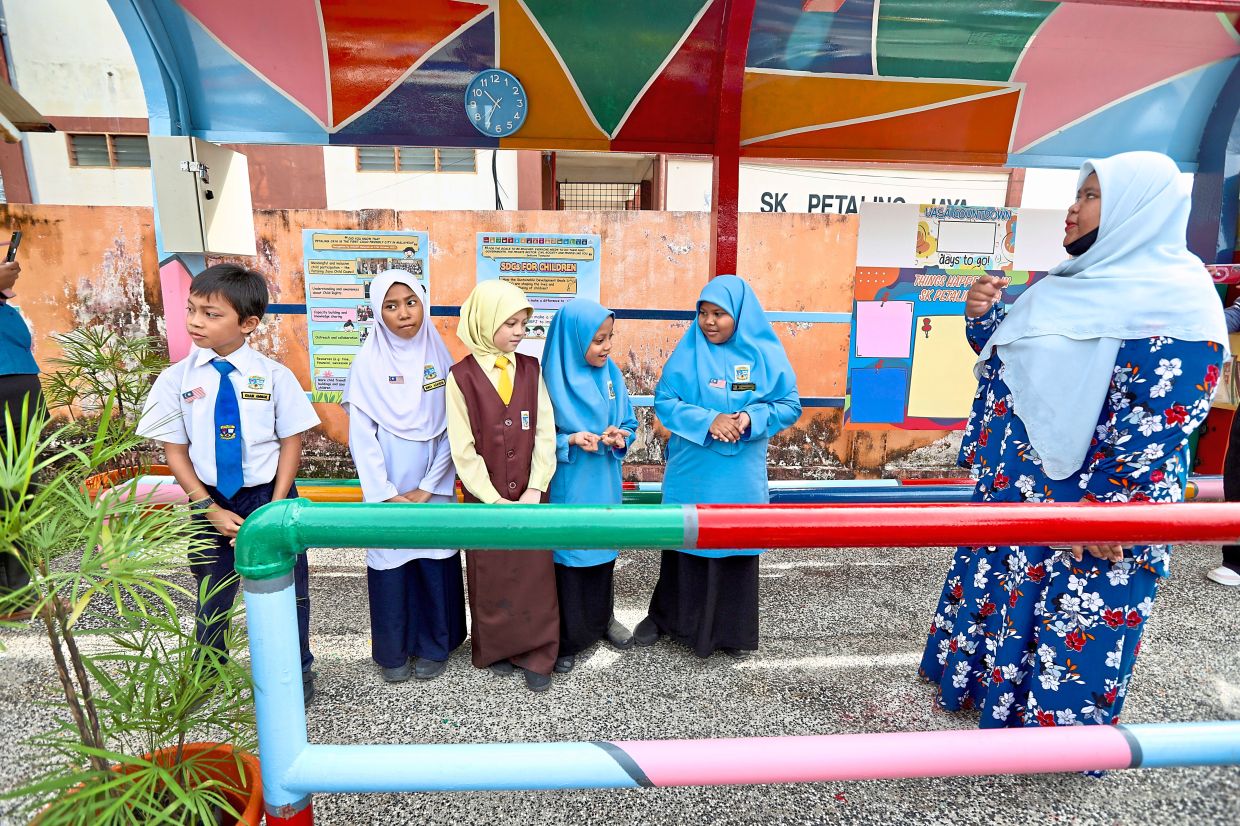
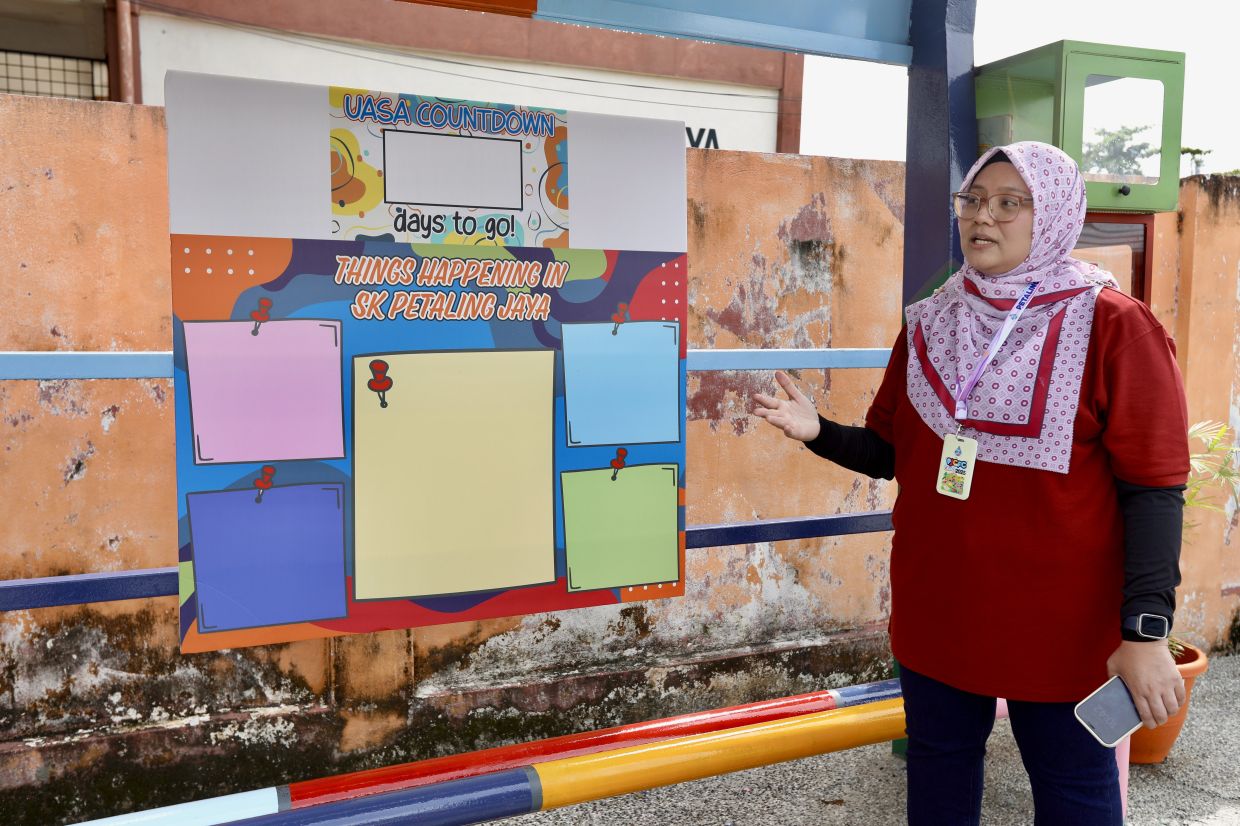
A short drive away, a cheerful bus stop outside SK Petaling Jaya demonstrates how even the most mundane infrastructure can be rethought through children’s eyes.
Solar-powered lighting, bookshelves and interactive elements were all proposed by students during dialogue sessions with the city council.
“As adults, we cannot assume we know what children want,” says MBPJ assistant director (development planning) Norsyuhadah Norzalwi.
“In one school, girls asked for a punching bag while waiting for the bus. In another, the boys didn’t want one at all. That’s why listening matters - different children have different perspectives and needs.”
Rather than building from scratch, MBPJ refurbished existing bus stops, keeping costs manageable while steadily expanding the programme.
The long-term goal, she says, is for every school in PJ to have a child-friendly bus stop shaped by its own students.
Child-friendly cities also require private sector participation.
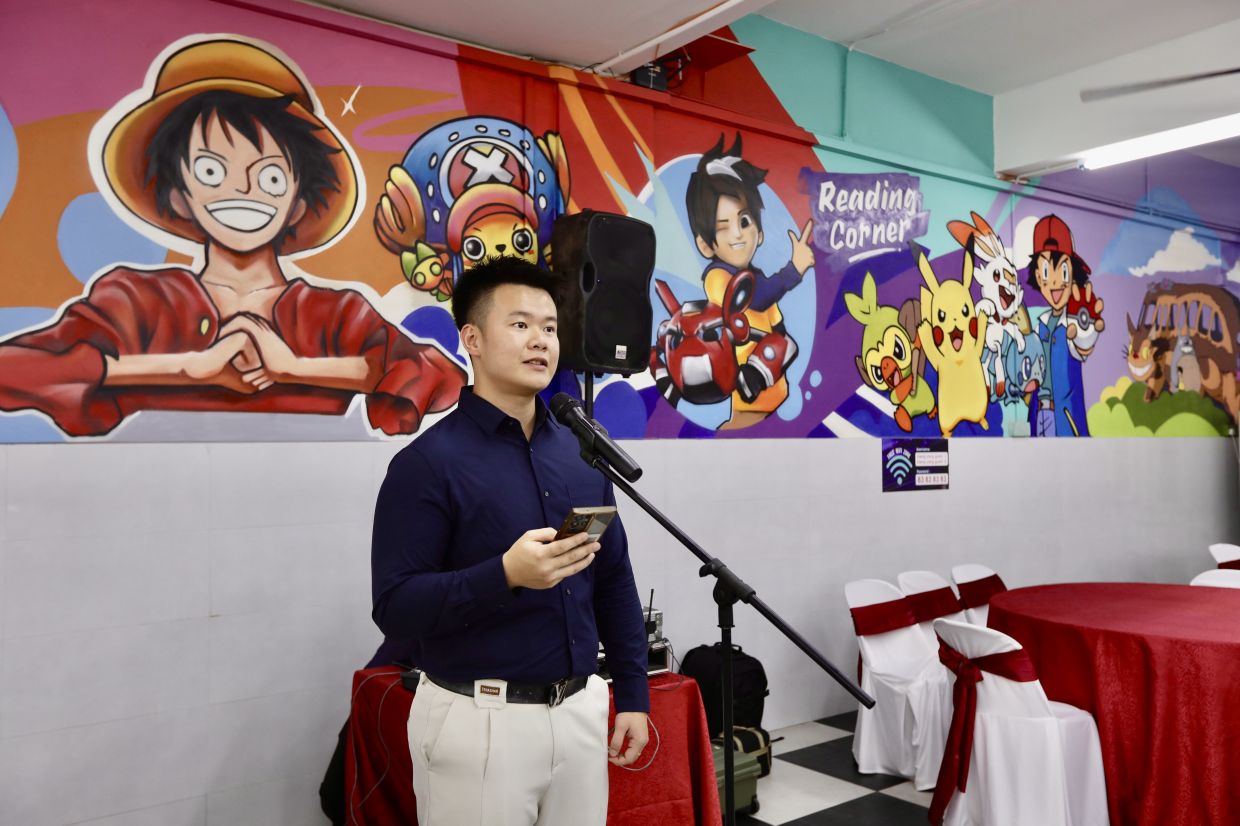
Restaurant Meng Yang Two became the city’s first officially recognised child-friendly restaurant after collaborating with MBPJ and PJCC.
“When PJ was recognised by Unicef as the first child-friendly city, I asked myself how our restaurant could contribute,” says co-owner Gan Kar Qing.
That question brought them to MBPJ and PJCC and discussions were held.
“We spoke to the children and they told us what made them feel safe and happy. And those comments shaped everything, from the layout to the colours and facilities.”
The result is a space that includes an air-conditioned nursing room, calming room for neurodivergent children, child-friendly toilet and an indoor playground, offering peace of mind for families and redefining what family-friendly dining is.
More importantly, these cities are encouraged to begin with situational analyses that involve children from the start.
“Don’t wait,” Lenin urges other local governments. “Start listening to children – their hopes and aspirations – and take steps to implement child rights into city planning. It’s not a waste of funds. It’s necessary.”
For Tharanah, the message is just as clear. “Child councils help kids voice out their needs, especially those who are shy. When adults listen, cities become better for everyone.”
Petaling Jaya’s experience shows that being child-friendly is about everyday choices – asking, listening and acting.
And in doing so, it offers a compelling blueprint for cities across Malaysia to build not just for children, but with them, concludes Tham.
Designing cities with children
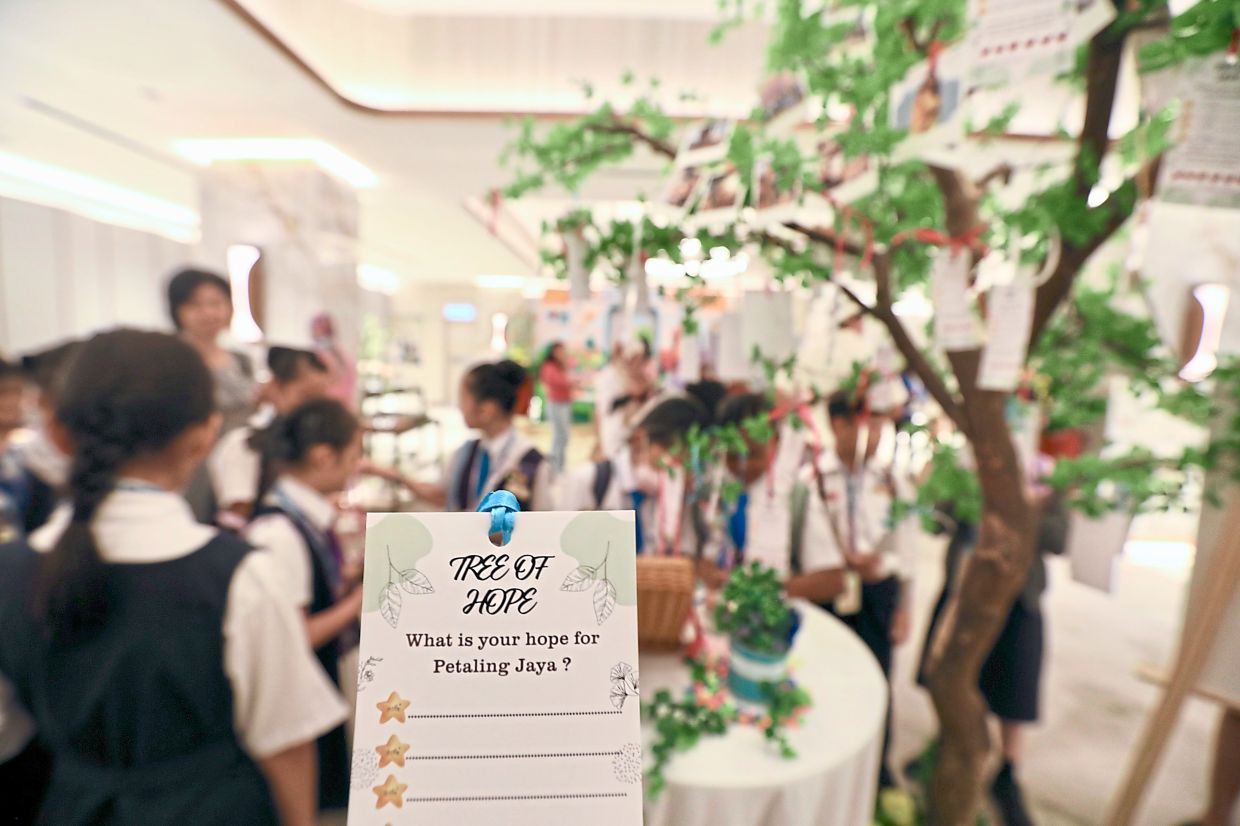
The first step in creating a child-friendly city is listening to children. Pictured is the Tree of Hope where both adults and kids can share their hopes for Petaling Jaya.
PJKita Community Library in Kampung Lindungan is one of the child-friendly spaces in the city.
The PJKita Community Library has become a second home for kids who live nearby.
Schoolchildren at the child-friendly bus stop at SK Petaling Jaya.
For spaces to be designed for children, we should ask them what they want, need and like. That is our core principle, says Tham.
Youth from PJCC (from left) Tharanah and Lenin, share what being a child-friendly city means.
The children come to the PJKita Community Library to study, read, do homework, use computers and meet friends. For some, we've become like a parent or teacher figure – someone they can trust, says Hikmah.
Many children from the area come to use the computers at the library for online games, but we insist they read books and finish their homework before screen time, says Grace.
As adults, we can't assume we know what children want, because different children have different perspectives and needs, says Norsyuhadah.
We spoke to the children and they told us what made them feel safe and happy. And those comments shaped everything, from the layout to the colours and facilities in the restaurant, says Gan.