
In many homes, the weeks and months before the Chinese New Year come with the familiar swish of brooms, the smell of detergent and the decluttering of cupboard shelves.
Known as "sao nien", or “sweeping away the old year”, the tradition is believed to clear out last year’s bad luck and stagnant energy to make way for prosperity and good fortune.
But talk to modern families and you’ll find something deeper happening between the wiping and sorting: conversations, memories, quiet lessons and a kind of emotional reset that no mop can achieve.
At its core, spring cleaning before Chinese New Year is less about dust, and more about family, feelings and fresh starts.
“For us, spring cleaning is really a reset – emotionally and mentally,” says Danielle Peita Graham, 46, who does the annual clean-up with her children, Sophia, 14, and Ben, 16.
“It’s a way to reflect on the year that’s passed and create space for new beginnings. A tidy home feels like a fresh start for all of us,” says Graham.
That sense of renewal is something professional tidying experts see often.

But across Asian traditions, she explains, spring cleaning is linked to restoring the flow of energy.
Items we’ve already decided we don’t want – but still keep – can create a kind of emotional and mental stagnation.
“When we clear stuff with intention, we’re not just tidying,” says Jo-Rushdy, who is known as Malaysia’s first KonMari consultant before she relocated to Scotland.
“We’re lifting the energy of our environment. People often say they feel lighter, calmer and clearer thereafter,” adds Jo-Rushdy, who has helped clients worldwide declutter and “spark joy” in their homes and lives.
Beyond tradition and symbolism, there’s a very simple reason spring cleaning feels so necessary.
“Clutter increases mental load,” Jo-Rushdy explains.
“When our environment is full of unfinished decisions and unused items, it can feel mentally draining and distracting.”
At a time when families juggle work stress, school schedules, social obligations and digital overload, the home is meant to be a sanctuary. Yet when cupboards overflow and surfaces disappear under piles of stuff, the home starts to mirror internal chaos.
“A clear space supports emotional regulation and calm,” she says. “It helps people feel more grounded and capable.”

“Some people think it’s just physical, but it affects emotions too. Letting go of things helps us practise letting go in life – of guilt, fear or past versions of ourselves.
“And this is important not just in preparation for the new year, but can be practised periodically throughout the year, so that it doesn’t overwhelm when it’s time to spring clean for the new year.”
Chiok adds that cleaning removes dirt on the surface, but tidying confronts the self, which is internal. Both are necessary in the spring cleaning process, she says.
“You can’t clean the surfaces in the home if you don’t first tidy up because all the items will be in the way.
“When you tidy, you’re asking, ‘Why did I buy this? Why did I keep it? Does it still suit my life?’ It becomes self-reflection,” says Chiok.
“Many people focus on what to throw away. But if you shift to asking what you want to keep – what you love – it feels more positive and less overwhelming.”
Despite the good intentions, many families freeze before they even begin. The thought of tackling the whole house before the festive rush feels exhausting.
“The biggest mistake is trying to do everything at once,” says Jo-Rushdy. “Feeling overwhelmed comes from thinking you need to complete the entire house in one go.”
While some people do that, she encourages families to start small and contained – one drawer or cupboard, one category such as bags or shoes, or even just clearing surfaces – and then progress from there.
“Spring cleaning doesn’t have to be an all-day marathon. Even 15 to 30 minutes each day can make a real difference.”
Mindset is just as important as method.
“Instead of asking, ‘What should I get rid of?’ ask, ‘What do I want to carry into the new year?’ That mindshift reduces stress and creates clarity,” advises Jo-Rushdy.
Chiok agrees that the way we frame the task changes every-thing.
“Many of us grew up hearing scolding – impatient parents reprimanding their children – around cleaning, so we associate it with stress,” she says. “But if families treat it as reflection time – looking at what we love, what we’ve outgrown, what we’ve learned – it becomes meaningful.”
Chiok also points out a practical issue that keeps homes stuck: tidying by location rather than by category. Clothes scattered across rooms, boxes hidden in storerooms, and items stored “just in case” make it impossible to see the full picture.
“When you gather everything in one category, you see how much you actually own. That awareness changes future buying habits,” she says. “Tidying teaches us to live with intention.”
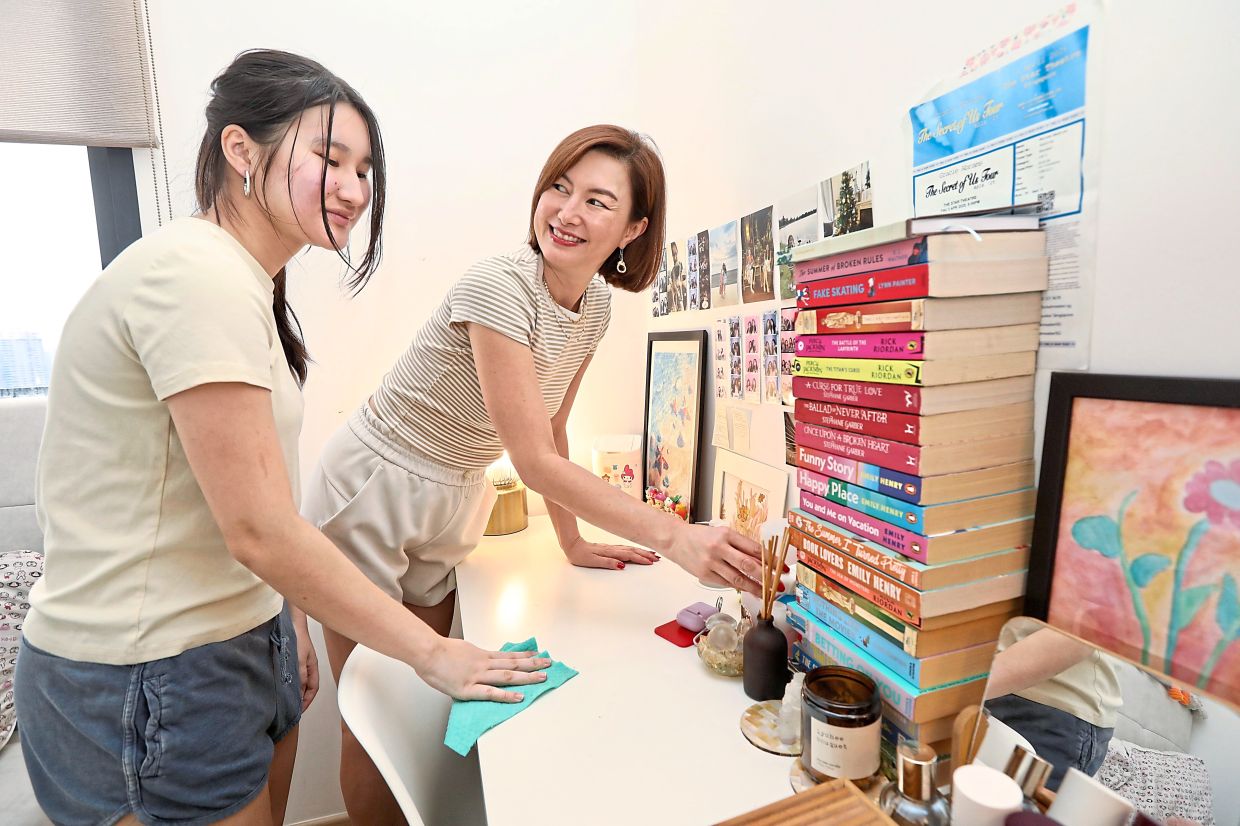
In Graham’s home, spring cleaning feels almost ceremonial.
“We play music, open all the windows and use palo santo (a type of plant) or sage to cleanse the space,” she shares. “It feels more like a ritual than a chore – setting intentions, clearing old energy, welcoming a fresh start.”
Her children sort their own belongings, deciding what to keep or donate.
“I guide them but I let them make choices. It helps them feel involved, seen and heard.”
That participation is key, says Jo-Rushdy.
“Often, women carry the whole mental load of spring cleaning. But it can become a family reset instead of invisible labour. Every family member should take responsibility for their own belongings. It builds confidence in children and respect for shared space.”
Simple shifts help: short timed sessions, giving each person ownership over their items, and framing it as “choosing what we keep” rather than “throwing things away”.
For many families, the most difficult part isn’t scrubbing tiles – it’s letting go.
“The hardest part is sentimental items,” Graham admits.
“But while sorting, we end up talking about memories, growth and even emotions. It naturally creates reflection and connection.”
Spring cleaning can also double as storytelling time. A small shirt sparks laughter about how tiny someone once was. An old drawing brings back a school memory.
Decisions about what to keep often turn into conversations about who the family is now.
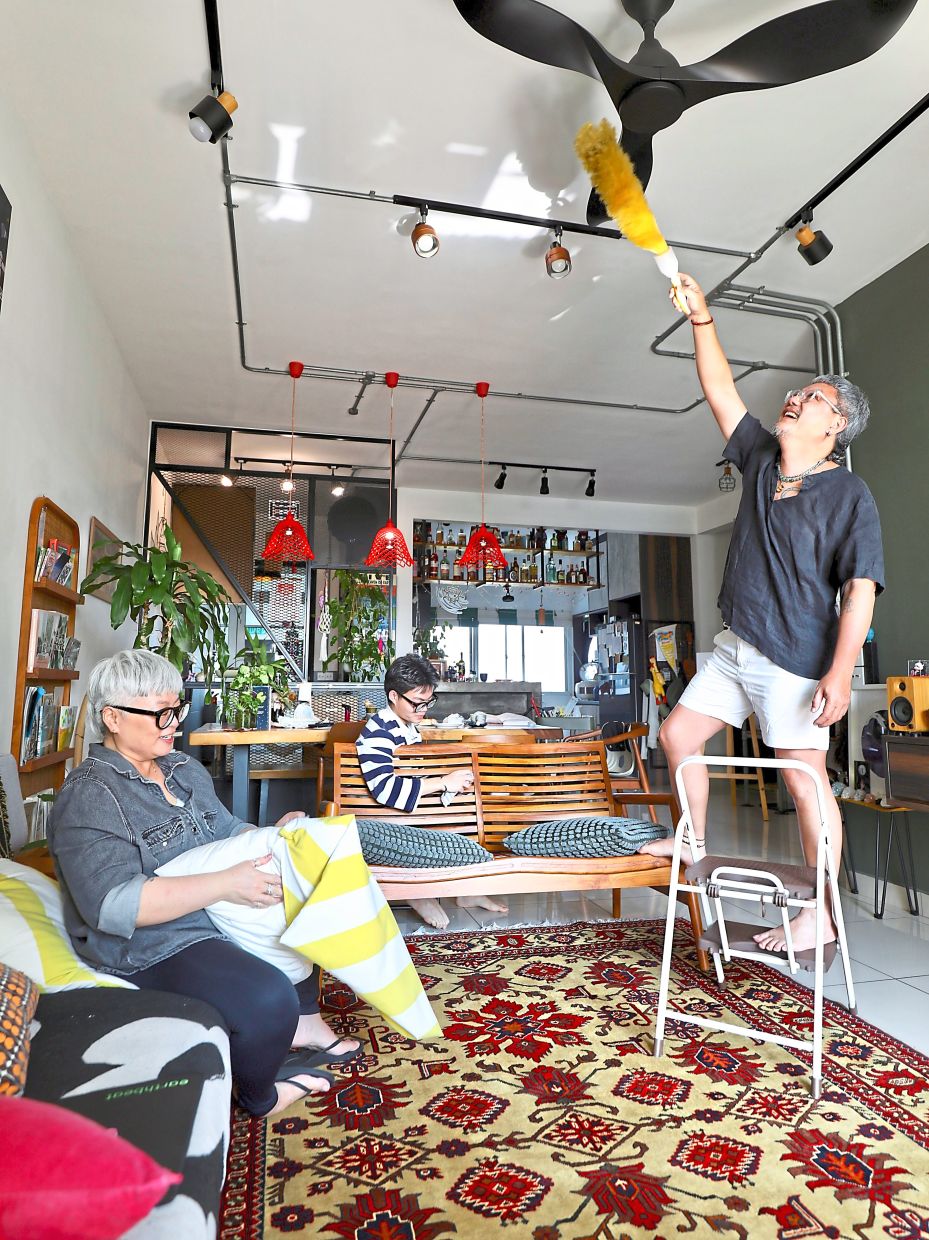
“In our old house, we spring cleaned just before CNY because relatives were coming.
“It was exhausting and after CNY, everything went back to square one,” she says. “I didn’t like that mindset.”
After moving to a condo, she changed her approach. She now tidies in small, regular sessions throughout the year.
“Keeping our space light helps our mind to stay light too,” she says.
“I don’t want my space, or my mind, to be overflowing with things.”
Does spring cleaning affect luck? Maybe. But harmony is easier to see, she ponders.
“If you walk into a messy home, you won’t feel happy,” says Liew.
“Shoes everywhere, dishes unwashed – over time, it creates stress and might result in small arguments. But when the space is clean, it feels warm, welcoming and safe: a home you want to come back to.”
Her children have daily responsibilities, and shared spaces are maintained together.
“Because of this, I don’t need to shout so much,” she jokes and laughs. “Everyone knows their role.”
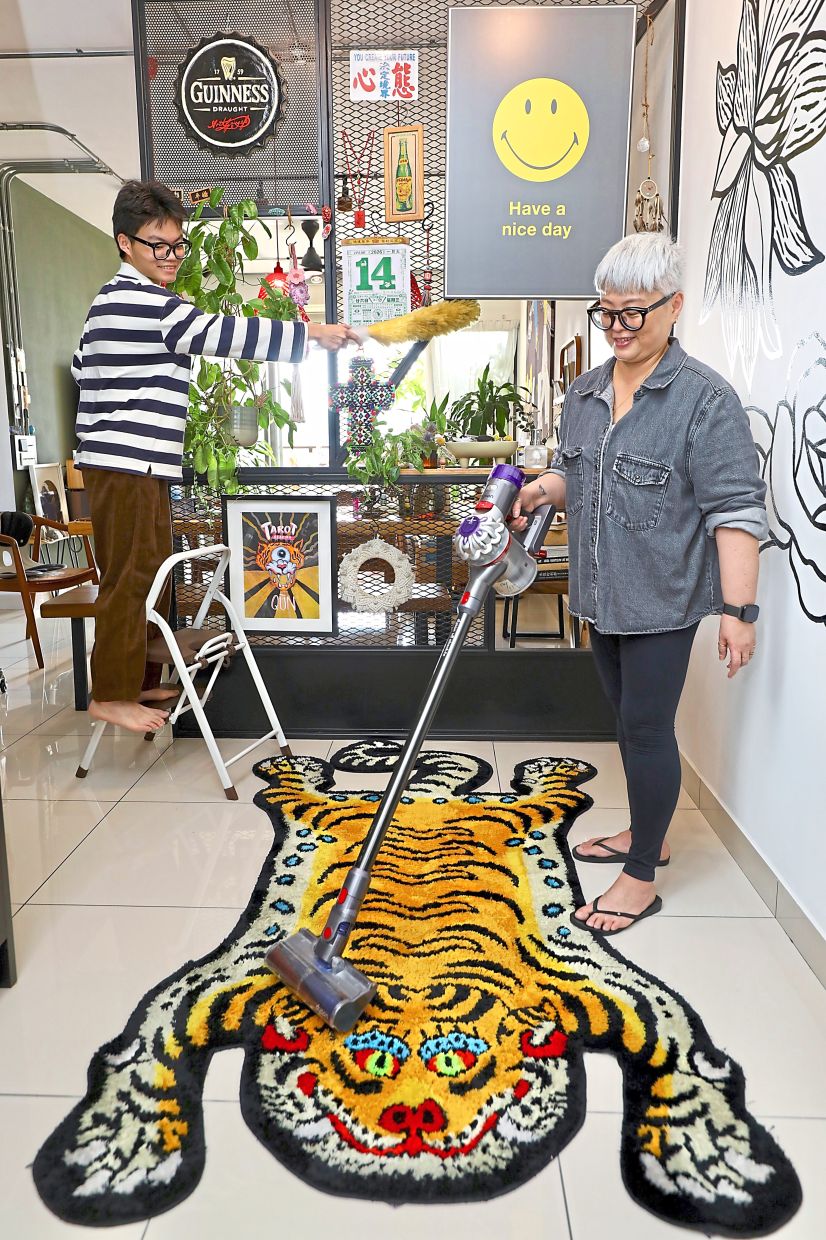
It becomes an act of gratitude rather than loss.
“I want my children to learn that it’s okay to release things and habits that no longer serve them and to appreciate what they already have,” Graham says.
In Liew’s family, this mindfulness in tidying has also changed their spending habits.
“Before buying, we check what we already have. It prevents overload.”
Underneath the tradition lies something practical and tender – a chance to pause together.
“Spring cleaning invites families to ask not just ‘What should go?’ but ‘Who are we becoming?’ and ‘What kind of home do we want to live in this year?’” says Jo-Rushdy.
“The dust and dirt leaves. The space opens as items are given away or returned to their proper storage.
“And somewhere between the donation pile and the wiped-down shelves, families find something unexpected – not just a lighter house, but also lighter hearts,” adds Chiok.
Because in the end, a home isn’t just a place you clean, but a feeling you build together, Jo-Rushdy and Chiok conclude.