
At 95, Annie Verghese is certain of one thing: She has lived a good life and, for that, she is unapologetically content.
She has no list of wishes left undone, no nagging “what ifs”. In fact, when asked if she has any regrets, she gives an immediate, unshaken answer: “No.”
All of it – staying single, travelling (including to parts of the world she never had the chance to visit), and a long, meaningful teaching career – has played out as it should. She says, very matter-of-factly: “I’m happy with what I did, with what I had.”
“I have lived a good life,” she says, her voice remarkably resonant for a woman nearing her centenary. “I have good friends and relatives. I am ready to go anytime God wants me. I have no regrets.”
This absolute certainty, together with her self-confessed “quick-tempered and no-nonsense” character, is what defines Annie.
As she talks about all the things that she loves – her large family, her years as a teacher, and her passions for gardening and travel, Annie reveals the layers of her personality: She’s someone who is practical, grounded, and deeply rooted in family.
She believes in not holding on to any one place or era, a philosophy that speaks to the quiet strength of letting go, and moving with where life takes you.
From colonial Malaya to modern-day Malaysia, from steamship voyages to England to later travels across America and beyond, Annie’s life is not just long and fulfilled; it is richly textured, purposeful, and deeply connected.
Yet, long before the travels, the teaching career and the decades of independence she would witness, her life began in a very different world that was shaped by family, loss, and a home that was always full.
The headquarters
Born in 1931 at Klang Hospital in Selangor, the first-born to parents who had migrated from Kerala, India, Annie’s early years were shaped by a large, bustling household – and later, by loss.
Her mother passed away when she was just 14, while her father had to return to Kerala to care for his elderly parents.
From then on, she and her siblings were raised by their uncle and aunt in Klang – a home that would become the family’s “headquarters”, as the clan fondly dubbed it, for it was a place their extended network convened.
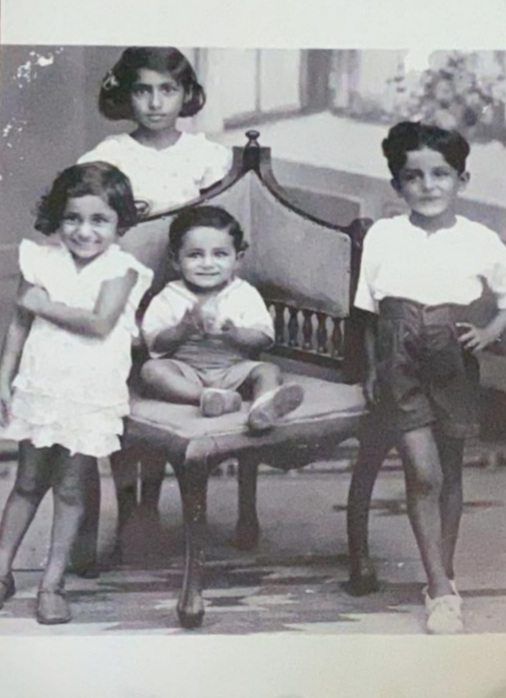
Moving into her uncle and aunt’s home became a defining period in her life that laid a foundation that shaped her character, resilience and outlook on life.
“There were four of us – two boys and two girls,” Annie recalls. “My uncle and aunty had six children of their own, so there were 10 children altogether.”
Add to that a steady stream of boarders from Banting, Kuala Lumpur and beyond, and the household often swelled to around 20 people at any one time.
“We had our share of work to do,” Annie says. “But we enjoyed it.”
Everyone had a role to play, she says. Life back then revolved around shared responsibilities – cooking, cleaning, tending to the home – and an easy, communal rhythm. Food, in particular, was at the heart of daily life. Meals were always cooked at home, often in large quantities, with ingredients that were fresh and close at hand.
Eventually, cooking for large numbers became second nature to Annie.
“If you can cook for one, you just multiply it,” she says with a practical shrug. “There were cows for milk, which was turned into yoghurt and butter, and vegetables grown on the land around us,” she says.
That connection to the land ran deep. The family lived on a large plot where they grew much of what they ate, and gardening was simply part of life.
“We are gardeners by nature,” she says. “It’s in our blood.”
Fruit trees dotted the grounds – including durian trees that would later become the stuff of family lore. What began as two trees eventually grew into an abundance, with as many as 20 on the property.
When the durians fell, Annie remembers racing out into the grounds, with her uncle, to collect them.
“We could hear them fall from inside the house,” she recalls. “We would run and pick them up.”
But there was a twist. Her aunt preferred to sell the fruit, so the children would quietly hide their finds – only bringing them out one by one to eat.
“She would ask, ‘Why only two durians today?’” Annie recalls, with a smile.
Like any childhood, hers was filled with its share of mischief.
She remembers climbing trees and “stealing rambutans” with her cousin Alice Chacko, who is two years her junior, only to be chased off by an angry neighbour.
Fearing a scolding from their grandfather, the girls would hide in the garden for hours before daring to return home.
“We were naughty,” she admits with a laugh, adding that her childhood was coloured by outdoor games, shared work, and close friendships across communities.
Stepping out into the world
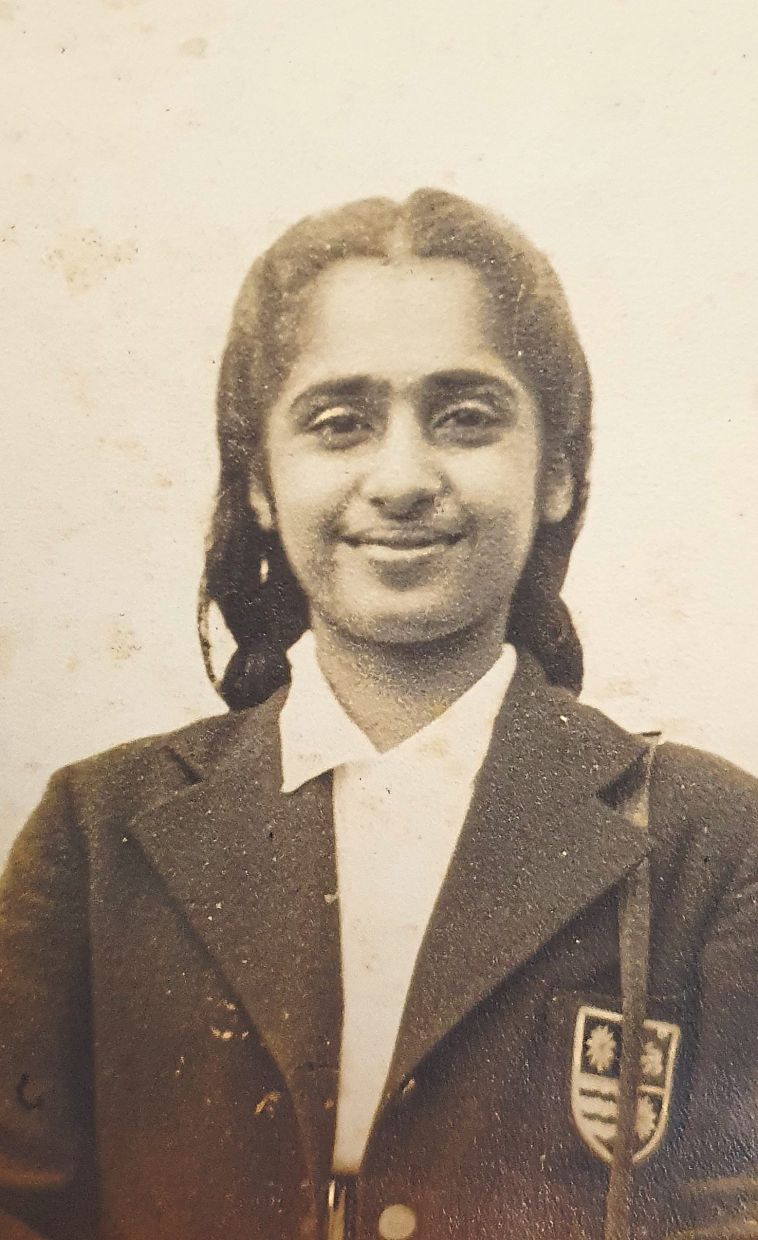
For Annie, teaching was never a reluctant choice. It was, in many ways, a natural extension of the world she grew up in.
“In those days, teaching was considered a good profession for women,” she says simply.
Encouraged by her uncle and aunt, she followed a path that many within the household would also take.
“Seven out of the 10 of us became teachers.”
Her first posting took her out of the familiarity of Klang and into Raub, Pahang – a place that, at the time, felt like an entirely different world. Even the journey there left a lasting impression.
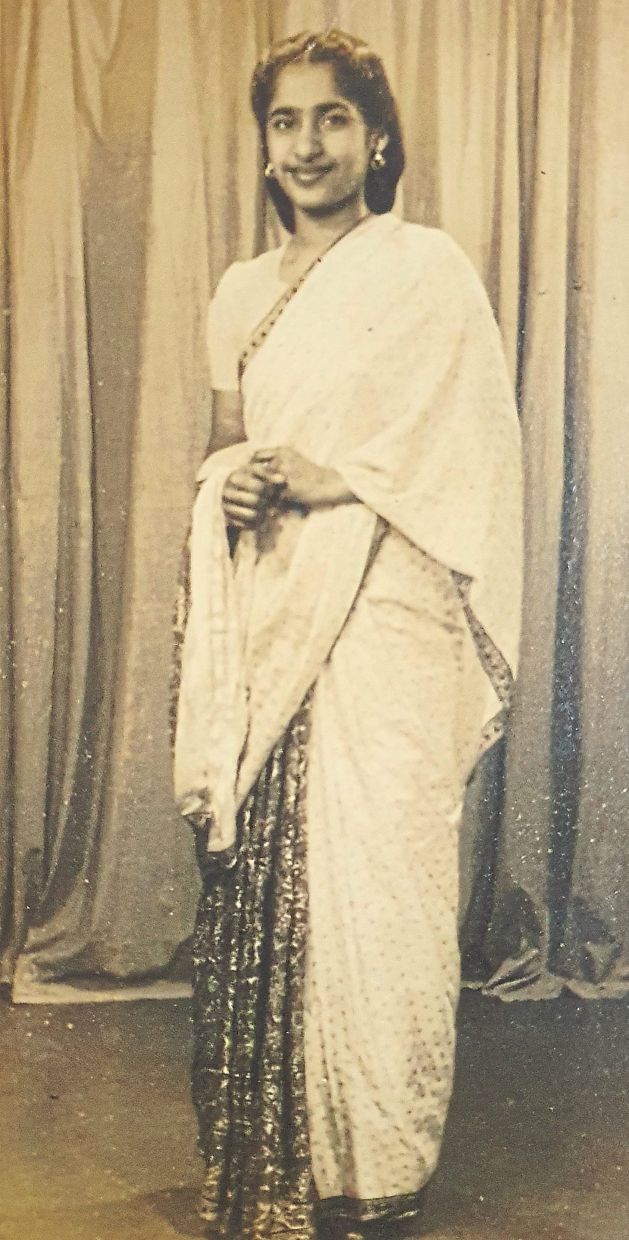
“I had never been out of Klang before,” she recalls. “We went by car and had to drive through the jungle. I didn’t realise Malaya had so much of it. I was quite frightened.”
Yet, like many things in her life, what began with uncertainty quickly became something she adapted to.
In Raub, she found not only a new environment, but also a growing sense of independence. She lived in a teachers’ hostel, met colleagues from different parts of Malaya, and settled into a rhythm of life that gradually became her own.
Not long after, a rare opportunity came her way. In 1952, she was selected to be part of the first batch of Malayan students sent to train at Kirkby Teachers’ Training College in Liverpool, England.
The journey to England took three weeks by sea, and the long voyage was not entirely smooth sailing.
“Half of them were seasick,” she says, almost amused. “Vomiting all the time. But I was alright.”
If Raub marked her first step beyond Klang, England was a leap. Yet she took it all in her stride – not alone, but with more than a hundred fellow students. Friendships were formed quickly, many lasting decades beyond those formative years.
Her time there coincided with a moment of global significance – the coronation of Queen Elizabeth II. Annie remembers standing by the roadside with others, watching the celebrations unfold.
“We all went out and stood along the road,” she says. “It was a happy time.”
Beyond the novelty of travel, the Kirkby experience sharpened her as an educator and reinforced the values she already held: Discipline, responsibility, and respect. When she returned to Malaya, she brought those principles into the classroom.
“I was a very strict teacher,” she says without hesitation. “No nonsense.”
There is no apology in her words, only certainty. To her, it was simply “the right way to teach”. Her approach seems to have left a lasting impression. Decades later, former students still recognise her, approaching her to say hello – a small but telling testament to the impression she left behind.
A full life
Today, Annie may no longer move with the same ease she once did, but her life remains much the same – anchored in people, connections, and quiet routines.
She now lives with her niece in Subang Jaya, walks with the aid of a stick, and no longer tends to her garden the way she once did.
“But I brought more than 10 potted plants from my Klang home here with me,” she says, with a touch of enthusiasm.
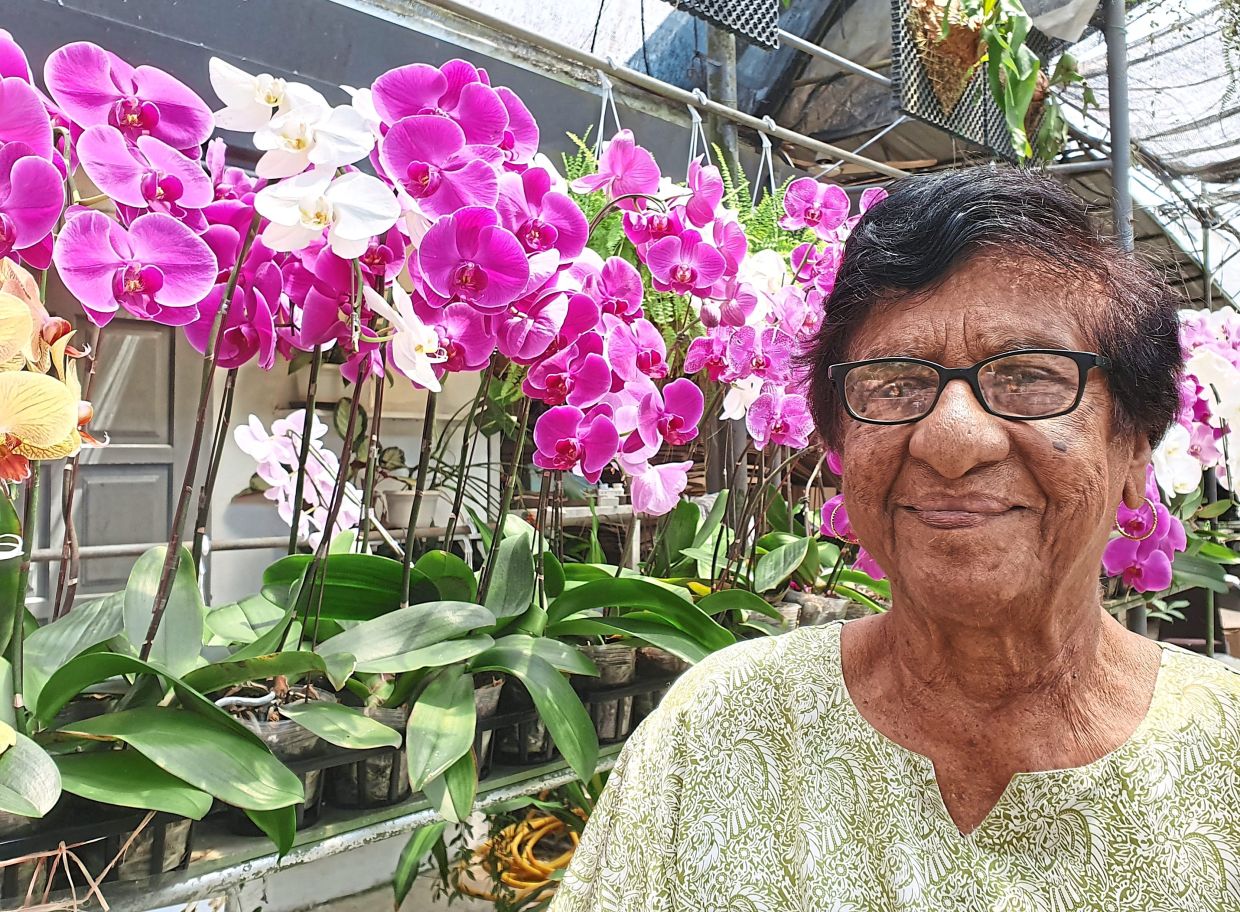
Yet she continues to keep herself engaged. She attends church weekly, meets fellow seniors regularly, and rarely turns down an invitation to a gathering –especially one that involves her favourite food, durian.
“Tiredness is not in my vocabulary,” she says, a line she has repeated often over the years.
Even in her later years, she remains, in many ways, the anchor of the family – a steady presence that holds together a large, close-knit family spread across generations and continents. She may not have children of her own, but her life has been anything but solitary. There are nephews and nieces, grandnephews and grandnieces, friends, and former students – all of whom, in one way or another, remain connected to her.
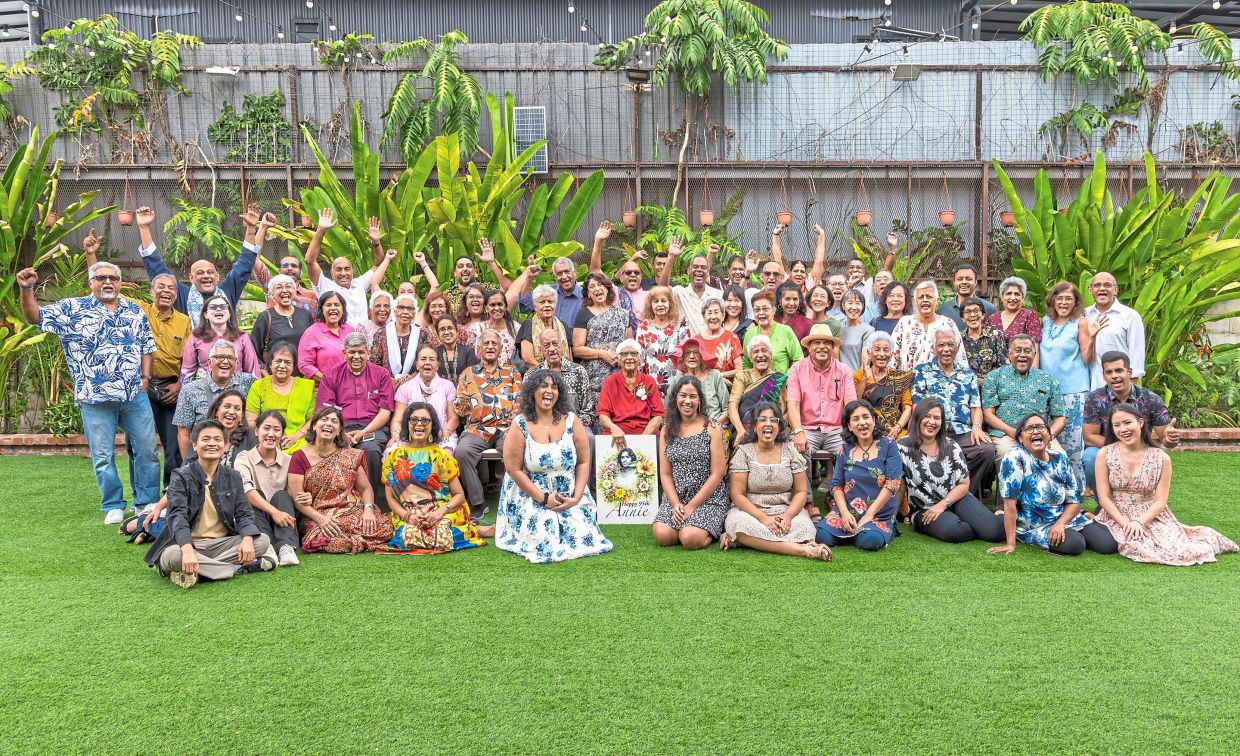
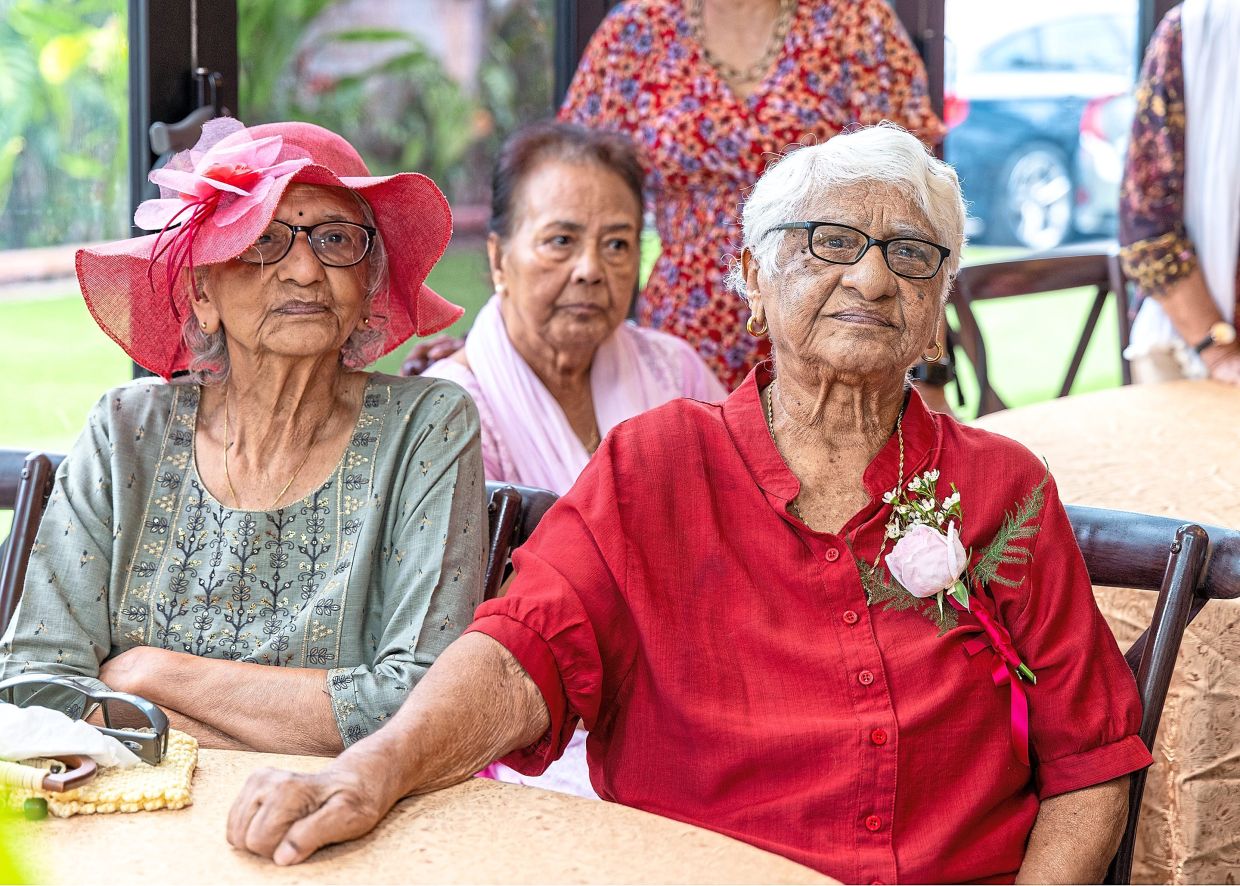
It was evident at her recent 95th birthday celebration in Klang, where some 80 family members, friends, and former students gathered, many travelling from across the country and abroad. Among them were her brother, VV George, and cousins Tan Sri VC George, who is four months her senior, as well as the Chacko sisters, Alice and Sally – with whom she had grown up.
For Annie, the celebration was not about the milestone, but about the people.
“I have good friends and relatives,” she says again, this time with quiet conviction.
And perhaps that is what defines her life most clearly.