At first glance, the scene looks like any other cafe experience where orders are taken, trays of food are delivered from the kitchen to the table and smiling diners are chatting with each other as they enjoy their meals.
But a closer look highlights something slightly different.
On a Saturday afternoon last month, a “Forget-Me-Not” memory cafe pop-up in Petaling Jaya, Selangor featured a crew of individuals whom society has often assumed as unable to perform important tasks.
Here, people with dementia step into the role of cafe crew with the support of family caregivers and volunteers who are always one step behind to guide.
The initiative was carried out by a team of five Monash University pharmacy students, working alongside lecturer and clinical pharmacist Dinesh Sangarran Ramachandram, with support from Avant Health and Alzheimer’s Disease Foundation Malaysia (ADFM).
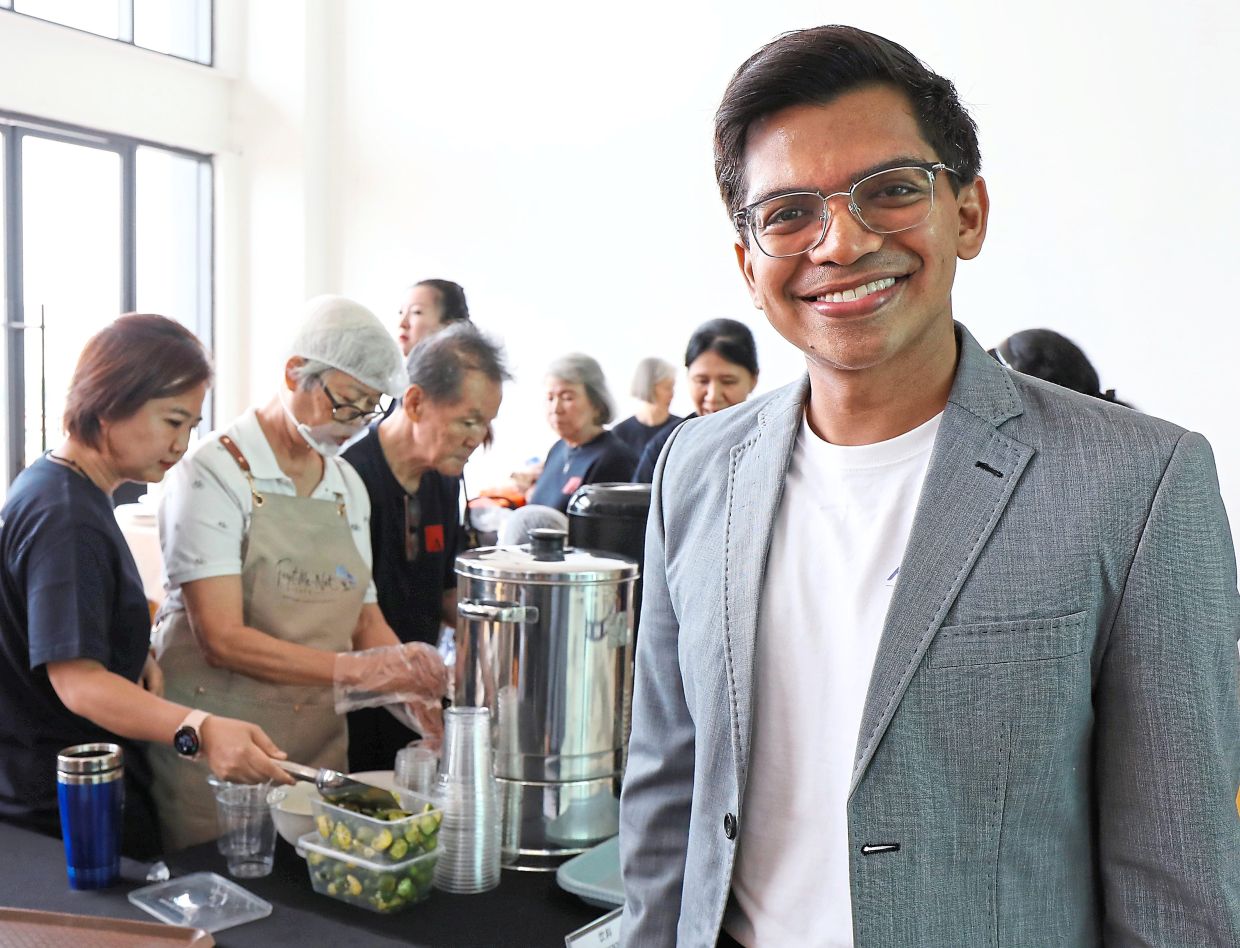
“As we’re moving towards an ageing society, the number of those with dementia is rising rapidly. We want to involve them in our daily lives instead of isolating them,” says Dinesh, who is also a recipient of the 2025 Merdeka Award Grant.
He shares that aside from empowering those with dementia, they would like to connect the younger generation to the ageing community.
“By running the cafe, they get to interact with each other and the diners, which builds their self-confidence.”
When diners thank them or mention how tasty the food is, this encourages and validates the crew’s abilities, making them more self-assured.
“They will feel motivated and confident to live life with purpose. We believe this cafe is a stepping stone towards that,” says Dinesh.
One step behind
That sense of purpose was also visible in those shadowing them.
For Doris Ng, who shadowed her husband, CP Ng, 74, it was an emotional reminder of what people with dementia are still capable of doing when given the space and support.
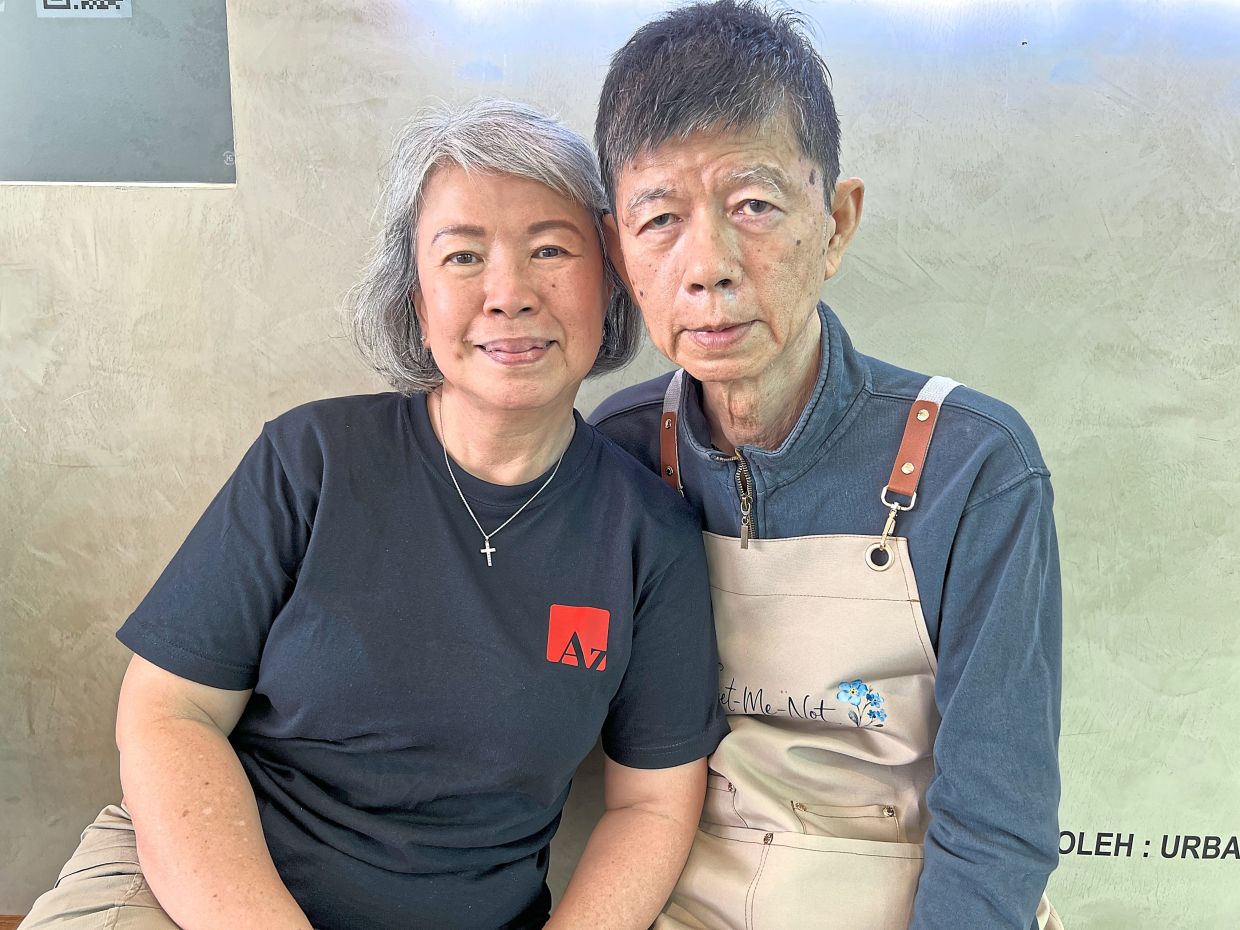
“My husband uses a walking aid but he decided to keep it for today. I encouraged him to move on his own as he served and took orders. He managed to do it, which makes me very proud,” says Doris, 66.
Initiatives like this, she says, are meaningful in a society where time has become scarce for most people.
“Today, everyone is getting busier. Back then, we spent so much time with our parents. But for a lot of young people now, they tend to focus on their careers so they don’t get to spend as much time with family anymore,” she reflects.
“I’m grateful to see a lot of young volunteers today. This is a good way for them to demonstrate their love and give support to those in need. It’s very touching to see.”
For other caregivers, the cafe also serves as proof that a diagnosis does not mark the end for people with this degenerative condition.
Goh Keng Ching, who shadowed her mother, Saw Geok Liang, 80, describes the event as a glimpse into what the days ahead could look like for those like her.
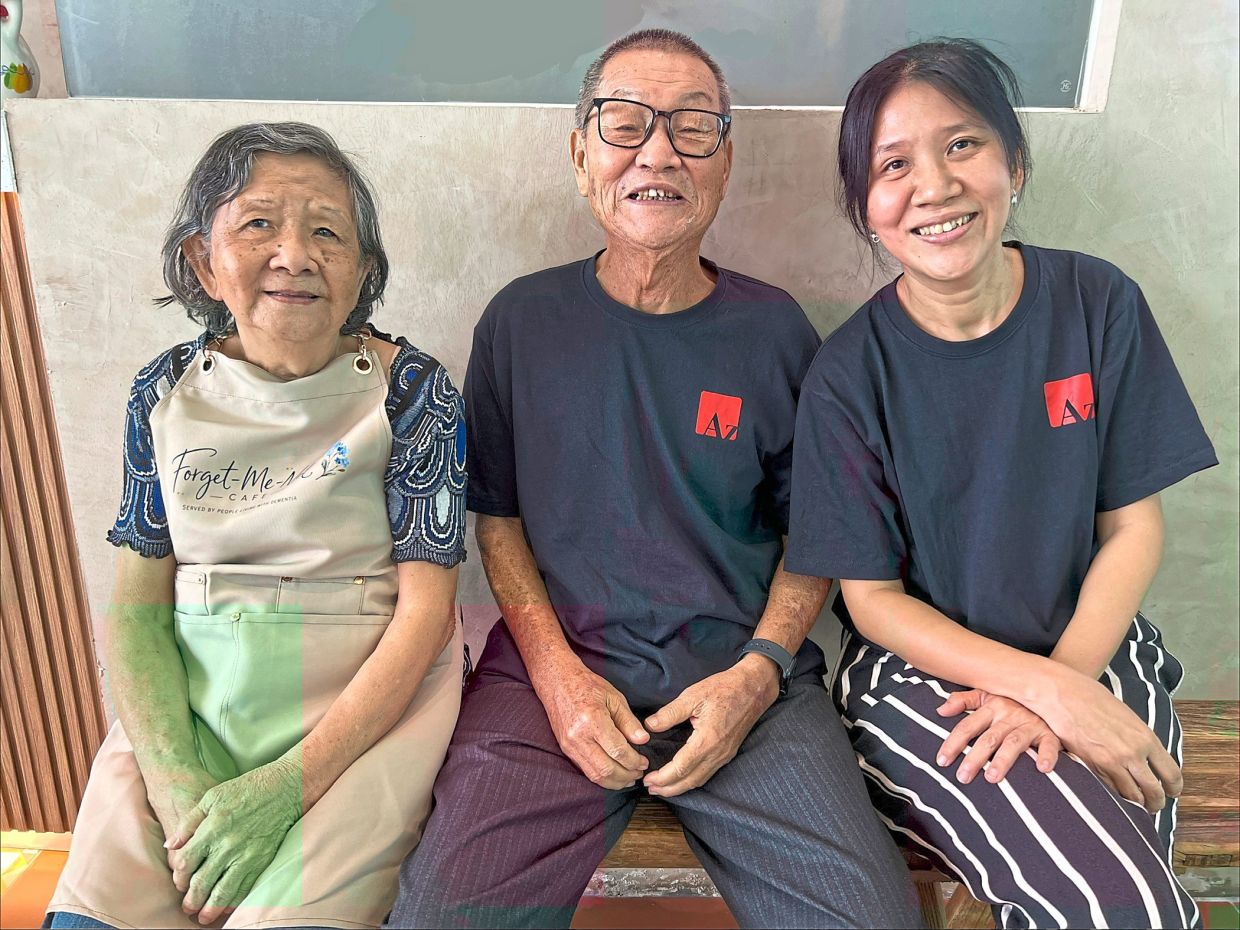
“After today, I feel very happy to see there is a brighter future for people with dementia. Not many have the chance to get closer to them, understand their lives and help them navigate it. This initiative gives that opportunity for everyone to participate and learn,” the 52-year-old says, who was also accompanied by her father, Goh Seng Kee.
Ultimately, she mentions there is one thing underlining most of the caregiving process, which is patience.
During the cafe’s operation, Keng Ching practises restraint when it comes to letting her mother carry out the task of preparing drinks.
“I try to let her do it herself first most of the time. I made sure to patiently remind her every step of the way on what she has to do if she gets stuck,” she explains.
Breaking the stigma
That mindset of allowing them to be independent while gently supporting when needed was carefully built into the training done the previous weekend.
One of the students behind the team organising the event, Lee Kah Yee, says the volunteers and caregivers were specifically trained with this in mind.
When reflecting on why this was an important element to teach, Lee mentions: “It’s easy to assume that those living with dementia don’t have the ability to accomplish things they were set out to do, but we shouldn’t come to this conclusion.
“We need to give them a chance to show what they are still capable of doing."

Even the logistics of the cafe were designed with accessibility in mind, including having the fonts and boxes on the order chits large for easy reading, segmented tickets for different kitchen stations, bright-coloured carpeting to help them navigate well and the host’s constant reminder to make way for servers.
For Lee, the cafe’s significance extends to more than just the individuals living with dementia.
“This isn’t an initiative solely for them, it is also for the caregivers and the wider society to learn that being diagnosed with this condition is not the end of everything.”
In fact, Lee states it is a way to break the belief that these older adults must be kept away from public life.
“There’s a tendency for people to think that when an elderly is diagnosed with dementia, it’s better to let them stay home and exclude them from the social environment.
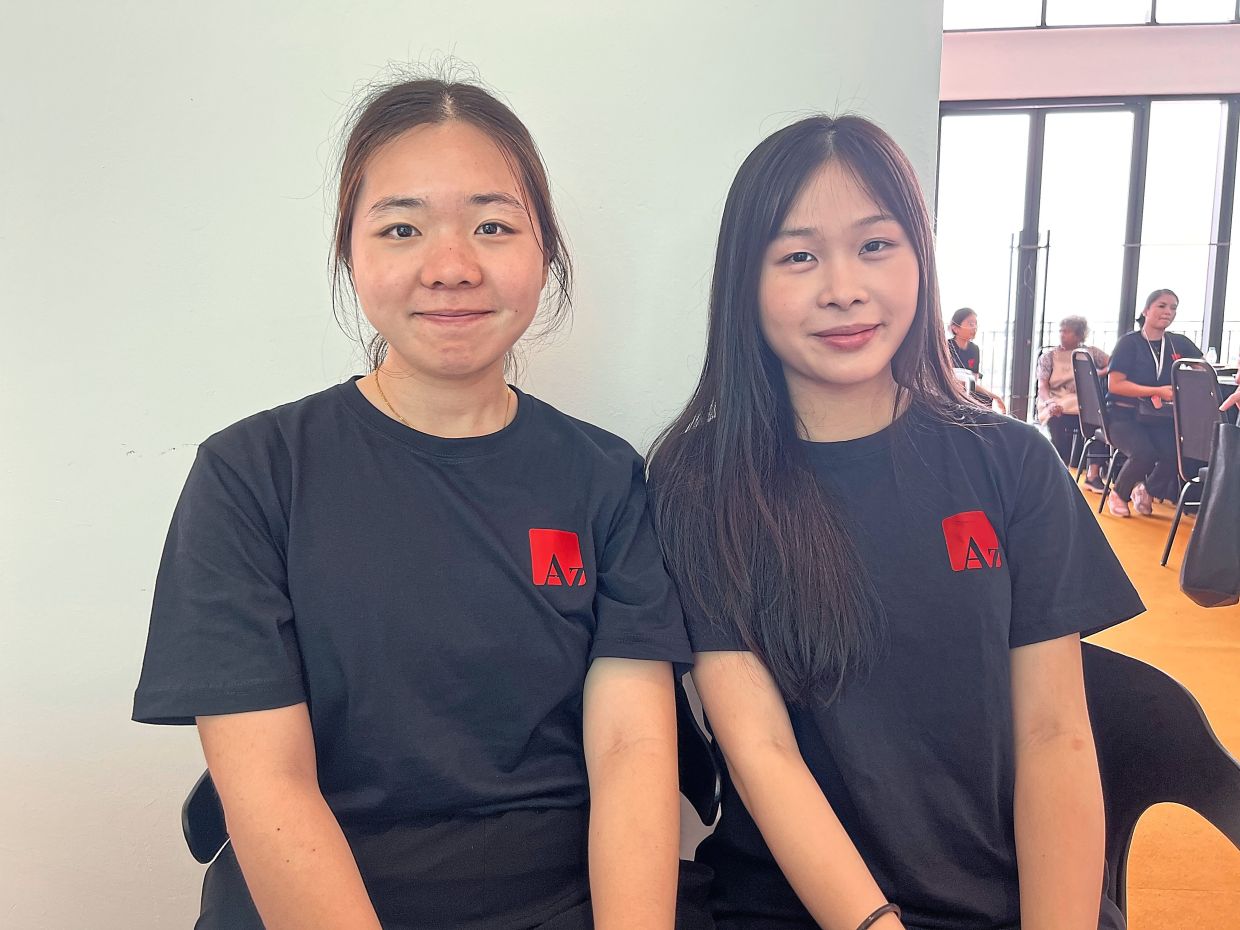
“But studies have shown that doing so will only make their condition worse. It’s important to expose them to social activities they can engage in, which is why we wanted to make this happen.”
As fellow organiser Vanessa Voo looks back on their initiative towards the day’s end, one of the most meaningful outcomes she noticed was the companionship.
“One of our participants was really happy during the event, as she often feels lonely at home,” notes Voo.
“We hope this cafe provides them companionship, builds their confidence and brings joy as they get to do something good and contribute to the community.”