It is completely normal within families when individuals do not see things eye to eye, especially when it comes to raising a child.
But when those differences extend to how a child is understood and supported, they can have a far bigger impact than what parents and family members might expect.
Especially for neurodivergent children, growing up in an environment where viewpoints do not always align can shape not only their upbringing, but also how they view and comprehend themselves.
After all, home is where they learn about their identities and the world around them.
According to clinical psychologist Dr Bimal Roy Bhanu, the environment a child grows up in is shaped by more than just a single influence.
“There’s three groups in this: we have the neurodivergent individual, the immediate parents and the societal response. In our context, you also have the extended family – grandparents, uncles and aunts – who have a lot of influence over family life,” he explains.
“All of their perspectives converge, and more often than not, they can be very different.”
While these differences often come from a place of love, they can create a confusing emotional landscape for a child.
In most Asian households, ideas of achievement, discipline, family reputation and dignity carry weight. When a child is diagnosed with autism, for instance, it can trigger fear, guilt and self-blame among parents.

“In their eyes, their kids are an extension of the family. Paired with the fact that in our culture, education and achievement is everything, there’s this wave of fear going through the parents.”
This can manifest in something subtle but detrimental: mixed messaging. One parent may come to accept their child for who they are, while the other struggles with denial, often shaped by concerns about how the child – and therefore, the family – will be perceived by society.
“Diagnosis itself isn’t enough to change people’s mindset and behaviour. You will see parents swing between acceptance and denial, where one feels relief in understanding why their child is the way they are, and another who refuses to come to terms with it,” Bimal says.
In a recent white paper published by Bimal with The Neuro Pioneer Hub, he describes this push and pull as a form of “double jeopardy”, where external stigma and conflicting messaging from family members reinforce one another, leaving the child caught between an endless cycle.
For children, these inconsistencies are sure to be noticed, and they eventually learn to adjust.
Autism Link Malaysia clinical director Laila Zechariah says this kind of adaptation often shows up in how children behave around different people at home.
“Kids generally learn the outcomes of interactions with different family members quickly. They may learn that interacting with a certain family member results in positive outcomes ... or it may result in mostly negative outcomes, causing them to limit their approaches or engage more in masking (suppressing behaviours),” she explains.
When certain behaviours are discouraged, dismissed or misunderstood, children start to identify which parts of themselves are acceptable and which are not. Over time, this can affect how they act and understand themselves.
Consistent messaging
At the same time, she notes that there has been progress in how families approach neurodivergence. She adds more families today are starting to be on the same page regarding their perception on it.
Still, there’s no doubt that gaps remain, particularly when different generations are involved.
“Sometimes, parents may be aligned but grandparents are not. Denial and misunderstanding of neurodivergence may stem from deep love, especially in our culture.”
This tension can have a tangible impact on a child’s development, more so when extended family members play a significant caregiving role.
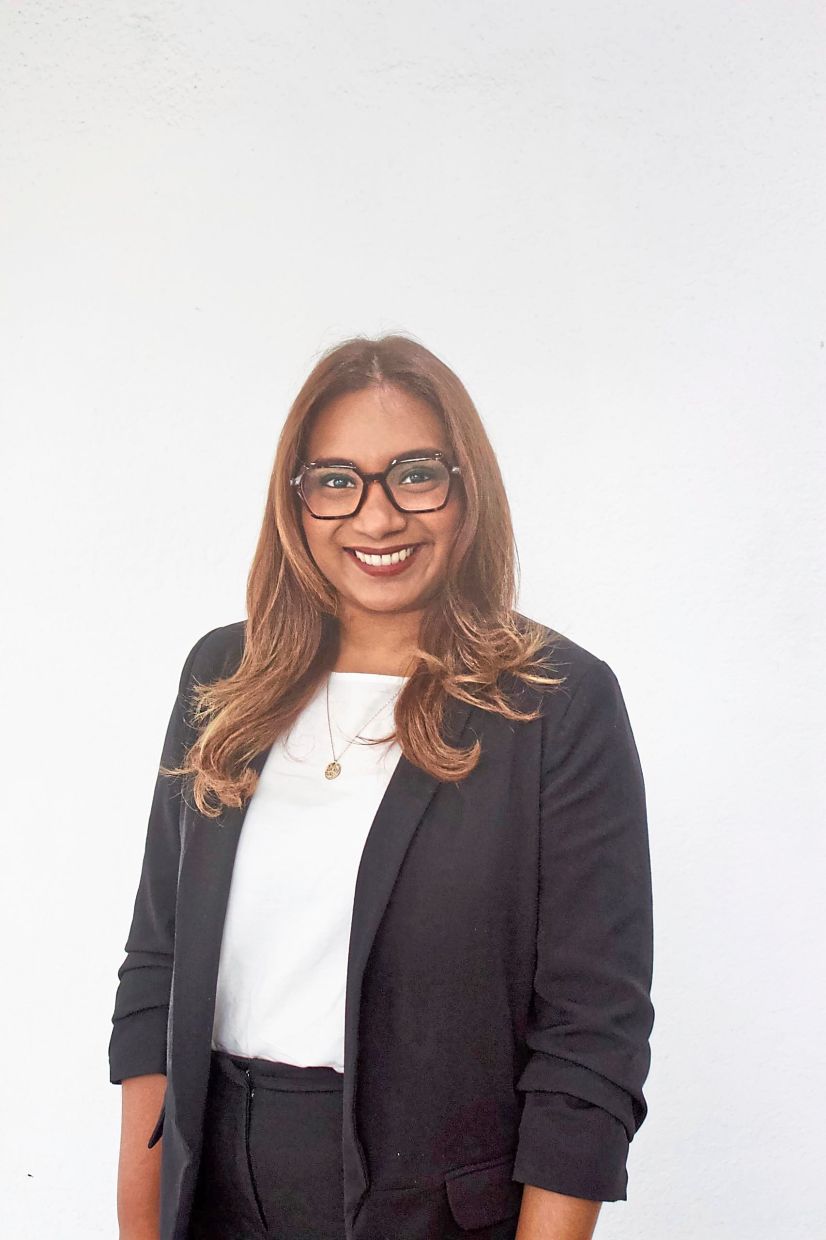
“This is why alignment is extremely important, especially with a neurodivergent child,” Zechariah says.
“We have seen first hand the impact that aligned parents have on a child’s development and progress as they learn and grow.”
Children, she adds, are often far more perceptive than they appear to be.
“These kids are so attuned to the energy around them. They can sense things just like us, even if they don’t show it outwardly. For a happy and emotionally-healthy child, it is important for parents to be accepting and supportive.”
Families need to be able to talk about neurodivergence in a way that is normalised and accepting, while also showing patience and flexibility in daily interactions.
“It’s crucial to show kids grace, patience and support so they can successfully adapt and regulate. Make even the littlest achievements a big deal. More parents need to recognise that it’s actually a lot more effort for these kids to go through their day-to-day lives than it would be for typically-developing children,” Zechariah advises.
From Bimal’s viewpoint, it also requires a fundamental shift in how families frame neurodivergence altogether.
“One of the things I always emphasise is neurodivergence is not a disability,” he says.
“The starting mindset parents need to have is to understand there’s nothing wrong with their child. They just have a unique set of skills and talents that other peers may not have. After developing that way of thinking, that’s when they can focus on building a good life for their kids.”
When the shift happens, from confusion and contradiction towards understanding and embracing it, home can be a place where these children are seen and accepted for who they are.