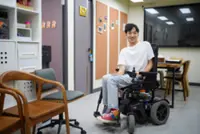
Thiago Robinson has a gift, but he came close to never opening it.Robinson, 20, of Alameda in San Francisco, California in the United States, is neurodivergent, and until recently, things weren't going all that great for him. He wanted more than what life was offering at the moment, and that's when a lucky chance found him.
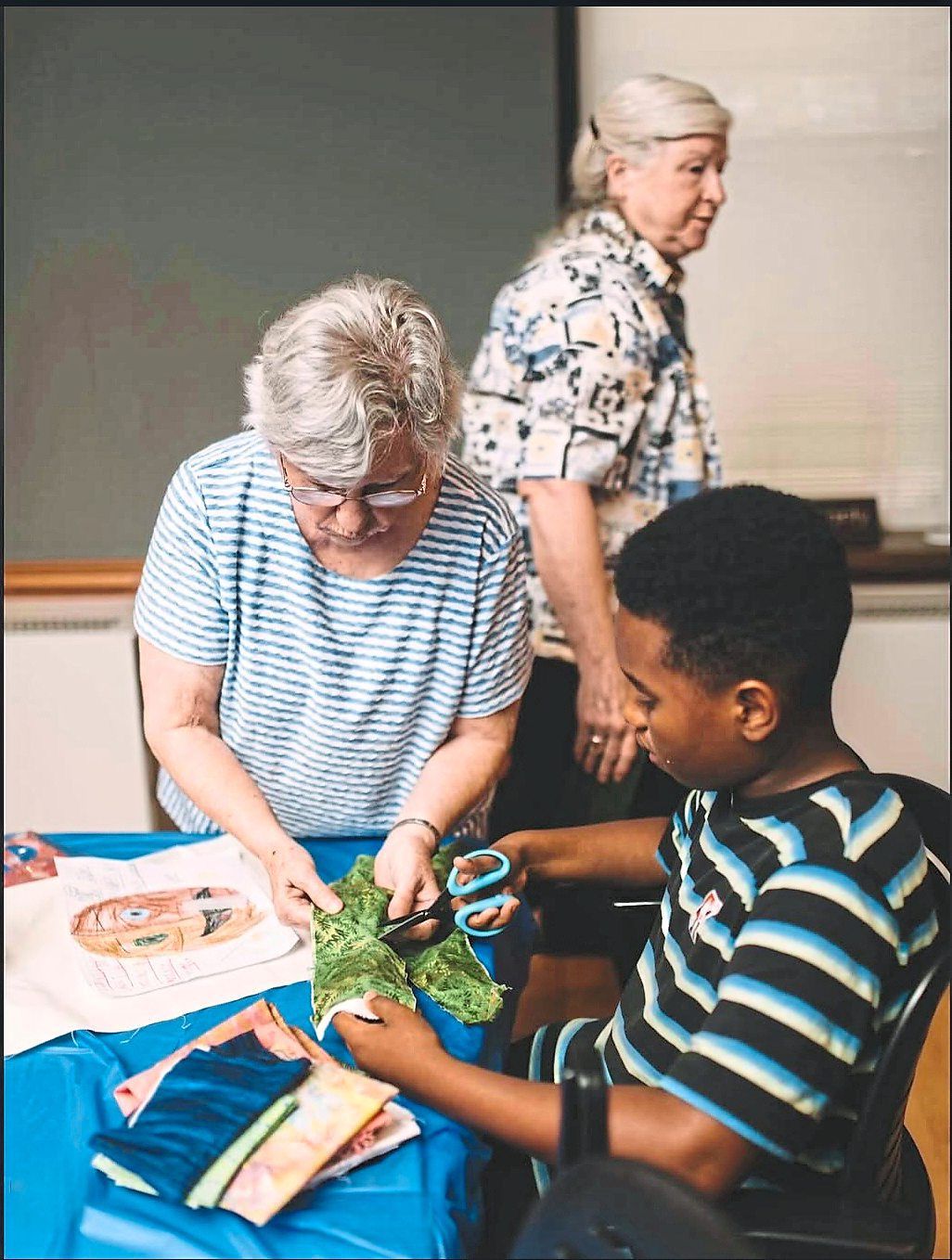
While living in a homeless shelter in San Francisco, Robinson learned about a Lafayette-based organisation called the Social Justice Sewing Academy, and one of their landmark efforts, the Social Connection.
A chance to shine
It has since grown beyond that and now provides free services to neurodivergent adults throughout the Bay Area.
The programmes offered through the SJSA and the Social Connection are a patchwork quilt of opportunities.
Sabira Williams, Social Connection's programme director, says the inclusive programs provide help with individual living skills, and has a goal of helping people get jobs, if they want them — and most do.
But it goes beyond simple household budgeting and interview skills. Members can take courses aimed at getting a driver’s license, improving computer knowledge and learning to manage public transit.
The broader view divides interests into art, culinary, leadership and development, and technology and gaming. Members vote on what areas to explore and if enough people are interested in a certain topic, the Social Connection and the SJSA try to oblige.
For example, Williams says, many of the members wanted to learn about 3D printing, so they found someone who could bring in a printer and instruct on how to use it. Those interested in the subject are using the printer to make items they then sell, helping with their goal toward independence.
Some parents with neurodivergent children might have lower expectations for their autistic children, but the SJSA can open doors they might not know existed.
Not everyone, Williams says, is a fit for a nine-to-five job. They might have artistic talents that can be developed to provide a living.
Nurturing hidden talents
One of the popular areas of interest is in the culinary fields, and it was here that Robinson discovered he has a special talent when it comes to cooking.
"It really opens my mind. I love to try different seasonings," Robinson says. "When it smells good, I know I did it right."
His favourite dishes include pasta – he makes his own sauce using a variety of the spices he loves most – and steak, but he's also learned to make different drinks and teas. He cooks at the SJSA, helping to prepare and service a daily lunch.

The group already has designed a logo and a name, the Sweet Spectrum Company.
Trail and Williams see endless possibilities for the food truck. Not only would it give the SJSA members a chance to safely explore the food service industry, but also get them more involved with the community, which is another goal of the Social Connection.
Members will vote on the type of foods the truck will offer, and are considering a rotation that would give each person, or group of people, the opportunity to serve their particular foods. Some options would be to have specialty drinks in one rotation, sandwiches in another, and desserts in another. The foods would be simple and easily dispensed, but it would be an evolving project.
Beyond financial assistance, the SJSA is always looking for material donations and volunteers who can teach certain skills and crafts.
"Anyone who has a skill can come lead a class and teach," Trail says. "As long as you can pass a fingerprint test, you can teach."
Trail says sometimes people donate equipment, but if no one knows how to use it, it can be frustrating. Some of the members want to learn how to build birdhouses, but no one with the SJSA has experience doing that. Trail says she tried to learn watching YouTube and TikTok, but her attempts resulted in a lot of split wood and no completed project.
"We need a father to help teach," Trail says, laughing.
The more the community gets involved, Williams says, the better it is for the members at the SJSA. Being different can be isolating, so the Social Connection wants to expand interactions with the general public.
Robinson says the Social Connection has changed him.
"It's made me less shy and has made me get out of my comfort zone," he says. "They help you in the best ways. They find out what each person needs and they help them." – Bay Area News Group/Tribune News Service
Stitching independence
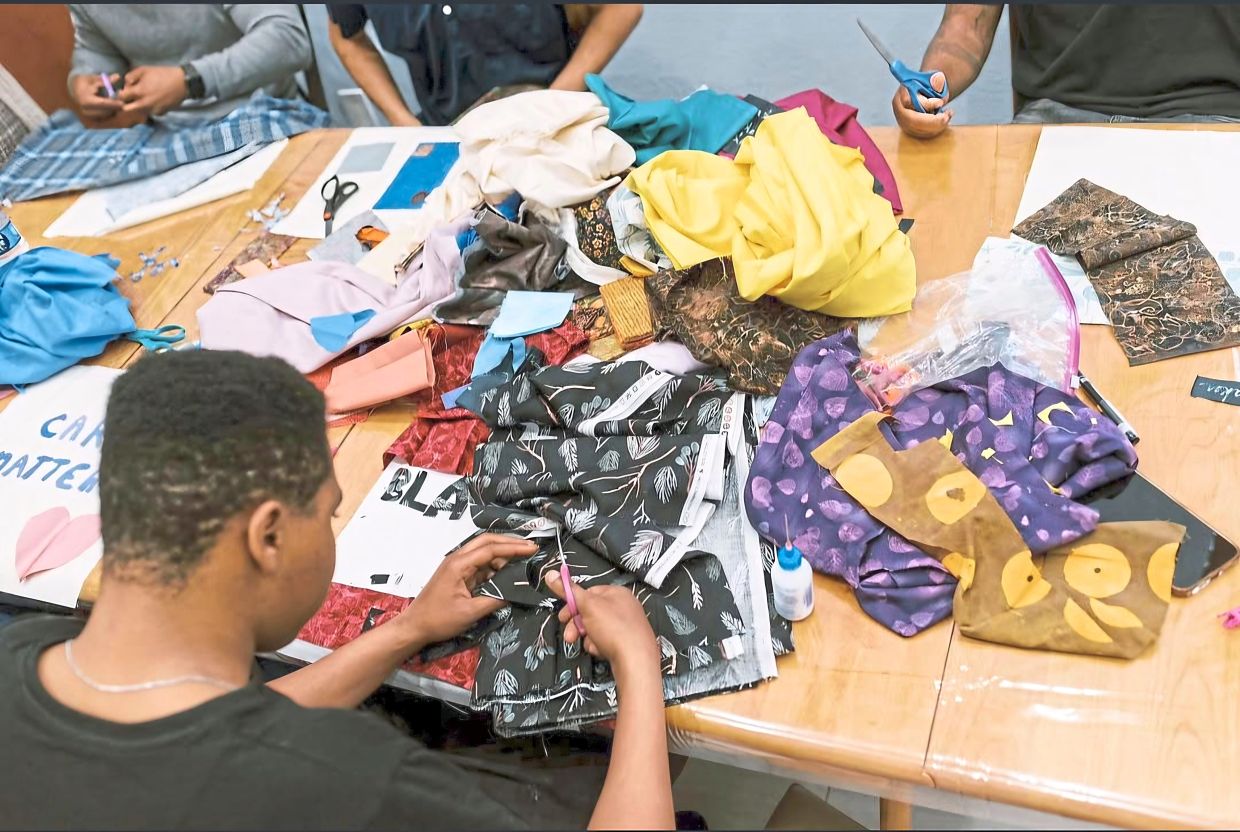
Simple pieces of cloth are transformed into works of art. Photos: Instagram/Social Justice Sewing Academy
Through sewing, individuals discover their abilities and gain pathways to participation and meaningful work. Photo: Instagram/Tinypricksproject
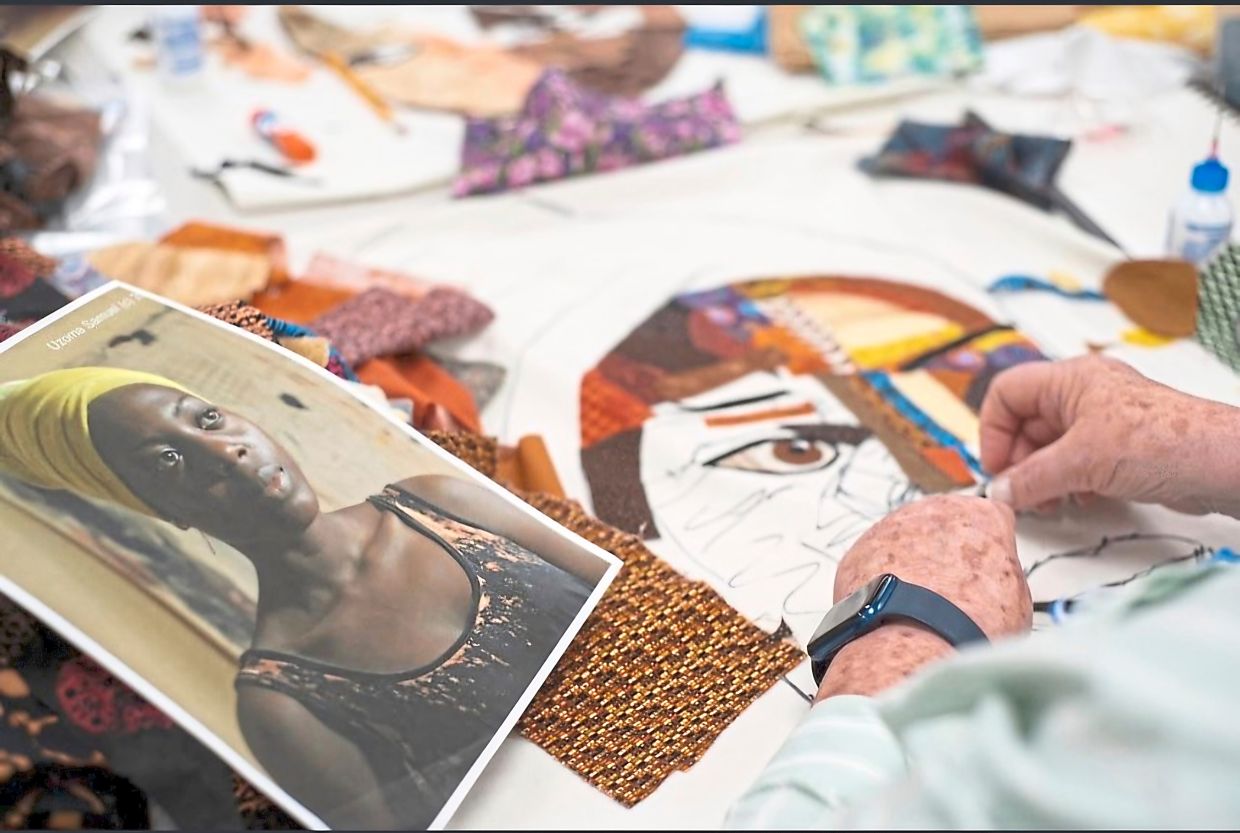
At the academy, adults with disabilities turn recycled materials into portrait art.
Photo: Instagram/Social Justice Sewing Academy
A community quilt featuring issues that matter to the community.
Photo: Instagram/Social Justice Sewing Academy