
In a world where advice is quick and opinions are constant, the act of listening without interruption or judgement has become surprisingly rare. Yet, for many women, that is exactly what they need. It is this quiet but powerful gap that Women’s Circle of Malaysia seeks to fill.
Started in 2021 by Ranessa Theyakaraja, 35, the initiative was born out of lived experience. After spending six months on her own healing journey, she came to a realisation that many women already know what they need to do when faced with challenges. What they often lack is a safe space to talk it through, without being told what to do.
"Sometimes, women just need to talk," she says. "But we don't always have people who can listen without giving advice or trying to fix things."
Women's Circle of Malaysia offers facilitated gatherings where women come together to listen, reflect, and if they choose, share.
At the heart of each session is what the organisation calls the WCM Circle Method. The principles are simple: listen without judgement, avoid giving unsolicited advice, speak from personal experience and respect confidentiality. There is also no hierarchy in the circle – a doctor, a student, a mother and a corporate executive sit as equals.
"There's zero fixing," Ranessa explains. "Even if advice comes from a good place, it can take away someone's opportunity to arrive at their own understanding."
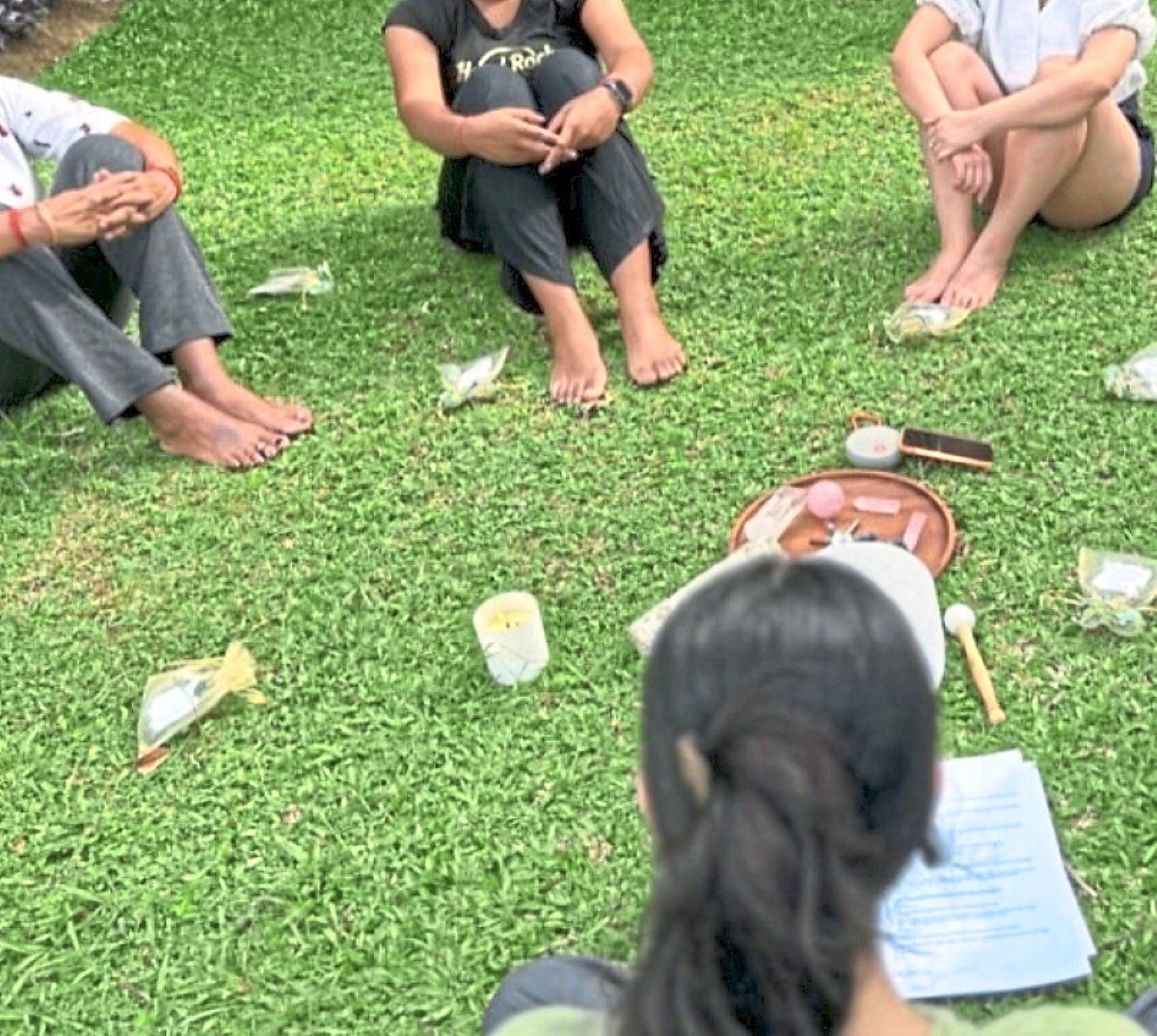
Each circle begins with a question, designed to gently open the conversation. Sharing is always optional. Participants are just as welcome to listen quietly as they are to speak.
The idea may sound straightforward, but introducing it in Malaysia was not without challenges. Ranessa's first attempt to launch a session on a public platform drew no participants. Still, she persisted.
"I told myself, if not for anyone else, I'll keep showing up for myself," she recalls.
Eventually, one woman showed up. Over time, the community grew – today reaching more than 25,000 women through circles, events and online spaces.
What draws women in is not just the format, but the need it addresses. Many participants, particularly urban millennials, are navigating a complex mix of pressures – from rising living costs and financial stress to emotional burnout and caregiving responsibilities.
A significant number also share experiences related to gender-based violence, from harassment to difficult past relationships. While the circle does not provide solutions or professional intervention, it offers something equally vital: a sense of being seen and heard.
"When women feel safe, they open up," says Ranessa. "And often, when they talk things through, they find their own clarity."
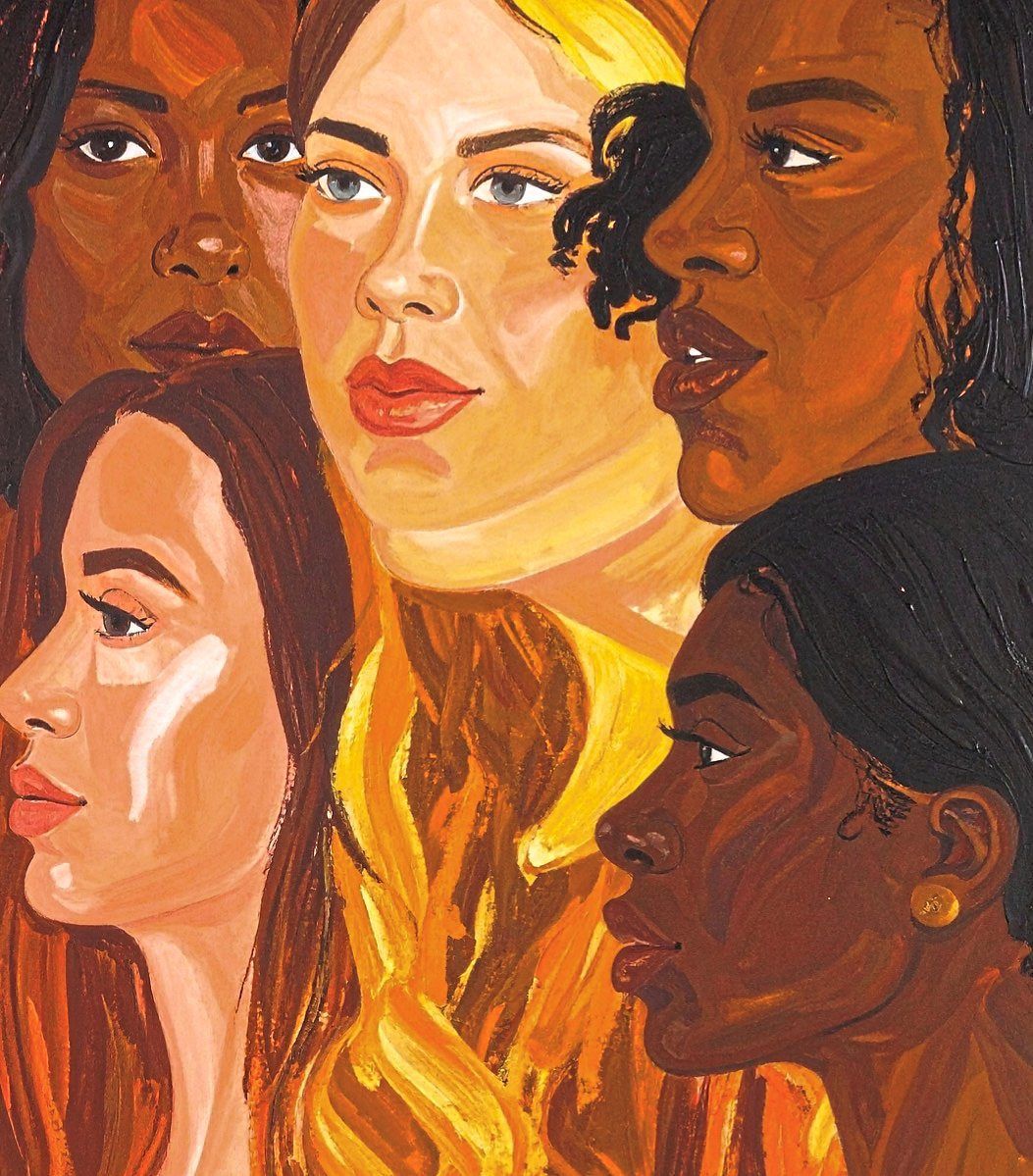
"It's about the 'what next?'" she explains. "How do you continue healing? How do you rebuild?"
Beyond conversations, the circles sometimes incorporate simple wellness elements such as breathing exercises, time in nature or creative activities. These are not structured classes, but gentle tools participants can take away if they find them helpful.
There is no pressure to conform to a certain image or expectation. The environment is non-performative – come as you are, speak if you want, or simply sit in the presence of others.
For many women, that alone can be transformative.
"A lot of them say, 'I thought I was the only one going through this,'" Ranessa shares. "And suddenly, they realise they're not alone."
That sense of community – of shared humanity without comparison – is what keeps many returning.