Gambus performer and teacher Zaidan Attan, 37, has been busy in the weeks leading up to Hari Raya.
He recently travelled from Batu Pahat, Johor to Singapore to perform the gambus for a Ramadan recording for Mediacorp’s Malay-language TV channel, Suria.
During this holy month, his schedule is packed with performances at iftar events in his hometown, Kuala Lumpur and Johor Baru.
The demand for gambus musicians is high, and understandably so, as there are not many full-time gambus players in Johor.
“There are only six gambus players from Johor who are active and consistently performing. Most are aged 40 and below.
“The older players are still around, but very few regularly take to the stage,” says Zaidan in a recent interview in KL.
From Parit Raja, Batu Pahat, Zaidan was in town recently for an event organised by Kraftangan Malaysia where he performed the traditional gambus.
“One of the main factors is the lack of exposure in schools. Modern instruments are more accessible, widely featured on social media and commonly used in contemporary music.
“The gambus, on the other hand, is more closely associated with traditional music, which limits its appeal among the younger generation.”
It’s fair to say that many young people are drawn to learning music through apps like Yousician, Simply Guitar and Fender Play, which make it easier, more interactive and accessible from home.
At present, Zaidan has five regular students, and conducts gambus lessons at his home in Kampung Parit Saidi, Senggarang in Johor. Occasionally he travels to Kuala Lumpur, depending on invitations and workshop arrangements.
“If we do not continue learning and teaching the gambus to others, this heritage could slowly fade.
“The instrument connects us to our roots. By teaching it, I hope to ensure that the gambus continues to be part of Johor’s cultural landscape,” says Zaidan, whose charges start at RM30 per hour and vary depending on location and the type of class conducted.
A treasured instrument
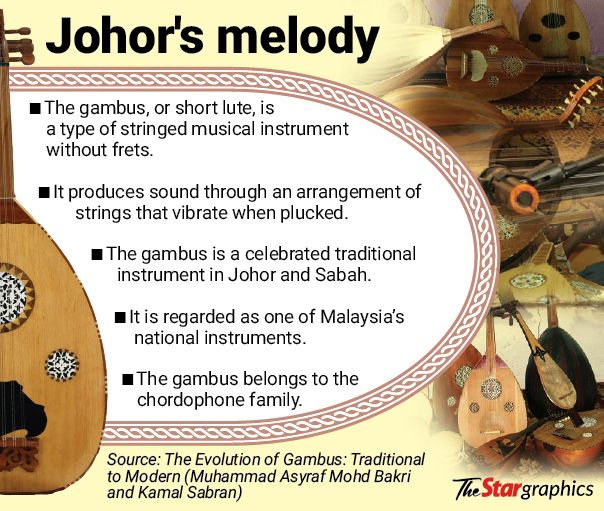
The gambus is part of Johor’s musical heritage, its roots tracing back to Yemen and the Hadramaut community.
According to the research “Gambus: Sejarah, Instrumentasi dan Peranannya dalam Industri Muzik Malaysia” (Gambus: History, Instrumentation and Its Role in the Malaysian Music Industry), the short-necked lute is often associated with Johor ghazal groups and zapin songs.
The study, published in The International Journal Of Arts, Culture & Heritage, states that in Sabah, the gambus is also one of the traditional musical instruments popular among the Brunei Malay and Kedayan communities.
The gambus is believed to have evolved from an Arabic musical instrument called ‘oud’, which means ‘wood’. The instrument has a distinctive sound, style and playing technique.
Keeping the instrument alive ensures that traditional Malay and Johorean music continues to have its unique voice.
To revive its popularity, Zaidan has been using his TikTok account (@zackalattan717) to introduce the gambus to a wider audience.
“It is important for future generations to see and appreciate this music,” he said.
“Learning the basics of guitar, violin or percussion is important, but the gambus is our musical heritage. It represents our jati diri (true identity). When we hear it, we know it’s an icon of Johorean music,” Zaidan explains.
A cherished tradition
Zaidan is a second generation gambus player in his family.
His late father, Attan Hassan, was a renowned gambus musician who learned the instrument while working as a police officer in Singapore. Training under Yemeni musicians, Attan brought the gambus back to Johor and introduced it to local musicians in the 1950s.
He taught aspiring players and, in the mid-1970s, established the Kumpulan Gambus Nurulhilal (KGN), which gained fame from the 1970s through to the late 1990s. Its performances include traditional gambus music that blends local Malay elements with Middle Eastern influences.
For close to 30 years, the ensemble was a main source of entertainment for residents in the Batu Pahat and Pontian areas, especially at wedding celebrations.
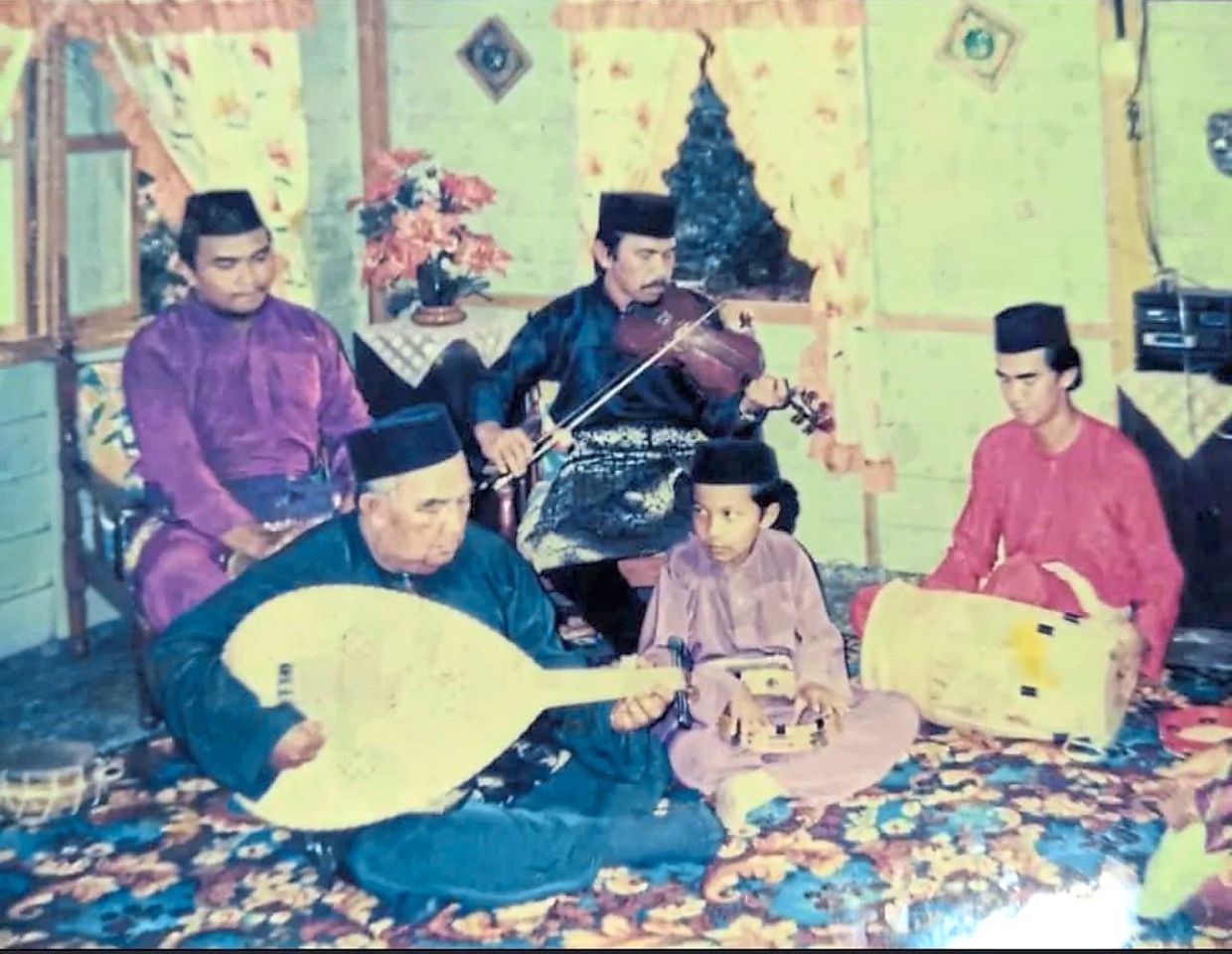
In the 1970s, Attan also served as music arranger for the classic Malay song Air Mata Hati (Rosiah Chik).
Zaidan grew up in a home filled with the sounds of the gambus, as people often came to learn the instrument.
Surrounded by music, it felt natural for him to start playing at a young age.
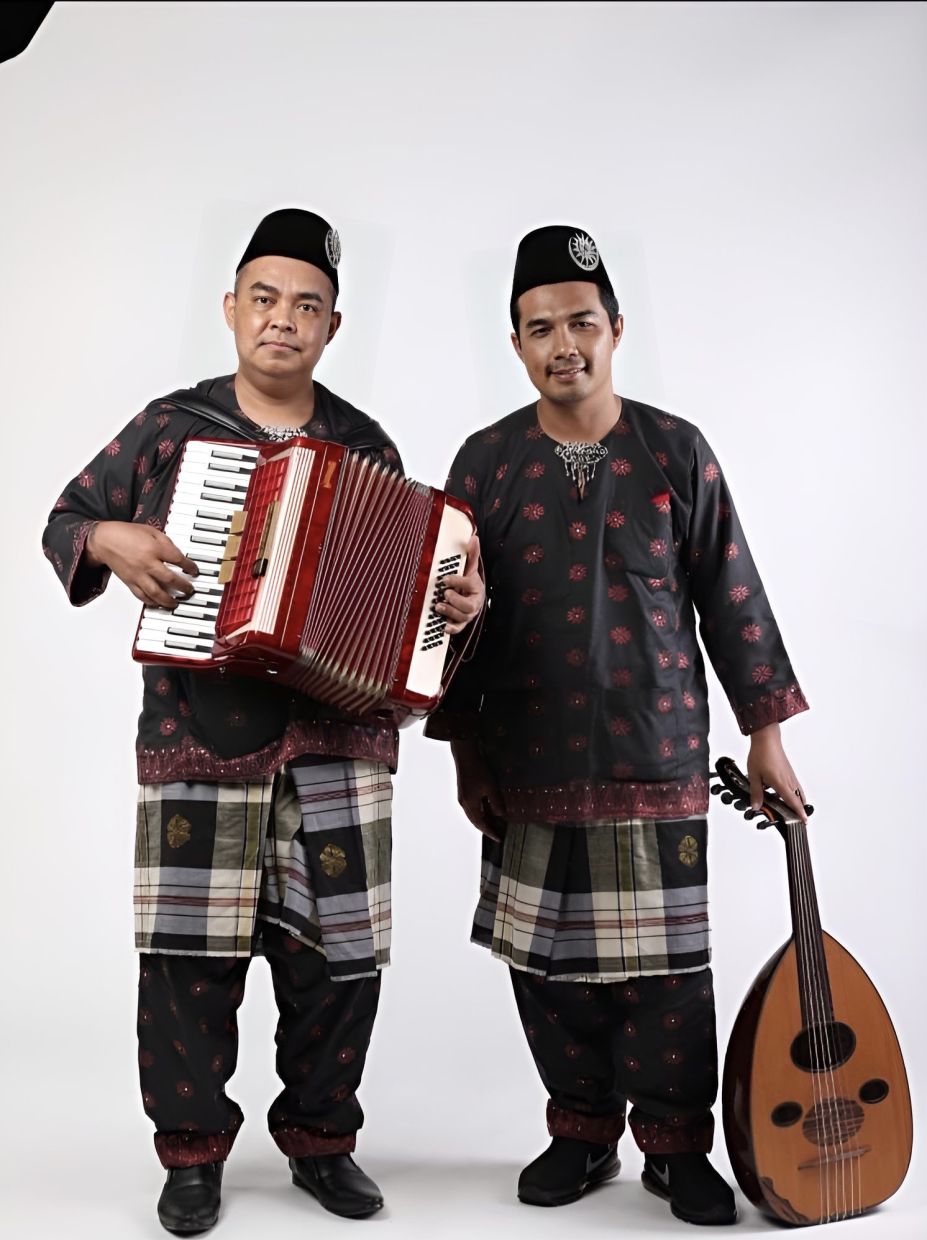
“Like any instrument, it was difficult to learn it as the gambus is a stringed instrument and requires finger strength and coordination. But the plus point was my father was always around to constantly guide me,” says Zaidan, the youngest of eight siblings.
In his family, Zaidan and his four brothers can all play the gambus and are actively involved in preserving the instrument. They are also part of KGN.
Zaidan’s older brother, Dr Mohd Nizam Attan, a lecturer at Universiti Tun Hussein Onn Malaysia in Batu Pahat, is also actively involved in Johor’s traditional music scene.
The two brothers are working to introduce the gambus to a new generation of students.
“My brother and I also provide guidance to students from Universiti Pendidikan Sultan Idris (UPSI) in Tanjung Malim, Perak and Akademi Seni Budaya dan Warisan Kebangsaan (Aswara) in KL, though I am not a formal lecturer.
“My involvement is through workshops and programmes on an ad hoc basis. Through these engagements, we have mentored many university students.”
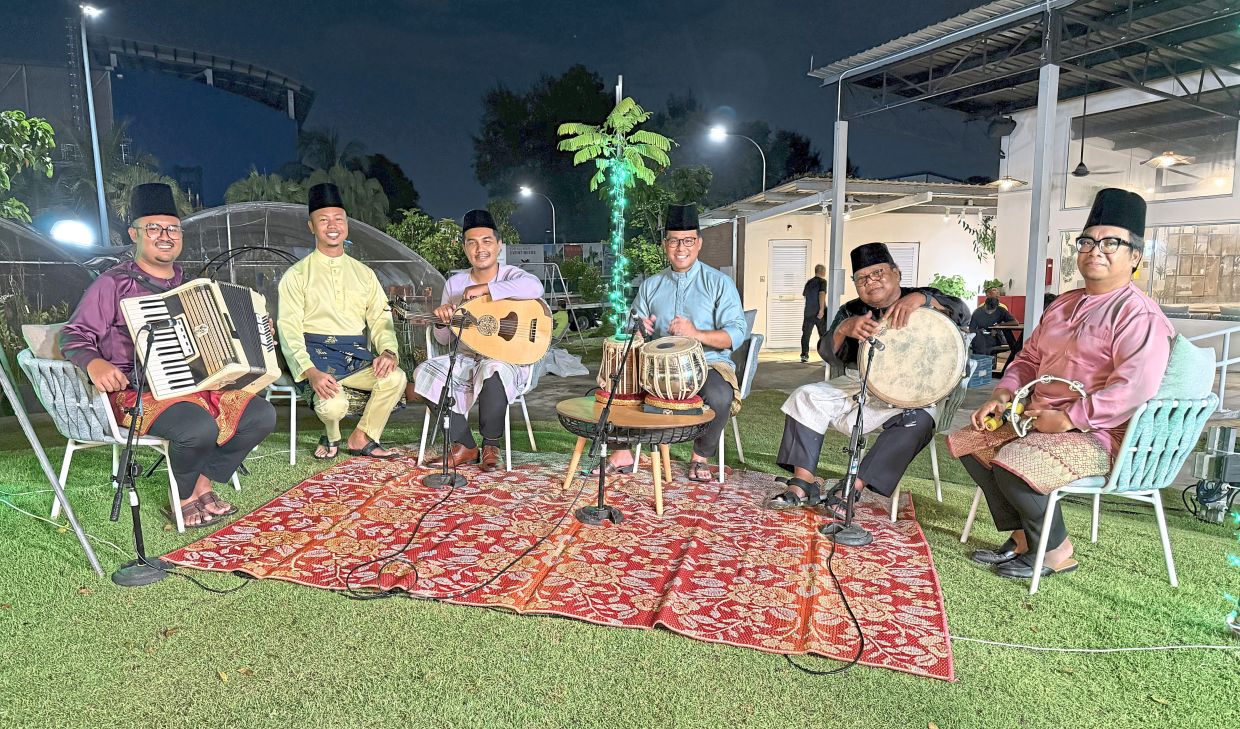
Zaidan is also part of Kumpulan Samrah Arab, an ensemble made up of musicians playing the violin, tambourine, bongo, accordion and gambus.
Their lively performance style is often seen at wedding celebrations in Johor.
“I am focusing more on performances and stage invitations. We are usually booked on weekends, performing at weddings, official events and religious gatherings,” he said.
We can only imagine how busy Zaidan will be over the next few weeks, serenading audiences with his performances.
Strumming a timeless tune
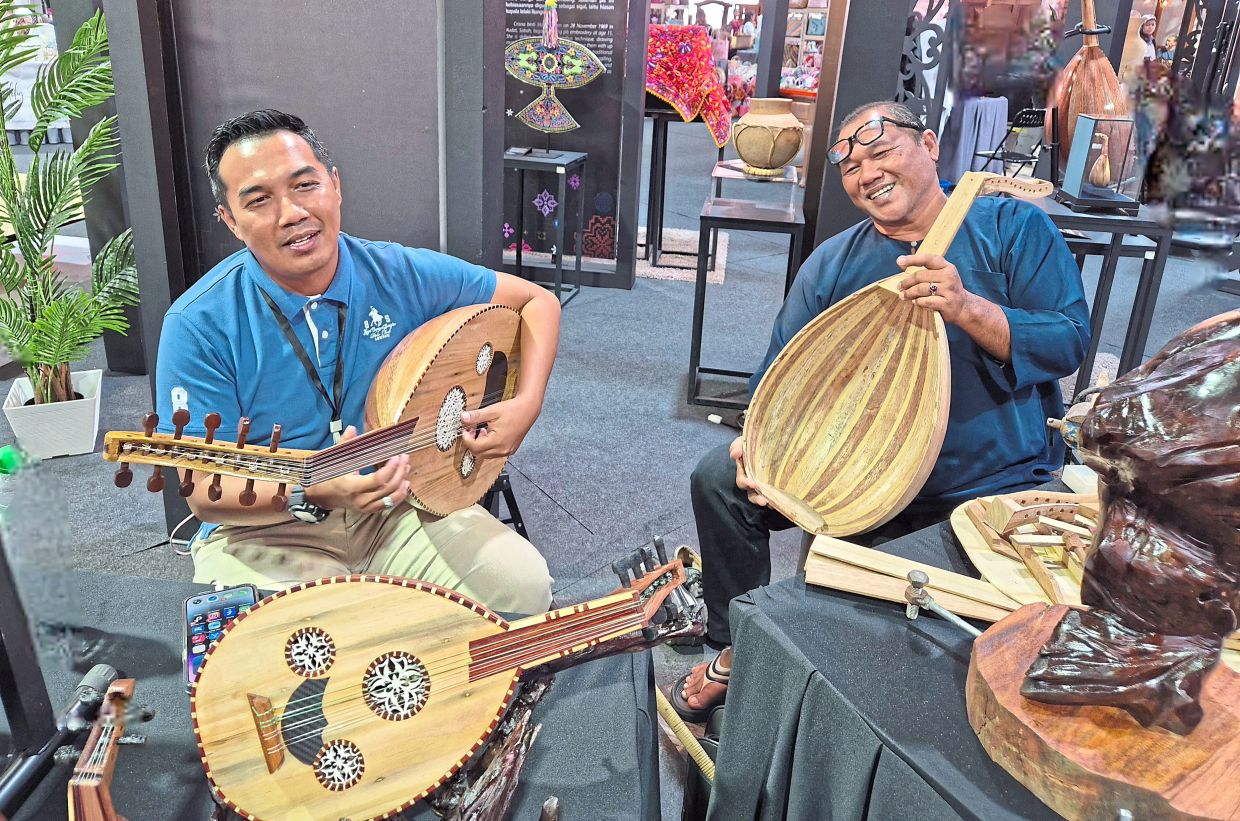
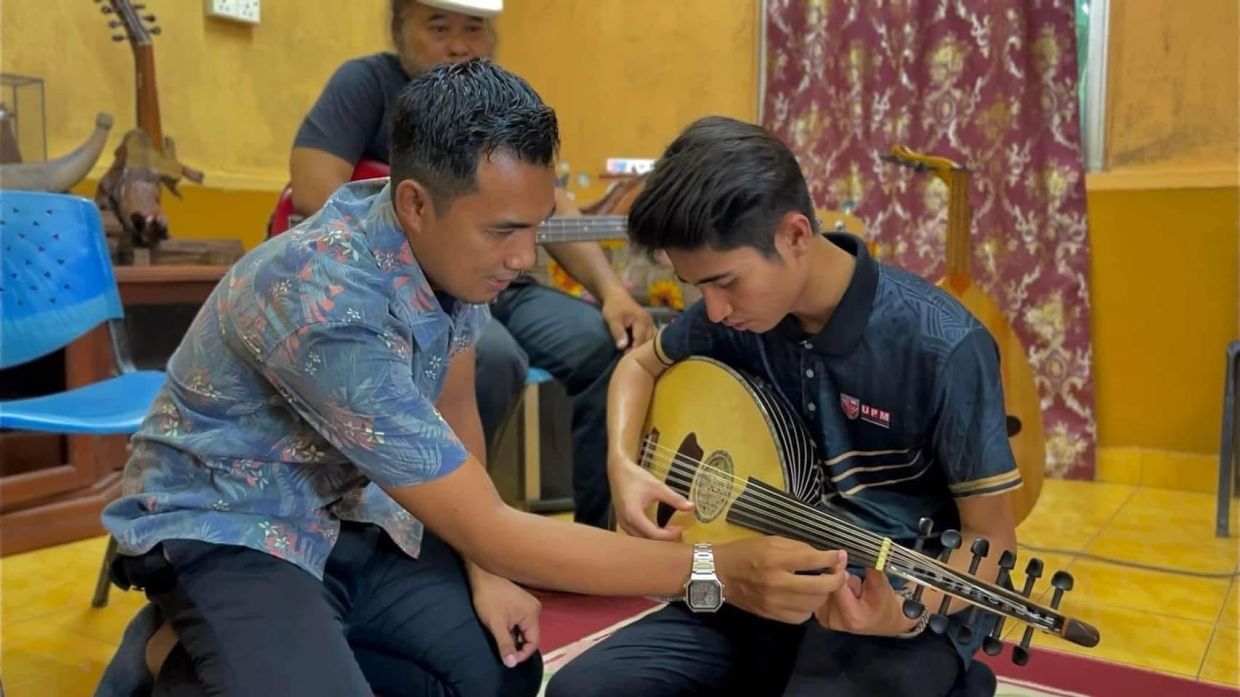
Zaidan (left) performs the gambus with gambus maker Halidan Ithnin, celebrating both the music and the craftsmanship behind the instrument. Photo: The Star/Sheela Chandran
Zaidan (left) hopes to inspire young musicians to learn the gambus and keep the tradition alive. Photos: Zaidan Attan
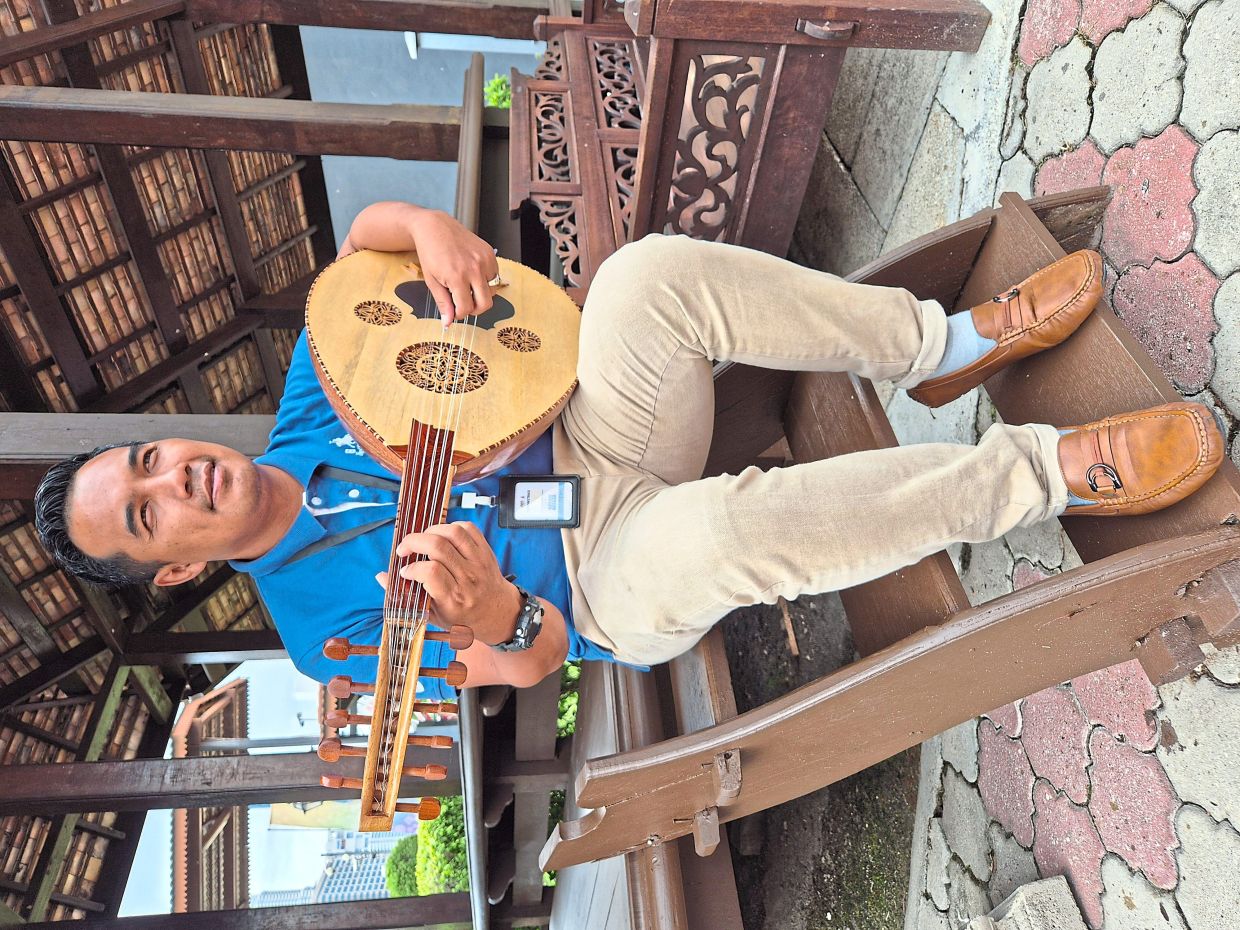
'The gambus represents our true identity,' says Zaidan. Photo: The Star/Sheela Chandran
Zaidan (right) and his older brother Dr Mohd Nizam are dedicated to keeping the gambus and accordion tradition alive for future generations.
Photo: Zaidan Attan
Attan (seated, first from left), a legendary gambus player, helped shape Johor’s traditional music scene.
Photo: Zaidan Attan
Zaidan (third from left) with his ensemble of Samrah musicians, who perform lively traditional Johor music.
Photo: Zaidan Attan
Beautiful sounds.