Wellness has become one of architecture’s most talked-about concepts in recent years.
Yet beyond buzzwords such as biophilic design – which refers to incorporating nature into buildings and spaces – lies a more fundamental question: what actually makes a space feel good to be in?
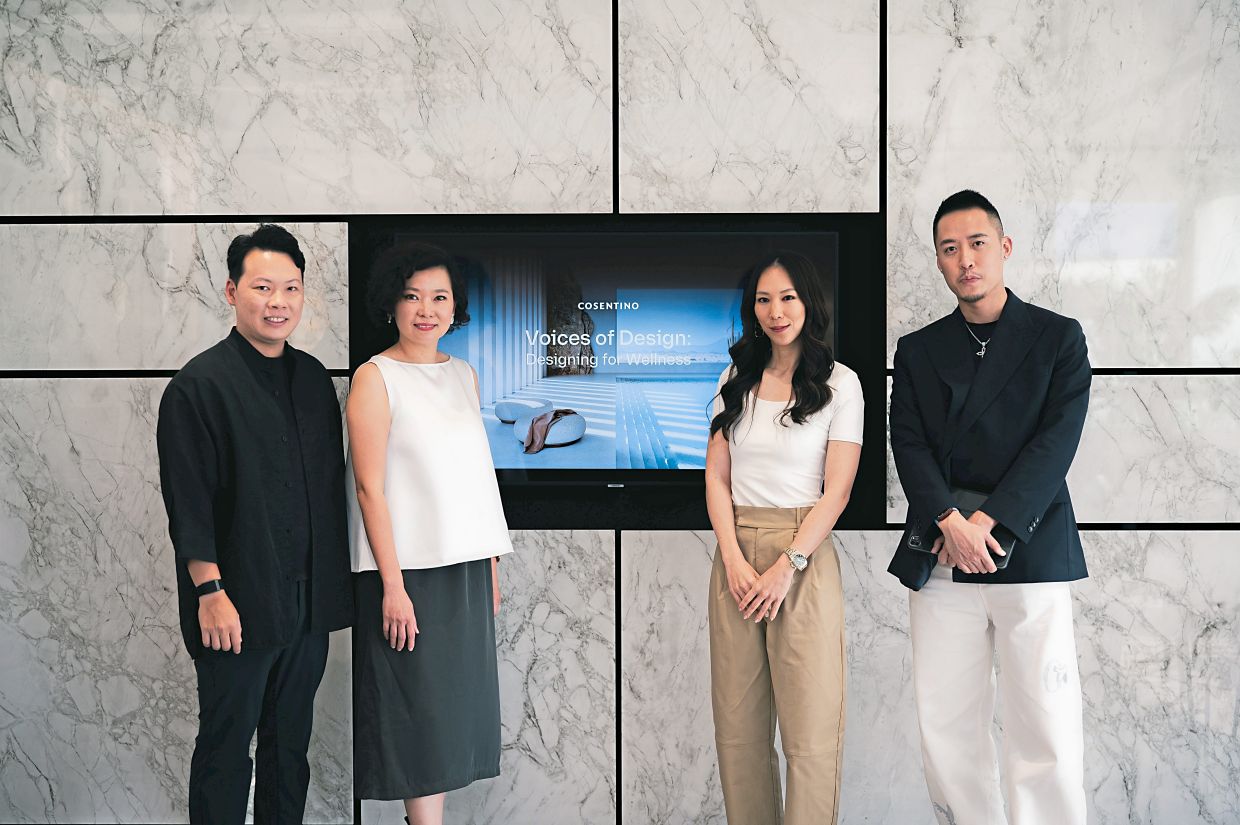
That was the focus of “Voices of Design: Designing for Wellness”, a talk organised by Cosentino in partnership with Matthew Lim Associates.
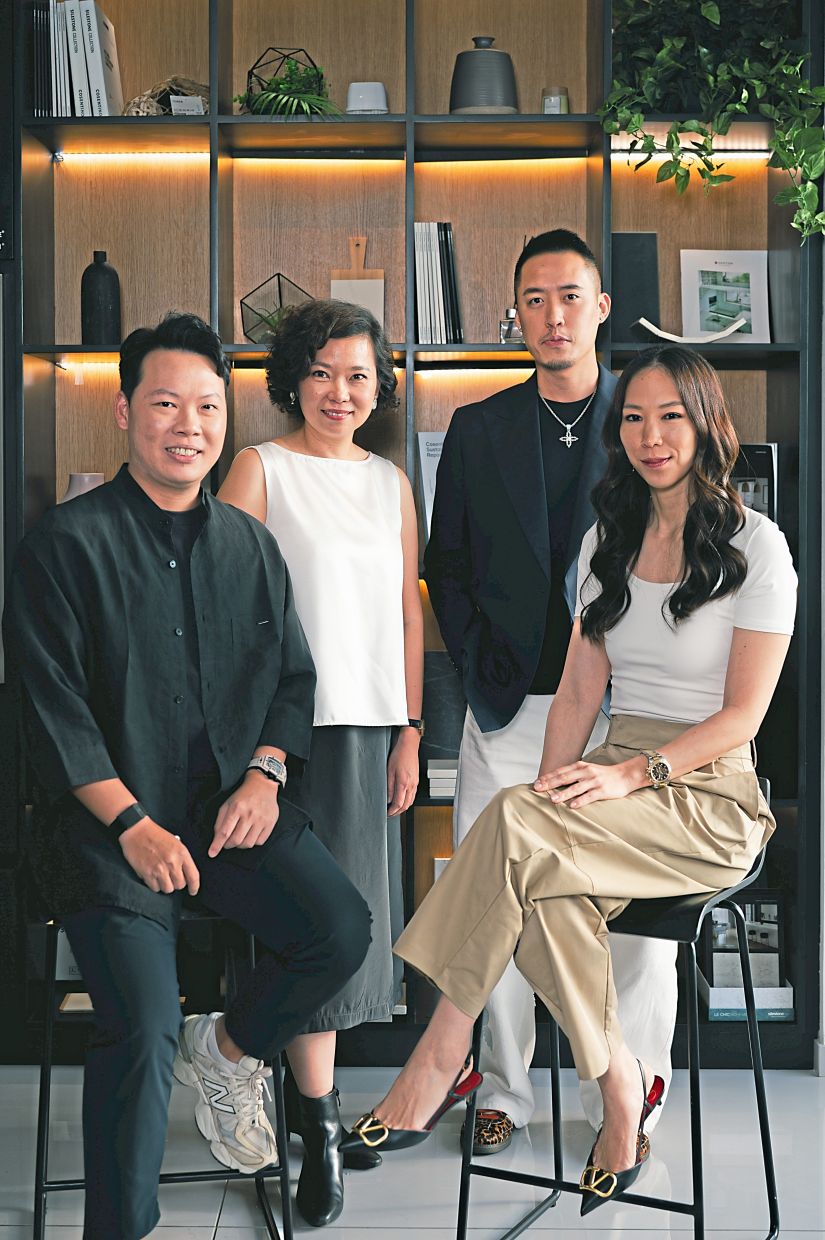
Bringing together entrepreneur Bryan Loo, Design Matter director architect Wong Hui Yi and Millennia Village executive director Diane Chia, the discussion explored how architecture and interior design shape not just beautiful environments, but healthier ways of living.
While each panellist approached wellness from a different perspective, they shared a common belief: successful wellness design is often invisible, and it quietly influences how people move, interact, rest and reconnect.
For many, wellness begins once they step into a spa, gym or peaceful home, but Wong believes it starts much earlier.
“The journey begins before you even enter the building,” she explains. “It’s about the approach, arrival sequence and transition from the outside world into another state of mind.”
Instead of viewing a building as a single destination, she encourages designers to think of it as a sequence of experiences.
Every moment – from the entrance and circulation spaces to quiet corners and final destination – contributes to how people ultimately feel.
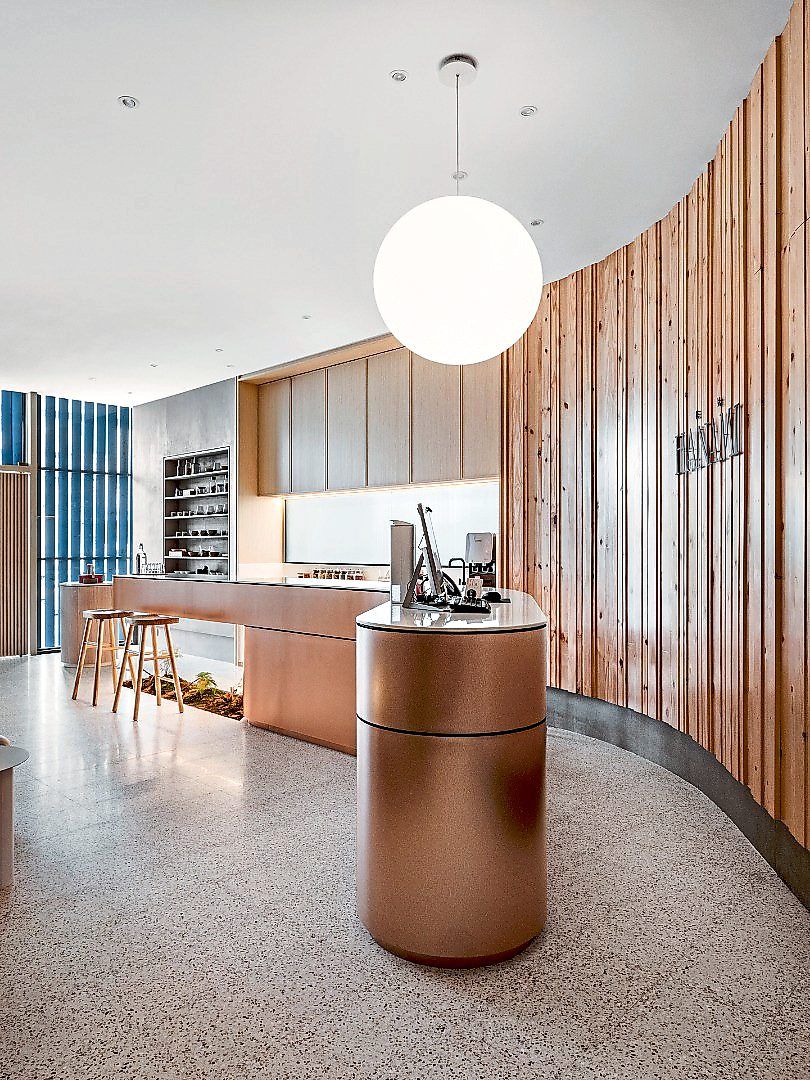
Wong applies this philosophy in her design of Hanami Urban Spa-scape, where visitors gradually move through landscaped gardens, reception areas and spa experiences designed to slow the pace of everyday life.
Rather than creating individual “wow” moments, the project gently eases visitors into a calmer mental state, she says.
The same principle can be applied beyond luxury spas.
In Malaysian homes, it could mean creating a shaded entrance courtyard that buffers the transition from a busy street into a peaceful interior. In offices, it may involve replacing dark corridors with naturally lit communal spaces that encourage spontaneous interaction.
Retail environments, meanwhile, can invite customers to slow down and explore instead of rushing through displays.
The idea is particularly relevant in Malaysia’s tropical climate, where gardens, terraces, filtered daylight and natural ventilation can become integral parts of everyday spaces rather than decorative afterthoughts.
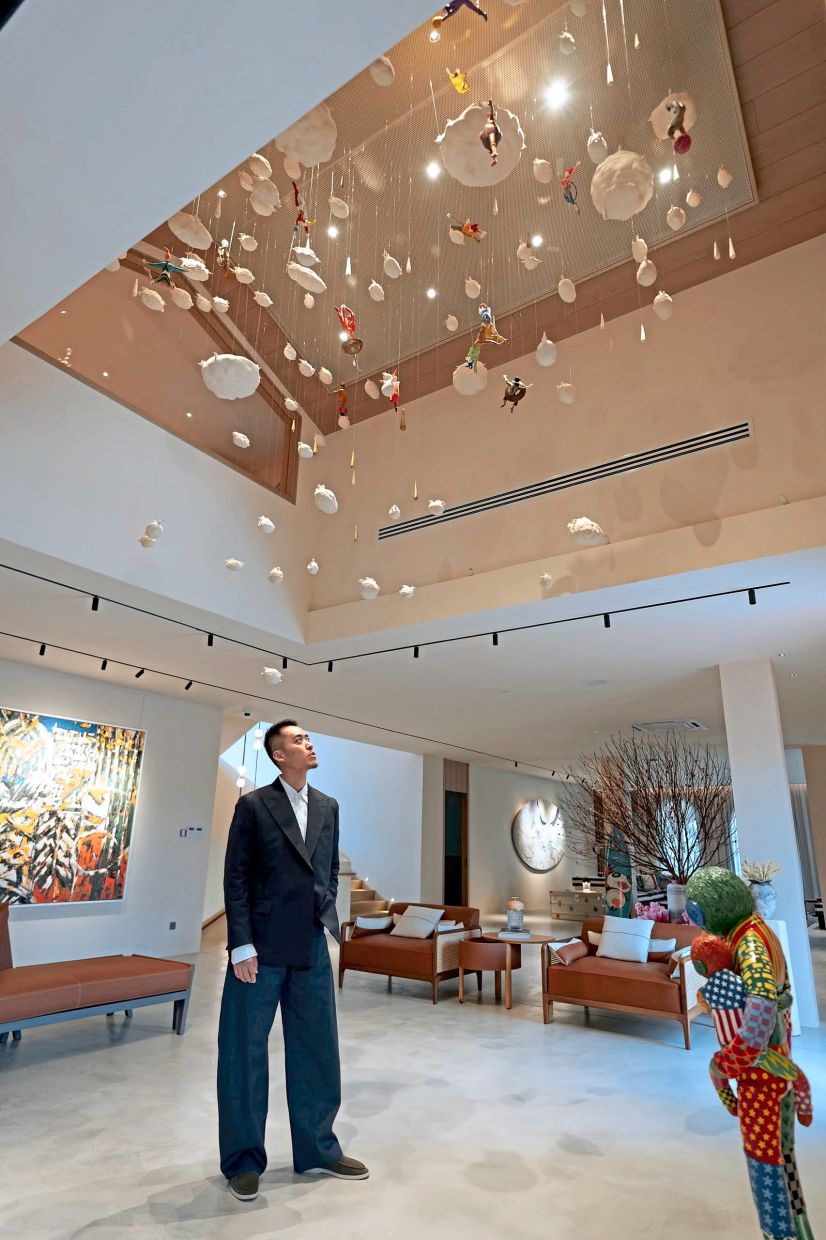
When designing his own home, instead of traditional ideas of luxury, he chose spaces that help him recharge.
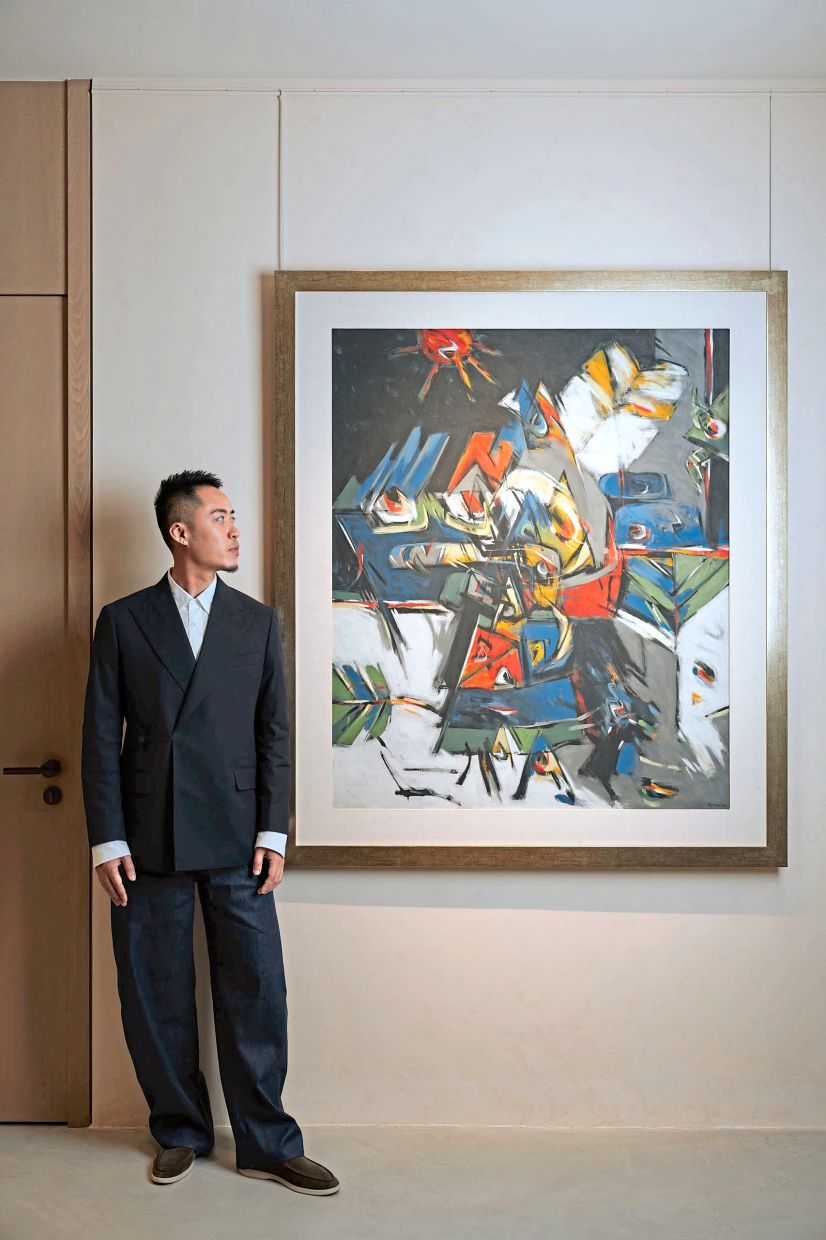
Rather than incorporating expensive finishes or statement furniture, Loo centres the home around his art collection, allowing paintings by Malaysian and international artists to take precedence.
“The design challenge wasn’t finding beautiful furniture,” he said. “It was making sure everything else – the furniture, walls, light – became quiet enough so that the art could breathe.”
The resulting Mediterranean-inspired palette uses muted colours and understated materials to create visual calm instead of compete for attention.
His approach reflects an important shift in wellness design: spaces should support the people who use them, rather than conform to latest trends.
Looking back, however, Loo says one unexpected design decision has had the greatest impact on family life.
His home’s dedicated wellness wing – which includes a gym, swimming pool, sauna and pickleball court – has transformed exercise from an occasional activity into a part of everyday living.
“Instead of scheduling trips to external facilities, wellness is now woven into our family routines at home. The children spend weekends playing pickleball instead of looking at screens, while swimming or relaxing in the sauna has naturally become part of daily life,” he reflects.
“Natural light, smooth circulation and emotional comfort are often more powerful than dramatic architectural gestures.”
Wong agrees that successful wellness design rarely calls attention to itself.
“People might not consciously notice carefully positioned windows, thoughtful acoustics or harmonious materials. Yet these subtle elements influence mood, concentration and comfort throughout the day.”
This holistic approach also challenges the misconception that wellness can be achieved simply by adding fashionable features.
“A checklist of amenities doesn’t automatically create wellbeing,” Wong notes.
“Instead, orientation, ventilation, daylight, acoustics, landscape, circulation and material selection should all work together from the early stages of design.
“When wellbeing becomes the guiding principle from the outset, wellness stops being an add-on and becomes good architecture.”
Wellness-focused design is also sometimes associated with premium developments or expensive technology.
However, Wong believes some of the most effective interventions cost very little when considered early in the design process.
Thoughtful building orientation can maximise natural daylight while reducing heat gain.
Cross ventilation improves comfort while lowering energy consumption. Small courtyards, framed garden views or shaded outdoor spaces can create moments of calm without significantly increasing construction costs, she cites as examples.
Ultimately, wellness is more about making better design decisions than spending more, she says.
Material selection also plays a significant role. Rather than viewing finishes purely through an aesthetic lens, designers should consider how materials affect hygiene, durability, maintenance and long-term comfort. Texture, too, contributes to emotional wellbeing.
For Loo, natural stone, lime-washed walls, timber and soft textiles create a tactile richness that feels calming without overwhelming the senses.
His lighting strategy similarly layers ambient, accent and diffused illumination to create spaces that feel alive rather than theatrical.
“The effect I wanted was a room that breathes instead of one that performs,” he says.
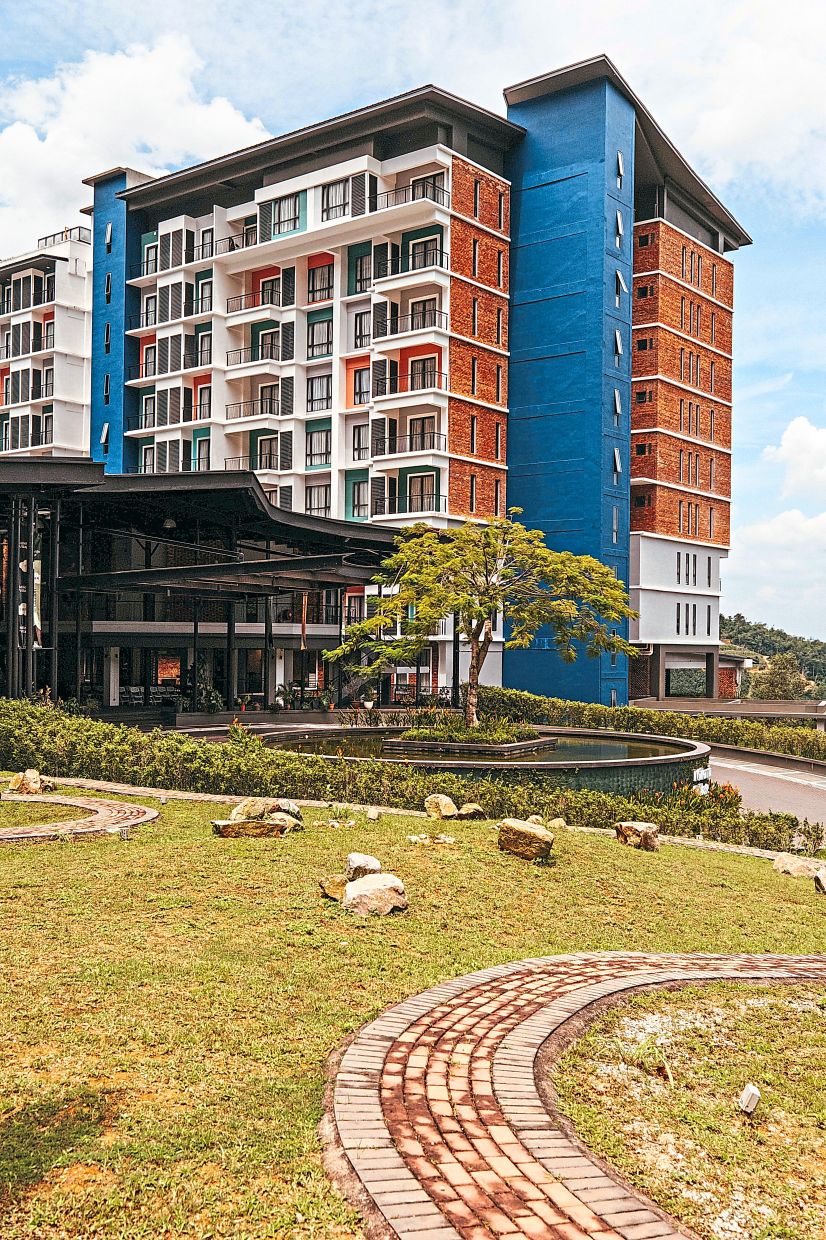
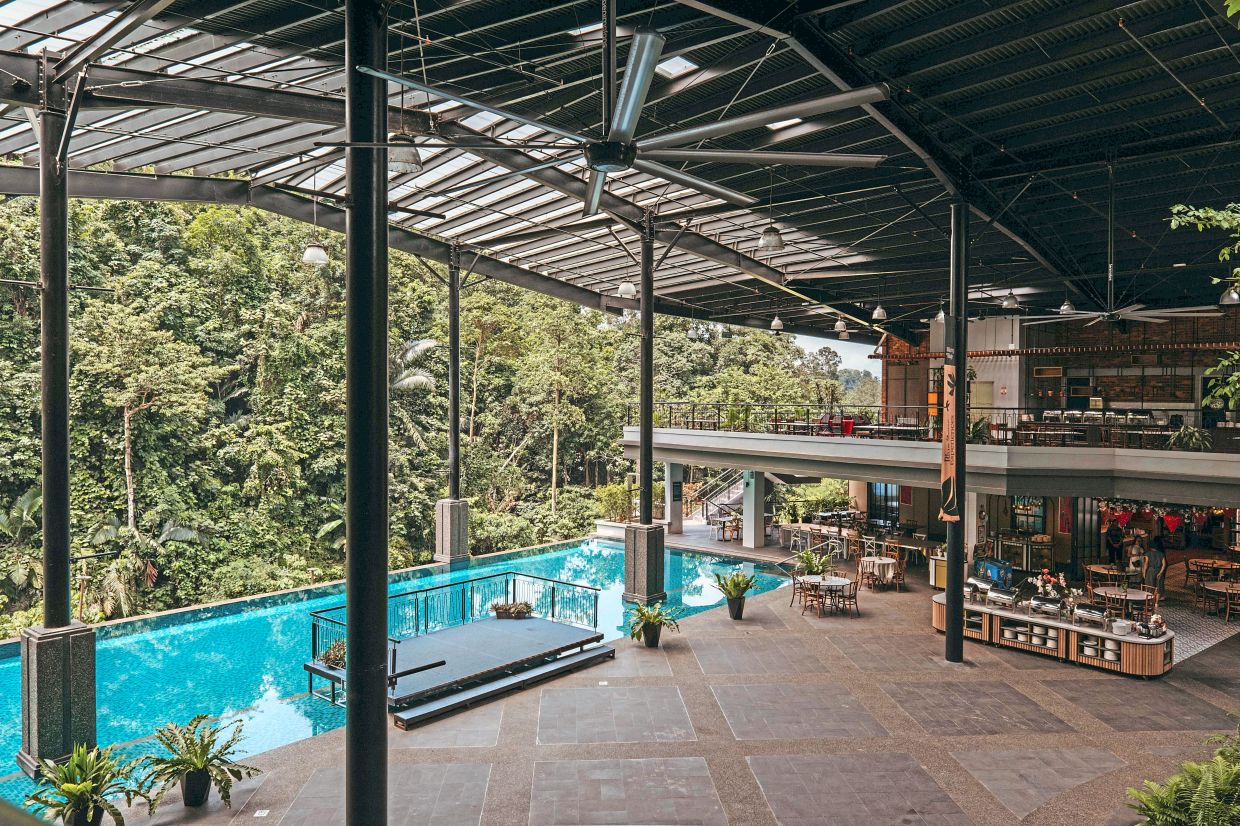
At Millennia Village, design decisions intentionally encourage interaction through shared gardens, composting stations, working farms and outdoor gathering spaces.
Interestingly, many of the strongest community moments have emerged organically, she observes.
“Residents have begun gathering for durian parties, children have learnt about farming, while evening stargazing has became an informal social activity.
“We didn’t schedule community bonding,” Chia explains. “We simply created the conditions.”
As Malaysia’s population ages, she believes wellness-focused neighbourhoods will become increasingly important.
Drawing inspiration from residential developments in China, where outdoor fitness gardens are integrated into residential compounds, Chia says that movement should become a natural part of daily routines rather than something requiring extra motivation.
She also believes designers need to engage more closely with older adults themselves.
“Too often, spaces for seniors are shaped by assumptions rather than conversations with those who will actually use them.
“Simple layouts, familiar materials and culturally meaningful references may have greater impact than fashionable aesthetics. Ultimately, designing for wellness is about understanding how environments influence behaviour, emotions and everyday routines.
“When thoughtfully designed, architecture becomes more than shelter. It quietly encourages people to slow down, move more, connect with others and feel at ease – often without them realising why,” she says.
“Perhaps that is the greatest measure of wellness-centred design: not how impressive a space looks, but how much better people feel after spending time within it,” she concludes.
Designing for wellbeing
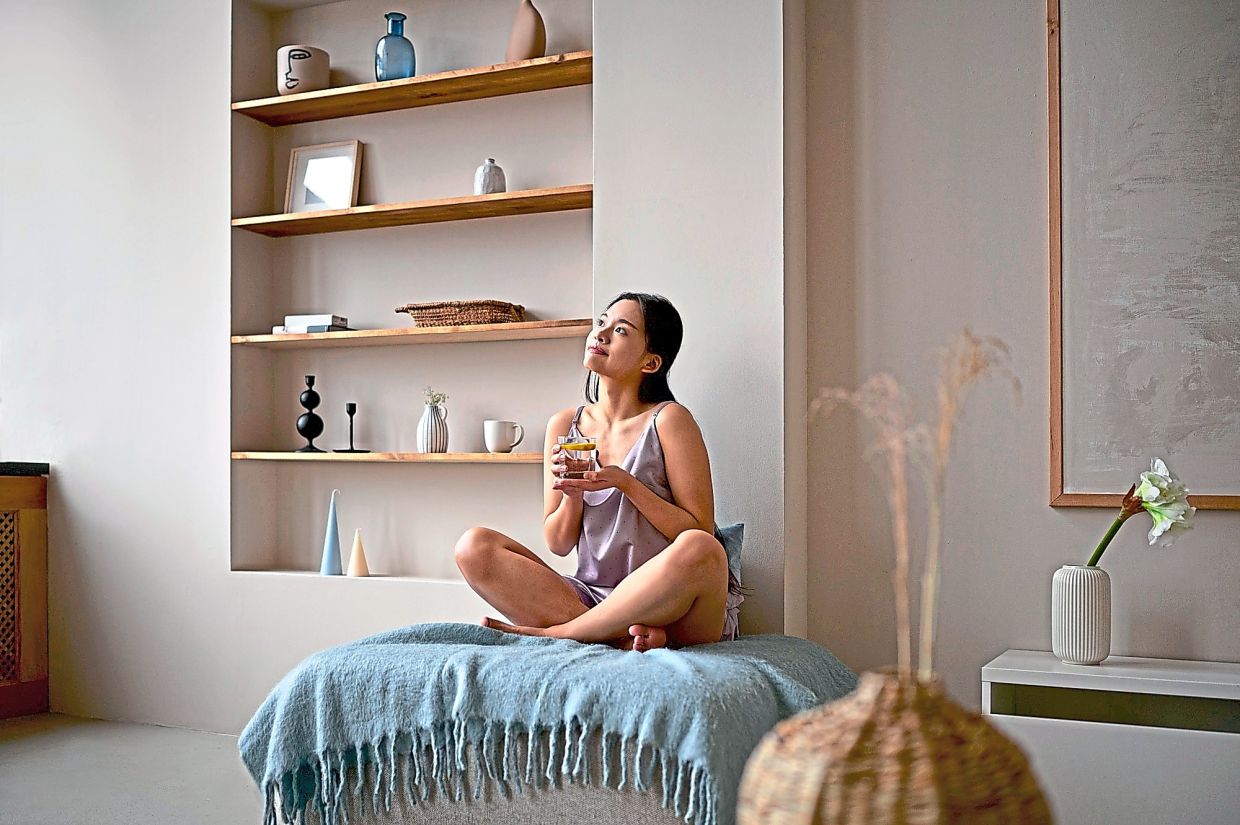

Wellness design prioritises the physical, mental and emotional health of a space’s occupants. Photo: Magnific
Moderator Lim, with panelists Wong, Chia and Loo.
(from left) Moderator Lim with panelists Wong, Loo and Chia.
When designing his own home, Loo chose spaces that help him recharge and focused his home around his art collection, including this ceiling sculpture. Photo: Bryan Loo
Loo centres his home around his art collection, allowing paintings by Malaysian and international artists to take precedence. Photo: Bryan Loo
Every moment – from the entrance and circulation spaces to quiet corners and final destination – contributes to how people ultimately feel, says Wong, citing her design of Hanami Urban Spa-scape (pictured) as an example. Photo: Design Matter
In the Hanami Urban Spa-scape project, visitors gradually move through landscaped gardens, reception areas and spa experiences designed to slow the pace of everyday life. Photo: Design Matter
Millennia Village is designed to encourage interaction through shared gardens, composting stations, working farms and outdoor gathering spaces. Photo: Millennia Village
As Malaysia's population ages, Chia believes wellness-focused neighbourhoods such as Millenia Village (pictured) will become increasingly important. Photo: Millenia Village