
From the outside, Kolektif Kucing may seem like another humble home. But walk through the doors and you’ll be greeted by small furry guests, each with a different story and a place in the lives of the people caring for them.
Kolektif Kucing co-founders Khairina Ibrahim and Wan Mohamad Hidayat Wan Mohd Sallehudin would always introduce the cat who marked the beginning of their endeavour in helping strays find new homes.
Meet Professor, a black feline who used to be a fixture outside their go-to nasi lemak shop by the same name in Wangsa Maju, Kuala Lumpur. She would work her way from table to table for food scraps from the diners.
The husband-and-wife pair would feed her whenever they saw her, but when she started turning up less, worry started to set in for them.
They had stepped back from rescuing because of the costs involved. With cats of their own at home, they had to place them in cat hotels, where the fees quickly added up. The cats would also spend months waiting to be adopted while living in confined spaces.
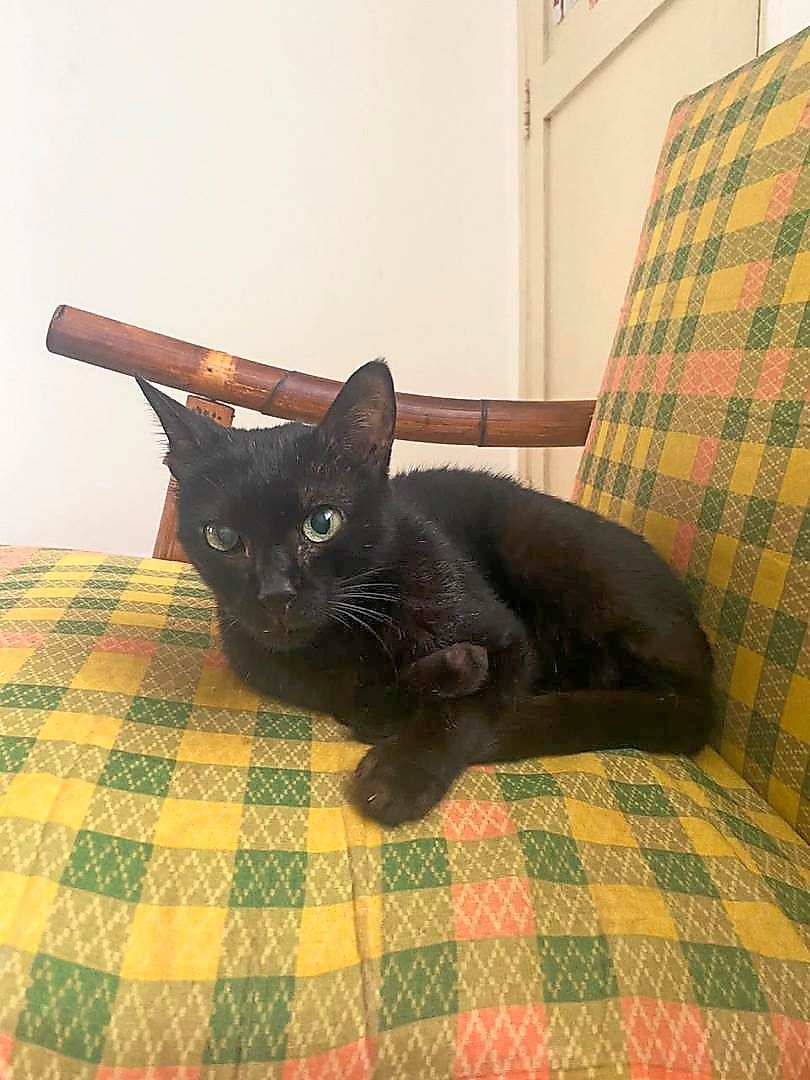
“With Professor, we finally felt ready to start rescuing again, but this time to do it differently and more financially sustainable,” says Khairina.
That decision led to the opening of Kolektif Kucing in 2025. Today, the initiative operates from two branches, one in Sam Mansion Flat, Kampung Attap and the other in Wangsa Maju, where Professor is now homed.
But they didn’t want the space to be for Professor or their own rescued cats alone. They wanted to make it available to other rescuers who needed a place for the cats they had taken off the streets.
Doing the hard work
However, Kharina is quick to make the distinction that Kolektif Kucing is not a cat shelter. Rather, it provides a fostering space for rescued cats to rehabilitate before being adopted by loving families.
Community rescuers pay a fostering fee significantly lower than conventional boarding options. In turn, the cats get to live in a comfortable, home-like environment as they wait for adoption.
It also helps ease the financial burden on rescuers, who may already have spent considerable sums on veterinary treatment and other necessities.
“The rescuers are the ones doing the hard work of making sure the cats are healthy after being rescued. We become part of the journey later on,” explains Khairina.
The maximum number of cats they’re able to house in Kam-pung Attap is 10, and six in the Wangsa Maju branch. Due to this limited capacity, they may not be able to take in every single cat that comes their way.
“But we are more than happy to walk them through the rescuing process and advise them on the best thing to do for the cats.”
They have also introduced a co-fostering programme, allowing those with suitable space at home to care for a rescue on Kolektif Kucing’s behalf.
Animal Kindness Coalition (AKC) president Asther Lau says that this kind of support network is crucial to making animal welfare work sustainable.
She says rescuers, feeders and advocates each play different roles, and their efforts are most effective when they collaborate.
“When these people work together, we can share information, resources, experience and responsibilities instead of duplicating efforts or struggling alone,” she says.
The financial strain of rescue work is also something she has experienced herself.
AKC grew out of neighbourhood efforts to manage stray animal populations. Lau and other residents in her community have been practising the trap-neuter- vaccinate-release-manage method for stray animals since 2020.
Her experience shows that animal welfare usually begins with ordinary residents taking responsibility for the animals around them, but wider support is required to keep it going.
A chance at a better life
Khairina and Wan Mohamad Hidayat also wanted Kolektif Kucing to be somewhere people can gather, learn about animal care and develop a closer relationship with the cats.
“We notice that there isn’t any space for people who love cats to be together in KL. With cat shelters, it’s more focused on the cats’ welfare, while cat cafes are more commercial,” Khairina notes.
So the team opened its doors to visitors and community events, essentially turning it into a third space. They also have sessions where volunteers can help with the cats’ routines, spend time with them and upkeep the space.
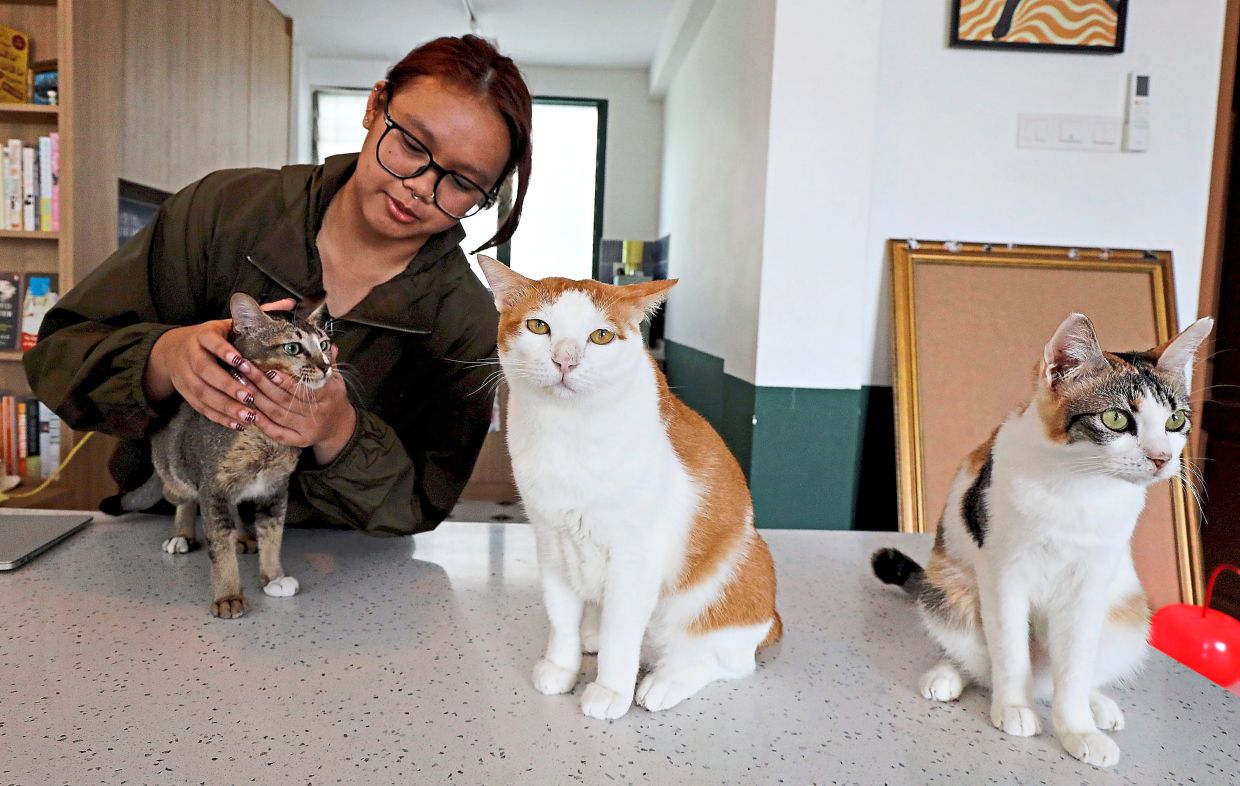
“By opening up to the public, the cats can socialise and get used to being around people. When they get adopted, they will adapt to the new family easier.”
Prospective adopters first attend a meet-and-greet session to get to know the cats, followed by a screening process and a two-week trial period once approved.
The process reflects their belief that finding the right home matters more than getting a cat adopted quickly. They encourage people to meet the animals in person rather than relying solely on photos of the cats.
But letting go of any cat still affects them emotionally. When Tortilla, the longest-staying resident, was adopted, it was a bittersweet affair.
“Of course, we’re very happy to see the cats go to a loving family, but we get sad because of how attached we are to them,” says Wan Mohamad Hidayat, which is why they welcome regular updates from the new owners.
“Burnout is also very much real for us, especially when we have to say ‘no’ to someone because there are only so many cats we can take in. It does affect us knowing we can’t help every single cat out there,” Khairina adds.
But the idea of stepping away from the work they do is not an option they could stomach.
“We started because we wanted to serve people like ourselves. We can’t let them down because if we don’t keep doing this, the cats would have nowhere else to go,” she says.
“Most importantly, rescuers are always in the shadows, so we want to highlight the selfless work that they do for these animals.”
Unity in kindness
While there is still a long way to go, Lau believes perceptions of stray animals are slowly changing.
Social media has given more people across different backgrounds a platform to speak up for animal welfare, while conversations around more humane ways of managing stray populations are becoming more visible.
She also believes that not every stray needs to be rehomed, saying: “Many are already living in the communities they call home. If only we are willing to learn to coexist, as communities have done for generations, there is room for both people and animals to live alongside one another.”
She has also seen compassion in more people, even seeing those who would sacrifice their own meals to ensure a stray doesn’t go hungry.
“We don’t need to be wealthy, influential or even an animal lover to make a difference. Sometimes, simply caring enough not to turn away is already an act of humanity.”
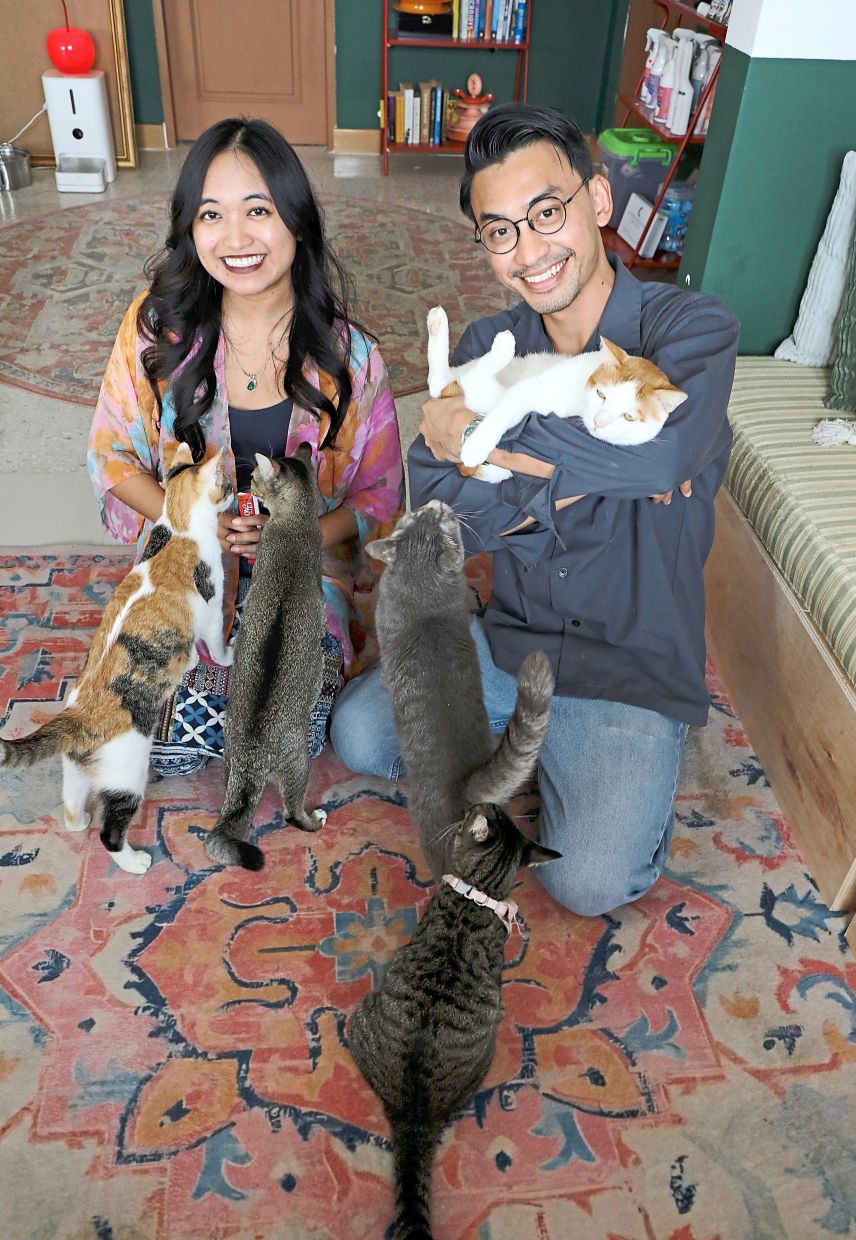
Even those who cannot foster or adopt can play a part in giving stray cats a better life.
Khairina encourages people to begin with the animals in their own neighbourhood by simply ensuring they are fed and well.
“These animals are at the mercy of humans. They need us, and we also need them.
They give us so much happiness, yet they ask so little of us,” says Wan Mohamad Hidayat as he reflects on the importance of being kind to animals.
“As a society, we can disagree on a lot of things, but kindness towards animals is very uniting and it brings us all closer to each other,” Khairina concludes.
Caring for animals in need
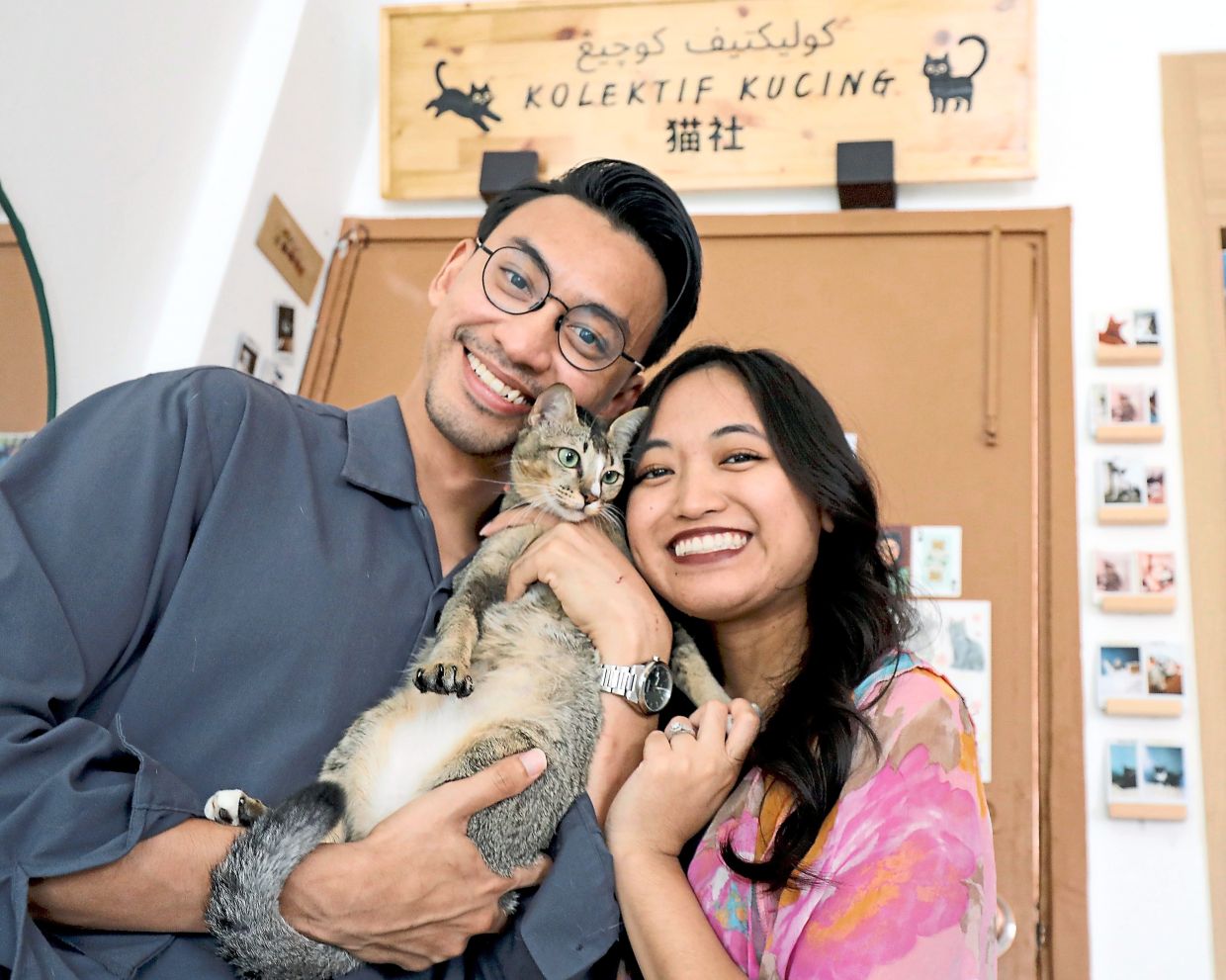
Khairina (right) and Wan Mohamad Hidayat built Kolektif Kucing as a space for rescued cats to rehabilitate before adoption and to make rescuing more accessible. Photos: The Star/Azlina Abdullah
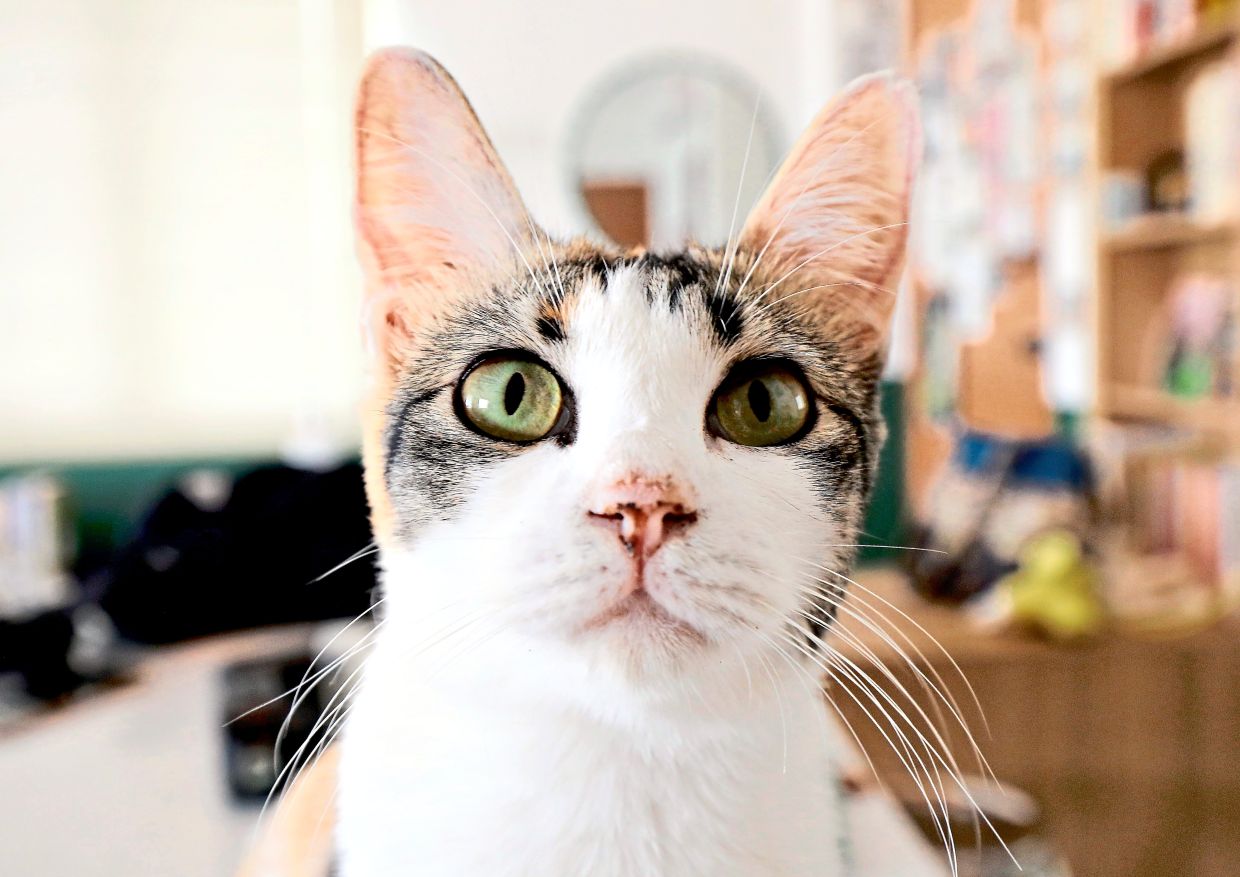
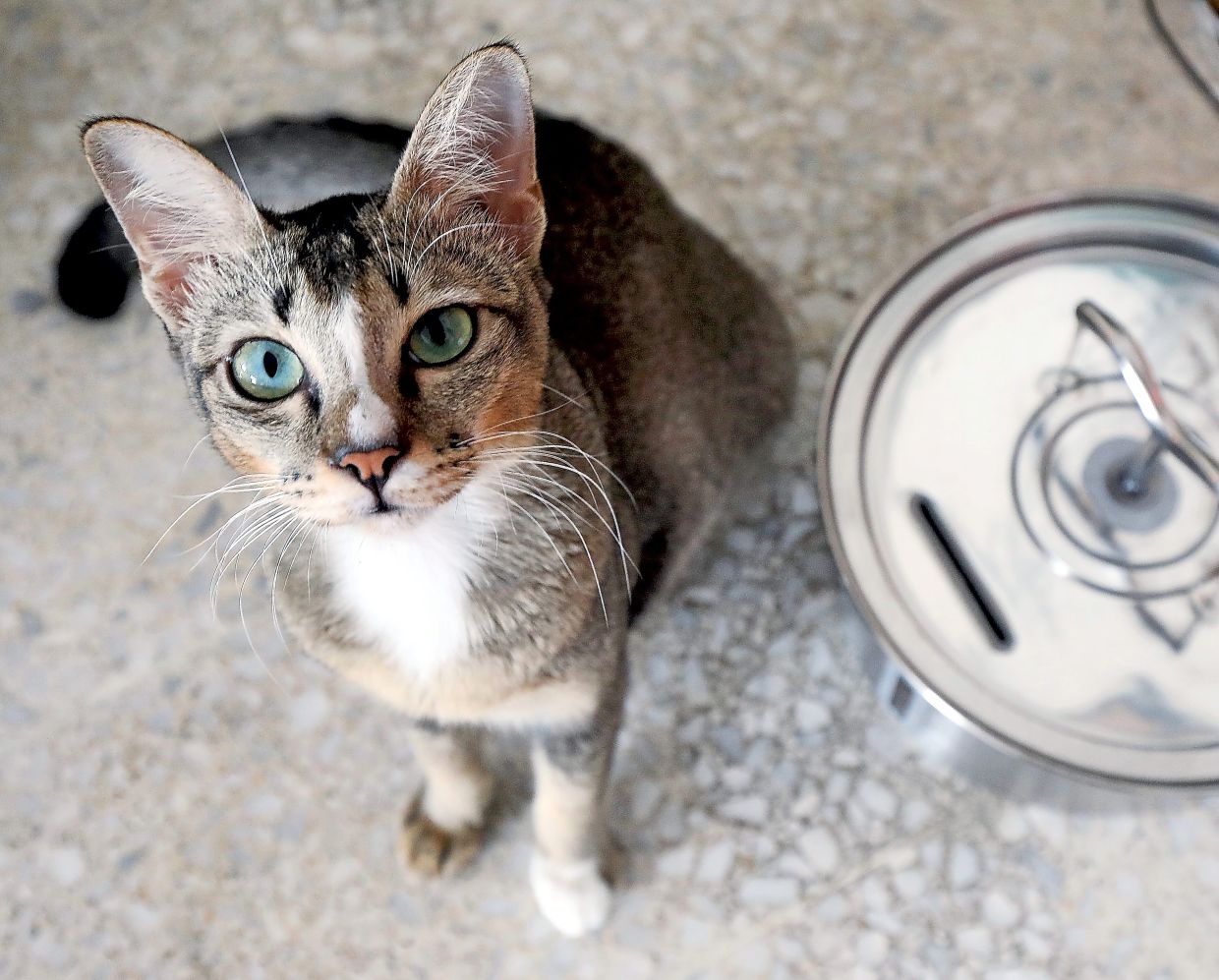
Buttercup, a calico cat, is one of the cats residing in Kolektif Kucing, awaiting her next home.
Photo: The Star/Azlina Abdullah
In Kolektif Kucing, cats get to roam around the space freely and socialise with volunteers and visitors who drop by for events.
Photo: The Star/Azlina Abdullah
Mickey, a female tabby, is one of the youngest cats in Kolektif Kucing who is waiting for a loving family.
The Star/Azlina Abdullah
One of Kolektif Kucing’s cat carers, Dalia Junaidi, looks after the cats during the daytime to ensure all their needs are met.
Wan Mohamad Hidayat (right) and Khairina believes that being kind to animals can unite people together.
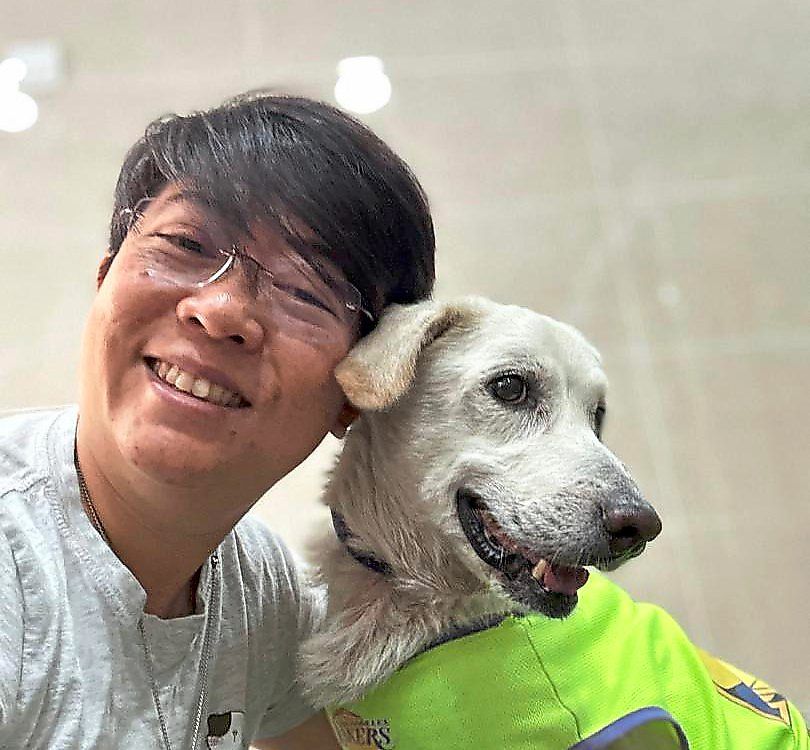
Having a support network where rescuers, feeders and animal advocates work together is important to give stray animals a better life. Photo: Asther Lau
Professor is Kolektif Kucing’s first rescued cat, and she’s currently residing in their Wangsa Maju branch. Photo: Kolektif Kucing