
Across almost every species, bigger animals live longer. Among dogs, the opposite holds true, and a new wave of genetic research is finally explaining why.
Small and medium breeds dominate the longevity charts, with several routinely reaching their mid-to-late teens: rat terrier (12 to 18 years), shih tzu (10 to 18 years), chihuahua (14 to 16 years), dachshund (12 to 16 years), toy poodle (12 to 18 years), Jack Russell terrier (13 to 16 years), Australian cattle dog (12 to 16 years).
Veterinarian and senior veterinary communications manager at Purina Dr Callie Harris told Reader’s Digest: “Shih tzus are great family dogs. They love to be loved and give it back very easily.” The Australian cattle dog is the biggest breed on that list, and one member of it holds the all-time record. Bluey, an Australian cattle dog, lived 29 years and five months per Guinness Book of World Records, a longevity likely tied to a working-dog lifestyle. The average pet dog lives 10 to 13 years, according to Pet MD.
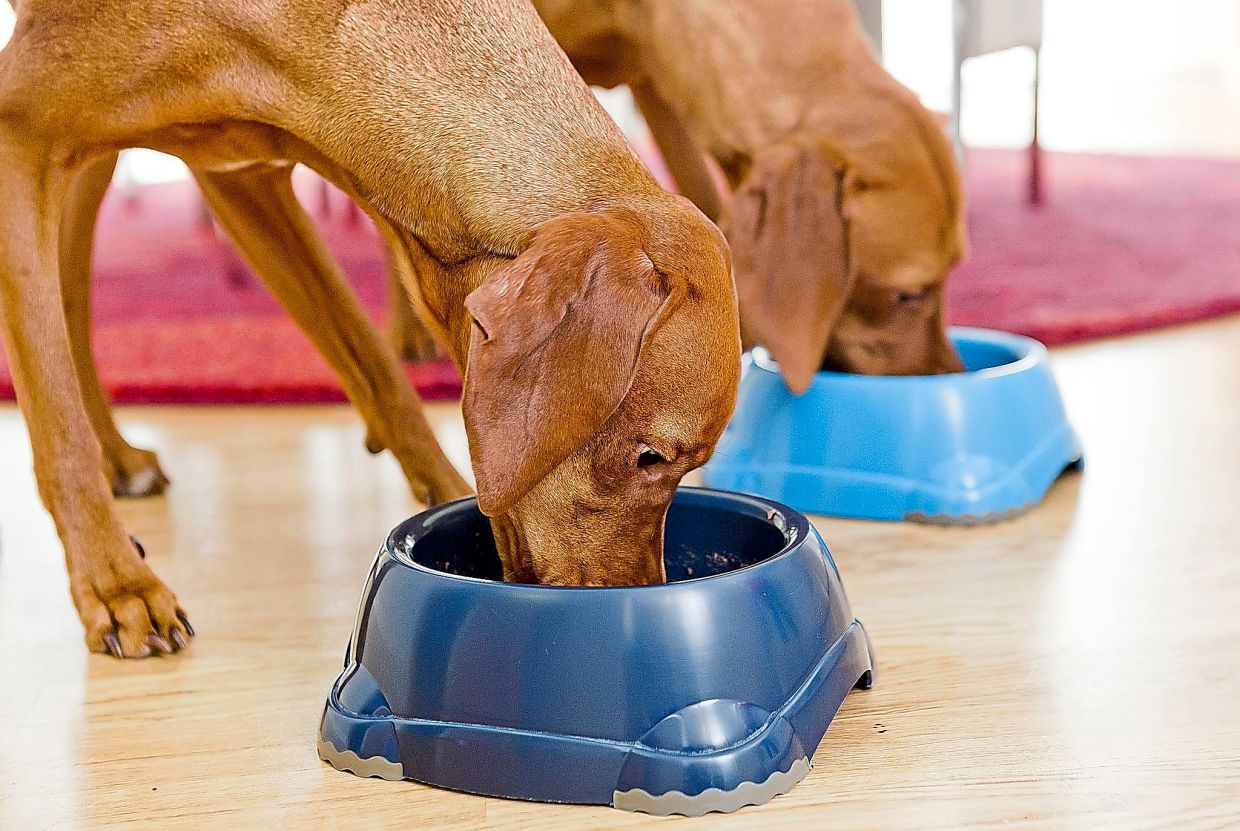
Blame the jumping genes. A first-of-its-kind analysis published in the journal Science pins accelerated ageing in bigger dogs on self-replicating stretches of DNA called LINE1 that copy and paste themselves across the genome.
Think of methylation as a chemical lid that keeps LINE1 quiet. When the lid loosens, LINE1 jumps around, DNA damage piles up and biological ageing speeds up. Larger dogs lose 35% more LINE1 methylation than smaller dogs, based on an analysis of 864 dogs enrolled in the Dog Aging Project.
Noah Snyder-Mackler, a professor at Arizona State University and co-author of the study, told Campus Insights Media, “In certain breeds, particularly those that are larger, that biological ticking happened faster.” The pattern bucks what scientists see elsewhere in the animal kingdom and helps explain why great danes rarely outlive golden retrievers or pugs.
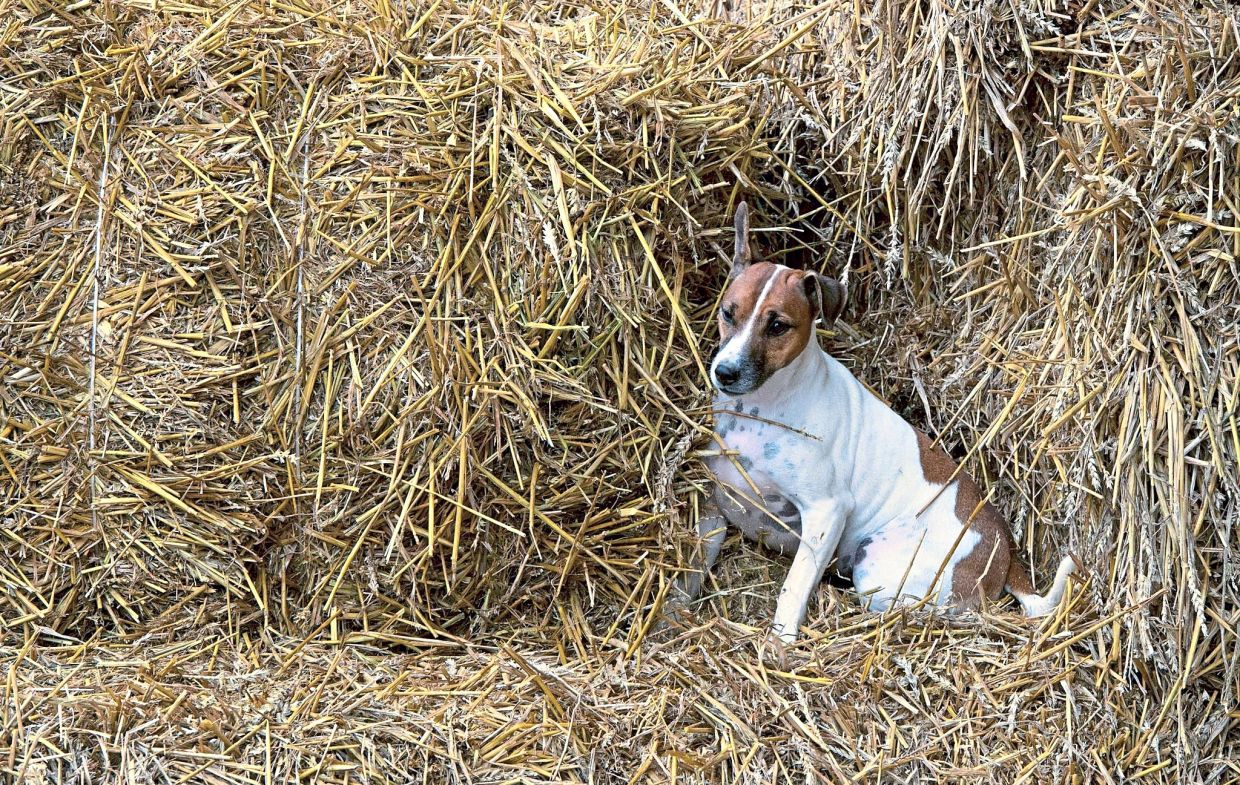
Usually, yes. Mixed breeds tend to outlive purebreds because a wider genetic pool lowers the risk of inherited disease.
Purebreds come from parents with similar genes, which raises hereditary risks. Some breeds also carry traits that quietly cut lives short. Brachycephalic dogs like English Bulldogs, for instance, face higher heatstroke and respiratory risks because of a narrow trachea. New research also shows size, breed and genetic background matter far more than the old “dog years” math.
Keep them lean, keep them moving and don’t skip annual vet checkups. Purina’s 14-year “Life Span Study” followed 48 labrador retrievers and found dogs kept at an ideal lean body condition lived an average of 1.8 years longer, about 15% more of their expected lifespan, than littermates carrying extra weight. The leaner dogs also had delayed onset of chronic disease and less severe osteoarthritis.
Dr Jeff Munn of Poplar Animal Hospital in Concord told North Carolina Veterinary Medical Association (NCVMA): “Regular movement is one of the best gifts you can give your dog (and yourself). I recommend getting outside for at least 30 minutes of walking every day.
Breaking exercise into two or three shorter walks can be just as beneficial as one longer outing as the weather warms up. This simple habit helps maintain a healthy weight, supports joint health, keeps the cardiovascular system strong, and provides mental stimulation that reduces anxiety and boredom-related behaviours.” – Miami Herald Los Angeles/ dpa