In Indian cooking, garam masala is particularly ubiquitous – scattered like the wisdom of a wise sage in a litany of dishes from mutton keema (minced mutton dry-fry with spices) to butter chicken, channa masala (chickpea gravy), biryani, vegetable raitas and tarka dhal (lentil dish).
What is garam masala? The term means “hot or warm spices”, but the heat alluded to is not centred on fiery appeal; rather it’s about the undulating bloom of spices that the multi-layered spice mix provides in terms of adding depth and flavour to meals.
Garam masala can be made up of a multitude of spices but typically includes warming, sometimes sweet spices like black pepper, cumin, coriander, cloves, cinnamon and star anise, to name a few. It most often refers to a powdered, multifaceted spice mix made up of dry-roasted spices that are then finely milled.
Garam masala in its modern spice-mix configuration is thought to have taken shape during the Mughal empire in the 16th century when complex spice mixes were crafted to add flavour to more elaborate rice and meat dishes.
Trade routes introduced cinnamon from Sri Lanka and nutmeg and cloves from Indonesia, which were all eventually folded into the garam masala family.
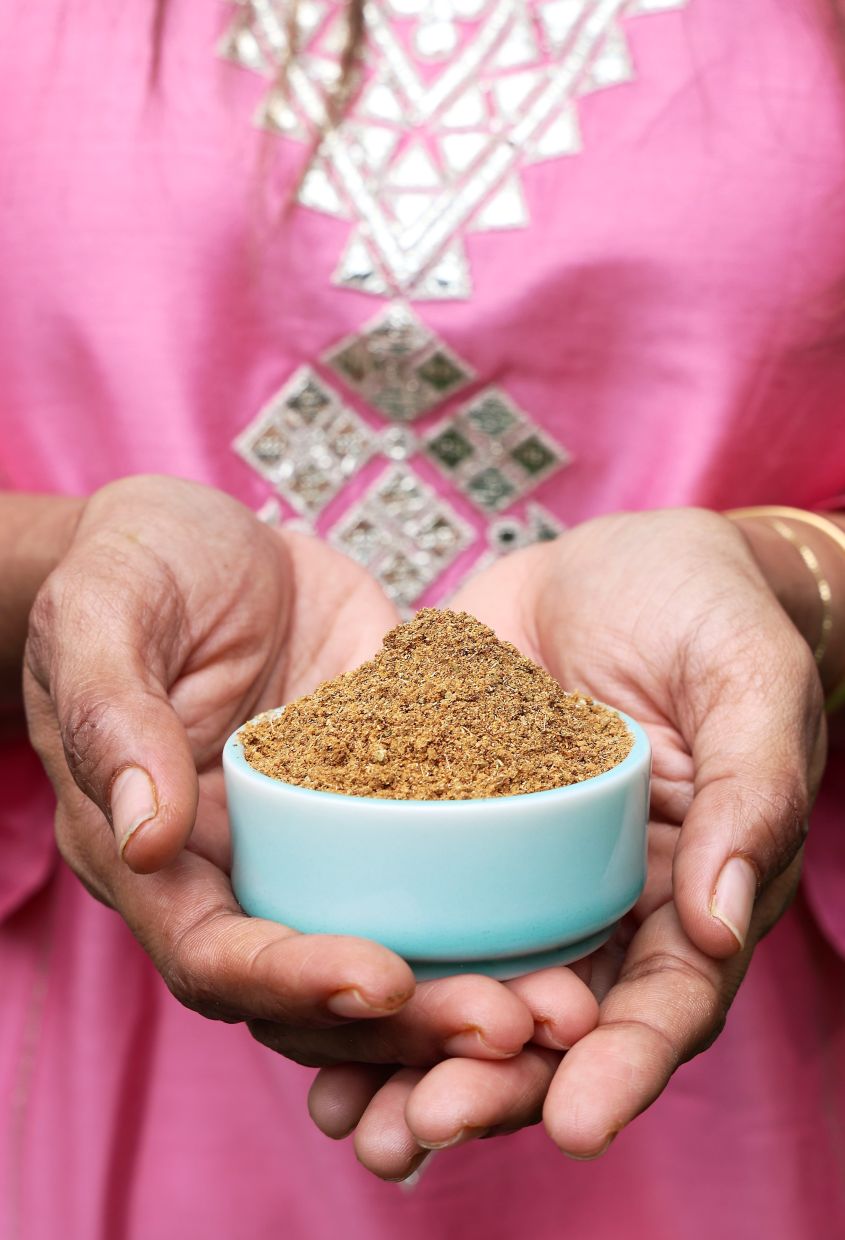
In Ayurveda, garam masala doesn’t require a long laundry list of spices but should have all six tastes – sweet, sour, salty, bitter, sour, pungent and astringent – all of which must be combined to create a balanced spice mix. Traditionally, the Ayurvedic belief system also espouses the virtues of the spice mix, which is believed to improve digestion and lower blood sugar.
In the old days, families would develop their own particular blueprint for garam masala – no two recipes were the same and the mixes became the foundational force of individual family heirloom dynastic models.
In today’s modern world, the practice has faded a little as a result of easily available pre-made garam masala spice mixes. Still, for some home cooks, homemade garam masala continues to be a key component of their daily meals.
Family favourite
Sapna Nair is a seasoned food personality who has hosted television shows like Fast Indian Cooking With Sapna on the Asian Food Channel and written cookbooks like New Indian Kitchen.
Sapna grew up in the southwestern state of Goa in India, which was a melting pot of people from different parts of the country. This is how she was introduced very early on to regional variations of garam masala.
“Goa is a coastal town and we had a lot of people who came to live there who were navy personnel from different parts of India. So I had neighbours from Gujarat (state along the western coast of India), Mumbai (India’s largest city) and Maharashtra (state in the western peninsular region of India).
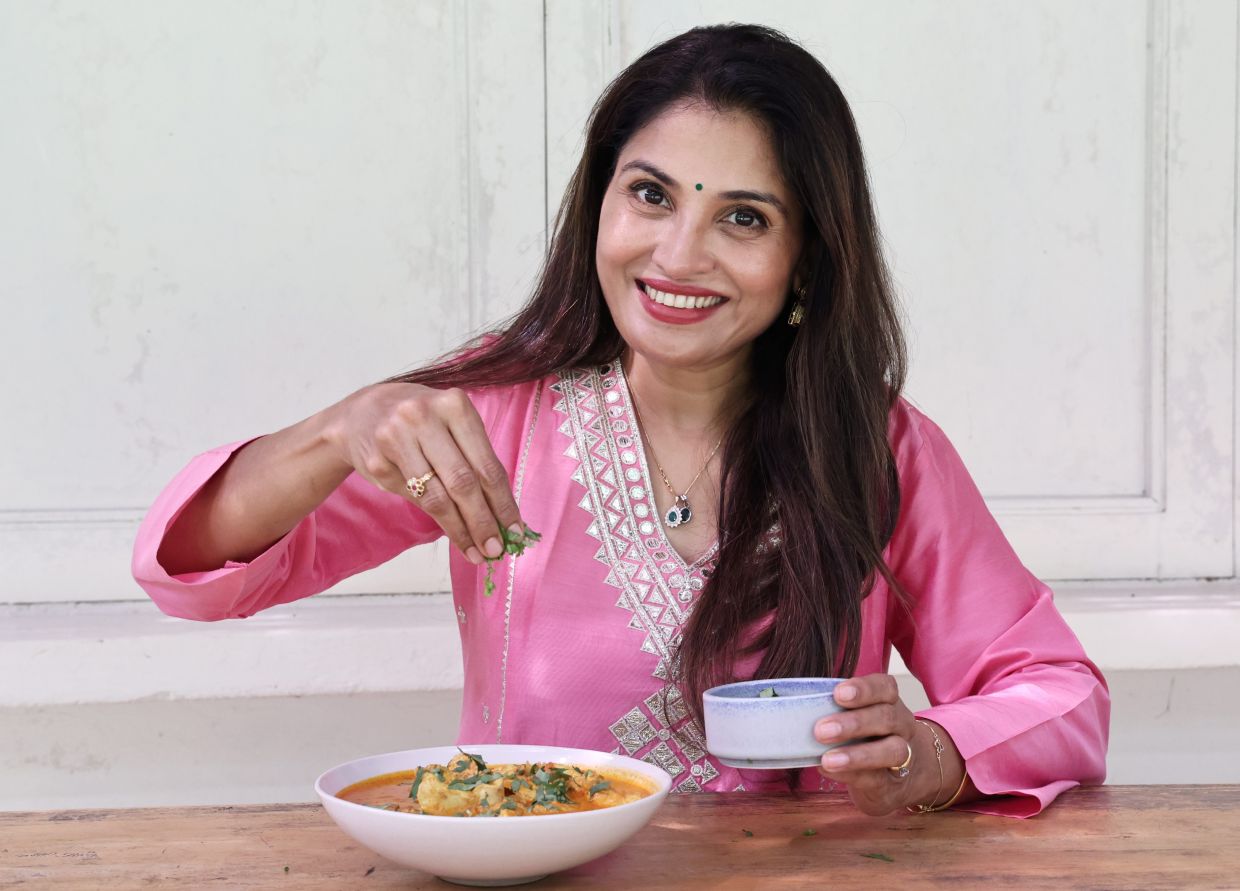
“So during the festive seasons, everyone would send food over and that’s when I noticed that everyone made a different garam masala spice mix to suit the region.
“The Goan Catholic community, for instance, would add a lot of pepper and red chilli to their garam masalas and the Gujaratis and Maharashtrians would do it differently. And my mother’s spice mix is very Kerala-style, which has a lot of fennel seeds and coriander and whole spices like nutmeg and green cardamom because Kerala grows a lot of green cardamom,” explains Sapna.
These regional variations continue to abound, with permutations dependent on preferences and predilections in different areas. In northern Indian versions, sweeter spices like cinnamon, cloves and green cardamom are prominent while in the northernmost region of Kashmir, black peppercorns and dried chillies play starring roles. South Indian iterations, meanwhile, typically call for star anise, fennel seeds and dried red chillies.
Sapna says that in India, there is a resurgence in interest in homemade regional variations of garam masala. While home cooks may not be making it themselves, many small artisanal producers have emerged, eager to sell their spice mixes to discerning consumers.
“About 20 years ago, I would still say that everybody was just buying store-bought brand-name garam masala, especially busy working people with no time to make their own.
“But in recent years, I have noticed that there are so many people selling homemade garam masala specific to different regions, so that is a recent change. I discovered three different garam masalas this way, so I’m learning so much through these different variations. Before I knew so little, but now I feel like the world is opening up,” says Sapna.
Making garam masala
Sapna says it is actually relatively easy to make homemade garam masala – even for those who may be neophytes in the kitchen.
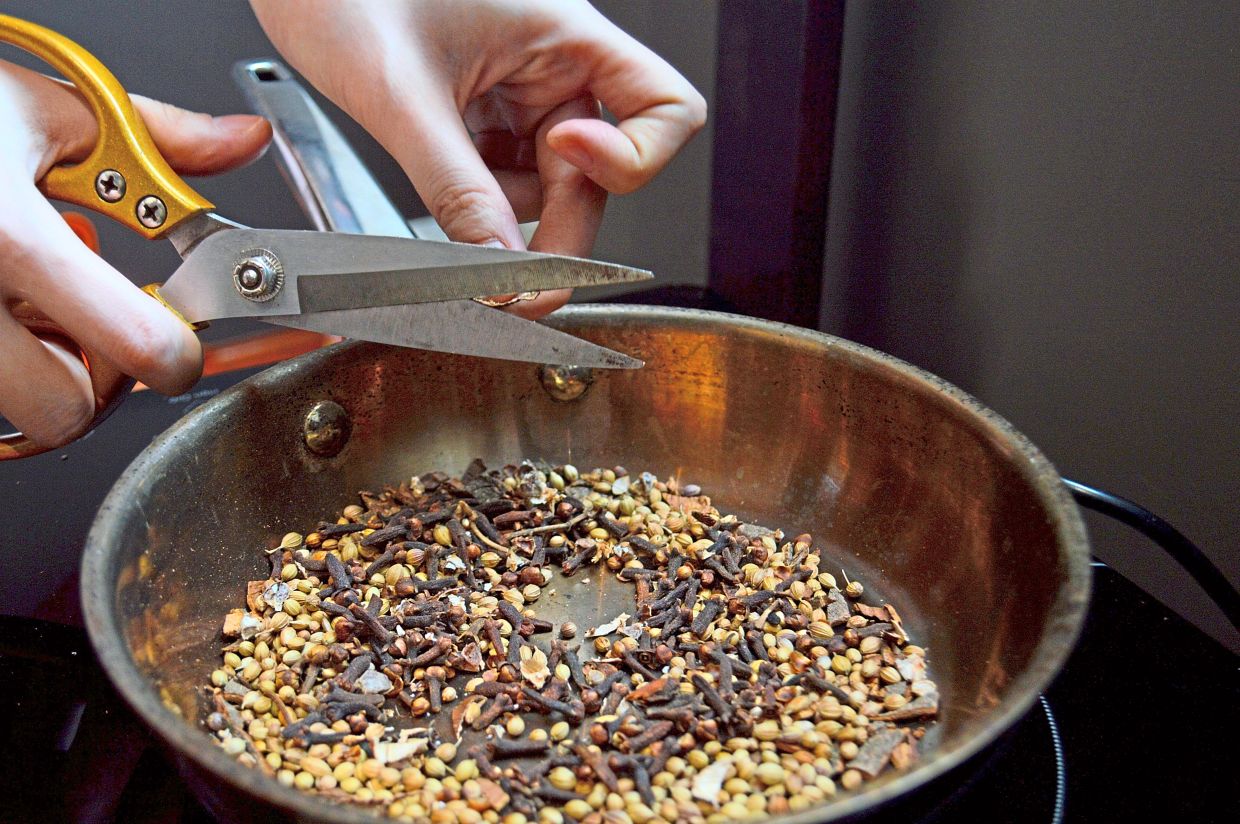
To make the mix, the selected spices first have to be dry-roasted over a pan to release their oils and aromas before being ground to a fine powder. Sapna says both processes are important for extracting the best flavour.
“When you roast the spices, it’s very important that you roast it on low heat. Do not over-roast it. Roast it till you feel that it’s warm to the touch in your hand, then stop and grind it once it’s cool. Also, only roast whole spices; never powdered spices. If you’re using powdered spices, just warm it in the pan – anything more and it’ll burn and become like ash.
“Basically, when you roast and grind the spices, you are activating the oil and the flavours and you want it all to come out,” she says.
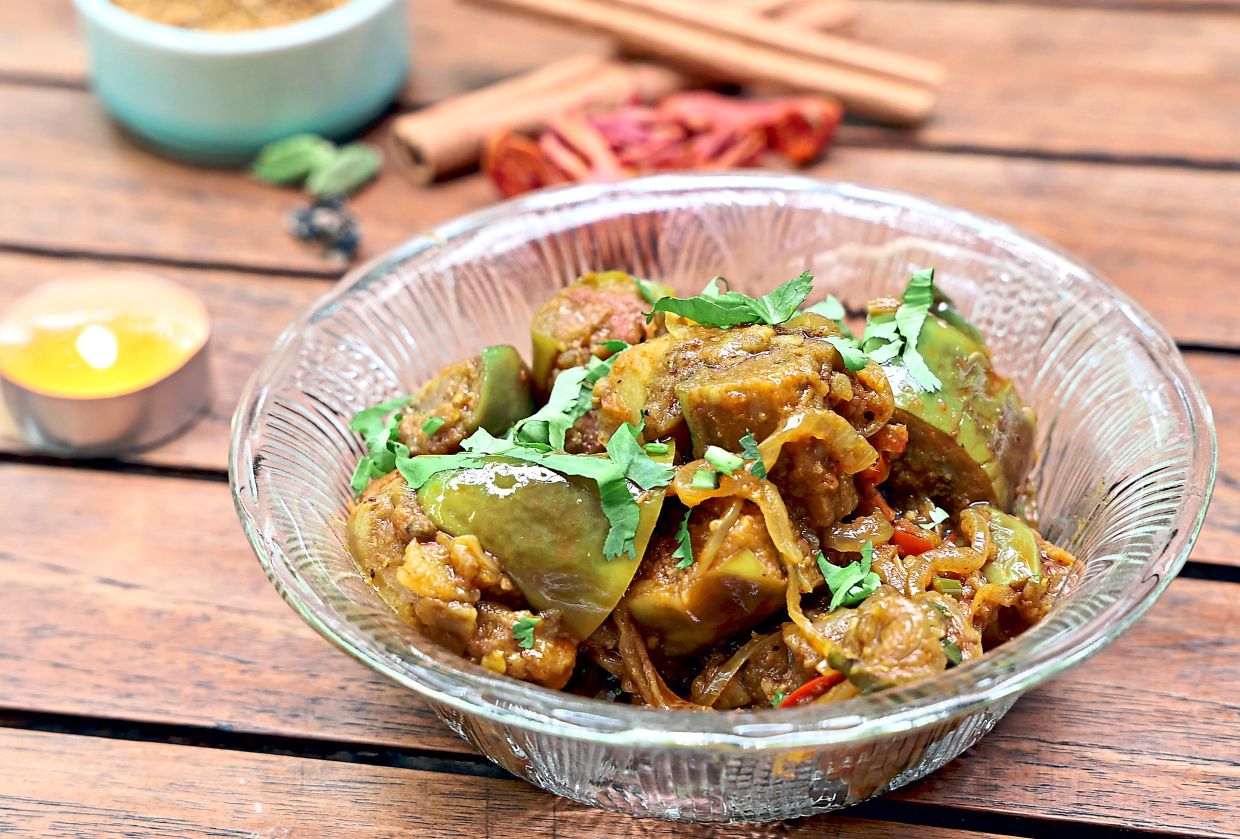
Sapna says there are some basic sensibilities when making garam masala for different ingredients. For example, for chicken dishes, she recommends utilising lighter spices like cumin, fennel and cardamom. With red meats, though, she advocates for a heavier combination of spices like fennel, cinnamon, and green and black cardamom, which are good complements for red meat.
“Once you understand all this – perfecting your recipe is just about practising and trying out many different combinations until you get your signature garam masala that is personalised to your own taste,” she says.
One thing she cautions against, though, is overusing garam masala when making different Indian dishes.
“In the end, a very important message is garam masala is just a flavouring. You never add too much. A lot of people overdo it, but your hero of the dish should still be the meat, the chicken, the vegetable or the fish. Garam masala is always just something to enhance it,” she says.
In Malaysia, Sapna says homemade garam masala should be stored in an airtight container in the refrigerator as if it is not left in a cool or cold space, the oils will vanish in the humidity and the spice mix will quickly turn rancid and taste like sawdust.