There was a time when making friends happened quite naturally, either at school or university through your cohort and extracurricular activities.
But as people grow older and busy schedules take over, those opportunities tend to thin out.
To help with this, a number of social clubs within Klang Valley are now creating what is often called a “third space” – a place outside of home and work where people gather and connect through shared interests.
One such example is Eat Books Club, a reading club that gathers monthly to discuss the book of the month.
Ella Pang, 27, started the club as a small, closed group gathering at cafes with her friends. But the group quickly grew as members brought more friends and Pang documented their meetups on social media.

Today, they hold two types of events each month: a book discussion and a social gathering that is not limited to discussing books.
“A shared interest is a natural conversation starter,” Pang says.
“With an unstructured social event, for example, a lot of people may find it intimidating. But when there’s a shared activity, it relieves the pressure of having to find topics to talk about with the people they meet.”
Her favourite part is seeing members begin talking to one another on their own, making friends and arranging to spend time together outside the club.
There is even a bouldering subgroup that formed within the community, with members using their connections from the book club to find people who share other hobbies.

Similarly, Abul Munzeer Mohamad Isa, 29, has also found a sense of togetherness by taking part in Kuala Lumpur Reads – a quiet reading session held every Saturday at Perdana Botanical Gardens, Kuala Lumpur.
He has been attending the sessions regularly, trying his best to go every week so he can spend his weekend mornings sitting among other people in the park and read together for several hours.
He enjoys being able to spend time around other people without needing to know anyone beforehand, nor having the pressure to socialise.
“It feels nice knowing there are people doing the same thing around you. You feel a sense of community,” he says.
“We’re doing our own thing and occupied with our own books, but we are doing it together.”
He believes this is one reason why more people are gravitating towards social clubs these days.
Getting an existing group of friends together can be hard when everyone has different schedules and commitments.
“It’s easier to join these communities where you meet strangers and develop friendships around the shared activity. You can even come alone because you’ll make friends here.”
He adds that the key part of starting conversations is finding common ground.
“When you share the same interest, it gives you a strong starting point,” he says.
Talking about what someone is reading, for example, can eventually lead to discovering other hobbies and mutual interests, turning one small point into a bigger connection.
From strangers to friends
Zed Lee was first introduced to mahjong on a company trip when his friends taught him how to play.
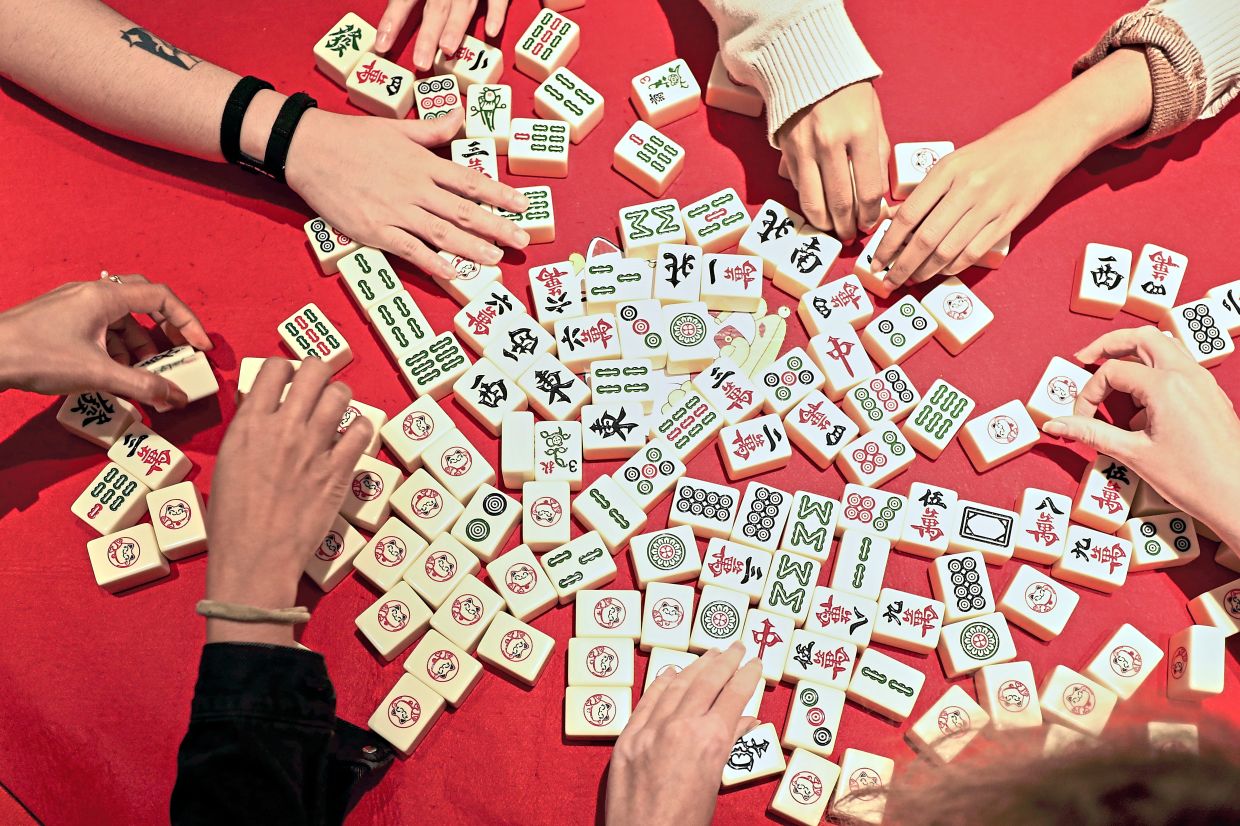
What stuck with him was how quickly the game broke down barriers between people from different backgrounds.
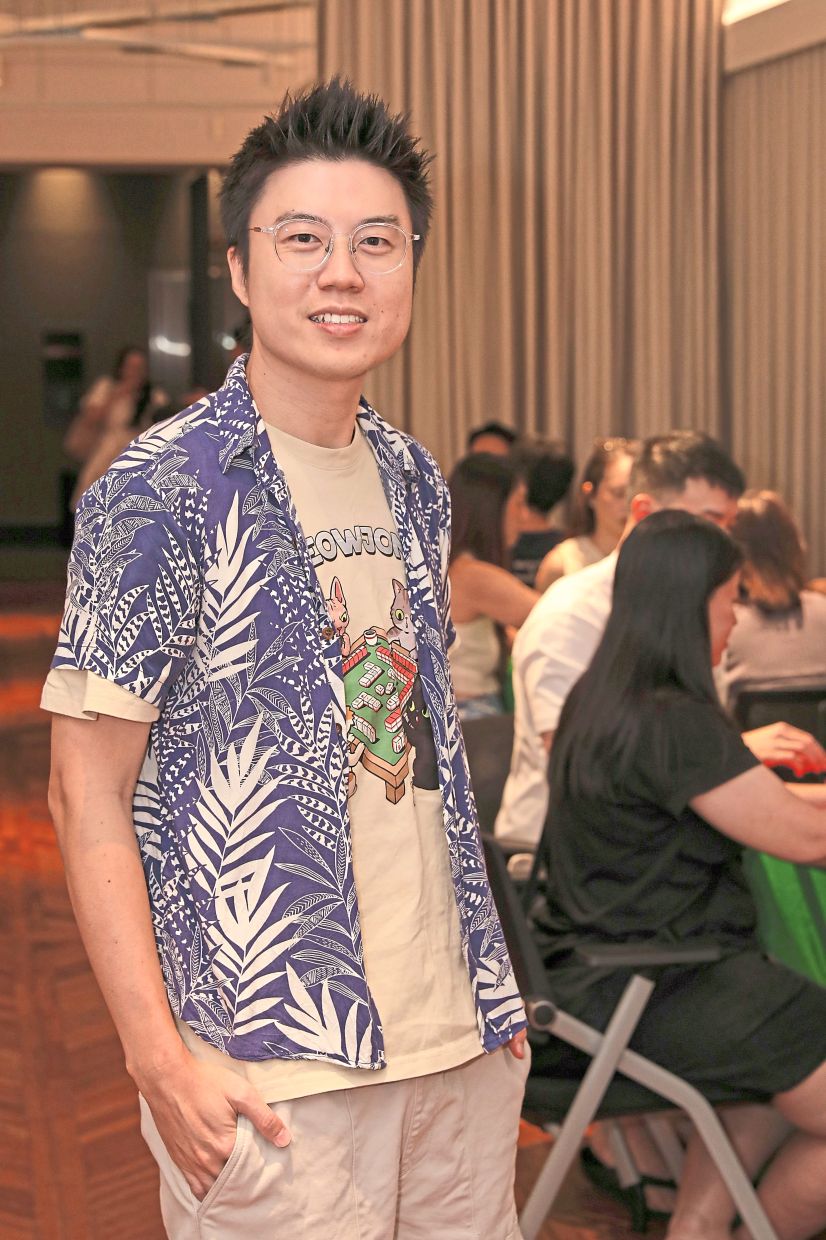
He eventually brought the game home, using an abandoned mahjong table that had belonged to his wife’s late father and teaching his parents to play. The game became a way for the family to spend time together.
With the encouragement of his friends, he started a social club called Jom Mahjong, dedicated to teaching and playing the game, in April this year.
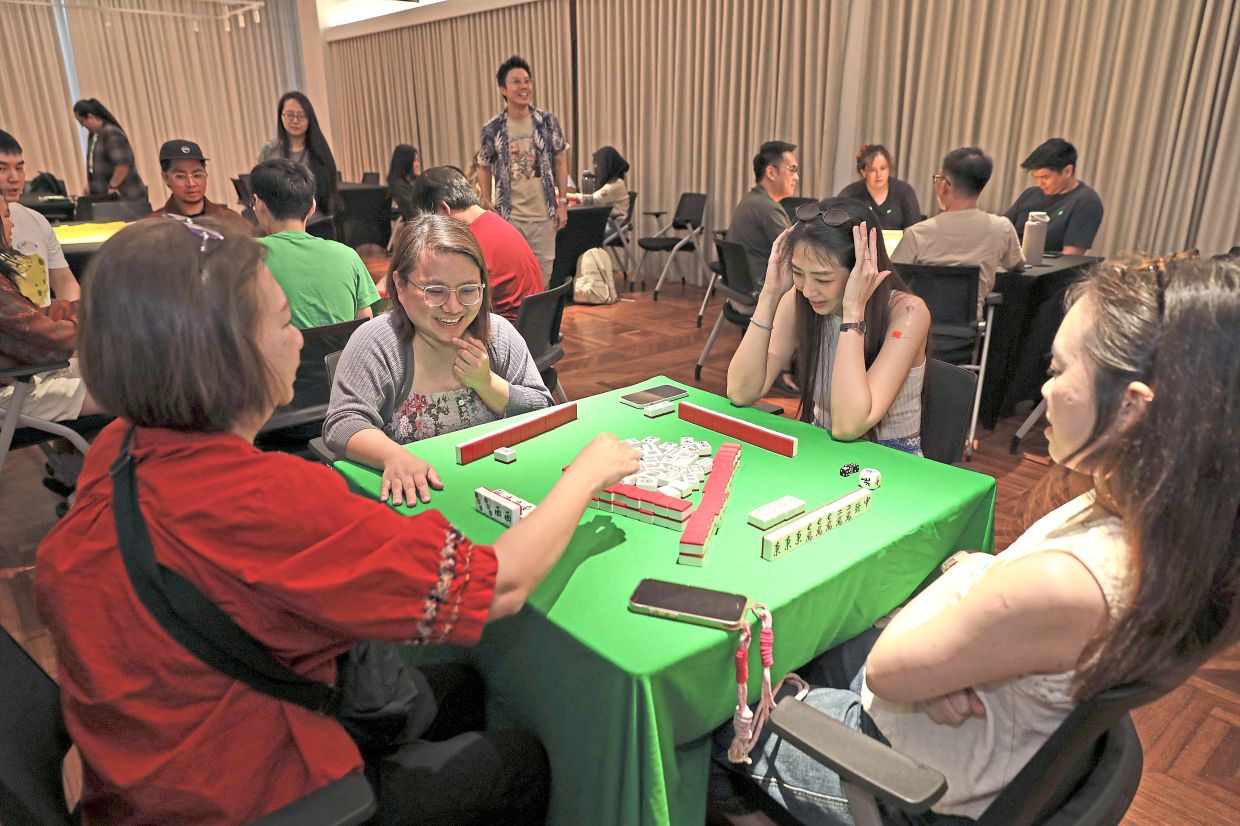
The group now runs sessions almost every week and is open to players of all skill levels, even those with absolutely zero experience. Players are grouped into three levels: beginner, casual and advanced. “Sifus” are present to guide beginners, while cheat sheets are also provided to help them learn.
Angeli Siladan, 33, attended the sessions alone at first and was met by a welcoming group willing to teach her patiently.
Over time, she became familiar with the regulars and now hosts sessions herself when she can.
“I work most of the week facing the computer, so I was looking for a space where I could go out and do something with my hands,” she says.
“I believe a lot of people are looking for that as well – not only to get off their phones, but to find belonging.”
Witnessing tables of complete strangers become close enough to form their own groups is one of the most rewarding parts of running the club for Lee.
Taking it outside
For those searching for something that involves physical activity but still want a relaxing environment, Slow Hikers Club might be perfect for them.
Founder Nigel Daniel David, 25, believes that connection begins with looking more closely at the world around us.
The idea came from a conversation with a friend about how hiking groups often focus heavily on reaching the peak rather than the journey.
Nigel wanted the hikes to also be about exploring the flora and fauna along the way.
“What really pushed me to start this was seeing that outdoor groups are either very into hiking or they are more workshop based. I wanted to create something that lies in between,” he says.
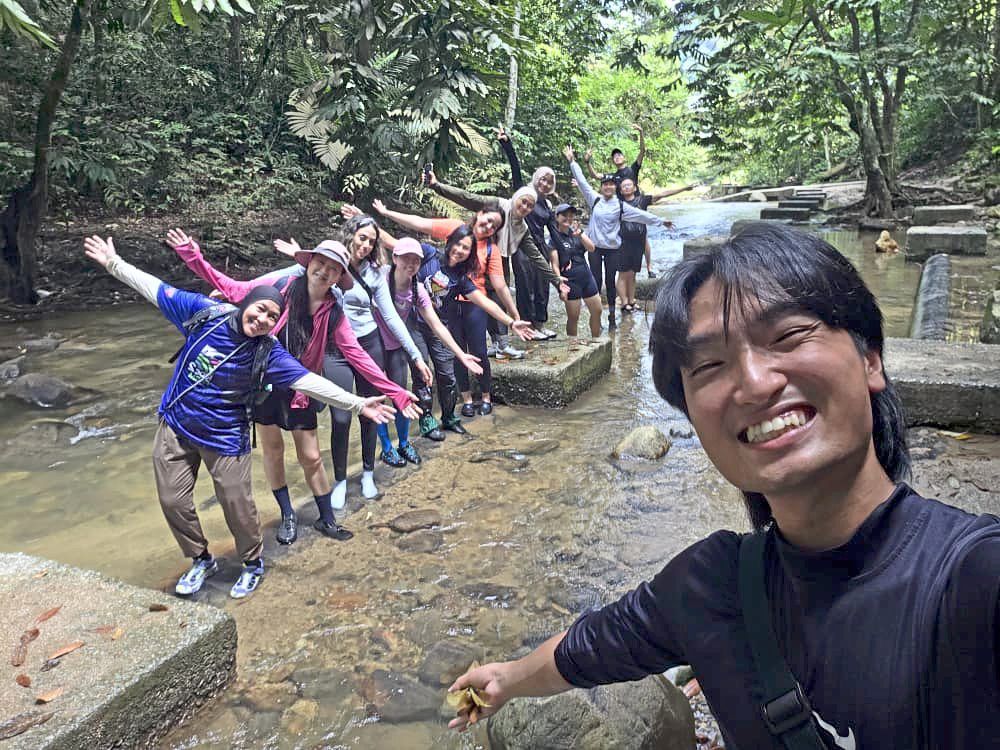
During their hikes, participants will stop to examine a plant, butterflies, frogs or other creatures along the trail.
All the hikes are designed to be beginner-friendly, and Nigel notes that the name itself has helped lower the barrier to entry.
Ong Zhang Ming, 25, first came across the club through Nigel’s post on social media.
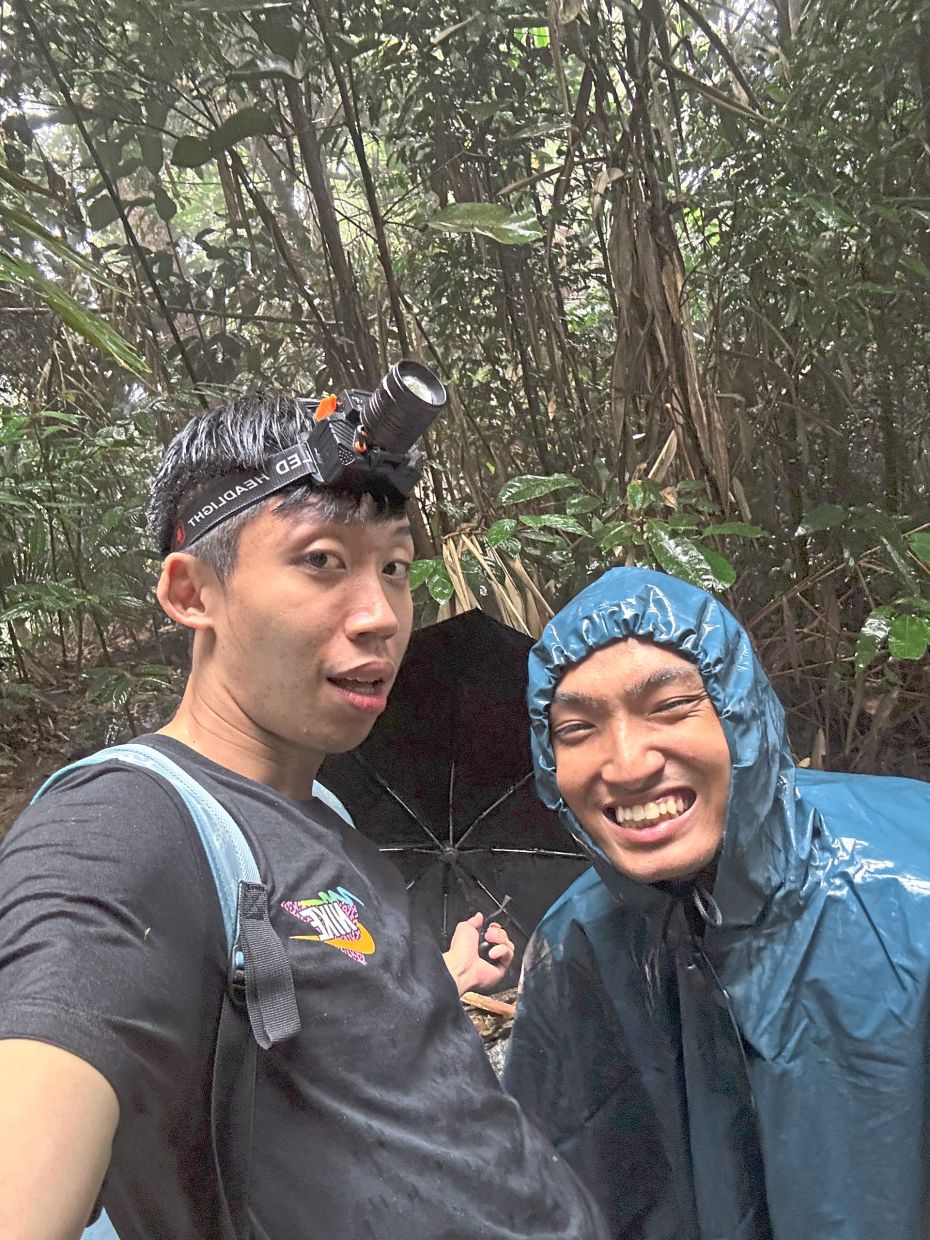
His first hike was at Bukit Kiara, Kuala Lumpur. He knew almost nobody there, but soon found himself meeting others who were also interested in nature.
Since then, he has made several new friends, with some continuing to meet for drinks or social activities even when they are not hiking.
Nigel mentions that by “being in a low stakes environment, bonds naturally start forming between people, like how we made friends when we were kids”.
Similar to Pang and Lee, he has seen friendships form through the group, including those who later join other hiking communities together.
He believes having such a space matters because people today can become disconnected not only from one another, but also from the natural world around them.
“People are looking for a place where they can see the world around us in a different light and not get judged for being curious about it.”
He also hopes that interest can eventually translate into greater care for the environment.
“The first step in environmental protection is to get people interested in it in an ethical and enjoyable way. I hope they will see our activities as something mindful they can practice for themselves.”
Making space for connection
Living a modern city life also makes the existence of these spaces feel more necessary.
Everyone is getting busier by the day and much of everyday interaction has shifted online.
Although social media can provide connection, it definitely can’t beat playing a round of mahjong together or spending hours discussing books.
Nigel views the renewed interest in offline communities as a response to this fragmentation.
“People crave to be a part of something, just like how we have always been for all of humanity. Joining offline communities is one of the ways we get to do this and genuinely be ourselves.”
Meanwhile, Pang sees the attraction of these groups as a response to digital fatigue, with social clubs becoming a space for people to seek more meaningful connections outside of the Internet.
Ong notes that the proliferation of social clubs is a good sign as “people are proactively deciding to be part of a community that they are also willing to contribute to and build as part of their life enrichment initiatives”.
That is exactly what makes these communities so valuable. They provide us with somewhere to be, amidst the hustle and bustle of life, where doors to new connections open up.
After speaking with Lee, away from the crowd absorbed in mahjong and conversations, I decided to join a round with strangers who were happy to have me there.
I went in expecting to learn and play the game quietly, but found myself chatting with the people around the table, and meeting more lovely people who joined in later as the game progressed.
It definitely served as a reminder that connection does not need to be directly sought out; all it takes is to just show up.
In good company
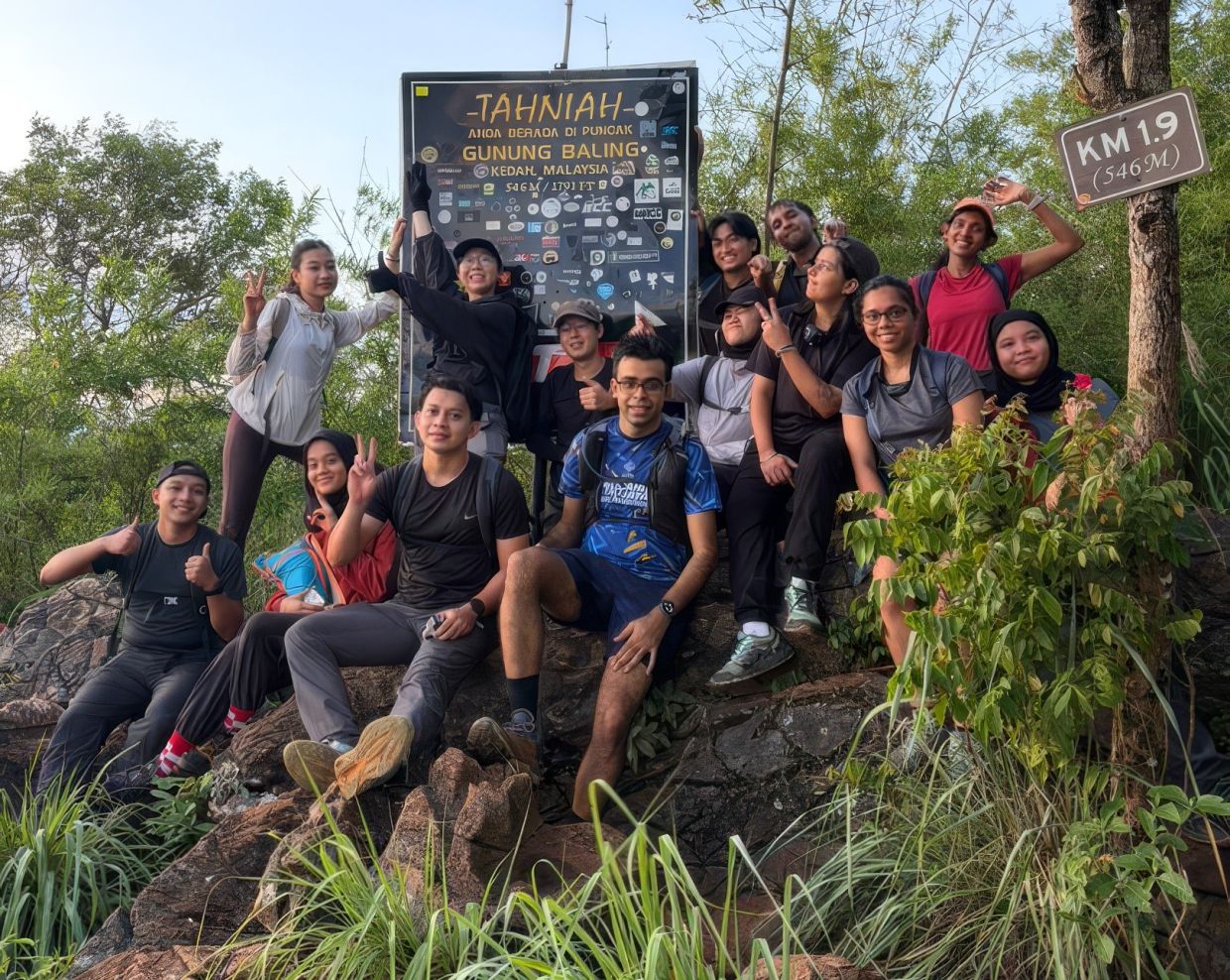

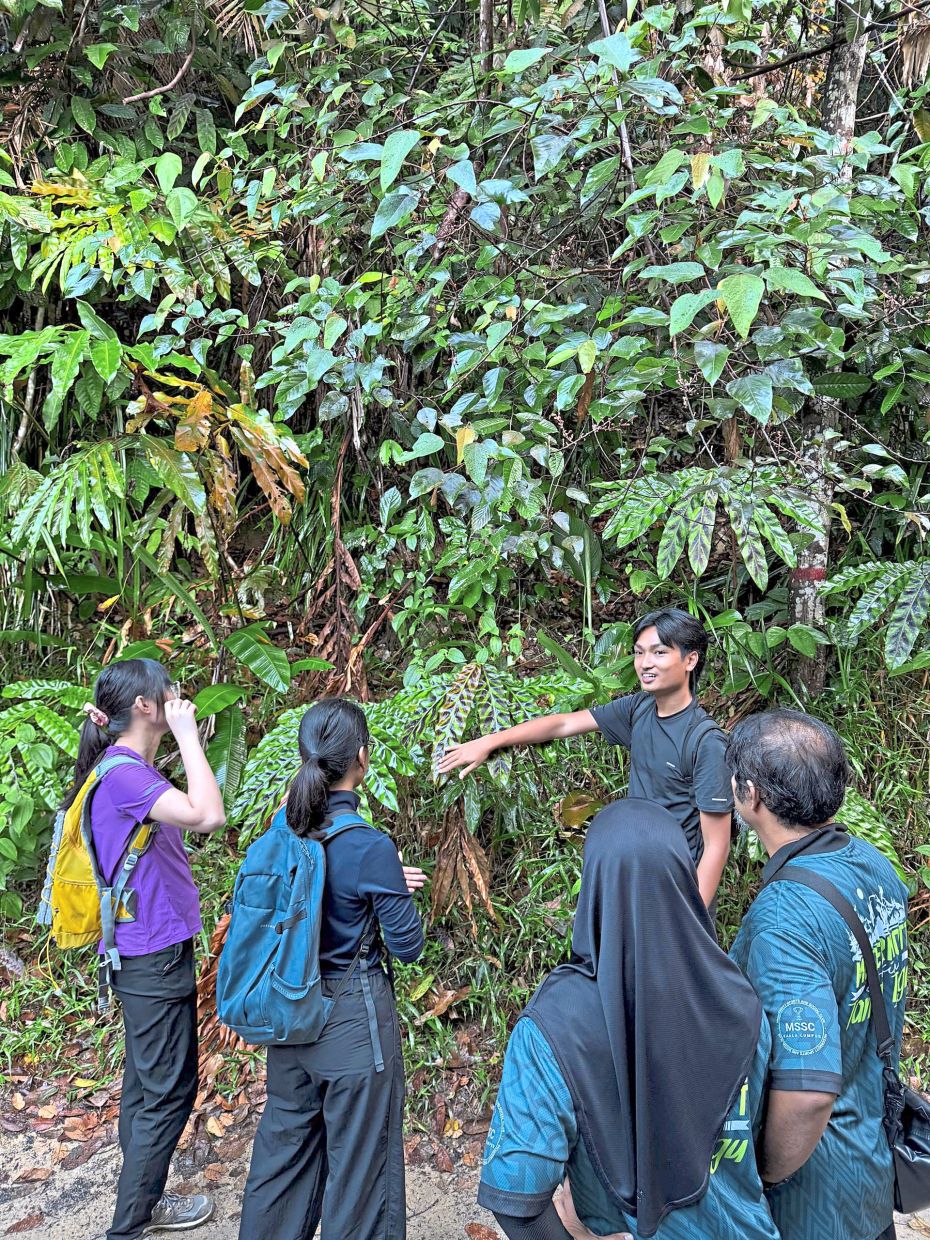
Slow Hikers Club sees fans of hiking gather to traverse through the trails together. Photo: Nigel Daniel David
Siladan believes a lot of people are looking for places where they can find a sense of belonging. Photo: The Star/Yap Chee Hong
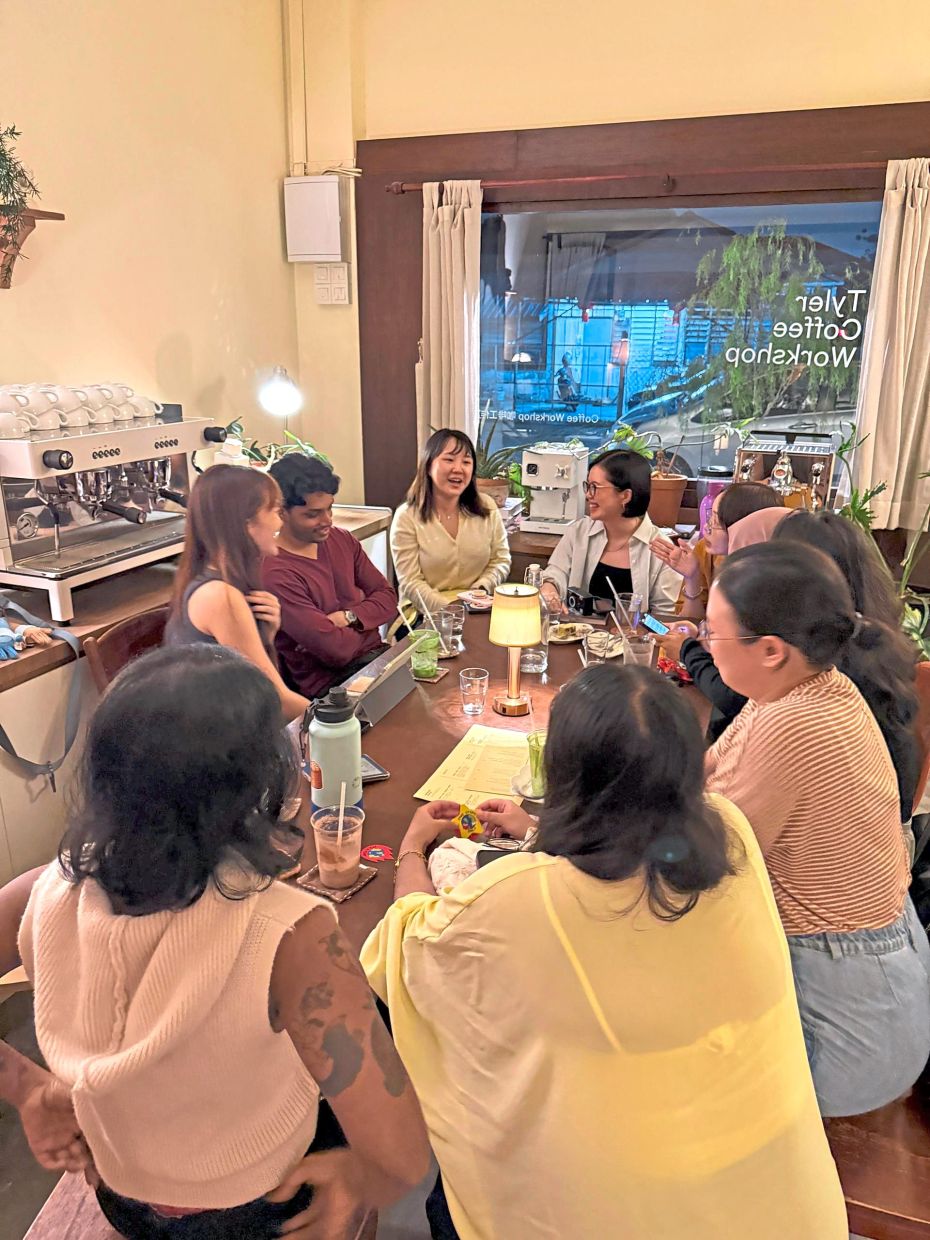
Every month, Eat Books Club holds meetups to discuss the book of the month. Photo: Ella Pang
During hikes, the group would stop to look at plants and small animals they encounter along the way. Photo: Nigel Daniel David
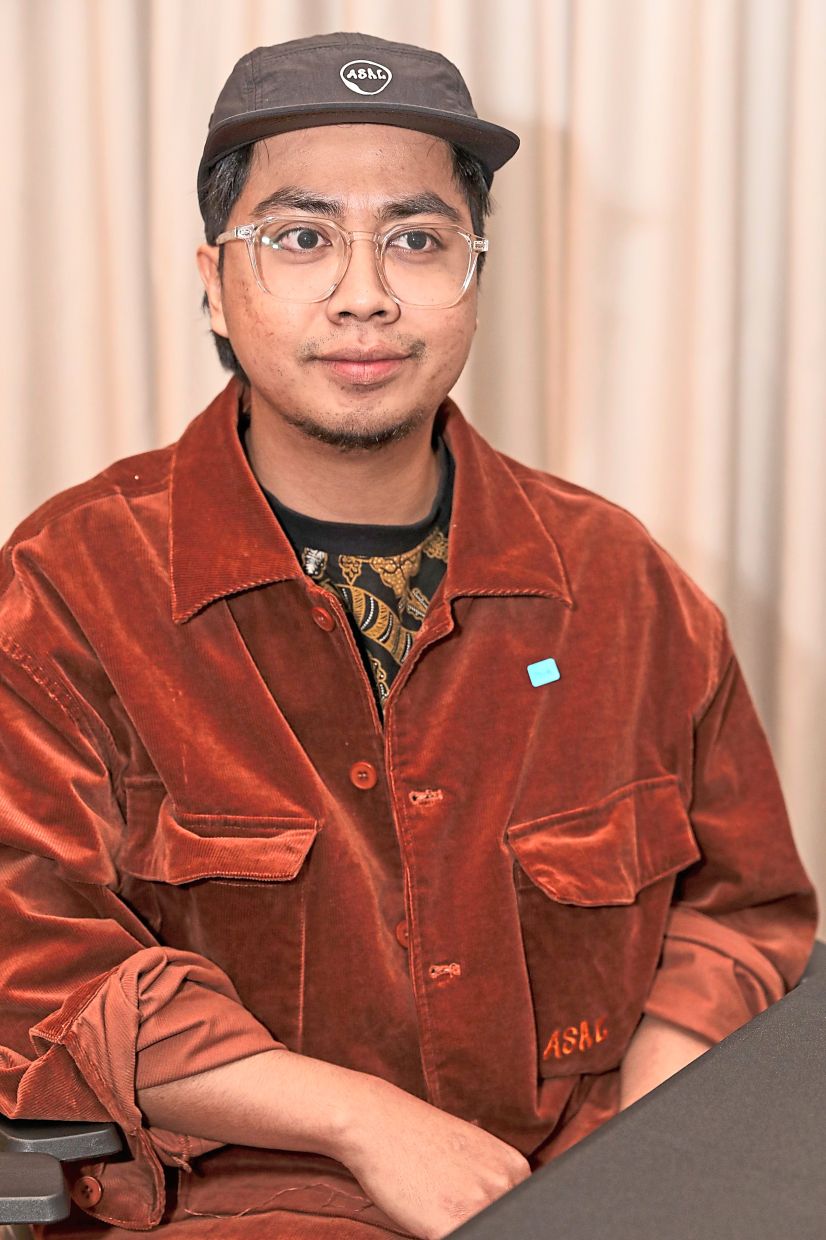
Abul Munzeer enjoys being able to spend time around other people without needing to know anyone beforehand, nor having the pressure to socialise. Photo: The Star/Yap Chee Hong
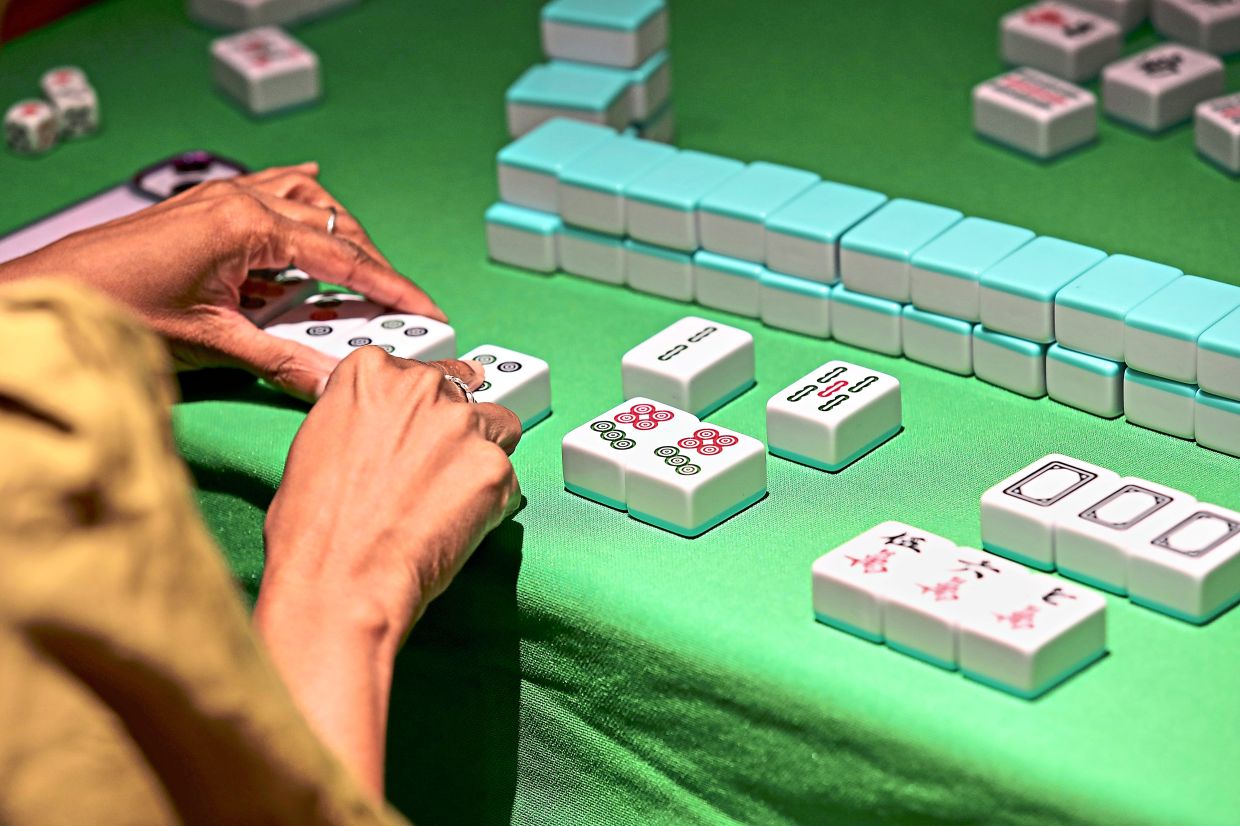
Mahjong has the ability to break down barriers between people from different backgrounds. Photo: The Star/Yap Chee Hong
Pang notes that having a shared activity relieves the pressure of having to find topics to talk to with others. Photo: Ella Pang