On Wednesday afternoons at the Mental Health Inclusion, Awareness, Support and Advocacy Association (Miasa) Malaysia office, people gather around tables with journals, stickers, paints, coloured pens and scraps of paper.
Some arrive quietly, carrying invisible burdens. Others come for companionship, or simply to breathe a little easier.
For Afi Sulaiman, 30, these workshops are deeply personal.
The freelance artist and illustrator was diagnosed with schizophrenia and depression in her late teens. Today, she manages her condition with medication and therapy, enabling her to function well in daily life.
Alongside professional treatment, crafting has become an essential part of her healing journey.
"When my mind is full of thoughts, journalling helps me focus and bring clarity,” she says. “There’s something about working with your hands, colours and creativity that grounds you.”
Afi now channels that experience into helping others through the weekly creative workshops at Miasa Malaysia.
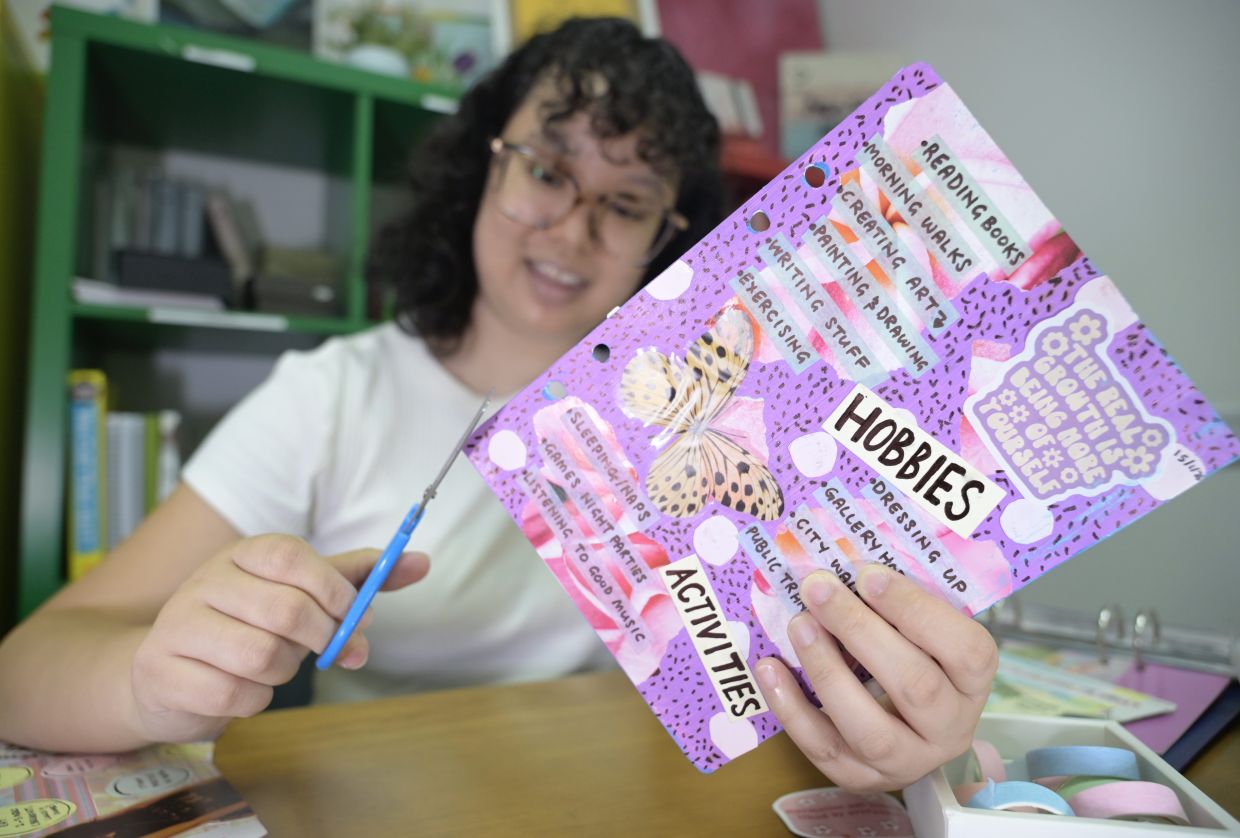
Importantly, she clarifies that she is not a licensed art therapist. Instead, she uses her lived experience to guide participants through journalling and craft-based activities designed to encourage mindfulness, self-expression and emotional release.
“The best advocate is someone who has actually gone through it,” she says. “You understand the struggles because you’ve lived it yourself.”
Afi first came to Miasa as a participant in Circle Time, the organisation’s peer support group.
Inspired by the openness and support she found there, she eventually volunteered to teach art classes before eventually joining the team.
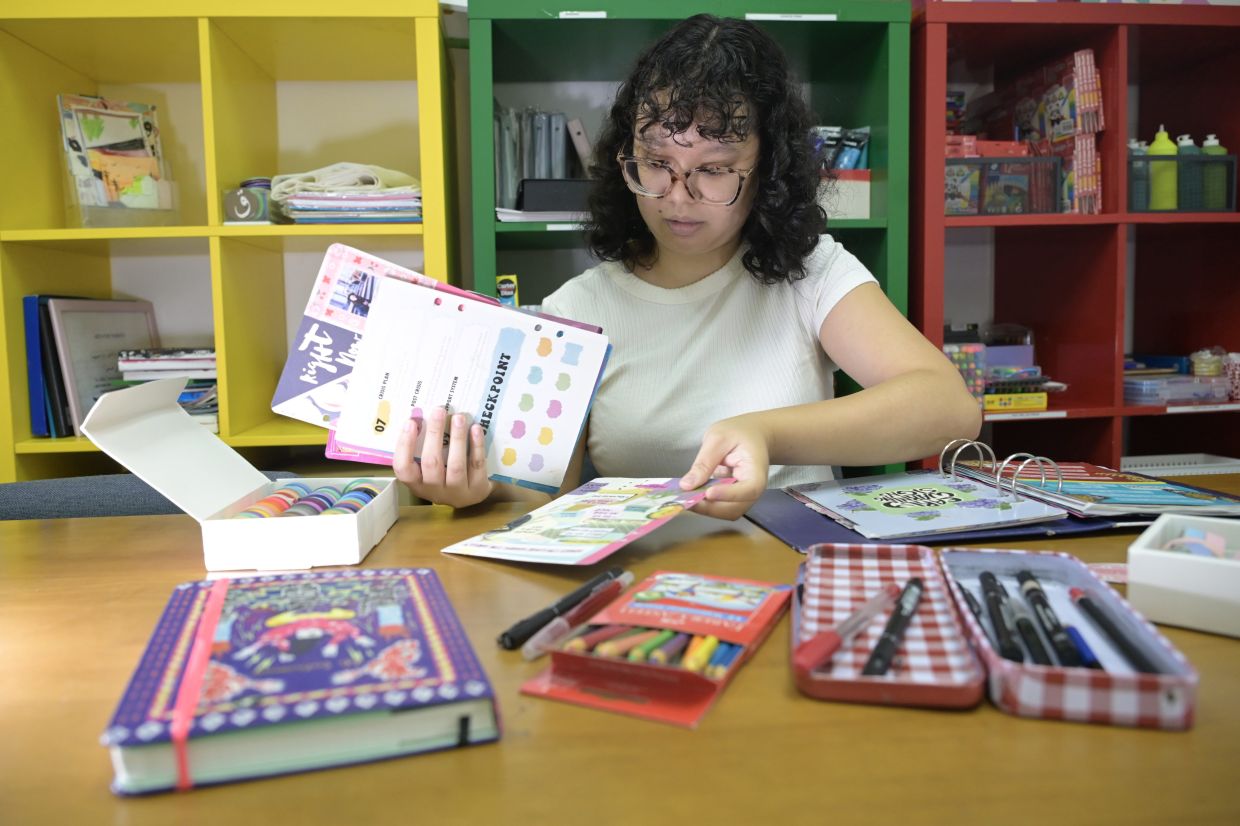
Now, she conducts weekly workshops that combine creativity with emotional reflection.
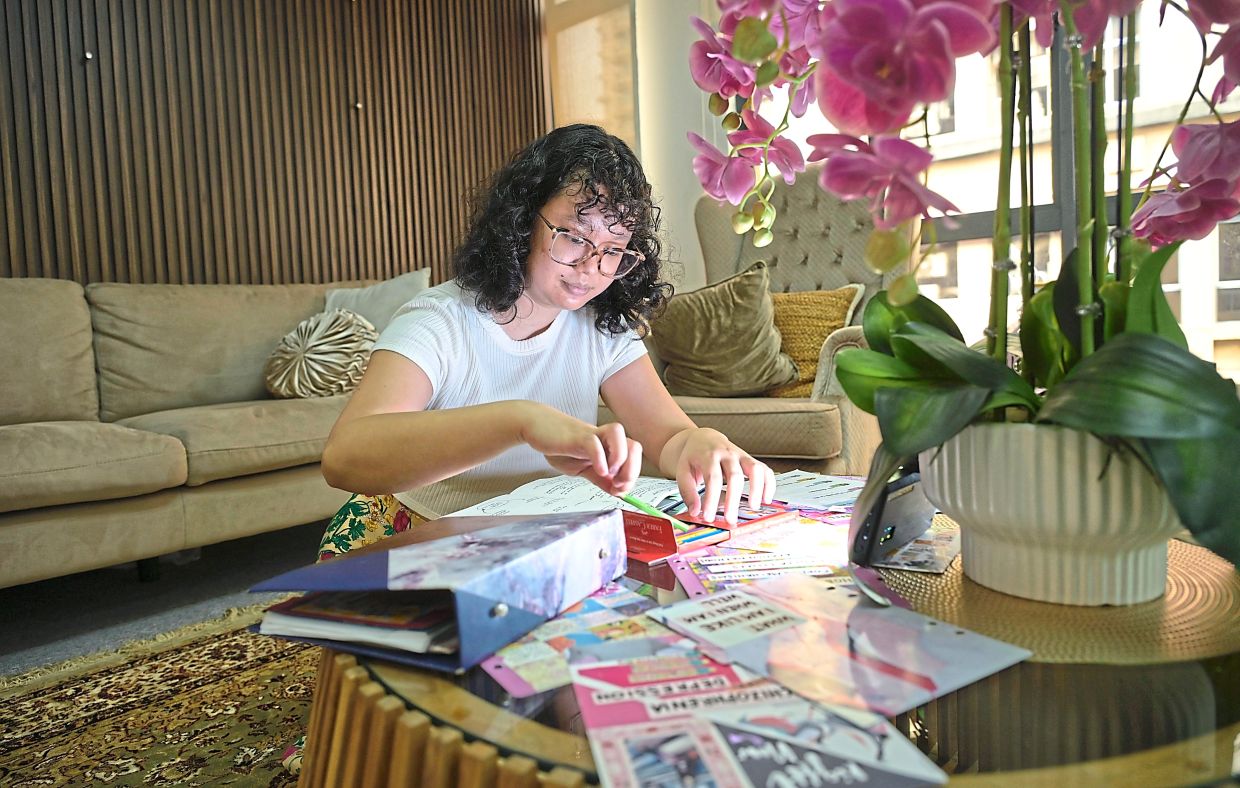
“I created my own journalling template involving self-discovery and scrapbooking,” says Afi. “I wanted it to feel uplifting, colourful and personalised instead of clinical or rigid.”
Her journals act almost like emotional guidebooks – something participants can turn to during difficult moments.
“Sometimes when people ask what they can do to help you feel better, you don’t know what to say. So this becomes something your support system, family or even you yourself can refer to when you’re struggling,” says Afi.
She adds that mental health struggles are invisible.
“People often can’t see what’s wrong. But when you create something tangible with your own hands, it helps anchor you to reality,” she explains.
During relapses, she may hear voices or see figures that are not there. Besides medication and therapy, Afi says that crafting helps her reconnect to the present moment.
“When I’m journalling or creating something, I feel like, OK, this is reality. I am here. I can create and build something (referring to her journal).”
She emphasises that creativity is not just about talent.
“You don’t need to be good at art and craft. It’s not about making something perfect. It’s about finding yourself within the colours and the chaos.”
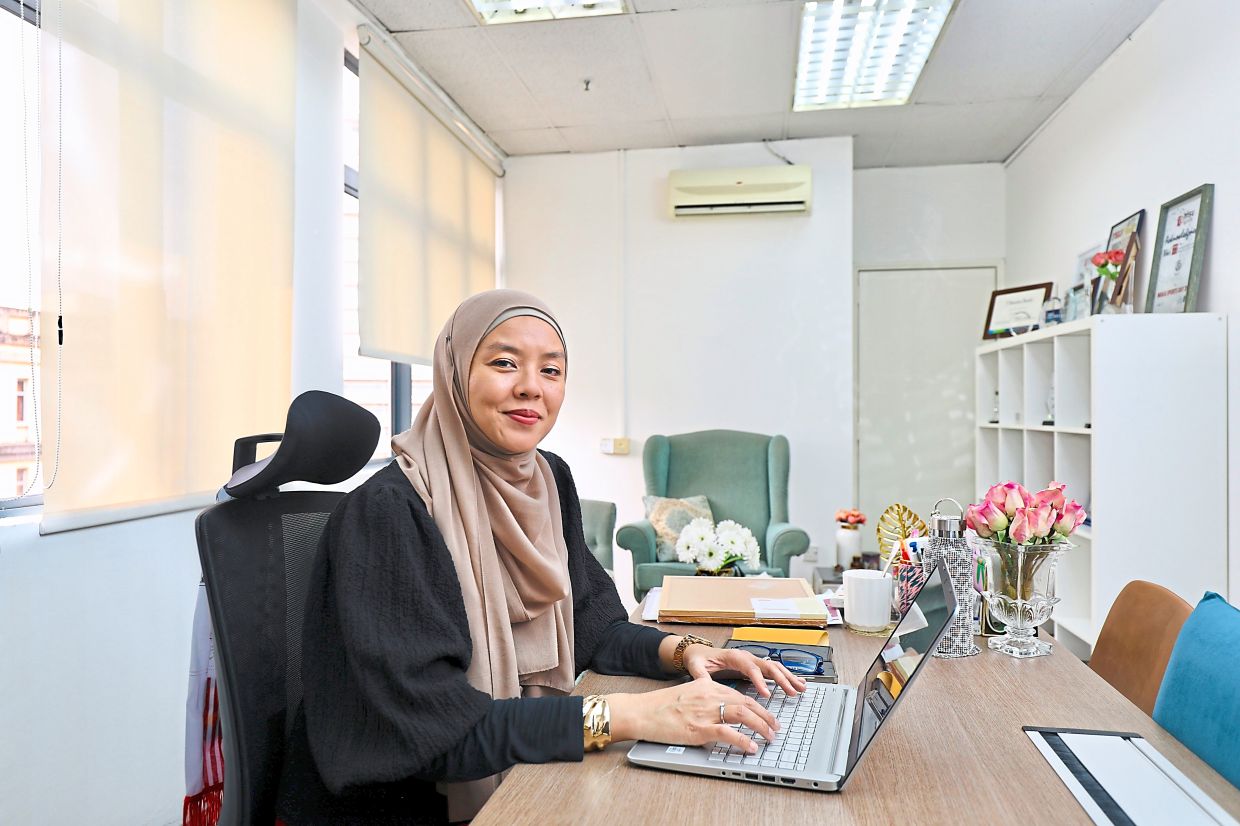
That belief is central to Miasa’s creative workshops, says Anita Abu Bakar, founder and president of the organisation.
“A lot happens in the mind when someone is struggling mentally,” Anita explains. “We call it mental noise – random, contradictory thoughts happening all at once. It can be overwhelming.”
Crafting, she says, acts as a grounding mechanism.
“When we focus on something repetitive or hands-on, like colouring, stitching or journalling, it anchors the mind. It redirects our thoughts away from spiralling.”
There is also a biological explanation. Stress increases cortisol levels and activates the brain’s fear centre, the amygdala.
Activities perceived as soothing can help release dopamine, activating areas associated with focus and decision-making.
“But the intention matters,” Anita says. “If you’re crafting because you want perfection, it may stress you out more.
“But if your intention is to relax, refocus and enjoy the process, it can be incredibly calming.”
Ironically, Anita says, with a laugh, that she is “terrible at art”. Yet during the Covid-19 pandemic, she discovered that colouring books and paint-by-number kits helped manage her own anxiety.
“The guided process gave me a sense of control and accomplishment,” she says. “For someone struggling mentally, even small achievements matter enormously.”
That sense of achievement can be transformative for someone dealing with depression.
“When you’re depressed, even getting out of bed can feel like climbing a mountain,” Anita says.
“So completing something small – a drawing, a journal page, a craft project – can be very meaningful.”
At Miasa, crafting is never positioned as a replacement for professional help.
“It complements therapy and medication, but it’s not a substitute,” Anita stresses. “Mental health recovery requires a holistic approach.”
Equally important is community.
“People heal when they realise they are not alone,” she says. “Peer support is powerful because it comes from people who have lived through similar experiences.”
Healing in the making
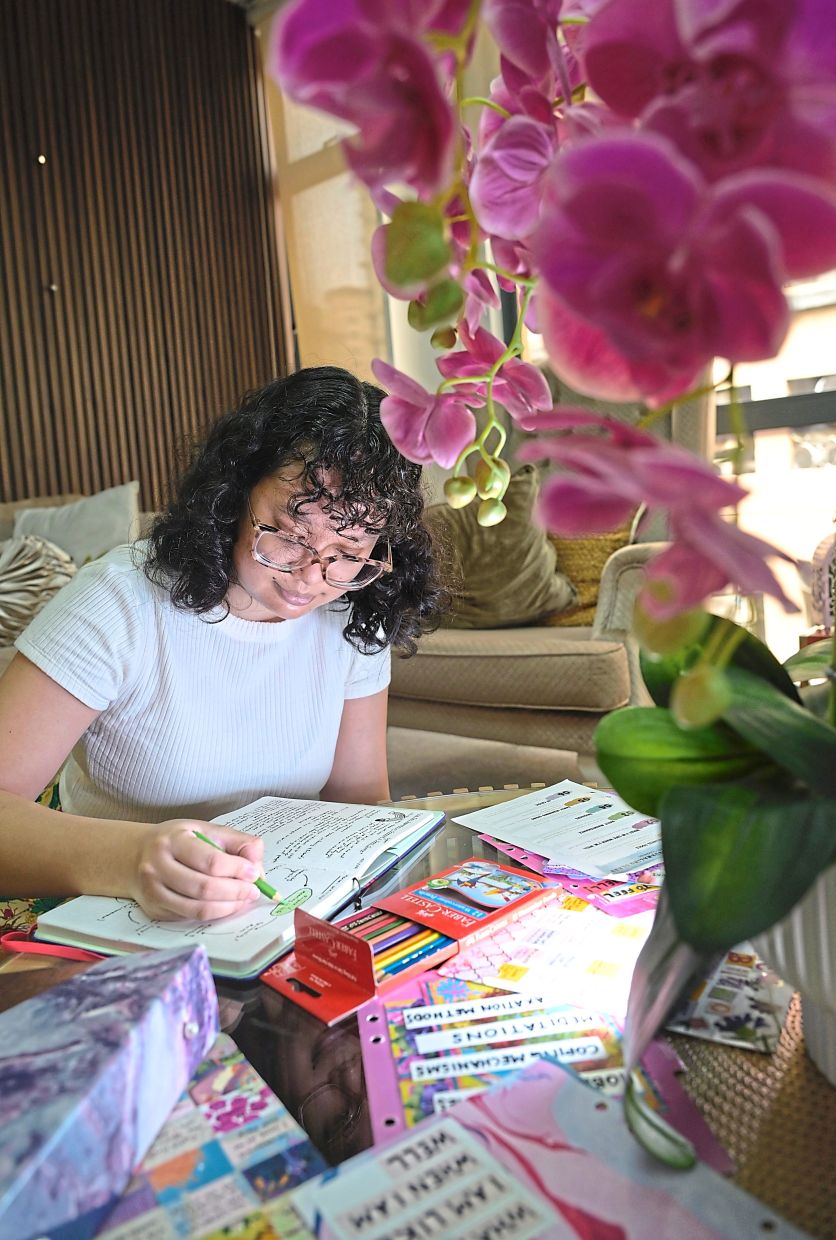
When my mind is full of thoughts, journalling helps me focus and bring clarity, says Afi, who conducts art and crafting workshops at Miasa Malaysia.
When my mind is full of thoughts, journalling helps me focus and bring clarity, says Afi who conducts art and crafting workshops at Miasa Malaysia.
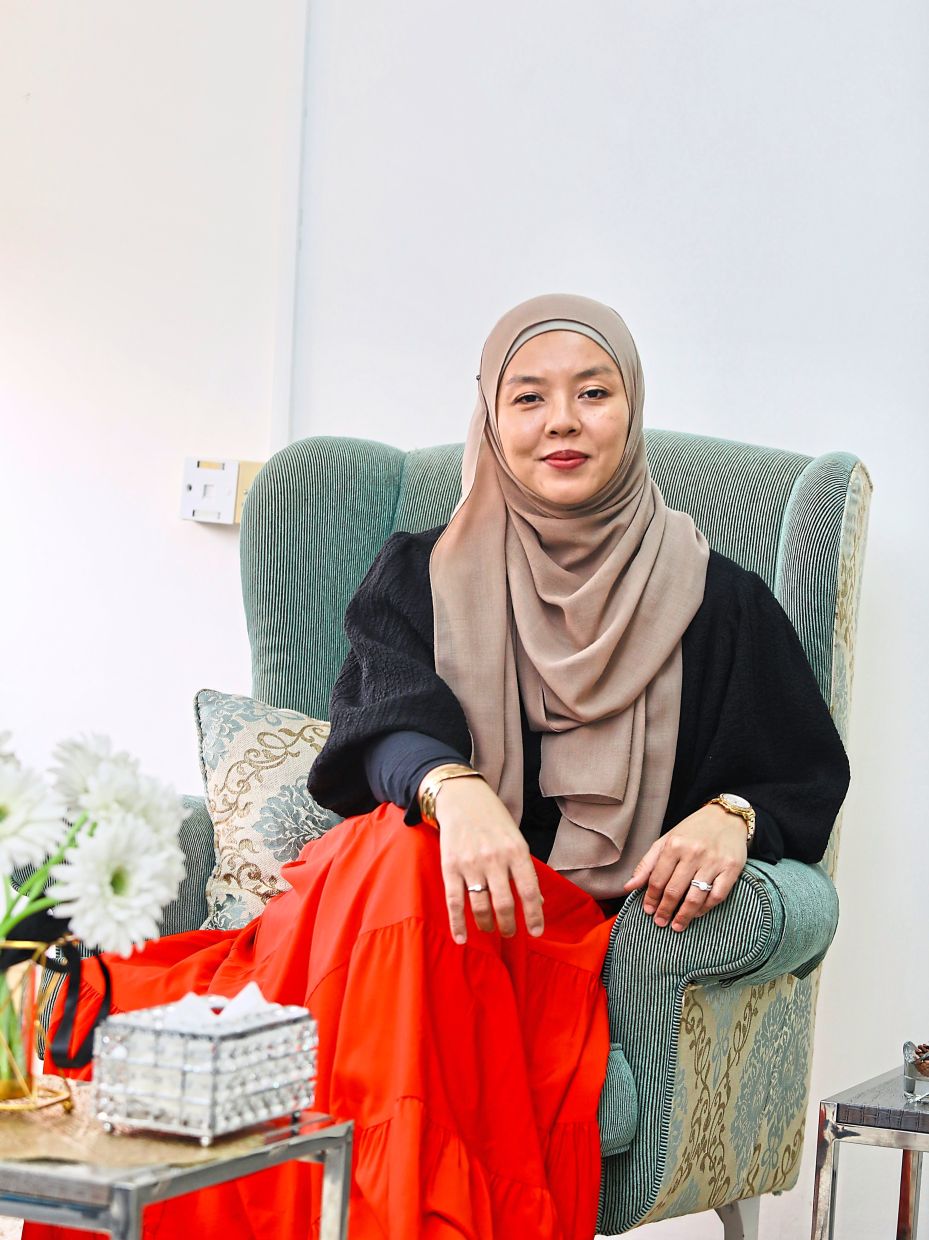
Crafting can act as a grounding mechanism for those struggling with mental health, says Anita.
Mental health recovery requires a holistic approach. Crafting complements therapy and medication, but it's not a substitute, says Anita.
Currently, Afi conducts weekly workshops that combine creativity with emotional reflection.
'The best advocate is someone who has actually gone through it,' shares Afi. 'You understand the struggles because you’ve lived it yourself.'