
At the height of the Covid-19 pandemic, Dr Dakshinah Subramaniam spent her days caring for critically ill patients in overflowing ICUs and operating theatres.
As an anaesthesiologist working in a government hospital in Selangor, she witnessed exhaustion, death and grief on a devastating scale that few could imagine.
Behind the composed exterior colleagues knew her for, she was quietly struggling.
“There were times when my medical officers were breaking down and I was the one pulling them up, saying, ‘We can do this’,” she recalls. “But inside, I was really torn apart – being mentally, emotionally and physically exhausted.”
The burnout eventually spiralled into severe depression. Dr Dakshinah sought professional help and was placed on medication. Seeking help remains something she openly advocates for today.
But alongside therapy and treatment, she found unexpected comfort in something surprisingly simple: crafting.
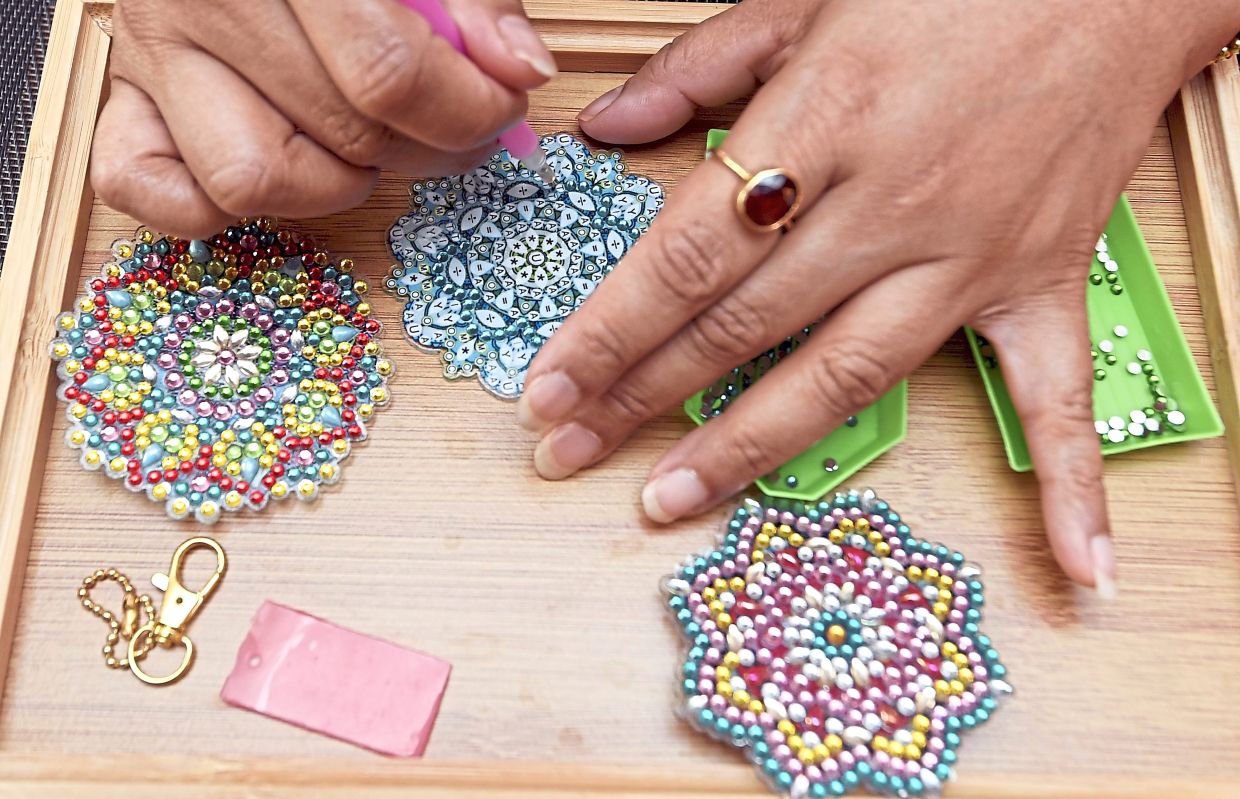
Colouring books, journalling, mandala painting and beadwork became small rituals that helped her breathe again.
“In my safe space, through journalling, colouring and engaging in other crafts, I wasn’t an anaesthesiologist fighting a pandemic. I was just a person healing,” she says.
To cope with lockdown isolation, Dr Dakshinah transformed her bedroom into what she calls her sanctuary, with tropical plants and meditative objects filling the space. A small indoor fountain created the soothing sound of flowing water. This environment itself became part of her recovery.
“It taught me that our environment is just as important as our internal dialogue, physical exercise, proper nutrition and seeking professional help,” she says.
Today, those deeply personal experiences have inspired a new chapter in her life: hosting creative wellness workshops she calls The Creative Clinic from her home.
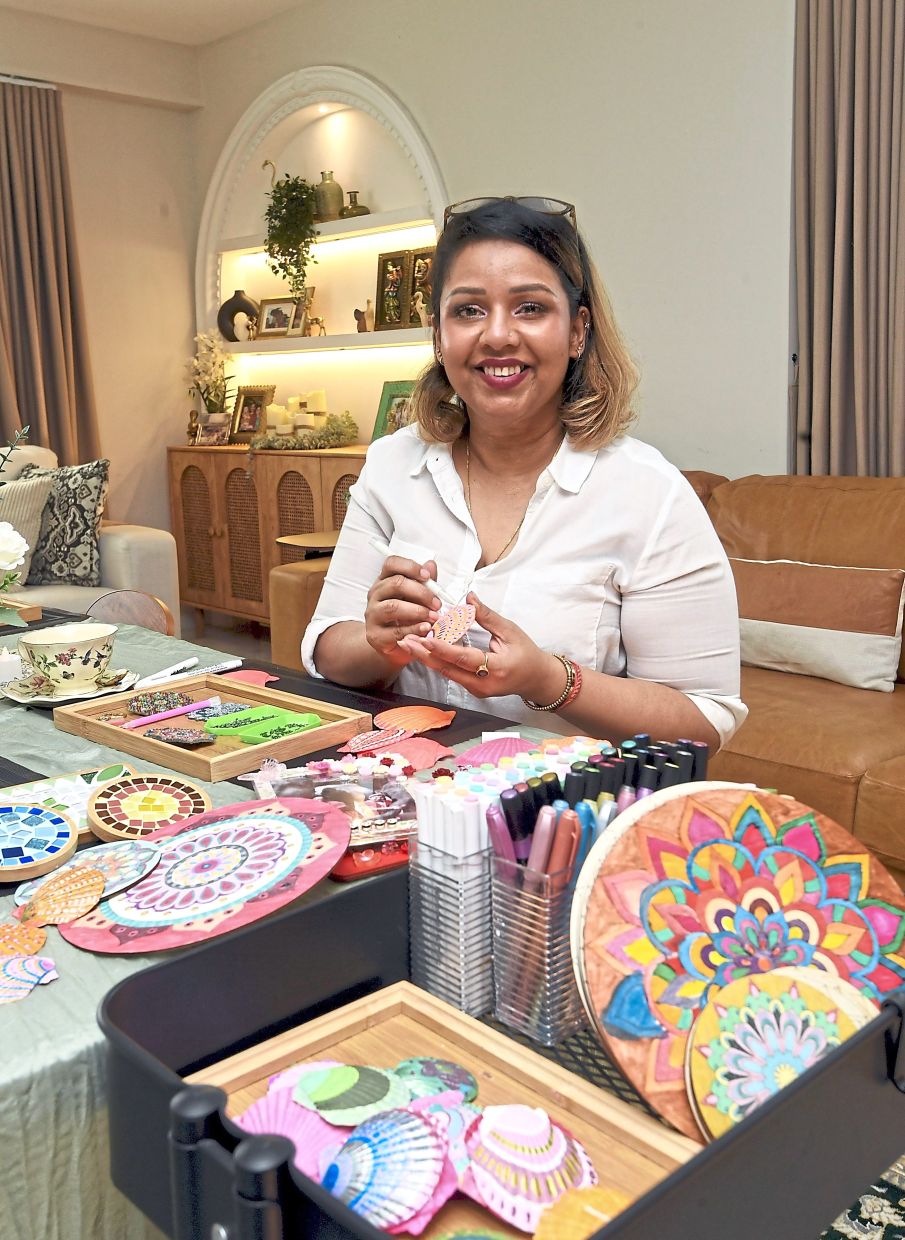
Since March, Dr Dakshinah has been running crafting sessions ranging from mandala painting and mosaic tiling to vision board workshops for women, children and even fellow doctors.
But unlike traditional art classes, the emphasis is not on artistic skill or producing perfect crafts.
“The sessions are more about switching off, having that mental reset, taking time for yourself and reconnecting with joy,” she explains.
Guests are welcomed into a carefully curated environment designed to calm the senses.
Vintage teacups, free-flow ginger masala tea, beautifully decorated tablescapes and the constant sound of running water from an indoor fountain all contribute to an atmosphere that encourages participants to relax and let their hair down.
“To me, switching off is a sensory experience,” she says. “When the environment is curated with intention, it signals to the brain that it is safe to let go.”
As a medical specialist, Dr Dakshinah also understands the science behind the therapeutic effects of crafting.
“Activities like mandala painting or beadwork engage the parasympathetic nervous system – the body’s ‘rest and digest’ mode,” she explains. “It lowers heart rate and reduces cortisol levels, helping to counter chronic stress.”
Intricate, repetitive tasks also encourage the brain to focus on the present moment rather than anxious thoughts or rumination.
Still, she is careful not to romanticise crafting as a cure-all.
“I have to stress that crafting cannot replace medication or therapy,” she emphasises.
She adds that mental health recovery is multi-layered and may involve professional counselling, medication, exercise, nutrition, supportive relationships and lifestyle changes.
“Creative outlets are just one supplementary part,” she adds.
That distinction is important to her because she wants conversations around mental health to remain honest and stigma-free.
“I want people to know there’s nothing wrong with seeking help,” she says. “Mental health should be treated just like physical health.”
What surprises Dr Dakshinah most about her workshops is how quickly strangers begin opening up to one another.
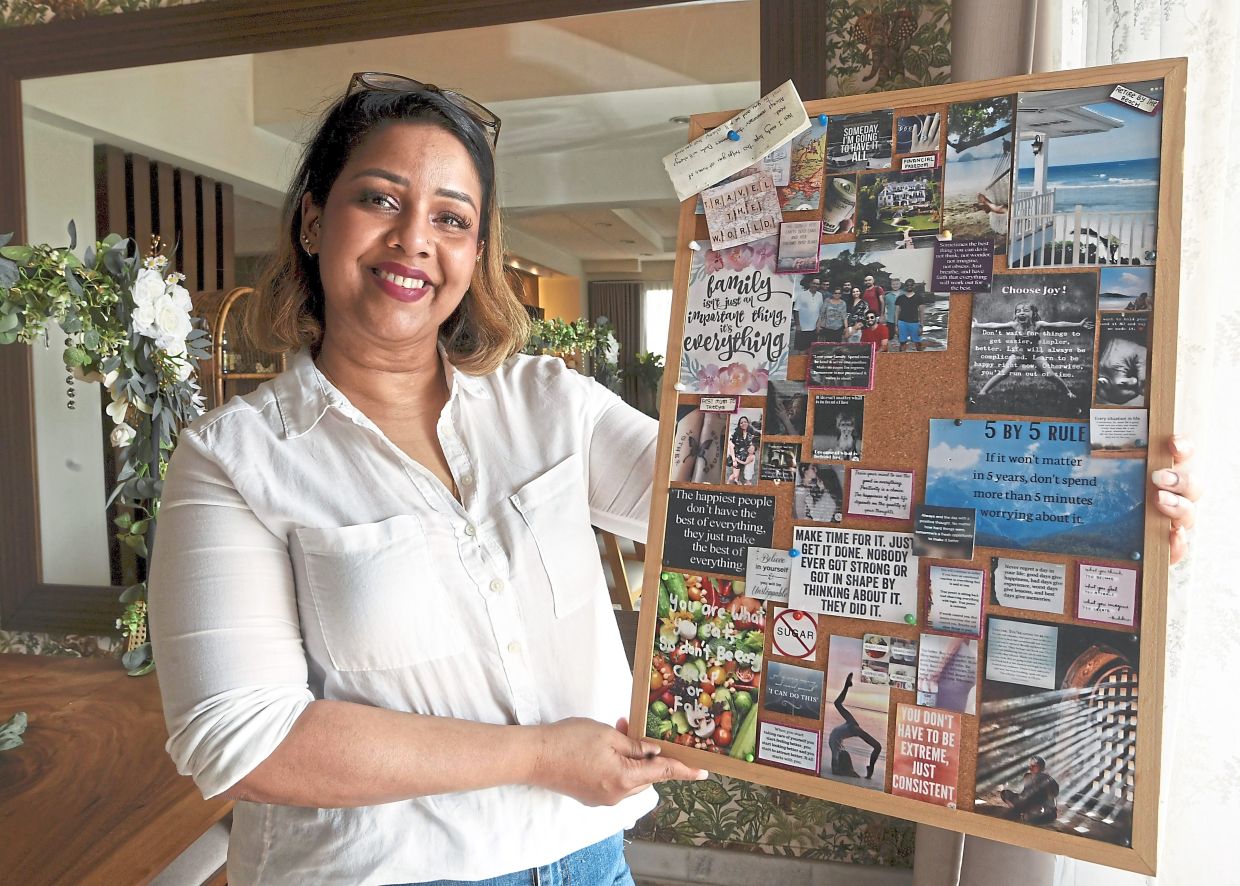
During her popular vision board sessions, participants complete reflective exercises beforehand, evaluating different aspects of their lives – from health and finances to relationships and career goals. By the time they arrive, many are already ready emotionally.
As they decorate boards with stickers, photos and handwritten affirmations, conversations deepen naturally.
“Women start sharing their struggles, dreams and small wins,” she says. “And they realise they are not alone.”
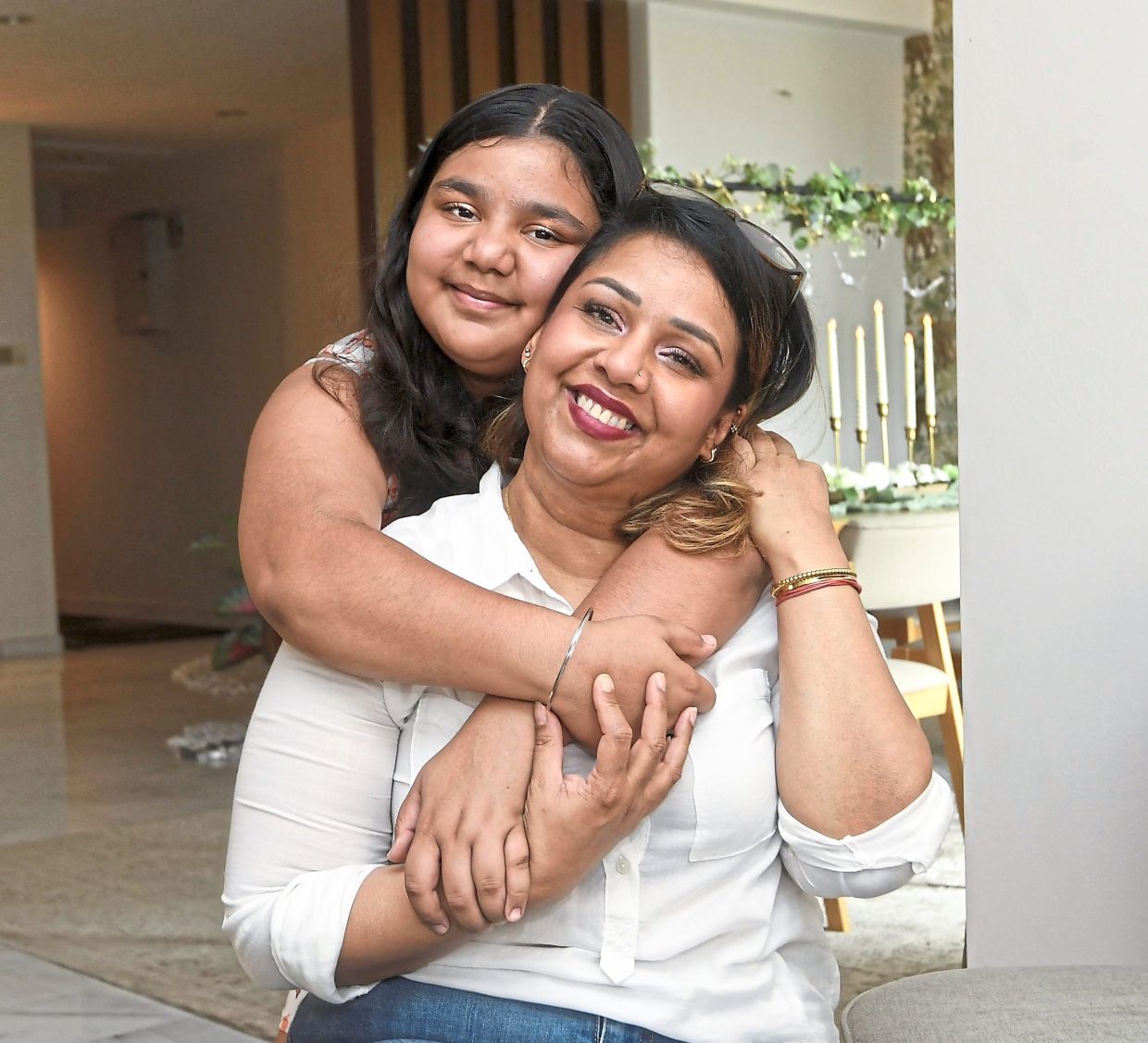
Dr Dakshinah herself often shares openly about her own depression journey during these sessions, hoping to dismantle misconceptions surrounding mental illness.
“No one at work would have thought I had depression because I was known as a strong character,” she says. “That’s the thing about depression. You never truly know what someone else is carrying.”
Her workshops have also become spaces where women rediscover parts of themselves that may have been buried under work, caregiving and daily responsibilities.
“You cannot pour from an empty cup,” she says. “Many women spend so much time taking care of others that they lose their own identity.”
“Don’t start a project. Start a practice,” she says. “Even 10 to 15 minutes matter.”
Instead of focusing on creating something impressive, she encourages people to focus on the process itself – the quiet repetition of placing one bead, painting one stroke or writing one sentence, after another.
“If your mind is heavy, let your hands take over,” she says softly. “Healing begins with the smallest movements.”
For Dr Dakshinah, crafting ultimately became more than stress relief; it helped her rediscover purpose after one of the darkest periods of her life.
“Building this community amplified the healing,” she reflects. “I provide the space and materials, but the community provides the soul.”
And perhaps that is the true beauty of crafting – not the finished product, but the reminder that even in difficult seasons, small acts of creation can help people feel seen, connected and hopeful again.